

 Melo Villareal
LRT-2 Stations: The Ultimate Metro Manila Commuter, Travel & Neighborhood Guide
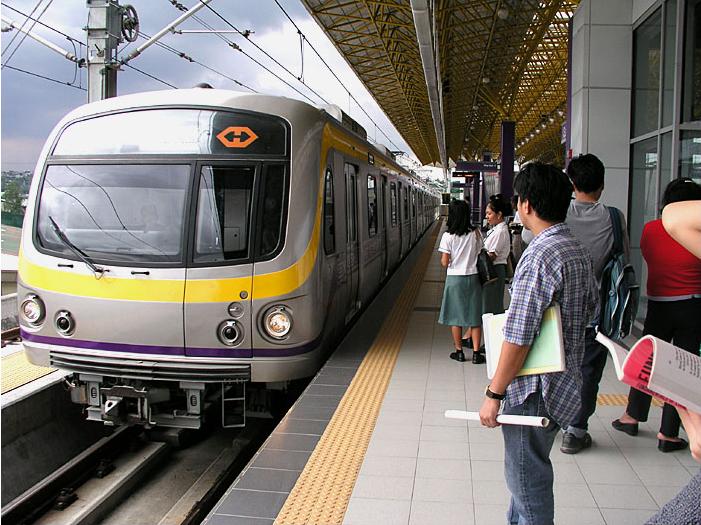
The LRT-2 Stations are among the most important urban transport corridors in Metro Manila, connecting the historic heart of the capital to the cool, scenic suburbs of Rizal. Officially known as Light Rail Transit Line 2—and commonly called the Purple Line—this elevated railway system stretches from Recto in Manila to Antipolo in Rizal, cutting across some of the most diverse neighborhoods in the metropolis.

More than just a commuter line, the LRT-2 route is a living cross-section of Metro Manila life. It passes through academic districts packed with universities, vibrant commercial zones filled with malls and markets, residential communities, tech hubs, riverside developments, and even gateways to mountain escapes. For students, it is a daily lifeline. For workers, it is a faster alternative to traffic. For travelers, it is an affordable way to explore the city’s cultural and social layers.
Unlike north–south train lines, the LRT-2 Stations run east to west, making them especially valuable for people moving between Manila, Quezon City, Marikina, Pasig, and Antipolo. Each station reflects the personality of its neighborhood—some bustling and chaotic, others peaceful and suburban, and a few surprisingly scenic.
This comprehensive guide to LRT-2 Stations is designed for both first-time riders and seasoned commuters. Inside, you’ll find everything you need to know: the complete route, fare system, ticket types, schedules, travel tips, and—most importantly—a detailed station-by-station breakdown featuring local food, cafés, landmarks, shopping areas, and neighborhood vibes. Whether you’re navigating Metro Manila public transport for the first time or planning a DIY urban adventure, this guide will help you ride smarter, explore deeper, and commute with confidence.
LRT-2 Route Overview
The LRT-2 route runs east–west from Recto Station in Manila to Antipolo Station in Rizal Province. Spanning approximately 17.6 kilometers, it crosses six key areas:
- Manila
- San Juan
- Quezon City
- Marikina
- Pasig
- Antipolo
This alignment makes LRT-2 especially valuable for cross-city travel. Instead of battling gridlock on major highways, commuters can rely on this elevated rail line for faster, more predictable journeys.
LRT 2 Route Map
LRT-2 Schedule & Operating Hours
Typical operating hours (subject to change):
- First train: Around 5:00 AM
- Last train: Between 9:30 PM and 10:30 PM
Peak hours:
- 7:00–9:00 AM
- 5:00–7:00 PM
During rush hours, trains usually arrive every 5–10 minutes.
LRT-2 Fare Guide & Ticket Prices
The LRT-2 fare system is distance-based, making it one of the most affordable transport options in Metro Manila.
Ticket Types
Stored Value Card (Beep Card)
- P14 minimum fare
- P33 maximum fare
- Reloadable
- Valid across LRT-1 Stations, LRT-2, and MRT-3
Single Journey Ticket (SJT)
- P15 minimum
- P35 maximum
- Valid for one ride only
Discounted Fares
Available for students, senior citizens, and PWDs (with valid ID).
Where to Buy Tickets
Tickets and Beep cards are available at:
- Ticket Vending Machines
- Station ticket counters
- Authorized Beep card retailers
Commuter Tips for Riding LRT-2
- Travel outside rush hours when possible
- Use a Beep card for faster entry
- Let passengers exit before boarding
- Stand behind the yellow safety line
- Keep backpacks in front during crowded rides
- Offer priority seats when needed
Complete LRT-2 Stations Guide
(Food, Cafés, Landmarks & Neighborhood Vibes)

1. Recto Station – Budget Shopping, Historic Streets & Street Food Capital
Neighborhood Vibe:
Recto is energetic, chaotic, colorful, and unapologetically urban. This is where commerce, religion, education, and street culture collide.
Best For:
- Budget shopping
- Street food crawl in Binondo
- Historic Manila
- Electronics
Nearby Landmarks:
Quiapo Church, Divisoria Market, San Sebastian Basilica, Escolta Street
Food Scene:
Kwek-kwek, fish balls, pares, mami, lumpia, siomai, carinderias
Cafés:
Budget coffee shops, milk tea stalls, internet cafés
2. Legarda Station – Academic Core & Old Manila Charm
Neighborhood Vibe:
Quiet, scholarly, and steeped in history.
Best For:
- Students
- Heritage walks
- Quiet cafés
Landmarks:
Malacañang Palace, Mendiola Peace Arch, San Beda University, St. Jude Shrine
Food:
Panciterias, bakeries, Filipino comfort food
Cafés:
Study cafés, small espresso bars
3. Pureza Station – Student Life & Affordable Living
Neighborhood Vibe:
Youthful, practical, and budget-friendly.
Best For:
- Cheap meals
- Boarding houses
- School supplies
Landmarks:
PUP, EARIST
Food:
Unli-rice meals, silog stalls, shawarma, Korean convenience food
Cafés:
24-hour cafés, study cafés
4. V. Mapa Station – Mall Access & Residential Calm
Neighborhood Vibe:
Balanced, relaxed, and family-friendly.
Best For:
- Mall trips
- Casual dining
- Errands
Landmark:
SM City Santa Mesa
Food:
Korean BBQ, ramen, and mall restaurants
Cafés:
Starbucks, CBTL, dessert cafés
5. J. Ruiz Station – Heritage & Slow Living
Neighborhood Vibe:
Quiet, suburban, and historic.
Best For:
- Cultural exploration
- Relaxed walks
Landmarks:
Pinaglabanan Shrine, San Juan City Hall, Greenhills
Food:
Classic Filipino eateries, bakeries
Cafés:
Local coffee shops
6. Gilmore Station – Tech Capital & Café Culture
Neighborhood Vibe:
Modern, trendy, youth-driven.
Best For:
- Gadgets
- PC builds
- Café hopping
Landmarks:
Gilmore IT Center, Robinsons Magnolia
Food:
Korean BBQ, ramen, and late-night diners
Cafés:
Specialty coffee, dessert cafés
7. Betty Go-Belmonte Station – Neighborhood Charm & Local Living
Neighborhood Vibe:
Quiet, community-focused, deeply local.
Best For:
- Local markets
- Churches
- Calm stays
Landmarks:
Cubao Cathedral, barangay parks
Food:
Carinderias, BBQ stalls, panaderías
Cafés:
Independent coffee shops, milk tea kiosks
8. Araneta Center–Cubao Station – Mega Malls, Events & Entertainment
Neighborhood Vibe:
Loud, dynamic, endlessly energetic.
Best For:
- Shopping
- Concerts
- Provincial travel Bus terminals
Landmarks:
Gateway Mall, Farmers Plaza, Smart Araneta Coliseum, SM Cubao
Food:
International cuisine, food courts, Korean BBQ, ramen
Cafés:
Starbucks Reserve, specialty cafés, study cafés
9. Anonas Station – Practical & Community-Oriented
Neighborhood Vibe:
Simple, functional, residential.
Best For:
- Hospital access
- Budget living
Landmarks:
World Citi Medical Center, TIP College
Food:
Silog meals, lugawan, street food
Cafés:
Study cafés, small espresso bars
10. Katipunan Station – Education, Youth & Coffee Culture
Neighborhood Vibe:
Youthful, intellectual, creative.
Best For:
- Students
- Café hopping
- Book lovers
Landmarks:
Ateneo, Miriam College, UP Town Center
Food:
Vegan cafés, Korean BBQ, ramen, brunch
Cafés:
Artisan coffee shops, aesthetic cafés
11. Santolan Station – Riverside & Family-Friendly Escapes
Neighborhood Vibe:
Suburban, open, relaxed.
Best For:
- Weekend trips
- Family outings
Landmarks:
SM City Marikina, Riverbanks Center, Shoe Museum
Food:
Buffets, casual dining, dessert cafés
Cafés:
Riverside cafés, mall cafés
12. Marikina–Pasig Station – Shopping & Suburban Comfort
Neighborhood Vibe:
Relaxed, practical, family-oriented.
Best For:
- Shopping
- Errands
- Movies
Landmarks:
Sta. Lucia East Grand Mall, Robinsons Metro East
Food:
Food courts, comfort food, Korean & Japanese
Cafés:
Mall cafés, dessert cafés
13. Antipolo Station – Nature, Art & Scenic Cafés
Neighborhood Vibe:
Cool, scenic, slow-paced.
Best For:
- Nature trips
- Art lovers
- Antipolo Weekend Escapes
Landmarks:
Antipolo Cathedral, Pinto Art Museum, Hinulugang Taktak, Cloud 9
Food:
Bulalohan, grill houses, view deck restaurants
Cafés:
Garden cafés, overlooking cafés
FAQs About LRT-2 Stations
How many LRT-2 stations are there?
There are 13 stations from Recto to Antipolo.
Is LRT-2 tourist-friendly?
Yes. It passes malls, cultural districts, and scenic spots.
Which stations connect to other train lines?
Recto -> LRT-1
Cubao -> MRT-3
Best stations for cafés?
Katipunan, Gilmore, Cubao, Antipolo
The LRT-2 Stations are more than just stops along a railway—they are living gateways into the many worlds that make up Metro Manila. From the historic streets of Recto to the misty hills of Antipolo, the LRT-2 route reveals how the city gradually transforms from dense urban chaos into relaxed suburban life—all within a single train ride.
Each station tells a story. Some are shaped by generations of students and scholars. Others pulse with commercial energy, tech culture, or weekend shoppers. A few lead to riverside promenades, creative spaces, or pilgrimage destinations. Together, they form a moving portrait of Filipino daily life—its rhythms, aspirations, struggles, and joys.
For commuters, mastering the LRT-2 system means saving time, money, and stress. For travelers, it offers a deeply local way to experience Metro Manila—far beyond the usual tourist routes. With its affordable fares, strategic connections, and ever-expanding reach, the LRT-2 remains one of the most people-centered transportation systems in the country.
By understanding the LRT-2 Stations, you don’t just learn how to get from point A to point B—you learn how neighborhoods connect, how cultures intersect, and how the city breathes. Whether you’re riding for work, school, shopping, or exploration, the LRT-2 is not just a train line—it is a moving map of Metro Manila’s everyday life.
Manila Travel Tour Packages You Should Try
Follow and subscribe to OutofTownBlog.com on Facebook, Twitter, Instagram, Pinterest, and YouTube for more Travel-related updates.