

 Melo Villareal
Myths About Flying People Think Are Real
Numerous myths have woven their way into everyday life, often accepted without question or skepticism. This phenomenon is particularly evident in the realm of air travel, where a variety of misconceptions continue to circulate among travelers. In this article, we’ll explore five common myths about air travel, shedding light on why these misconceptions are inaccurate and understanding the truths behind them.
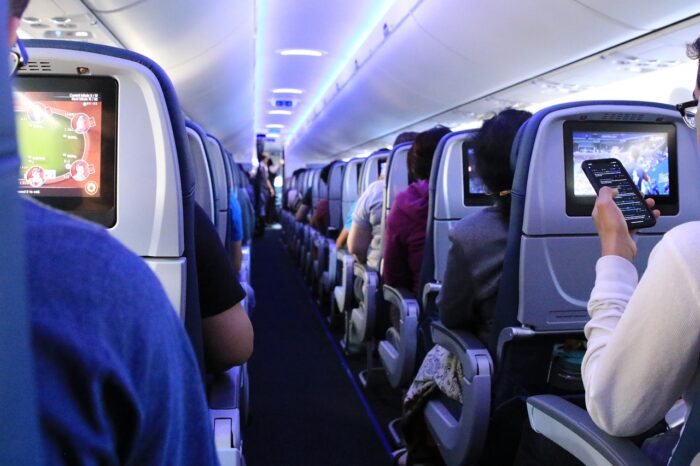
Opening a door during a flight is dangerous
While it might seem that opening a door during a flight could cause the cabin pressure to drop abruptly, it is, in fact, physically impossible for a human to do so.
This is because, at cruising altitude, the air pressure outside the aircraft is vastly lower than inside the cabin, creating a substantial force that prevents the door from being opened by anyone onboard.
When an aircraft reaches high altitudes, the pressure difference is so great that it acts as a strong seal, making it impossible for a person to force the door open.
Therefore, if you observe a passenger behaving oddly or strangely, there is no need to worry about them trying to open a door and causing harm to the aircraft, as long as they are human.
Only an external force or an extraordinary circumstance could overcome this pressure difference, which is practically impossible during normal operations.
A hole in the airplane
This concept is closely tied to the first myth and has been greatly sensationalized by Hollywood films. We’ve all seen scenes where a sudden hole appears in the side of an aircraft, and passengers are effortlessly sucked out into the sky, creating a dramatic and terrifying spectacle.
While such holes can indeed cause rapid decompression inside the cabin, the extreme effects depicted in movies are highly unlikely in reality.
For instance, when a hole developed in a Southwest Airlines flight, the decompression was immediate, but it did not result in the catastrophic disintegration or complete disassembly of the aircraft as often shown on screen.
Instead, the plane’s structure was designed to withstand such breaches to a certain extent, preventing the dramatic, destructive outcomes portrayed in movies.

Recirculated air can contaminate you
This myth has become widespread due to pandemic movies depicting viruses spreading rapidly across the globe, but it is incorrect.
Although the air inside airplanes is recirculated, it does not simply reuse the same air indefinitely; instead, it passes through multiple layers of high-efficiency filters, according to the manufacturers, comparable to hospital-grade filters.
Additionally, the cabin’s air is completely replaced every 2 to 3 minutes, meaning that fresh, clean air is continuously supplied to passengers. This process significantly reduces the risk of contamination, making air travel safer than many believe.
So, the next time you are on a flight, you can feel reassured that the environment is designed to minimize contamination and maintain a healthy atmosphere.
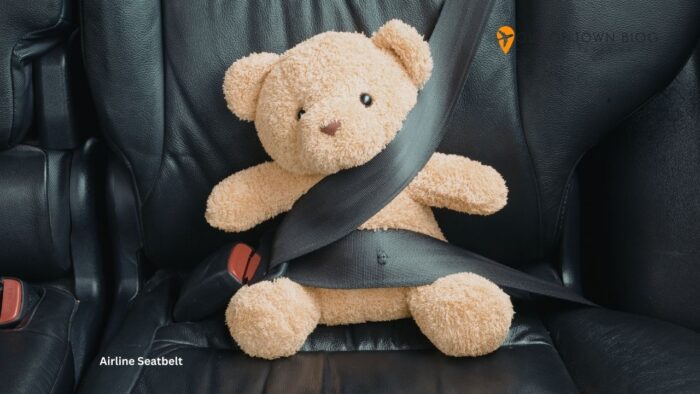
Seat Belts can prevent your escape
While it is true that wearing a seat belt might slightly impede your ability to escape quickly in the event of an accident, the numerous advantages of wearing one far outweigh this concern.
Just like in a vehicle, the seat belt acts as a vital safety feature that significantly reduces the risk of severe injury. In the case of a collision, it keeps you securely anchored in your seat, preventing you from being thrown violently forward or ejected from the vehicle, which could result in life-threatening injuries.
The belt also helps distribute the impact force across stronger parts of your body, such as your pelvis and chest, minimizing the likelihood of broken bones and internal injuries.
Therefore, it is crucial to always fasten your seatbelt before starting your journey, and you should do so confidently and without hesitation, trusting in its life-saving benefits.
Mobile phones are interfering with plane instruments
If electronic gadgets genuinely have the potential to interfere with the sophisticated communication and navigation systems onboard modern aircraft, then strict protocols should be enforced to prohibit all passengers from bringing or using devices such as mobile phones or iPads while on the plane.
Currently, it appears that passengers are being asked to turn off their mobile phones primarily to ensure they remain attentive during critical phases of the flight, such as takeoff, when passenger cooperation is crucial for safety.
This precaution aims to prevent electronic interference that could compromise the aircraft’s operational systems, although the necessity and severity of this measure remain a subject of debate.
Follow the Out of Town Travel Blog on Facebook, Twitter, Instagram, and Pinterest if you want more travel and food-related updates.
Read:
- Top Amazing Places You Need To Visit Before You Die – Part 1
- Travel Gadgets: The Ultimate Travel Checklist
- How to Travel in the Philippines Cheaply but Safely