

 Team Out of Town
Tioman Island Travel Guide: A deep, practical, and locally grounded guide to one of Southeast Asia’s last slow-travel islands
Tioman Island isn’t flashy—and that’s precisely why it feels so special. Floating off Malaysia’s east coast in the turquoise waters of the South China Sea, Tioman is a lush, jungle-clad island where village life, coral reefs, and rainforest still dictate the rhythm of the day. There are no mega-malls, no full-moon parties, and no traffic jams—just a handful of sleepy villages strung along the shore. Instead, you’ll find creaking wooden jetties, brightly painted fishing boats bobbing in clear water, monkeys padding silently across shaded village paths, and coral reefs so close to shore you can wade in and start snorkeling right from the beach.

Tioman Island Travel Guide
Once crowned one of the “Most Beautiful Islands in the World” by Time Magazine, Tioman has quietly resisted the trappings of mass tourism. In place of mega-resorts and crowded beach clubs, the island offers jungle-draped peaks, clear turquoise waters rich with marine life, and laid-back fishing villages where daily life moves at a gentle pace. It attracts travelers seeking unspoiled landscapes, cultural authenticity, and restorative calm rather than luxury glitz and high-energy nightlife.
Key Highlights
- Coral reefs accessible from the beach
- Excellent scuba diving and snorkeling
- Traditional Malay kampung villages
- Lush rainforest, waterfalls, and wildlife
- Eco-resorts and low-impact travel culture
This is an island where you disconnect to reconnect—to nature, to people, and to yourself.

Best Time to Visit (Very Important)
The best time to visit Tioman Island is from March to October, with peak season from April to October.
Why this period is ideal:
- Clear waters and calm seas – perfect for snorkeling and diving
- Sunny weather with less rainfall
- Better visibility for spotting marine life underwater
- Most resorts and facilities are fully operational
Driest month: August experiences the least rainfall, with around 114 mm of precipitation spread across 16 rainy days, making it particularly good for outdoor activities.
Monsoon season to avoid: The monsoon season runs from late November to February. During this time:
- High swells and rough seas
- Heavy rainfall and storms
- Many resorts close down
- Ferry services may be limited or suspended
For the best beach experience and water activities, aim for April to October, when conditions are most favorable, with calmer seas and clearer skies.
Pro Tip #1: Late September to early October is the sweet spot: fewer crowds, good weather, and discounted accommodation.
Travel Difficulty & Ideal Duration
- Difficulty: Moderate (planning ferries + weather awareness)
- Best duration:
- Minimum: 3 nights
- Ideal: 6–8 nights
- Slow travel lovers: 10–14 nights
Tioman rewards travelers who don’t rush.

Essential Travel Information
Visa & Entry Requirements
For Filipino Travelers
- Visa-free entry to Malaysia for up to 30 days
- Passport validity: minimum 6 months
- A return/onward ticket is sometimes requested
Other Nationalities
- Most ASEAN, EU, UK, US, Canada, Australia, NZ: 30–90 days visa-free
- Always confirm before flying
Arrival is via Kuala Lumpur, then overland + ferry.
Currency & Realistic Budget Breakdown
- Currency: Malaysian Ringgit (MYR)
- Cash is king on Tioman
- ATMs are limited (Tekek village only, sometimes offline)
Average Daily Budget (USD)
- Budget traveler: $40–60
- Mid-range traveler: $80–150
- Luxury traveler: $250–450
Typical Costs
- Local café meal: $3–6
- Resort restaurant meal: $12–25
- Snorkeling trip: $25–40
- Certified fun dive: $90–130
- Water taxi ride: $5–15
Marine Park Conservation Fee
To visit Tioman Island, all visitors must pay a Marine Park Conservation Fee, which funds the protection and maintenance of the surrounding marine park. The fee is RM15 for Malaysian citizens and RM30 for foreign visitors. In addition, there is a Tourism Promotion Fee of RM5 per person, applicable to both Malaysians and foreigners.
These charges are typically paid at the ferry terminal before departure from Mersing or other mainland jetties servicing Tioman Island. After payment, you may receive a receipt or tag to keep with you, as it may be checked upon arrival or during your stay on the island.
Marine Park Fees (Approximate):
- Malaysians: RM15 (Marine Park) + RM5 (Tourism Fee) = RM20.
- Foreigners: RM30 (Marine Park) + RM5 (Tourism Fee) = RM35.
Note: Some sources list slightly different rates or combined fees; check at the terminal.
Pro Tip #2: Bring enough cash for at least 4–5 days. Ferry delays due to weather are common.
Language & Communication
- Main language: Bahasa Malaysia (Malay)
- English: Widely spoken in resorts and dive shops
- Chinese dialects: Common among business owners
Useful phrases:
- Hello / Welcome: Selamat datang
- Thank you: Terima kasih
- Delicious: Sedap!
- How much?: Berapa harga?
Wi-Fi is available, but slow and unreliable. Mobile data is decent in villages and weaker on remote beaches.
Transportation: Getting There & Around
Step-by-Step: How to Get to Tioman
- Fly into Kuala Lumpur International Airport (KUL)
-
From Kuala Lumpur, there are two main routes to reach Tioman Island, both involving an overland journey followed by a ferry crossing:
Route 1: Via Mersing Jetty (Most Common)
Overland to Mersing:
- By Bus: Direct coaches from Singapore or Kuala Lumpur to Mersing town
- By Car/Taxi: Drive or hire private transport to Mersing (about 4-5 hours from Singapore, 5-6 hours from KL)
Ferry from Mersing:
- Multiple daily departures to Tioman Island
- Journey takes approximately 2-3 hours, depending on sea conditions
- Ferries operate from early morning to afternoon
Route 2: Via Tanjung Gemok/Teluk Gading Jetty
Overland to Tanjung Gemok:
- Located north of Mersing, closer to Kuala Lumpur
- Accessible by car or bus
Ferry from Tanjung Gemok:
- Faster crossing time (about 1.5 hours)
- Fewer daily departures compared to Mersing
- Better option if coming from Kuala Lumpur
From Singapore Specifically:
- Take a bus or private car to either Mersing or Tanjung Gemok (3-4 hours)
- Board the ferry to Tioman Island
- Total journey time: 6-8 hours, depending on connections
Important: Book ferry tickets in advance during peak season and check weather conditions, especially during monsoon months, when services may be disrupted.
Seasonal Option:
- Direct flights from Subang Airport (limited seats, weather-dependent)
Getting Around Tioman
Tioman Island is not fully connected by roads, which makes travel quite different from that on the mainland. Here are your main transportation options:
By Boat (Most Common)
Sea Taxis/Water Taxis:
- The primary way to travel between different beaches and villages
- Boats connect popular spots like Salang, Air Batang (ABC), Tekek, Genting, Paya, and Juara
- Can be hired for private trips or join shared boats
- Essential since many areas have no road access
When to use: To reach beaches and villages in different parts of the island, especially the more remote ones.
On Foot
Walking/Hiking:
- Several jungle trails connect certain villages
- Popular trek: ABC to Tekek (about 1 hour)
- Cross-island jungle trail from Tekek to Juara (2-3 hours)
- Suitable for shorter distances within the same village area
When to use: Exploring your immediate area or for adventure/nature walks.
By Vehicle (Limited)
Motorcycles/Scooters:
- Can be rented in some villages like Tekek
- The limited road network connects only Tekek, the airport, and a few nearby areas
- Not helpful in reaching most beaches
Bicycles:
- Available for rent in some areas
- Only practical within villages or on the limited paved roads
Key Tips:
- Plan ahead – boat schedules can be irregular
- Negotiate prices for private boat charters
- Pack light if you plan to walk between villages
- Most resorts can arrange boat transfers for you
Top Attractions & Experiences
Top Beaches & Villages

1. Salang Beach
Salang Beach is a vibrant and popular destination located on the northern tip of Tioman Island’s west coast. Nestled in a secluded bay, this beach attracts a youthful, international crowd of backpackers and divers who are drawn to its lively social atmosphere. The beach features powdery white sand fringed with swaying palm trees and crystal-clear turquoise waters that merge seamlessly with the South China Sea.
What sets Salang apart from other beaches on Tioman is its excellent snorkeling and diving, with colorful coral reefs just a short swim from shore. The village itself is well-developed with numerous budget accommodations, restaurants serving local and international cuisine, and dive shops offering PADI courses and guided excursions.
Unlike other quieter spots on the island, Salang provides a semblance of nightlife with beachfront bars where travelers gather to socialize over drinks. The beach has its own ferry pier, making it easily accessible from the mainland.
2. Air Batang (ABC Village)
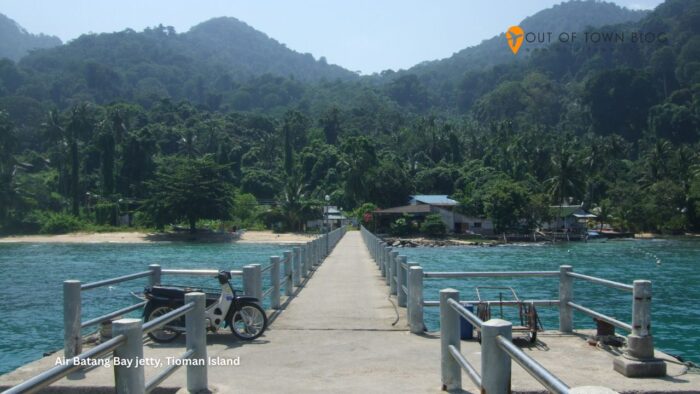
Air Batang, affectionately known as ABC Village, is a charming beachside settlement on the west coast of Tioman Island, located just north of Tekek. This traditional village has long been a favorite among budget travelers and backpackers seeking an authentic, laid-back island experience. The beach stretches along a picturesque coastline dotted with rustic chalets, guesthouses, and small resorts that blend into the tropical surroundings.
ABC offers a perfect balance of tranquility and convenience, with a relaxed atmosphere that never feels crowded or isolated. The village features a mix of local and traveler-friendly restaurants, dive centers, and small shops lining the beachfront. Snorkeling enthusiasts can explore nearby coral gardens teeming with colorful fish and marine life.
The locals are known for their warmth and hospitality, fostering a welcoming community. With its affordable accommodation options, beautiful natural setting, and easy ferry access, Air Batang remains one of Tioman’s most beloved destinations for those seeking genuine island charm.
3. Tekek Village
Tekek is the largest and most developed village on Tioman Island, serving as the island’s administrative and commercial center. Located on the west coast, Tekek spans a three-kilometer stretch of coastline and serves as the main gateway for visitors arriving by ferry or plane, with a small airstrip.
Unlike the rustic charm of other villages, Tekek offers modern amenities, including the island’s only bank with ATM services, a medical clinic, a police station, and duty-free shops. The village is home to the upscale Berjaya Tioman Resort, which dominates much of the beachfront alongside more modest guesthouses and local eateries. Tekek’s Marine Park Centre provides educational exhibits about the island’s marine ecosystem and conservation efforts.
While the beach itself is pleasant with golden sand and calm waters, it’s less pristine than more remote locations due to higher development and boat traffic from the busy jetty complex. Despite being more commercialized, Tekek remains an essential hub offering practical services and conveniences that support tourism across the entire island.
4. Juara Beach
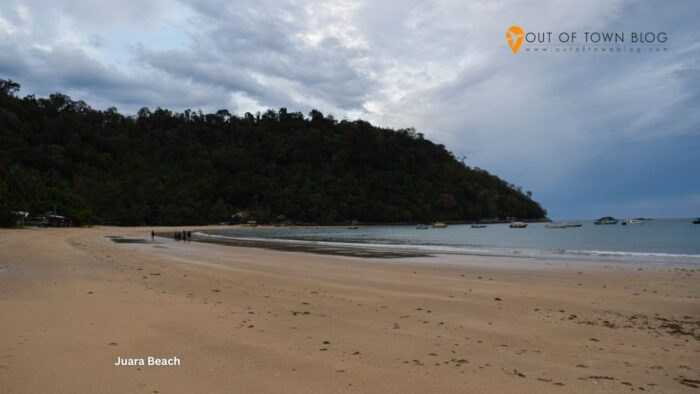
Juara Beach is a stunning two-kilometer stretch of golden sand on the tranquil east coast of Tioman Island, offering a distinct atmosphere from the busier west coast villages. This secluded paradise faces the open South China Sea, providing spectacular sunrise views that paint the sky in brilliant oranges and pinks each morning.
Juara is the only developed sandy beach on the island’s eastern side, accessible either by a scenic jungle trek from Tekek or by boat around the island. The village maintains a peaceful, off-the-beaten-path vibe with a handful of small resorts and guesthouses scattered along the beachfront. Juara is recognized as a key sea turtle nesting site, where green and hawksbill turtles come ashore to lay their eggs, making it a significant conservation area.
The beach offers excellent surfing opportunities during the right season when waves roll in from the open ocean. With fewer tourists, limited development, and unspoiled natural beauty, Juara attracts travelers seeking serenity and authentic island solitude.

5. Paya Beach
Paya Beach is a pristine tropical paradise on the central west coast of Tioman Island, nestled within the protected marine park. This idyllic beach features powdery white sand, towering palm trees, and lush jungle vegetation that provide ample natural shade.
What makes Paya truly exceptional is its remarkably clear turquoise waters and thriving coral reefs located just meters from shore, making it one of the best snorkeling spots on the entire island. The marine life here is abundant and diverse, with schools of colorful tropical fish, sea turtles, and vibrant coral formations easily visible in the shallow waters.
Paya Beach is home to the well-established Paya Beach Spa & Dive Resort, which offers full-service amenities while maintaining the area’s natural tranquility. The village is quieter and more family-friendly compared to the backpacker hubs of Salang and ABC, attracting visitors who prioritize pristine natural beauty and excellent underwater experiences. Its central location makes it a popular day-trip destination for snorkelers and divers staying elsewhere on the island.
Natural Attractions

6. Coral Island (Pulau Tulai)
Coral Island, known locally as Pulau Tulai, is a small uninhabited island located approximately eight nautical miles north of Tioman Island’s west coast, visible from Salang Village. This tiny tropical gem is surrounded by some of the most spectacular coral reefs in the region, earning its popular English name.
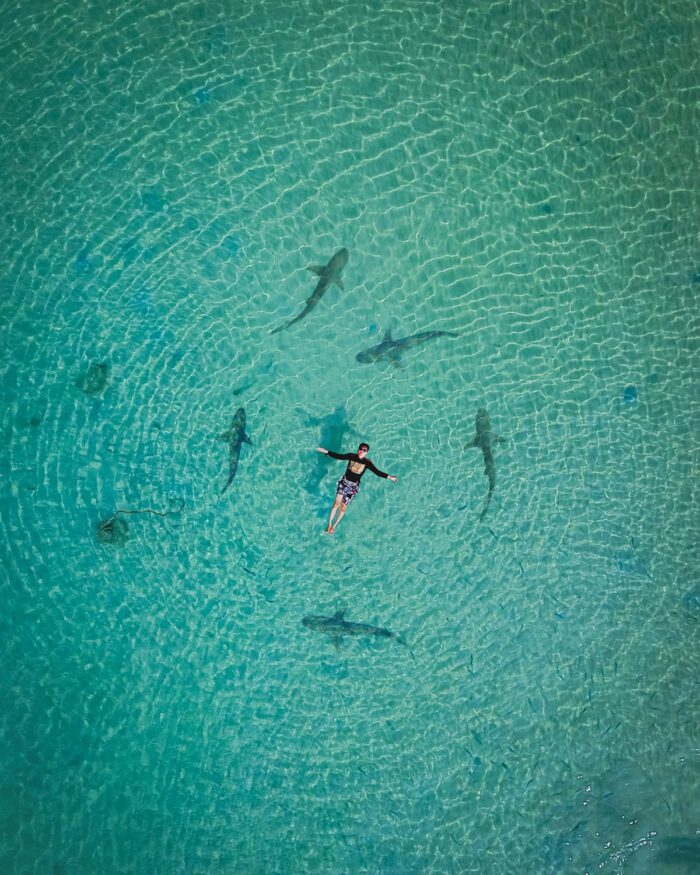
The island features pristine white sandy beaches that encircle its perimeter, fringed by crystal-clear turquoise waters that offer exceptional visibility for underwater exploration. Coral Island is a premier destination for snorkelers and divers seeking to experience vibrant marine ecosystems teeming with colorful reef fish, sea turtles, rays, and occasionally reef sharks. The shallow coral gardens near shore make it accessible to beginners, while the surrounding deeper waters attract experienced divers.
As an uninhabited island with no facilities or development, visitors must bring their own supplies and typically arrive via organized day trips or chartered boats from nearby villages. The pristine natural beauty and thriving underwater world make Coral Island a must-visit for anyone visiting Tioman.
7. Asah Waterfall
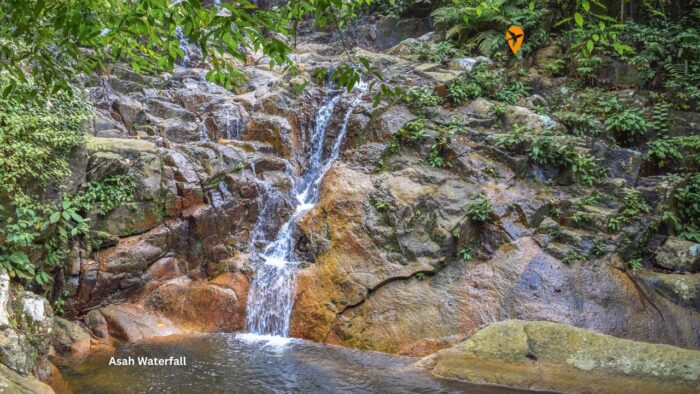
Asah Waterfall is the tallest and most famous waterfall on Tioman Island, located near the remote village of Mukut in the southern region of the island. This stunning natural cascade plunges dramatically from the surrounding granite cliffs into a refreshing freshwater pool below, creating a picturesque oasis surrounded by dense tropical rainforest.
The waterfall is accessible via a moderately challenging jungle trek from Mukut village, requiring visitors to navigate through lush vegetation and rocky terrain for approximately thirty to forty minutes. The crystal-clear pool at the base is perfect for swimming and provides a cool respite from the tropical heat after the hike. Massive granite slabs frame the waterfall, creating natural seating areas where visitors can relax and enjoy the serene jungle ambiance.
Due to its remote location in the less-visited southern part of the island, Asah Waterfall attracts fewer tourists than coastal attractions, offering a more intimate nature experience. Most visitors reach this hidden gem via organized boat tours that combine sea travel with jungle trekking adventures.

8. Monkey Beach
Monkey Beach is a secluded and beautiful cove located on the northwest coast of Tioman Island, just beyond Salang Village. This small, pristine beach features soft golden sand surrounded by lush rainforest that descends directly to the water’s edge.
True to its name, the beach is regularly visited by wild monkeys and monitor lizards emerging from the jungle, providing exciting wildlife encounters, though visitors should guard their belongings carefully. Accessible via a forty-minute jungle trek from Salang or a quick five-minute boat ride, Monkey Beach offers crystal-clear waters and excellent snorkeling with vibrant coral reefs just offshore.
The calm, protected bay is perfect for swimming and underwater exploration. With no permanent structures or development, this hidden gem maintains its wild, unspoiled character, attracting adventurous travelers seeking authentic nature experiences away from busier beaches.
Activities & Experiences
9. Marine Park
The Marine Park in Tioman Island offers visitors a wealth of activities centered around exploring and learning about the island’s rich underwater ecosystem. Snorkeling is the primary attraction, with designated protected areas featuring shallow coral gardens teeming with colorful tropical fish, sea turtles, and various marine species in crystal-clear waters.
Scuba diving excursions allow more experienced explorers to venture deeper and encounter larger marine life, including reef sharks and rays. The Marine Park Information Centre near Tekek features educational exhibits, coral displays, informative videos, and detailed information on the diverse flora and fauna inhabiting these protected waters.
Visitors can participate in guided snorkeling tours led by knowledgeable local guides who help identify marine species and explain conservation efforts. Glass-bottom boat tours allow non-swimmers to observe aquatic life without getting wet, making the marine park accessible to all ages and skill levels.
10. Jungle Trekking
Jungle trekking in Tioman Island offers several exciting trails that wind through the island’s pristine tropical rainforest. The most popular cross-island trek connects Tekek Village to Juara Beach on the east coast, taking approximately two to three hours through dense jungle with stunning views and diverse wildlife, including monkeys and exotic birds.
Another scenic trail links Air Batang (ABC) to Tekek, offering a shorter one-hour hike suitable for beginners. For more adventurous trekkers, the trail from Mukut Village to Asah Waterfall provides a challenging route through dense rainforest. The Salang to Monkey Beach route features a moderate 40-minute jungle path along the northwest coast.
The island’s central highlands offer several unmarked trails for experienced hikers seeking to explore deeper wilderness areas, though hiring a local guide is highly recommended for safety and navigation through dense tropical vegetation.
Best Overall: For most visitors, staying in ABC or Salang and taking boat trips to Paya Beach and Coral Island offers the best mix of convenience and spectacular underwater experiences.
Local Secret #3: Snorkel at house reefs early morning (7–9 AM). Visibility is best, and you’ll often have the reef to yourself.
Unique Experiences You Won’t Find Elsewhere
- Night snorkeling with glowing plankton ($30–40)
- Jungle night walks spotting slow loris and flying lemurs
- Village fishing trips with local families
- Ramadan evenings with communal village dinners
Best Photography & Instagram Spots
- Tekek Jetty at sunrise
- Juara Beach misty mornings
- Japamala’s cliffside villas
- Wooden jetties at Salang during golden hour
Accommodation Recommendations
Budget-Friendly ($50–100/night)
- Nazri’s Place (Salang) – Beachfront, social, includes meals
- B&J Chalet (ABC Beach) – Simple, central, friendly staff
- Juara Mutiara Resort – Quiet beach vibes
Mid-Range ($100–250/night)
- Berjaya Tioman Resort – Forest-meets-beach setting, golf course
- Paya Beach Spa & Dive Resort – Family-friendly, dive packages
- Aguna Resort (Salang) – Comfortable, diver-focused
Luxury & Eco-Luxury ($250+/night)
- Japamala Resort – No TVs, no crowds, pure eco-luxury
- Tunamaya Beach & Spa Resort – Elevated villas, panoramic views
Alternative Stays
- Village guesthouses: $25–40/night
- Homestays in Juara & Tekek
- Long-stay discounts (weekly/monthly) available
Sustainable Travel Tip: Choose resorts that minimize plastic, support reef conservation, and employ local staff.
Food & Dining Guide
Must-Try Local Dishes
- Ikan Bakar – Grilled fish with sambal ($6–10)
- Nasi Lemak – Coconut rice classic ($2–4)
- Seafood Tom Yam – Spicy and sour ($5–8)
- Roti Canai – Breakfast staple ($1–2)
Recommended Restaurants
- Mama’s Restaurant (ABC Beach) – Western & Asian comfort food
- Salang Sayang Café – Fresh seafood, sunset views
- Beach Bar Juara – Chill, vegetarian-friendly
- Delima Café (Tekek) – Authentic local cooking
Street Food & Safety
- Eat where locals eat
- Avoid seafood sitting unrefrigerated midday
- Bring stomach meds just in case
Dietary Needs
- Halal food everywhere
- Vegetarian options common
- Vegan available but limited—communicate clearly
Local Culture & Etiquette in Tioman Island, Malaysia
Tioman Island is part of Malaysia, a multicultural nation where Malay, Chinese, and Indian communities coexist. Understanding local customs and etiquette will enhance your experience and show respect to the island’s residents.
Dress Modestly
Beach Areas:
- Swimwear is acceptable on beaches and at resort pools
- Cover up when leaving the beach to visit villages or shops
- Avoid walking through villages in bikinis or shirtless
Villages & Public Spaces:
- Wear clothing that covers shoulders and knees
- Women should avoid revealing or tight-fitting clothes
- Men should wear shirts when away from beach areas
Religious Respect
Islam is Predominant:
- Tioman’s local population is primarily Malay Muslim
- Remove shoes before entering mosques or homes
- Dress conservatively when visiting religious sites
- Be mindful during prayer times, especially Friday prayers
- Avoid eating, drinking, or smoking in public during Ramadan daylight hours
Social Etiquette
Greetings:
- A smile and a slight nod are universally appreciated
- Handshakes are common, but wait for locals to extend their hand first
- Some Muslim women may not shake hands with men
Pointing & Gestures:
- Never point with your index finger; use your thumb or open palm instead
- Avoid touching anyone’s head, as it’s considered sacred
- Use your right hand for giving, receiving, or eating
- The left hand is considered unclean in Muslim culture
Public Behavior:
- Public displays of affection should be minimal
- Keep voices moderate; loud behavior is considered rude
- Remove shoes before entering homes or certain establishments
Dining Etiquette
At Local Restaurants:
- Wait to be seated or ask where to sit
- If eating with hands (traditional Malay style), use only your right hand
- It’s polite to try local dishes if offered
- Tipping is not mandatory but appreciated for good service
Alcohol:
- Alcohol is available at resorts and some restaurants
- Don’t drink openly in predominantly Muslim villages
- Never offer alcohol to local Muslims
Photography
- Always ask permission before photographing locals, especially women
- Be respectful when taking photos near mosques or during prayers
- Avoid photographing people in private or vulnerable situations
Environmental Respect
Marine Park Rules:
- Don’t touch or stand on coral reefs
- Don’t feed fish or disturb marine life
- Take all trash with you; littering is strictly prohibited
- Follow designated snorkeling and diving areas
Wildlife:
- Don’t feed monkeys or other wild animals
- Keep a respectful distance from wildlife
- Don’t disturb turtle nesting sites
Language Tips
- Learn basic Malay phrases like “Terima kasih” (Thank you) and “Maaf” (Sorry/Excuse me)
- English is widely spoken in tourist areas
- Locals appreciate any effort to talk to Bahasa Malaysia
General Tips
- Bargaining is acceptable at local shops, but be respectful and fair
- Shoes off: Remove footwear when entering homes and some guesthouses
- Be patient; island life moves at a slower, relaxed pace
- Show respect to elders in the community
By observing these cultural norms and respecting local traditions, you’ll have a more enriching experience and contribute positively to the island’s welcoming atmosphere.

Practical Tips & Safety
Health & Safety
- Small clinics only (Tekek)
- No hospital—serious cases go to the mainland
- Travel insurance is essential
What to Pack
- Reef-safe sunscreen
- Dry bag
- Cash
- Lightweight rain jacket
- Insect repellent
Money-Saving Tips
- Book snorkeling directly with operators
- Eat at village cafés
- Travel shoulder season
Emergency Contacts
- Police & emergency: 999
- Tekek Health Clinic: Available daytime
Suggested Tioman Island Itineraries
3-Day Express Escape
Day 1: Arrival, beach sunset, seafood dinner
Day 2: Snorkeling tour + night walk
Day 3: Waterfall trek, departure
7-Day Ideal Tioman Experience
- Days 1–2: ABC Beach & house reef snorkeling
- Days 3–4: Diving in Salang
- Day 5: Jungle trek & waterfall
- Days 6–7: Juara Beach, turtle project, slow living
Off-the-Beaten-Path Route
- Base yourself in Juara
- Walk village trails
- Fish with locals
- Sunrise hikes and empty beaches
Final Thoughts: Why Tioman Still Feels Like a Secret
Tioman Island isn’t trying to impress you—and that’s exactly what makes it unforgettable.
Here, nature comes first. Jungle-covered hills slide into clear, still water, wooden houses rest quietly along the shoreline, and nights are lit more by stars than streetlights. Life moves with the tides, not the clock, and the island asks you to do the same. The air smells of salt and damp earth, and the sounds of waves and cicadas drown out any hint of rush.
On Tioman, travelers are guests, not consumers. If you’re willing to slow down, listen more than you speak, respect local culture, and travel responsibly, the island offers something rare in today’s world: a place that still feels unpolished, unhurried, and profoundly real.
Come for the reefs. Stay for the stillness. Leave with a softer pace of mind—and the quiet urge to return.
Kuala Lumpur Travel Tour Packages You Should Try
Follow and subscribe to OutofTownBlog.com on Facebook , Twitter, Instagram, Pinterest, and YouTube for more Travel-related updates.
Read: