

 Melo Villareal
Travel Guide to Kuala Lumpur: The Ultimate Insider’s Handbook to Malaysia’s Dazzling Capital
If you’re searching for a destination that blends modern Asia with deep-rooted tradition, this Kuala Lumpur Travel Guide is your perfect starting point. In Kuala Lumpur, futuristic skyscrapers stand beside historic mosques, Chinese temples, and colonial-era buildings. The Malaysian capital is a cultural crossroads shaped by Malay, Chinese, Indian, and indigenous influences, making it one of Southeast Asia’s most diverse cities.

Kuala Lumpur Travel Guide
Kuala Lumpur, often called “KL” by locals, is more than a stopover hub. It is rich in flavors, stories, and experiences. From savoring smoky char kway teow in a hawker stall to admiring the Petronas Twin Towers at sunset, every day here feels meaningful. Wander through bustling night markets, explore rainforest reserves minutes from downtown, or relax in world-class malls and cafés.
KL stands out for its balance of comfort and authenticity. English is widely spoken, transportation is efficient, and prices are affordable. First-time visitors find it easy to navigate, while returning travelers discover new neighborhoods, cafés, and cultural spaces each time.
This Kuala Lumpur Travel Guide helps you experience the city like a knowledgeable local friend: confidently, respectfully, and with curiosity.
Destination Overview
A City That Never Stops Evolving
Kuala Lumpur deserves a place on every traveler’s bucket list for blending modern skyscrapers, rich cultural heritage, and world-famous street food. Here, you experience iconic landmarks like the Petronas Twin Towers, diverse neighborhoods, luxury hotels, and vibrant night markets.
This dynamic Malaysian capital offers excellent transportation, English-friendly communication, and budget-friendly prices, making Kuala Lumpur ideal for first-time visitors and seasoned explorers.
Best Time to Visit
The best times to visit Kuala Lumpur are December to February and May to July, when drier weather makes sightseeing more enjoyable.
Best Seasons for Kuala Lumpur Travel
| Season | Months | Weather | Crowd Level | Prices | Best For |
|---|---|---|---|---|---|
| Peak Season | December – February | Mostly dry, warm | High | High | Sightseeing, festivals, first-time visitors |
| Best Value Season | May – July | Relatively dry, humid | Moderate | Moderate | Budget travelers, city exploration |
| Rainy Season | March – April | Frequent showers | Low | Low | Indoor activities, shopping, food trips |
| Wet Season | September – November | Heavy rainfall | Low | Lowest | Budget travel, fewer tourists |
Recommendation
For the best experience, visit Kuala Lumpur in January–February or June–July for good weather, manageable crowds, and great sightseeing.
Pro Tip: Rain usually comes as brief afternoon showers. Use this time for indoor activities or cafés, then continue sightseeing once it passes.
Travel Difficulty and Recommended Duration
- Difficulty Level: Easy
- Ideal Stay: 4–6 days
- Extended Stay: 7–10 days (with day trips)
Kuala Lumpur is ideal for solo travelers, families, couples, digital nomads, and first-time visitors to Southeast Asia.
Essential Travel Information
Visa Requirements and Entry
For Filipino Travelers
- Visa-free entry for up to 30 days
- Passport valid for at least six months
- Return or onward ticket
- Proof of accommodation
For Other Nationalities
- Most ASEAN, EU, US, UK, Australia: 30–90 days visa-free
- China and India: eVisa available
Entry procedures include fingerprint scanning and occasional online arrival forms.
Currency and Budget Expectations
Currency: Malaysian Ringgit (MYR / RM)
Approximate rate: USD 1 = RM 4.6
Daily Budget (USD)
- Budget: $40–60
- Mid-range: $80–150
- Luxury: $200+
Average Costs:
- Street food: $2–4
- Café meal: $6–10
- Grab ride: $2–6
- Museum or attraction: $5–30
- Coffee: $2–4
Pro Tip: Exchange money at major malls like Pavilion or Mid Valley for better rates.
Language and Communication
Official Language: Bahasa Malaysia
Widely spoken: English, Mandarin, Cantonese, Tamil
Useful Phrases:
- Hello: Hai
- Thank you: Terima kasih
- Sorry: Maaf
- Yes/No: Ya / Tidak
Local SIM cards cost $8–15 and offer fast internet coverage.

How to Get to Kuala Lumpur
By Air (Most Common and Convenient Way)
The main gateway is Kuala Lumpur International Airport (KLIA), one of Southeast Asia’s busiest hubs.
Major Airlines Flying to Kuala Lumpur
- Malaysia Airlines
- AirAsia
- Singapore Airlines
- Emirates
- Qatar Airways
- Cathay Pacific
- Cebu Pacific (from the Philippines)
Popular Routes
- From the Philippines: 3.5–4 hours (direct flights from Manila, Cebu)
- From Singapore: 1 hour
- From Bangkok: 2 hours
- From Australia: 6–8 hours
- From Europe/Middle East: 10–14 hours
From KLIA to City Center
| Transport | Time | Cost (USD) | Best For |
|---|---|---|---|
| KLIA Express Train | 28 minutes | $13 | Fastest option |
| Grab (Ride-Hailing) | 45–60 min | $15–25 | Convenience |
| Airport Bus | 60–90 min | $3 | Budget travelers |
| Taxi | 45–60 min | $20–30 | Late-night arrivals |
Pro Tip: KLIA Express is the fastest way to reach downtown Kuala Lumpur (KL Sentral Station).
By Land (From Neighboring Countries)
From Singapore
- Bus: 5–6 hours, $8–15
- Train: Via Johor Bahru, $10–20
- Private Car: 4–5 hours (traffic dependent)
Popular bus companies: Aeroline, KKKL, Transtar
From Thailand
- Train from Hat Yai to Butterworth, then to KL
- Bus: 10–12 hours
By Train (Regional Travel)
Kuala Lumpur’s main station is KL Sentral, connecting major Malaysian cities and Singapore.
Popular Routes:
- Penang to KL: 4–5 hours
- Ipoh to KL: 2–3 hours
- Singapore to KL: 7–9 hours
Operator: KTM Intercity and ETS
By Bus (Budget-Friendly Option)
Long-distance buses connect KL with most cities in Malaysia and Singapore.
Main Terminals:
- TBS (Terminal Bersepadu Selatan) – Main hub
- Hentian Duta
- Pudu Sentral
Average Cost:
- Within Malaysia: $5–12
- From Singapore: $8–15
By Sea (Limited Option)
Ferries from Indonesia (Batam, Sumatra) connect to Malaysian ports, then continue by land to KL. This option is less common and slower.
Best Way to Reach Kuala Lumpur (Summary)
| Traveler Type | Recommended Option |
|---|---|
| International Visitors | Direct flight to KLIA |
| Budget Travelers | Bus or AirAsia flight |
| From Singapore | Bus or Train |
| Fastest | KLIA Express + Flight |
| Most Comfortable | Full-service airline + Grab |
Insider Tip
Book flights arriving at KLIA (not KLIA2) for quicker immigration and easier transfers. Both are connected, but KLIA is usually less crowded.
Getting Around Kuala Lumpur: Transportation Guide for Travelers
Kuala Lumpur has one of Southeast Asia’s most efficient and affordable public transportation systems. Whether you prefer trains, ride-hailing apps, or walking, getting around the city is easy, safe, and budget-friendly.
1. MRT, LRT, and Monorail (Best for Tourists)
Kuala Lumpur’s rail network covers most major attractions and business districts.
Main Rail Systems
- MRT (Mass Rapid Transit)
- LRT (Light Rail Transit)
- KL Monorail
- KTM Komuter (Suburban trains)
Popular Stations for Tourists
- KL Sentral – Main transport hub
- KLCC – Petronas Twin Towers
- Bukit Bintang – Shopping and nightlife
- Pasar Seni – Chinatown and Central Market
Cost: $0.50–$2 per ride
Operating Hours: 6:00 AM – 12:00 AM (varies by line)
Why Use Trains
- Avoid traffic
- Air-conditioned
- Reliable schedules
- Easy signage in English
Pro Tip: Buy a Touch ‘n Go card for faster entry and discounted fares.
2. Grab (Ride-Hailing App) – Most Convenient Option
Grab is the most popular ride-hailing service in Kuala Lumpur and works like Uber.
Why Use Grab
- Fixed pricing
- Cashless payment
- Safe and regulated
- Available 24/7
Typical Fare
- Short trips: $2–4
- Airport to city: $15–25
Best for late-night travel, families, and door-to-door convenience.
3. Taxis
Metered taxis are available, but Grab is usually more reliable.
Tips
- Always ask for the meter
- Avoid unmarked taxis
- Use official taxi counters at airports
4. Buses (Cheapest Option)
RapidKL buses cover most of the city.
Free Bus Service
- GoKL City Bus (Purple, Green, Red, Blue routes)
- Free for everyone
- Covers KLCC, Bukit Bintang, Chinatown, and business districts
Paid Buses
- RapidKL
- Cost: $0.50–$1
Pro Tip: Use Google Maps to track GoKL bus routes in real time.
5. Walking (Best in Central Areas)
Walking is practical in areas like:
- KLCC
- Bukit Bintang
- Chinatown
- Bangsar
Covered walkways connect KLCC to Bukit Bintang, making walking comfortable even in hot weather.
Note: Outside central zones, sidewalks may be limited.
6. Cycling and Scooters (Limited Use)
Public bike-sharing services exist but are limited. Due to traffic and heat, cycling is not popular among tourists.
7. Renting a Car (Not Recommended for Most Visitors)
Driving in Kuala Lumpur can be stressful due to:
- Heavy traffic
- Complex road systems
- Limited parking
Car rental: $30–60 per day
Best only for day trips outside the city.
Transportation Comparison Table
| Mode | Cost | Convenience | Best For |
|---|---|---|---|
| MRT/LRT/Monorail | Low | High | Sightseeing, daily travel |
| Grab | Medium | Very High | Comfort, late nights |
| GoKL Bus | Free | Medium | Budget travelers |
| Taxi | Medium | Medium | Backup option |
| Walking | Free | Medium | Central districts |
| Rental Car | High | Low | Day trips |
Travel Tips for Getting Around Kuala Lumpur
- Download Grab and Google Maps before arrival
- Keep small cash for buses and small vendors
- Avoid rush hours (7–9 AM, 5–7 PM)
- Use KL Sentral as your main transfer hub
- Take trains during rainstorms to avoid traffic delays
Insider Tip
Combine trains and Grab for the best experience: use MRT/LRT for long distances and Grab for short “last-mile” trips. This saves time and money while keeping your trip stress-free.
Pro Tip: Purchase a Touch ‘n Go card for seamless travel.
Top Attractions and Experiences
Five Must-See Landmarks

Petronas Twin Towers (KLCC)
The Petronas Twin Towers, located in the Kuala Lumpur City Centre (KLCC) district along Jalan Ampang, are Malaysia’s most iconic landmark and a symbol of the city’s modern identity. Standing at 452 meters, these twin skyscrapers feature a skybridge and observation deck offering panoramic views of Kuala Lumpur’s skyline.
Visitors can explore Suria KLCC shopping mall, relax at KLCC Park, dine in nearby restaurants, and enjoy evening fountain shows. To get there, take the LRT Kelana Jaya Line to KLCC Station, use Grab, or walk from Bukit Bintang via the covered pedestrian walkway.

Batu Caves
Batu Caves is one of the most famous cultural and religious landmarks in Kuala Lumpur, located about 13 kilometers north of the city center in Gombak, Selangor. This limestone hill features a series of caves and Hindu temples, highlighted by a massive golden statue of Lord Murugan and a colorful staircase with 272 steps.
Visitors can explore the main Cathedral Cave and smaller shrine caves and enjoy panoramic views from the top. Batu Caves is especially lively during the Thaipusam festival. It is easily reached by KTM Komuter from KL Sentral, or by Grab or taxi.

Merdeka Square
Merdeka Square, also known as Dataran Merdeka, is a historic landmark located in the heart of Kuala Lumpur, near Jalan Raja and opposite the Sultan Abdul Samad Building. This is where Malaysia declared independence in 1957, making it an important cultural and national symbol.
Visitors can admire colonial-era architecture, take photos with the world’s tallest flagpole, and relax on the wide green lawn. Nearby attractions include the National Textile Museum and Masjid Jamek. To get there, take the LRT to Masjid Jamek or Pasar Seni Station, then walk for about 5 minutes.

Thean Hou Temple
Thean Hou Temple is a striking hilltop Chinese temple located in Robson Heights, about 15 minutes from Kuala Lumpur city center. Dedicated to the Goddess of Mercy, it features colorful pagodas, intricate carvings, and panoramic skyline views.
Visitors can admire traditional architecture, explore prayer halls, light incense, and take photos of hanging lanterns, especially during festivals. The temple is also popular for cultural events and wedding ceremonies. To get there, take a Grab or taxi from KL Sentral or Bukit Bintang, or use the LRT to Bangsar Station and continue with a short ride-hailing trip.

Islamic Arts Museum Malaysia
The Islamic Arts Museum Malaysia is located near Lake Gardens in central Kuala Lumpur, close to the National Mosque and Perdana Botanical Gardens. It is the largest museum of Islamic art in Southeast Asia, showcasing beautifully curated galleries of manuscripts, ceramics, textiles, jewelry, armor, and architectural models from across the Islamic world.
Visitors can explore exhibits from China, India, the Middle East, and Southeast Asia, admire intricate calligraphy, and relax at the museum café. To get there, take the KTM train to Kuala Lumpur Station, then walk for 10 minutes or use Grab for convenient door-to-door service.
Five Hidden Gems

Kampung Baru
Kampung Baru is a traditional Malay neighborhood located in the heart of Kuala Lumpur, just minutes from the Petronas Twin Towers and KLCC. Surrounded by modern skyscrapers, it offers a rare glimpse into old village life with wooden houses, mosques, and community markets.
Visitors can enjoy authentic Malay food at local stalls, explore night markets, photograph the skyline contrast, and visit Masjid Jamek Kampung Baru. It is especially lively in the evening. You can reach Kampung Baru easily by taking the LRT to Kampung Baru Station, using Grab, or walking from KLCC via nearby roads and pedestrian paths.
Pro Tip: Visit Kampung Baru at sunset for skyline photography.

Bukit Nanas Forest Reserve
Bukit Nanas Forest Reserve is a rare tropical rainforest located in the heart of Kuala Lumpur, just minutes from KLCC and Dang Wangi. It is one of the oldest forest reserves in Malaysia and offers a peaceful escape from the busy city. Visitors can walk along shaded jungle trails, cross a canopy walkway, spot birds and monkeys, and enjoy views from the KL Tower observation deck nearby.
It is ideal for nature lovers, photographers, and anyone seeking quiet time outdoors. You can reach Bukit Nanas easily by walking from Dang Wangi or KLCC stations, or by taking a short Grab ride.

Zhongshan Building
Zhongshan Building is a creative hub in Kampung Attap, just south of Kuala Lumpur’s city center, near Bangsar and KL Sentral. This refurbished 1950s building is home to independent bookstores, art galleries, design studios, cafés, and small fashion brands, making it a favorite spot for artists and creatives.
Visitors can browse unique publications, attend exhibitions, enjoy specialty coffee, or shop for locally made products. It is located along Jalan Rotan. To get there, take the LRT to Bangsar Station, then walk for about 10 minutes or take a short Grab ride.

Saloma Link Bridge
Saloma Link Bridge is a striking pedestrian bridge in Kuala Lumpur that connects Kampung Baru with the KLCC area near the Petronas Twin Towers. Located along Sungai Klang, this modern structure is inspired by traditional Malay weaving patterns and lights up beautifully at night in red, blue, and purple tones.
Visitors come here to enjoy skyline views, take photos, and walk between the city’s historic and modern districts. It is especially popular at sunset and after dark. To get there, take the LRT to Kampung Baru Station and walk for about 5 minutes, or use Grab for a direct ride.

Rumah Penghulu Abu Seman
Rumah Penghulu Abu Seman is a beautifully restored traditional Malay wooden house located near Jalan Stonor in central Kuala Lumpur, within the grounds of the Badan Warisan Malaysia Heritage Centre. Originally built in Kedah in the 1910s, the house was carefully relocated and reconstructed to preserve Malaysia’s architectural heritage.
Visitors can explore its intricate carvings, raised wooden floors, and traditional interiors, offering insight into rural Malay life. Activities include guided tours, cultural exhibitions, and photography. To get there, take the MRT or LRT to KLCC Station, then walk or use Grab for a short five-minute ride.
For more activities and places to visit in Kuala Lumpur, read our Top 34 Best KUALA LUMPUR TOURIST SPOTS + Things to Do.
Unique Experiences
- Dining at Atmosphere 360 revolving restaurant ($60–80)
- Malaysian cooking class with locals ($40)
- Night market hopping tour ($15–25)
- Guided mosque tour
- Forest bathing at FRIM
Photography Hotspots
- KLCC Park with Twin Towers
- Batu Caves stairway
- Saloma Bridge at night
- Helipad Lounge rooftop
- Merdeka 118 viewpoints
Photography Tips in Kuala Lumpur
1. Shoot Early Morning or Late Evening
The best light in Kuala Lumpur is during sunrise (6:30–7:30 AM) and sunset (6:30–7:30 PM). Early mornings are ideal for photographing the Petronas Twin Towers, Merdeka Square, and Batu Caves without heavy crowds.
2. Master Night and Skyline Photography
KL’s skyline is most impressive after dark. Visit KLCC Park, the Saloma Link Bridge, the Helipad Lounge, and the Bukit Nanas viewpoints for cityscape shots. Use a tripod or a steady surface for sharp night photos.
3. Capture Cultural Details
Look beyond landmarks. Photograph street vendors, mosque interiors, temple carvings, market scenes, and traditional shop houses in Chinatown and Kampung Baru to tell deeper visual stories.
4. Prepare for Tropical Weather
Humidity and sudden rain are common. Carry a lens cloth, rain cover, and microfiber towel to protect your gear and keep lenses clear.
5. Use Reflections and Framing
Shopping malls, glass towers, and puddles after rain offer great reflection shots. Use archways, windows, and bridges to naturally frame your subject.
6. Respect Local Customs
Always ask permission before photographing people, especially in religious spaces. Some mosques and temples restrict the use of tripods.
7. Best Camera Settings
- Daylight: ISO 100–200, f/8–f/11
- Night: ISO 400–800, tripod, long exposure
- Street: Aperture priority, f/2.8–f/4
8. Explore Lesser-Known Angles
Walk behind KLCC Park, visit rooftops in Bangsar, or explore Chow Kit markets for unique perspectives that most tourists miss.
Insider Tip
After rainfall, head to KLCC Park or Bukit Bintang. Wet pavements create dramatic reflections, making Kuala Lumpur photos more dynamic and professional-looking.
One-Day Photography Route in Kuala Lumpur
Sunrise: Batu Caves (6:00 AM – 8:00 AM)
Location: Gombak
Start your day at Batu Caves to photograph the colorful staircase and Lord Murugan statue in soft morning light. Early arrival avoids crowds and harsh shadows.
Best Shots:
- Wide shot of the staircase
- Close-ups of devotees and carvings
- Cave skylight beams
Getting There: Grab or KTM Komuter to Batu Caves Station
Morning: Merdeka Square & Masjid Jamek (8:30 AM – 10:30 AM)
Location: City Center
Head to Merdeka Square for colonial architecture and open green spaces. Walk to nearby Masjid Jamek for reflections on the mosque and river scenes.
Best Shots:
- Sultan Abdul Samad Building
- Flagpole silhouette
- Mosque arches
Getting There: LRT to Masjid Jamek Station
Late Morning: Chinatown & Central Market (11:00 AM – 1:00 PM)
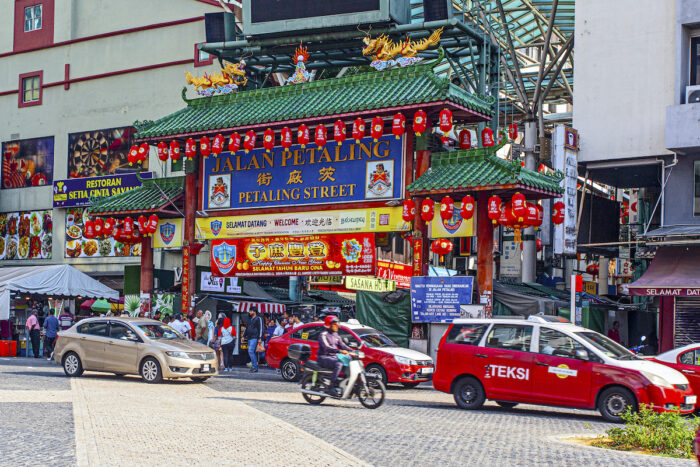
Location: Petaling Street
Explore Chinatown for colorful shop houses, lanterns, and street vendors. Central Market offers traditional crafts and indoor shots.
Best Shots:
- Red lantern streets
- Market vendors
- Heritage murals
Lunch Tip: Eat nearby for candid food photos
Afternoon: Kampung Baru (2:00 PM – 4:00 PM)
Location: Near KLCC
Photograph traditional wooden houses against a backdrop of modern skyscrapers for contrast.
Best Shots:
- Malay houses vs. the skyline
- Local street scenes
- Mosque minarets
Getting There: LRT to Kampung Baru Station
Golden Hour: KLCC Park (5:00 PM – 7:00 PM)
Location: KLCC
Arrive before sunset to capture the Petronas Twin Towers in warm light, reflections in the lake, and silhouettes in the park.
Best Shots:
- Towers reflected in water
- Park framing
- Fountain area
Pro Tip: Position near the lake bridge for symmetry
Night: Saloma Link Bridge & Helipad Lounge (7:30 PM – 10:00 PM)
Saloma Link Bridge
Photograph the illuminated bridge and skyline.
Best Shots:
- Light patterns
- Long exposures
- City reflections
Helipad Lounge (if open)
End with rooftop city views.
Best Shots:
- 360-degree skyline
- Light trails
- Aerial perspectives
Getting There: Walk or Grab from KLCC
KL Photography Route Summary Table
| Time | Location | Photography Focus |
|---|---|---|
| 6:00–8:00 AM | Batu Caves | Sunrise, architecture |
| 8:30–10:30 AM | Merdeka Square | Heritage, mosques |
| 11:00–1:00 PM | Chinatown | Street life |
| 2:00–4:00 PM | Kampung Baru | Old vs new contrast |
| 5:00–7:00 PM | KLCC Park | Golden hour skyline |
| 7:30–10:00 PM | Saloma Bridge/Rooftop | Night photography |
Final Photography Tips
- Bring a lightweight tripod
- Carry water and sunscreen
- Use Grab between distant spots
- Pack a power bank
- Back up photos daily
Accommodation Recommendations
Budget-Friendly ($50–100)

Verdant Hill Hotel, Bukit Bintang
Verdant Hill Hotel in Bukit Bintang, Kuala Lumpur, is a stylish boutique property offering modern, comfortable rooms with vibrant décor and thoughtful amenities. Located steps from Jalan Alor’s street food and major shopping malls, it provides excellent value for staycationers and travelers alike. Guests enjoy a rooftop pool, friendly service, and easy access to public transport for exploring the city.

Hotel Stripes, Chow Kit
Hotel Stripes, Chow Kit is a stylish boutique hotel in the vibrant Chow Kit district of Kuala Lumpur. Housed in a chic heritage-style building with patterned tiles and modern interiors, it features comfortable rooms, a rooftop pool, and a lively restaurant. Ideal for culture-loving travelers, it’s close to markets, eateries, and transit, blending local character with urban comfort.
Mid-Range ($100–250)

Aloft Kuala Lumpur Sentral
Aloft Kuala Lumpur Sentral is a modern, vibrant hotel located directly above KL Sentral Station, offering seamless access to the airport express, trains, and city transit. Stylish rooms, a lively lobby scene, and an outdoor pool make it ideal for both business and leisure travelers. Guests enjoy contemporary design, comfortable beds, on-site dining, and easy connections to major attractions.

EQ Kuala Lumpur
EQ Kuala Lumpur is a luxurious five-star hotel located in the heart of the city near KLCC and Bukit Bintang. It features elegant rooms with skyline views, an infinity pool, a full-service spa, and multiple upscale restaurants. Known for excellent service and modern design, it is ideal for business and leisure travelers seeking comfort, convenience, and refined city living.
Luxury ($250+)

Mandarin Oriental Kuala Lumpur
Mandarin Oriental Kuala Lumpur is a luxury five-star hotel located beside KLCC Park and the Petronas Twin Towers. It features elegant rooms with skyline or park views, a world-class spa, an infinity pool, and multiple fine-dining restaurants. The hotel is ideal for travelers seeking comfort, central access, and premium service in the heart of the city.

Four Seasons Kuala Lumpur
Four Seasons Kuala Lumpur is a five-star luxury hotel located beside KLCC Park and the Petronas Twin Towers. It features spacious, elegantly designed rooms with skyline views, a rooftop infinity pool, award-winning dining, and a full-service spa. Ideal for travelers seeking refined comfort, personalized service, and direct access to Kuala Lumpur’s top attractions.
Alternative Accommodations
- The Bed KLCC Hostel: $15–25
- Airbnb in Bangsar: $40–80
- Mingle Hostel Chinatown
Pro Tip: Bangsar offers local nightlife with fewer tourists.
For more accommodation options in Kuala Lumpur, read the Ultimate List of the Best Hotels in Kuala Lumpur, Malaysia.
Food and Dining Guide
Must-Try Local Dishes

Nasi Lemak
Nasi lemak is Malaysia’s iconic dish of fragrant coconut rice, served with spicy sambal, crispy anchovies, roasted peanuts, cucumber, and a boiled egg. It tastes rich, creamy, savory, and slightly sweet, balanced by a touch of chili heat. In Kuala Lumpur, you can find excellent nasi lemak at village stalls, night markets, roadside vendors, and popular eateries in areas like Kampung Baru, Bangsar, and Petaling Street.

Char Kway Teow
Char Kway Teow is a smoky, stir-fried noodle dish made with flat rice noodles, prawns, eggs, Chinese sausage, bean sprouts, and chives, cooked over intense heat. It tastes rich, savory, slightly sweet, and deeply aromatic, thanks to soy sauce and wok hei. In Kuala Lumpur, try it at Jalan Alor, Petaling Street, or hawker stalls in Pudu and Kampung Baru.

Roti Canai
Roti canai is a flaky, pan-fried flatbread from Malaysia, crisp on the outside and soft, stretchy on the inside. It tastes buttery, lightly salty, and comforting, especially when dipped in curry, dhal, or sambal. In Kuala Lumpur, you can find great roti canai at roadside mamak stalls, Kopitiams, and popular spots like Jalan Alor, Brickfields, and Kampung Baru, especially late at night. Locals often enjoy it for breakfast, supper, or whenever cravings strike.

Satay
Satay is a beloved Southeast Asian dish of skewered, grilled meat—usually chicken, beef, or lamb—marinated in spices and turmeric. It tastes smoky, slightly sweet, and savory, paired with rich, nutty peanut sauce and crisp cucumber.
In Kuala Lumpur, try it at Jalan Alor night market, Kampung Baru stalls, or traditional Malay restaurants for an authentic, freshly grilled experience. Often served hot off the grill, it’s affordable, social, and deeply comforting.
Laksa
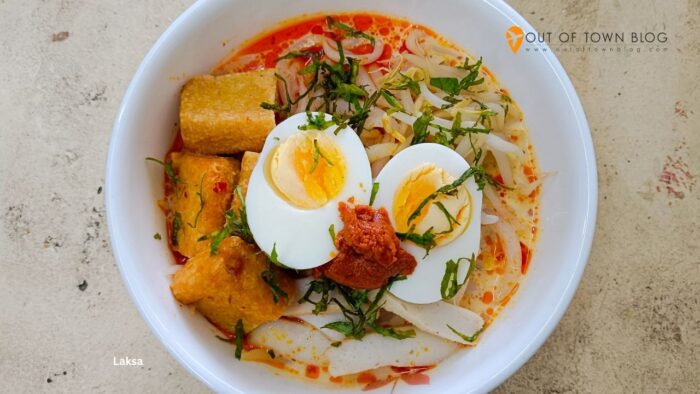
Laksa is a spicy, aromatic Southeast Asian noodle soup, rich with coconut milk, chili, lemongrass, and shrimp paste. It tastes creamy, tangy, and savory, often balanced with fresh herbs and lime.
In KL, try it at Jalan Alor hawker stalls, Kampung Baru food markets, Central Market eateries, or traditional kopitiams across the city for authentic local versions.
Restaurant Recommendations
Street Food Areas
- Jalan Alor, Bukit Bintang
- Lot 10 Hutong Food Court
Local Restaurants
Madam Kwan’s
Malay comfort food in a clean, modern setting. Known for nasi lemak and beef rendang.
Price: $8–15
Bijan Bar & Restaurant
Upscale traditional Malay cuisine using heritage recipes.
Price: $20–30
Ali, Muthu & Ah Hock
Popular Indian-Muslim restaurant famous for banana leaf rice.
Price: $6–10
Fine Dining
Dewakan
Modern Malaysian tasting menus using local ingredients.
Price: $80+
Nadodi
South Indian fine dining with creative presentations.
Price: $70+
Street Food Safety
- Choose busy stalls
- Watch food being prepared
- Avoid unrefrigerated seafood
- Wash your hands frequently
Dietary Restrictions
- Halal food is widely available
- Vegetarian: Simple Life, Sala
- Vegan: The Hungry Tapir
- Gluten-free: Increasing options in cafés
Local Culture and Etiquette
Cultural Norms
- Dress modestly in religious sites
- Remove shoes in homes
- Use the right hand when giving items
Do’s and Don’ts
Do:
- Greet politely
- Ask before taking photos
- Respect prayer times
Don’t:
- Touch someone’s head
- Raise your voice in public
- Show disrespect to religious symbols
Tipping
Not mandatory. Rounding up is appreciated.
Major Festivals
- Hari Raya Aidilfitri
- Chinese New Year
- Deepavali
- Thaipusam
Pro Tip: Visit Batu Caves before sunrise during Thaipusam.
Practical Tips and Safety
Health and Safety
- Generally, a safe city
- Beware of pickpockets in crowded areas
- Drink bottled or filtered water
What to Pack
- Light breathable clothing
- Rain jacket
- Universal adapter
- Sunscreen
- Comfortable walking shoes
What to Wear
- Cotton and linen fabrics
- Covered shoulders for temples
- Sandals and sneakers
Money-Saving Tips
- Eat at hawker centers
- Use public transport
- Shop at Central Market
- Book attractions online
Emergency Contacts
- Police and Ambulance: 999
- Tourist Police: +603-2149-6590

Souvenir Shopping
Popular Souvenirs
- Batik textiles
- Royal Selangor pewter
- White coffee
- Dodol sweets
- Local spices
Best Places
- Central Market
- Suria KLCC
- Pavilion Kuala Lumpur
Night and Flea Markets
- Petaling Street
- Taman Connaught Night Market
- Chow Kit Market
Read: The Ultimate Guide to the Best Night Markets in Kuala Lumpur.
Suggested Itineraries
Three-Day Kuala Lumpur Itinerary
Day 1: City Icons
- Petronas Twin Towers ($20)
- KLCC Park
- Suria KLCC Mall
- Helipad Lounge (drink $15)
Day 2: Culture and Cuisine
- Batu Caves
- Islamic Arts Museum ($3)
- Merdeka Square
- Jalan Alor dinner ($10)
Day 3: Local Life
- Central Market
- Kampung Baru lunch
- Saloma Bridge
- Bukit Bintang shopping
Off-the-Beaten-Path Route (4 Days)
Day 1: Bangsar cafés and Zhongshan Building
Day 2: FRIM Forest Reserve
Day 3: Hulu Langat waterfalls
Day 4: Chow Kit markets and heritage houses
Sustainable and Responsible Travel
- Carry reusable bottles
- Support local businesses
- Avoid wildlife attractions
- Use public transport
- Respect religious customs
- Reduce plastic waste
Final Thoughts: Why You Should Visit Kuala Lumpur
This Kuala Lumpur Travel Guide shows that the city is more than just skyscrapers and shopping malls. When you visit Kuala Lumpur, you discover a destination filled with warmth, flavor, and history. From midnight roti canai sessions to sunrise temple visits, KL invites you to slow down and connect.
It is a city where cultures blend naturally, where strangers become friends over shared meals, and where every neighborhood tells a story. Whether you stay for a few days or several months, Kuala Lumpur leaves a lasting impression.
Pack light, come hungry, travel respectfully, and stay open to discovery. In Kuala Lumpur, you’re not just seeing a city; you’re experiencing one of Southeast Asia’s most welcoming and rewarding destinations.
Kuala Lumpur Travel Tour Packages You Should Try
Follow and subscribe to OutofTownBlog.com on Facebook , Twitter, Instagram, Pinterest, and YouTube for more Travel-related updates.
Read:
- Experience Kuala Lumpur: South East Asia’s Vibrant City
- Hotel Royal Signature: A Premier Destination in Kuala Lumpur Offering Home-Like Comfort


