Melo Villareal
Going on an epicurean tour with the Southern Tagalog Kulinarya Caravan
Discovering a place’s food landscape is like discovering its soul. We get to know a destination not only for its beauty but also for the gastronomic adventures it offers visitors.

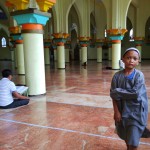
Early Morning in Aguinaldo Shrine
You don’t have to go far to experience this, as we discovered quite a few of these spots during our Southern Tagalog Sojourn about two months ago.
Last April, I joined fellow travelers and foodies in an organized tour called the Southern Tagalog Kulinarya Caravan. Organized by the Philippine Tour Operators Association, the trip showcased not only the historical and cultural spots of Southern Tagalog but also the region’s unique culinary offerings.

Aguinaldo Shrine
It has been over two years since I last updated my food blog. I purposely avoided joining restaurant invitations and reviews to give myself a favor and probably help me reach my target weight.
However, I decided to join this caravan because it differed from the typical restaurant review invites. This food adventure included visits to tourist spots in the area, and I wanted to discover the culinary wonders of Southern Tagalog, the region where I grew up and where my roots are.
Journeying to Kawit, Cavite
Everyone gathered early in the morning at the Mall of Asia parking lot. Since it was a caravan, participants were divided into cars that took us to our destination. With PHILTOA President Cesar Cruz driving the lead car, we passed the Manila-Cavite Expressway (CAVITEX) and reached Kawit, Cavite, way ahead of our schedule.

The Balcony of Sinners at Aguinaldo Shrine
Our first stop was at Aguinaldo Shrine, our first passport stamp of the day. We proceeded to the garden area of Aguinaldo Shrine for our Magdalo Breakfast. We sampled some local food from Kawit, believed to have been served during gatherings of the Katipuneros of Cavite.

Calandracas
The Magdalo Breakfast was interesting. Aside from the usual Tinapang Bangus, Salted Egg, Fried Rice, and Longganisa, one surprising dish that caught my attention was Calandracas, a popular Cavite soup. Its taste reminded me of the traditional creamy sopas, except without the macaroni noodles. Calandracas gets its natural sweetness from the pechay, potato, carrots, and squash it includes.

Touring inside the Aguinaldo Shrine Museum
After breakfast, we toured the Aguinaldo Shrine. Our tour guide, an immediate descendant of Emilio Aguinaldo, showed us around. One highlight of our tour was hearing the Spanish version of the Lupang Hinirang, played while everyone was inside the beautiful Aguinaldo house.

St. Mary Magdalene Parish Church
After that, we went to St. Mary Magdalene Parish Church, just a stone’s throw from the shrine. Before we proceeded with the tour, women from a local organization performed a beautiful Karakol dance in front of us.

Altar of St. Mary Magdalene Parish Church
Rebuilt after being destroyed by the Philippine-American War, the St. Mary Magdalene Parish Church is a declared Historical Structure by the National Historical Commission of the Philippines and is considered one of the most beautiful Roman Catholic churches in Cavite. General Emilio Aguinaldo, president of the First Philippine Republic, was baptized here in 1969.
After visiting the Kawit Church, we proceeded to Rosario town in Cavite to visit one of the makers of the famous Salinas Tinapa. Rosario lies along the coast of Cavite, making it a top producer of marine products.

Tinapang Salinas
Here, fishponds teem with bangus, tilapia, crabs, prawns, and other kinds of cultured seafood. Aside from cultured fish, Rosario also produces Tinapang Salinas, or smoked fish. A small barangay in Rosario started this exceptional tinapa-processing method, making Rosario known as the Smoked Fish Capital of Cavite.
Seeing more of Cavite towns and its rich culture
After seeing Salinas Tinapa’s production, the caravan proceeded to Tejeros Casa Hacienda. History books describe this hacienda as the site of the Tejeros Convention, where General Emilio Aguinaldo was elected President.

Tejeros Convention
We toured the area, including the ruins of the old building and underground tunnels historians say served as escape routes during the war.

Casa Hacienda de Tejeros Underground Tunnel
After our short tour at Casa Hacienda de Tejeros, we sampled their local pancit and my newfound favorite, Puto Rosario. This unique kind of puto is also known as Bibingkang Salinas, since it’s made of thick rice cake topped with cheese and salted eggs, just like a favorite Christmas merienda treat.

Puto Rosario
After Rosario, the caravan’s next stop was the Holy Cross Parish Church and Convent in Tanza. Also known as Tanza Church, the Holy Cross Parish secured its place in Philippine history when General Emilio Aguinaldo and General Mariano Trias took their oaths here as President and Vice-President of the Philippine Revolutionary Government in 1897.
Declared as a national historical landmark, the convent adjacent to the church has a life-size exhibit immortalising Aguinaldo and his men being sworn in before a crucifix. The three original church bells, cracked and damaged due to age, are displayed outside the convent.

Kalamay Buna
We then proceeded to our second stop for passport stamping, the newly built Indang Municipal Hall, which faces a beautiful view of the town. Indang is famous for Kalamay Buna, a thin version of Kalamay made in Brgy. Buna Lejos.

Lunch was served at Balai Indang, where they fed us garden salad, roast beef, chicken barbecue, and spring rolls. Ending our meals on a sweet note, we had bananas caramelized in sugar.

Arroz Caldo of Nurture Spa Village
Our last stop was the Nurture Spa in Tagaytay City, where we took a short tour of their herb and spice garden. Afterwards, we were served a steaming bowl of their famous Arroz Caldo, a popular Spanish-inspired Pinoy porridge you can enjoy any time of day. Perfect for the chilly Tagaytay weather!
It was almost dawn when we went to our respective accommodations to drop off our bags and head to Hotel Monticello for our Bulalo Dinner. The hotel’s version of Bulalo was perfect; it didn’t swim in oil because the meat was separated from the broth.
After dinner, we returned to our respective hotels to rest and prepare for our early morning call time. More adventure awaits us the next day!
The Philippine Tour Operators Association (PHILTOA), Inc. is a non-stock, non-profit organization of DoT-accredited tour operators and allied members actively involved in advocating responsible tourism. For inquiries about upcoming Island Philippines Fun Caravan schedules, please contact Tel. Nos.: (02) 812 4513; (02) 822 6964 | Fax No.: (02) 817 4608 | Email: info@philtoa.com; philtravelmart@philtoa.com Website: www.philtoa.com.
Like, follow, and subscribe to OutofTownBlog.com on Facebook, Twitter, Instagram, and Pinterest, and Team Out Of Town on YouTube for more Cavite tourist spots.
Next: Batangas Culinary Delights: Southern Tagalog Kulinarya Caravan