

 Melo Villareal
The rainy season in the Philippines can affect more than your daily commute. Heavy rains, flooding, storms, and other weather-related disruptions can also put pressure on household budgets, especially when unexpected transportation costs, home repairs, vehicle maintenance, and other urgent expenses start to pile up.
Your Moneymaxxing Guide to Help You Weather the Rainy Season
While it is impossible to predict every expense that bad weather may bring, having a financial buffer can make it easier to handle surprises without derailing your entire budget.
The key is to prepare before you need the money. From building an emergency fund to setting aside savings for anticipated expenses and understanding your borrowing options, a little financial planning can go a long way.
Here are some practical ways to make your money more resilient during the rainy season—and beyond.
Build an Emergency Fund You Can Access When You Need It
One of the most important parts of rainy-season financial planning is having money available for emergencies.
An urgent home repair, vehicle problem, unexpected medical expense, or sudden bill can be stressful enough without having to figure out where the money will come from. An emergency fund provides a financial cushion that can help you handle these situations without immediately dipping into money intended for rent, groceries, travel, or other regular expenses.
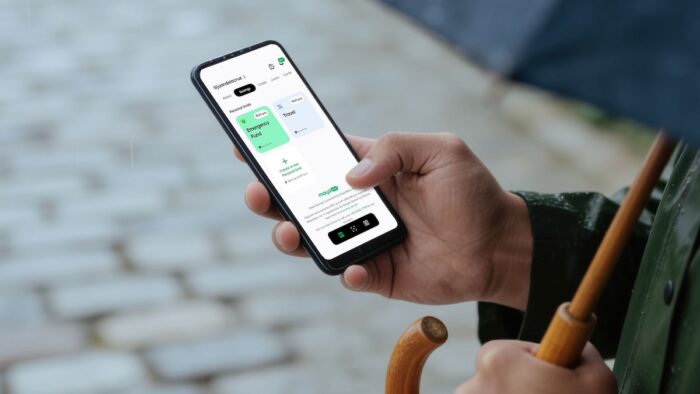
For those looking for a structured way to organize their savings, Maya Personal Goals lets users create up to 5 personalized savings goals. Each goal can earn up to 8% interest per annum, giving users a dedicated place to build savings for specific priorities.
You could use one goal for an emergency fund while keeping other savings separate for a vacation, a major purchase, or another financial objective.
The important thing is consistency. Even small amounts saved regularly can eventually create a useful financial buffer.
Anticipate Expenses Before They Become Urgent
Not every rainy-season expense comes as a complete surprise.
You may already know that your car will eventually need maintenance, your roof may require repairs, or certain household appliances may need to be replaced. The exact timing and cost may be uncertain, but setting aside money in advance can make these expenses easier to manage.
For savings that can be set aside for a predetermined period, Maya Time Deposit Plus offers 3-, 6-, and 12-month terms with rates of up to 6% per annum. Users can also add funds along the way.
This type of savings strategy can be useful for expenses that are not emergencies today but could become significant financial priorities in the coming months.
The broader lesson is simple: If you know an expense is likely to occur eventually, don’t wait until it becomes urgent to prepare for it.
Leave Room in Your Budget for Rainy-Day Spending
Rainy-season expenses aren’t always major emergencies.
Sometimes they are the small costs that recur throughout the season.
You might spend more on transportation when heavy rain makes your usual commute difficult. You may use more fuel because of traffic. You could end up ordering food after getting home late or replacing an umbrella, raincoat, shoes, or other items damaged by wet weather.
Each expense may seem insignificant on its own. But several small purchases over the course of a month can make a noticeable dent in your budget.
One way to prepare is to create a small rainy-season allowance in your monthly budget. This gives you some flexibility for weather-related expenses without having to constantly adjust your other spending categories.
It can also help prevent the common cycle of putting small unexpected purchases on credit simply because there wasn’t enough room in the budget.
Know Your Options When Savings Aren’t Enough
Even a well-funded emergency account may not cover every situation.
A major home repair, substantial appliance replacement, vehicle repair, or several unexpected bills arriving at the same time could cost considerably more than what you have immediately available.
For eligible users, Maya Easy Credit provides access to up to PHP50,000, repayable within 30 days. It can provide an option for certain short-term expenses when an urgent payment needs to be covered quickly.
For larger expenses requiring a longer repayment period, Maya Personal Loan offers up to PHP400,000 with flexible repayment terms of up to 48 months.
These options should be considered carefully and used responsibly. Before borrowing, make sure you understand the applicable fees, interest, repayment schedule, and whether the monthly payments fit comfortably within your budget.
Having access to credit isn’t a substitute for emergency savings. Rather, it can be useful to understand your available options before an unexpected expense occurs.
Don’t Forget Your Regular Financial Priorities
Preparing for rainy-season expenses shouldn’t mean putting all your other financial goals on hold.
Continue prioritizing essential bills, regular savings, debt payments, and other important financial commitments. If you have several financial goals, organizing them separately can make it easier to see where your money is going and how much flexibility you have.
A useful approach is to divide your finances into three broad categories: money for everyday expenses, savings for future goals, and funds reserved for emergencies.
This separation can make it easier to avoid spending emergency money on non-essential purchases—and help ensure that your rainy-day fund remains available when you actually need it.
Make Financial Preparedness a Year-Round Habit
Although the rainy season is a good reminder to review your finances, financial preparedness shouldn’t be seasonal.
Unexpected expenses can happen at any time. A broken appliance, a sudden travel requirement, a family emergency, a job disruption, or a major repair can create financial pressure even when the weather is perfect.
That’s why building an emergency fund, anticipating future expenses, maintaining a realistic budget, and understanding your available financial options should be part of your year-round money habits.
You don’t have to prepare for every possible problem. The goal is simply to make sure that one unexpected expense doesn’t derail everything else.
The Bottom Line
Rainy days are easier to weather when you’re financially prepared for them.
Start by building an emergency fund, set aside money for expenses you can anticipate, leave some flexibility in your monthly budget, and familiarize yourself with responsible borrowing options should your savings fall short.
The idea isn’t to expect the worst every time dark clouds appear. It’s about giving yourself enough financial breathing room to handle life’s unexpected expenses with less stress.
For more information, visit Maya’s official websites and social media channels. Maya Philippines, Inc. and Maya Bank, Inc. are regulated by the Bangko Sentral ng Pilipinas. For assistance, users can access the Help Center through the Maya app or contact Maya’s customer support channels.
Follow and subscribe to OutofTownBlog.com on Facebook, Twitter, Instagram, Pinterest, and YouTube for more Travel-related updates.
Read:
- 12 Things Your Travel Insurance May Not Cover
- Life Moves Fast—Get That Loan Even Faster with Maya!
- Travel Insurance for Last-Minute Trips: What Can and Cannot Be Covered