

 Melo Villareal
10 Best Heritage Sites in Iloilo for History, Architecture and Culture
Iloilo is one of the Philippines’ best destinations for heritage tourism. Across its historic districts, grand ancestral homes, centuries-old churches, civic buildings, plazas, and commercial streets, the city reveals its important role in Philippine history and culture. For travelers who enjoy architecture, history, photography, and local culture, these are the Iloilo heritage sites worth adding to your itinerary.

Miagao Church
1. Miagao Church
Miagao Church is arguably Iloilo’s most important heritage landmark. Officially known as the Santo Tomas de Villanueva Parish Church, this imposing structure was built in the late 18th century and was designated a UNESCO World Heritage Site as part of the Baroque Churches of the Philippines in 1993.
Its detailed facade combines European Baroque influences with distinctly Filipino elements. Look closely at the enormous relief featuring a coconut tree, St. Christopher, local plants, and other decorative details. The thick walls and massive towers also reflect the church’s historical defensive purpose.
Miagao Church sits about 40 kilometers from Iloilo City, making it an ideal stop on a heritage road trip through southern Iloilo.

2. Jaro Cathedral
Jaro Cathedral stands at the center of one of Iloilo City’s most historic districts. Its present structure dates to the Spanish colonial period, while its distinctive bell tower stands separately across the street from the church.
The cathedral is particularly significant to devotees because of the image of Nuestra Señora de la Candelaria, or Our Lady of Candles. The shrine has made Jaro an important religious destination in Western Visayas.
Spend time around Jaro Plaza after visiting the cathedral. The surrounding heritage buildings, old streets, and nearby ancestral houses make the district particularly rewarding for architecture enthusiasts and photographers.

3. Molo Church
The Saint Anne Parish Church, commonly called Molo Church, is one of Iloilo City’s most recognizable landmarks. Its Gothic-inspired architecture gives it a distinctive appearance compared with many Spanish colonial churches in the Philippines.
Inside, visitors can see 16 nearly life-size statues of female saints positioned along the central aisle. This unusual feature helped earn the church its popular nickname, the “Women’s Church.”
The church is part of the larger Molo heritage district, along with Molo Plaza and other nearby historic structures. The entire area rewards a slow visit, especially in the late afternoon when you can explore the plaza, photograph the church facade, and visit nearby attractions.
4. Molo Mansion
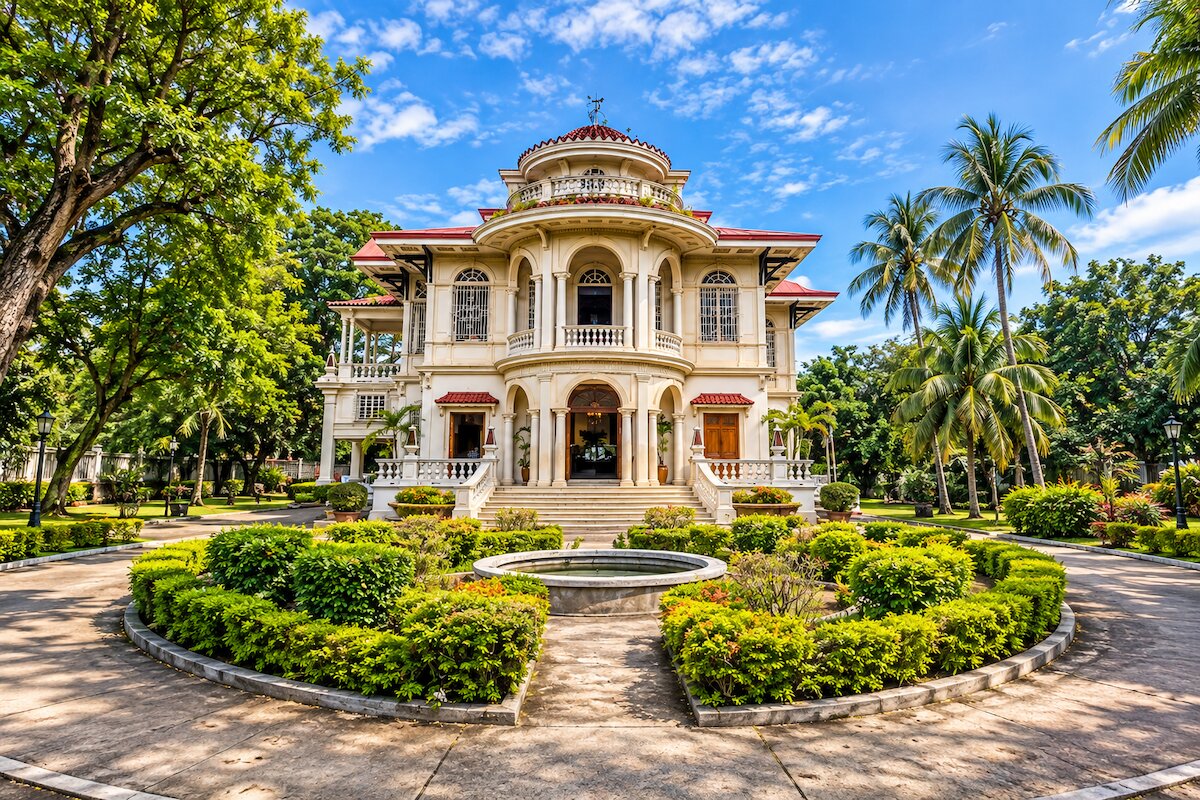
Across from Molo Plaza stands Molo Mansion, also known as the Yusay-Consing Mansion. The beautifully restored heritage house offers a glimpse into the elegant residential architecture associated with Iloilo’s affluent families.
Its location makes it easy to combine with Molo Church during a heritage walk. Visitors can appreciate the mansion’s architectural details, explore its surrounding grounds, and discover local products and creative works featured on the property.
Molo Mansion is particularly photogenic because of its grand facade and its position within the historic Molo district. Together with Molo Church and the plaza, it creates one of the most accessible heritage stops in Iloilo City.

5. Nelly Garden Mansion
Nelly Garden is one of Iloilo’s grandest ancestral properties. Located in Jaro, the mansion reflects the wealth generated during Iloilo’s sugar industry boom and the cosmopolitan lifestyle of prominent Ilonggo families.
The house features an elegant Beaux-Arts-inspired design, expansive grounds, formal gardens, and elaborate architectural details. Its scale makes it particularly impressive compared with many other surviving ancestral homes in the city.
Today, Nelly Garden offers visitors an opportunity to appreciate Iloilo’s architectural heritage while learning about the families and industries that shaped the city. It is also one of the best heritage locations in Iloilo for architectural photography.
6. Calle Real
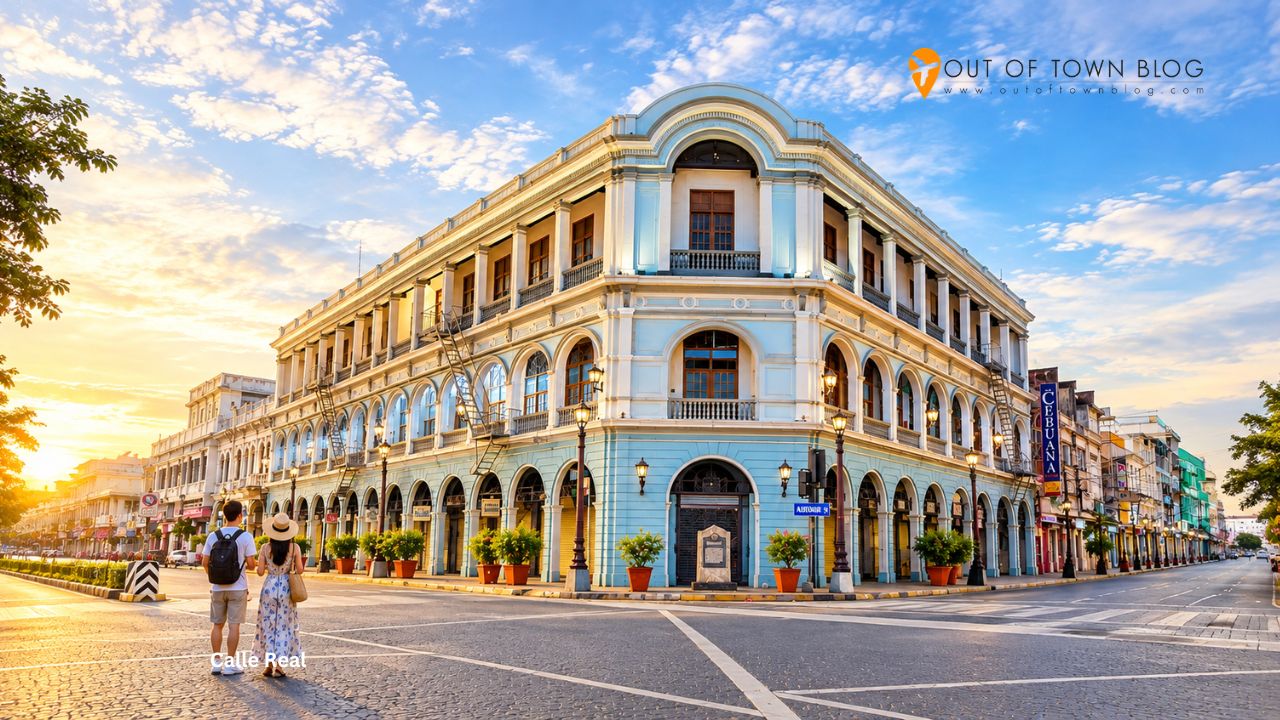
Calle Real, or JM Basa Street, is the historic commercial heart of Iloilo City Proper. Walking along this street offers a different perspective on the city’s heritage, as its architecture reflects Iloilo’s development as a major commercial center.
Historic buildings along the street feature Beaux-Arts, Neoclassical, and Art Deco influences. Several structures retain their original architectural character despite decades of commercial activity.
Visit during the day to examine the architectural details and storefronts. Early morning or late afternoon is particularly pleasant for photography and walking.

7. Casa Real de Iloilo
Casa Real de Iloilo, located along General Luna Street, is another important piece of the city’s civic heritage. The historic building served as Iloilo’s old provincial capitol and represents the evolution of government architecture in the province.
Its heritage value goes beyond its facade. Casa Real is connected to Iloilo’s political and administrative history and remains part of the city’s historic civic landscape.
The building is close to other attractions in Iloilo City Proper, making it easy to include in a walking itinerary that covers Plaza Libertad, Calle Real, Fort San Pedro, and other historic landmarks.

8. Fort San Pedro
Fort San Pedro occupies an important location near the Iloilo River and offers a glimpse into the city’s military history. The historic fortification formed part of Iloilo’s defensive landscape during the Spanish colonial period.
Although much of the original structure has disappeared or changed over time, the site remains significant for its connection to Iloilo’s colonial history and its strategic location.
Combine a visit to Fort San Pedro with a stop at nearby Plaza Libertad and the historic buildings of the City Proper for a compact heritage tour.

9. Plaza Libertad
Plaza Libertad is one of Iloilo City’s most historically significant public spaces. Located in the heart of City Proper, the plaza is surrounded by important civic and religious landmarks and has witnessed major events in Iloilo’s history.
The plaza provides an excellent starting point for exploring the city’s historic core. From here, you can continue toward Fort San Pedro, Casa Real, Calle Real, and other heritage structures.
Because Plaza Libertad remains an active public space, it also offers an opportunity to see how Iloilo’s heritage coexists with everyday city life.

10. Eusebio Villanueva Building
The Eusebio Villanueva Building on JM Basa Street is one of the historic commercial structures that help define Iloilo’s architectural character. Its location along Calle Real places it within the city’s historic business district.
The building represents the period when Iloilo emerged as a major trading and commercial center, particularly during the height of the sugar industry. Its architectural details are best appreciated when walking along the street rather than when viewed as an isolated attraction.
For heritage enthusiasts, the Eusebio Villanueva Building demonstrates why Iloilo City Proper deserves more than a quick visit. The historic streetscape itself is part of the destination.
How to Explore Iloilo’s Heritage Sites
You can experience Iloilo’s heritage attractions in several clusters. Start with Jaro, where you can visit Jaro Cathedral and Nelly Garden. Continue to Molo for Molo Church, Molo Plaza, and Molo Mansion. Spend another half-day exploring City Proper, including Calle Real, Casa Real, Plaza Libertad, and Fort San Pedro.
Set aside another day for Miagao Church and the southern towns of Iloilo. This approach gives you more time to appreciate the architecture instead of rushing from one attraction to another.
When visiting churches, dress appropriately and avoid disrupting religious services. For ancestral homes and heritage buildings, check visiting arrangements before your trip because access and operating schedules can change.
Why Iloilo’s Heritage Matters
Iloilo’s heritage is valuable because it tells the story of a city shaped by religion, trade, sugar, politics, architecture, and local craftsmanship. Its historic districts also show how old structures can remain part of a modern urban environment.
From the UNESCO-listed Miagao Church to the elegant mansions of Jaro and the historic commercial buildings of Calle Real, Iloilo offers one of the most rewarding heritage experiences in the Philippines.
Follow and subscribe to OutofTownBlog.com on Facebook , Twitter, Instagram, Pinterest, and YouTube for more Travel-related updates.
Read:
- ILOILO CITY TRAVEL GUIDE: DIY Itinerary, How to Get There and More
- Ultimate List of the Best Hotels in Iloilo City
- Why Iloilo City was Named a UNESCO “Creative City of Gastronomy” — and What You Should Eat There
- Casa Mariquit Javellana-Lopez in Jaro, Iloilo City
- Dinagyang Festival in Iloilo City: A Complete Travel Guide
- 48 Hours in Iloilo: The Perfect Weekend Itinerary
- Why Iloilo Is a Dream Destination for Architecture Lovers
- 10 Iloilo Restaurants Worth Traveling For