

 Al P. Manlangit
The Glacier Express Route
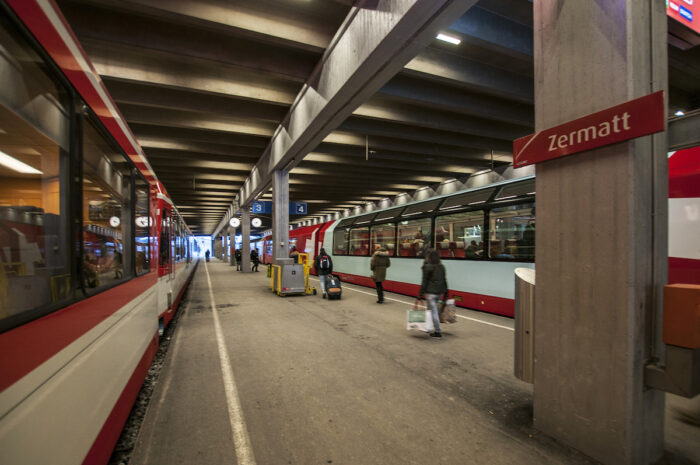
Zermatt, Switzerland – One of the most highly touted train journeys in the world is the Glacier Express. It is a slow 8-hour train ride from Zermatt to St. Moritz, covering 291 kilometers through the Alps, passing by picturesque landscapes that are guaranteed to take your breath away. There are 290 bridges to cross and 91 tunnels to zip through at elevations ranging from 1500 meters to over 2,000 meters.
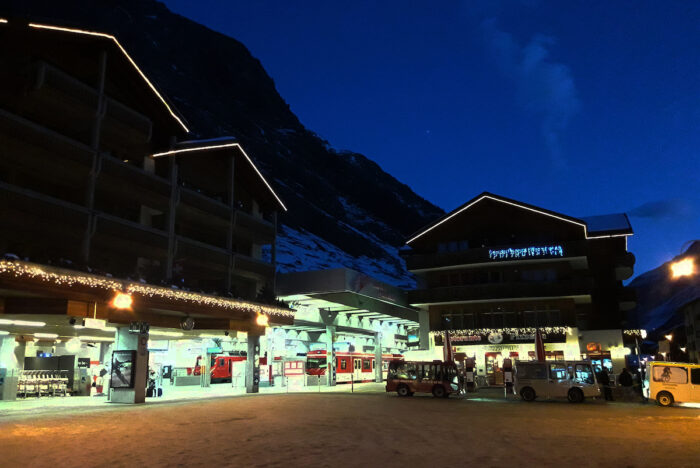
Although we had a Swiss Pass, we needed seat reservations for this special train, so we stood in the early, freezing morning in front of the SBB counter in Zermatt an hour before departure, at 8:52AM.
Imagine my shock when the counter guy told me that all the seats were taken and there was none left for the day! My heart sank; what were we to do now? Well, Monsieur, he told me it’s not a problem, noting my crestfallen face. Other local trains leave every hour, and they are just as comfortable, albeit without the glass-ceiling roofs, but they pass through the same route.
You will see the same sights and experience the same tingling awe when you pass by them, he reassured me. If you don’t mind changing trains at four stations, they are only a few minutes apart. Count me in, I said, beaming like I just won the local lottery!
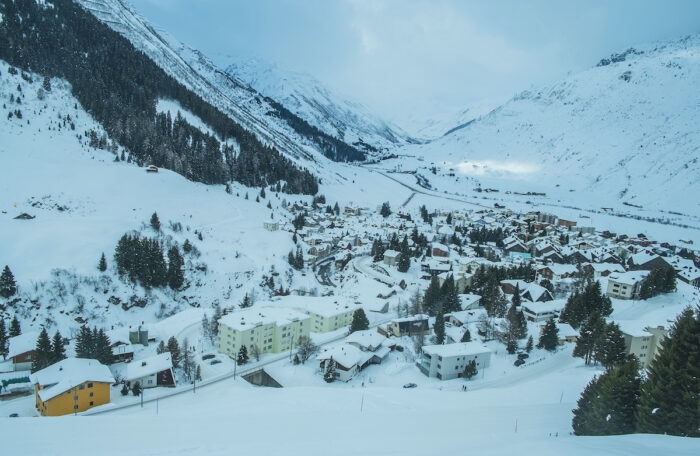
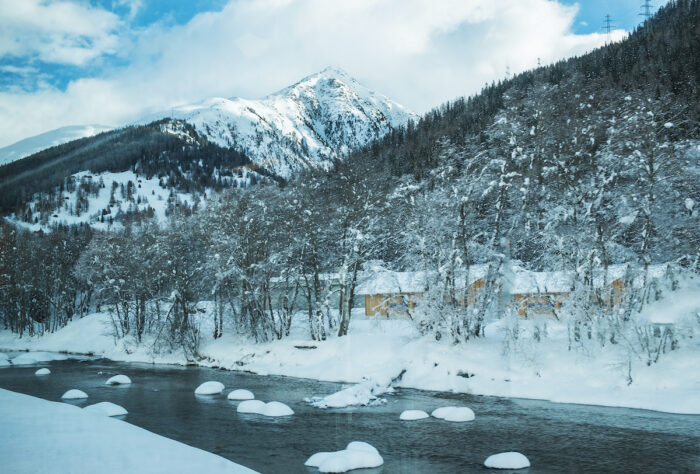
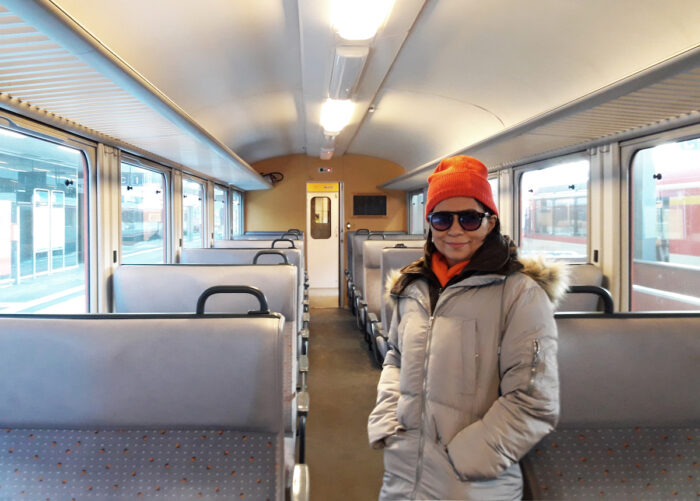
He was right. On the first 1-1/2 hour leg of the train to Brig (the first stop) and the second 2-hour section to Andermatt, passing through the scenic Mattertal Valley, which was 1,800 meters above sea level, we practically had the coach all to ourselves. I could easily move across the aisle like a kid shuttling between the left and right side windows, checking out the best views to shoot!
We couldn’t have done this on the Express train because all the seats there were taken, and you were stuck where you sat. It made me realize that, just like some things in life, better opportunities arise out of nowhere when you least expect it.
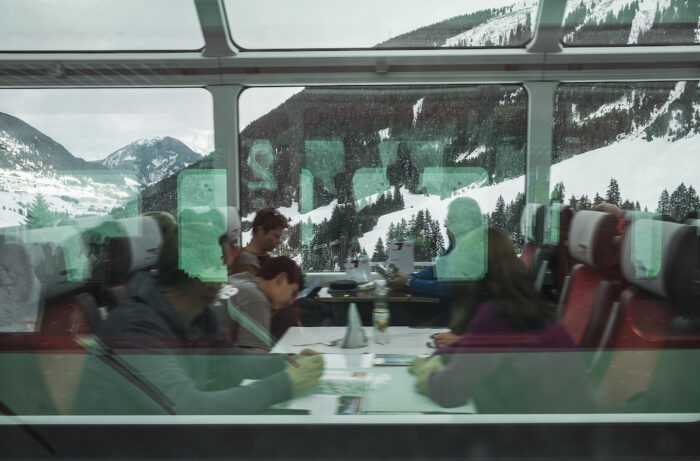
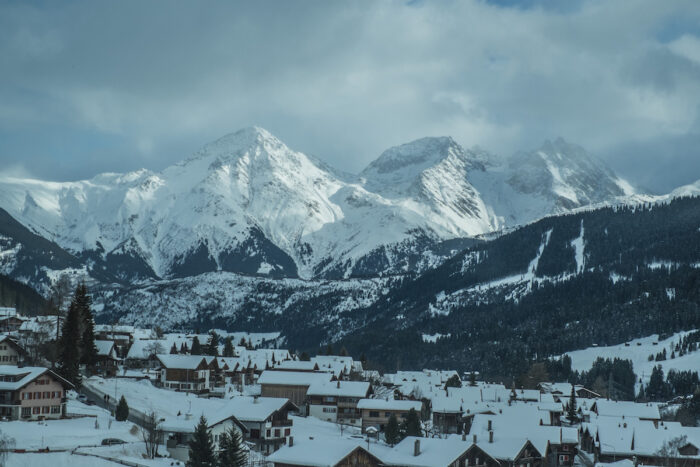
And so we pretty much did what we wanted to do on the train: ate, chatted, Facebooked, or just sat in silence watching the awesome panorama unfolding in front of us.
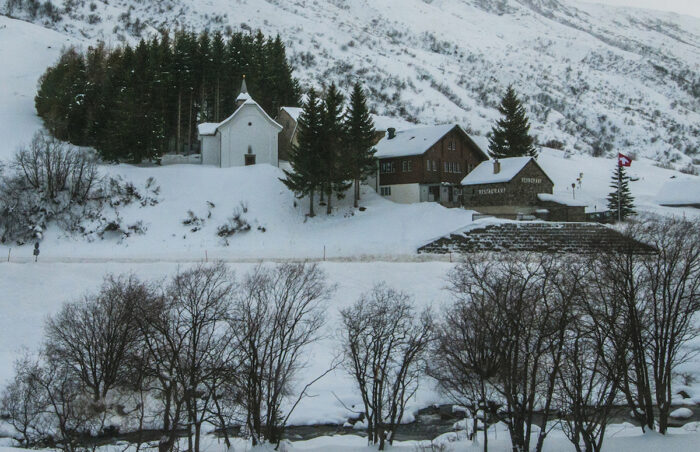
Because it was the dead of winter, the Alps were blanketed in snow, but the weather was great, with lots of sunshine and skies a deep cerulean blue. This was the Switzerland I had seen in many marvelous wintry postcards.
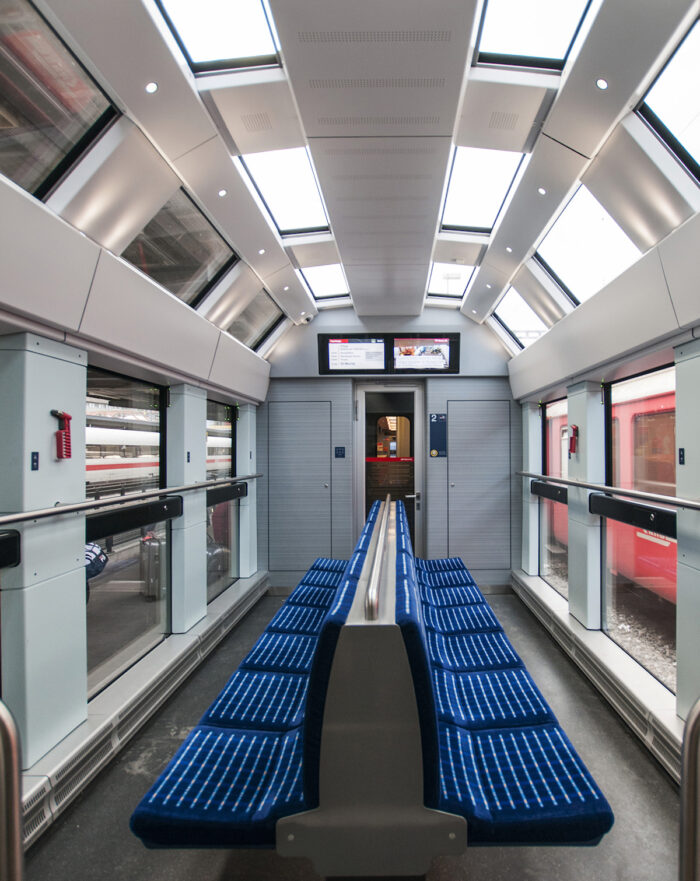
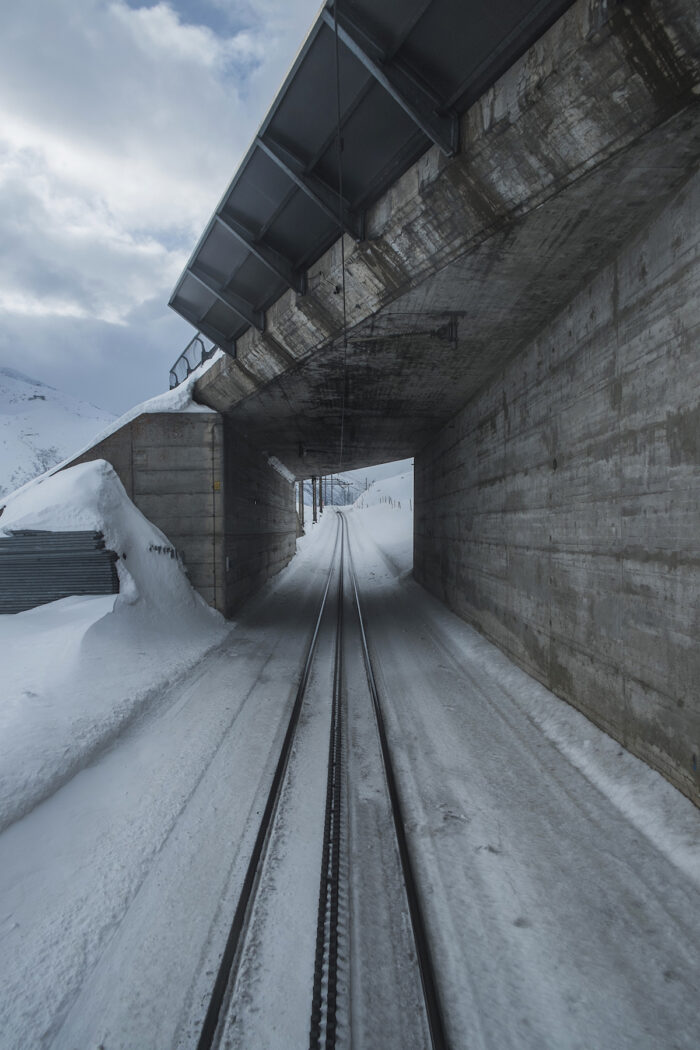
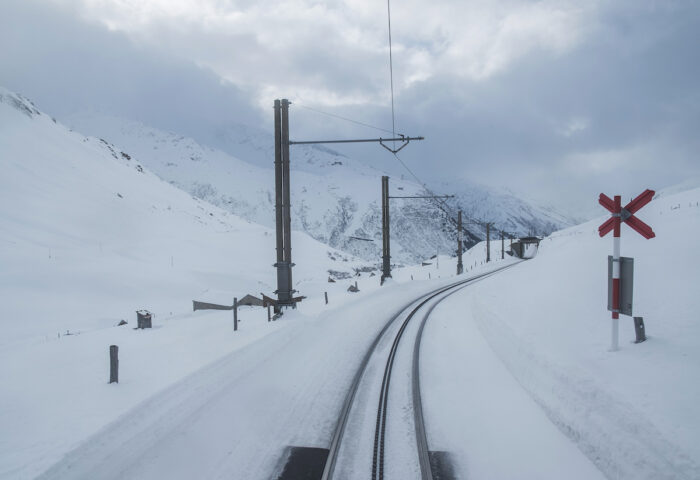
On the next local train to Chur, which was 3 hours away, we boarded the last coach at the end of the vestibule, which had a locked door and a clear glass window, so I could shoot some videos to my heart’s content.
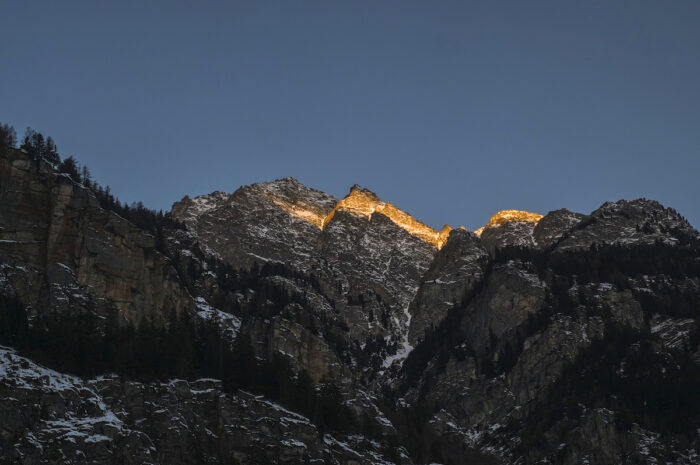
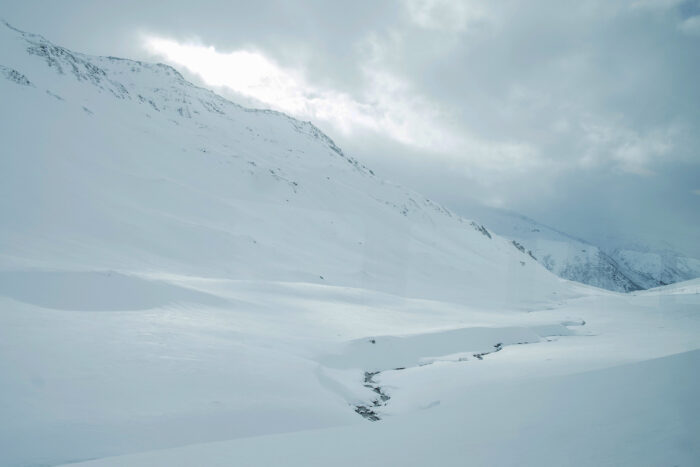
The rails meandered hypnotically through the snowy mountain range capped by soaring rugged peaks sprinkled with the night’s fresh snowfall.
Every so often, a tunnel fleetingly plunged the coach into darkness, or a bridge noisily rattled past, with the river way down below having just a sliver of black ribbon, which was the water that had not yet frozen over.
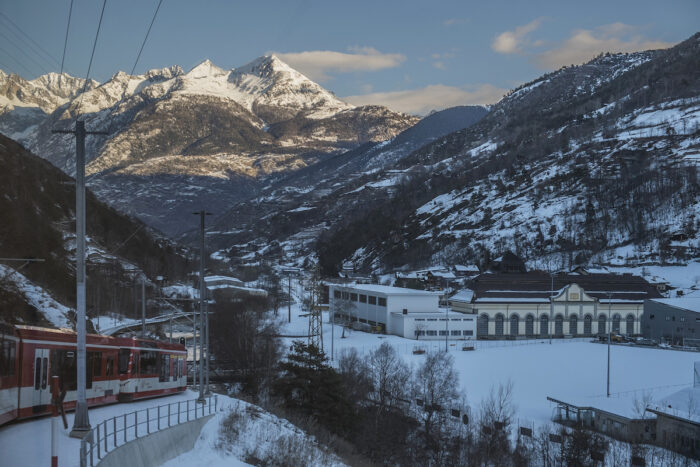
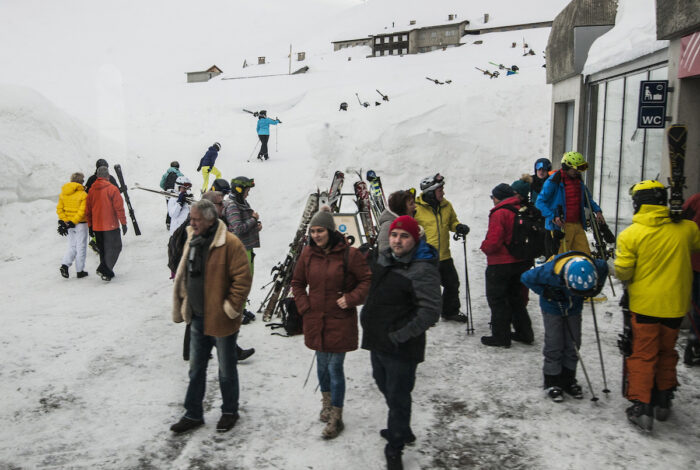
The train wound its way upwards to the highest point of the journey through the Oberalp Pass, where many ski resorts were located.
Skiers got on board every now and then to head to the next resort, and their loud talk and jubilant laughter, along with the banging of their equipment on the racks, punctuated the silence that mostly pervaded this section of the trip.
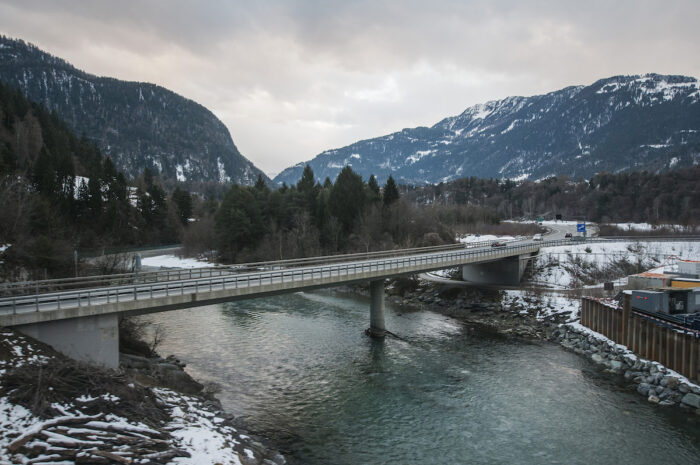
The landscape took a dramatic turn between Ilanz and Reichenau through the Rhine Gorge, where the river carved deeply into the rocks; that’s why it is often called the ‘Swiss Grand Canyon.’
After watching this mesmerizing view for over half an hour, snow began to fall in earnest until there was nothing else to be seen but total whiteness.
We arrived in Chur at 3:30PM as the weather cleared and had to wait an hour to board the train that would take us through the final leg to St. Moritz, 1-1/2 hours away.
Being the capital of the Canton of Graubünden, this city had a large terminal since it was an important railway junction. Here you could take the local connection to Davos or the sleek, high-speed trains to and from Zurich, which we now boarded.
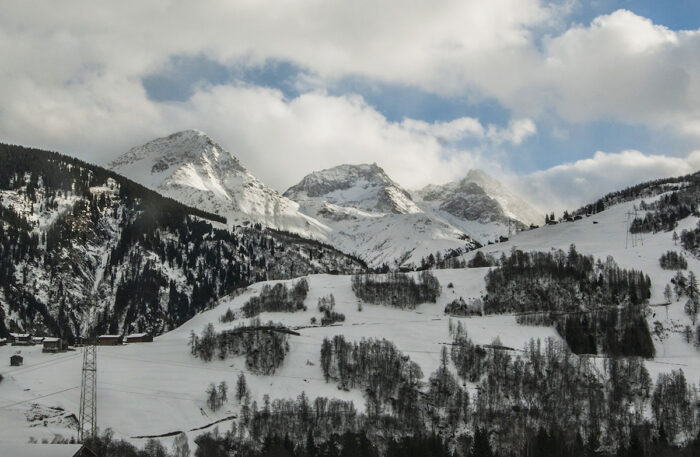
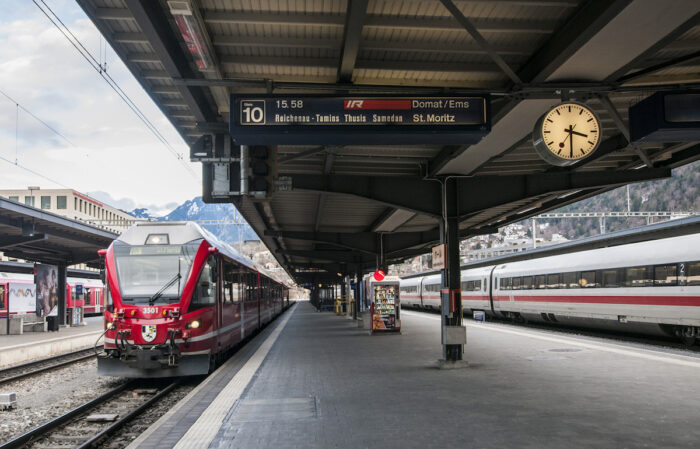
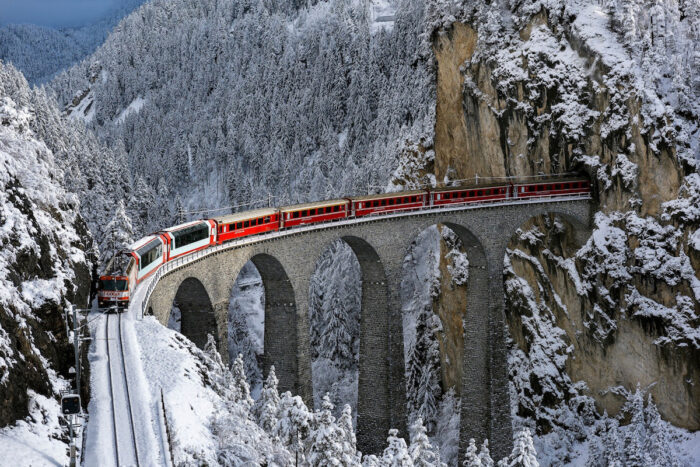
It was starting to get dark as we left. It was quite unfortunate since the views here through the narrow alpine valley were awesome, especially the Landwasser viaduct, which you will mostly see in the publicity shots of Swiss Rail.
It’s quite an engineering marvel as it curves spectacularly high up in space before piercing the side of a mountain through a tunnel. After a steady climb, the train finally reached St. Moritz, the famous Swiss holiday resort town, 1,775 meters up in the mountains.
It was now completely dark, and snow was falling heavily as we got off the connecting bus from the station and slowly made our way to our hotel, tramping on deep, freshly fallen snow in the freezing cold.
As we entered the warm lobby with a huge, bright Christmas tree, I couldn’t help but think what a great journey it had been!
Want more updates about other beautiful tourist attractions in Zermatt, Switzerland? Follow #TeamOutofTown on Facebook, Twitter, Instagram, and Pinterest for more travel ideas.
Also Read:
- 9 Things to Experience at Oasi Zegna in the Northern Italian Alps
- Slow Travel Versus Fast Travel: Which One Is For You?
- 5 Reasons Why You Should Take An Alaskan Cruise From Seattle
- Driving Through Five European Countries In One Day
- 15 Best Things to do in Zermatt, Switzerland