

 Melo Villareal
Top 15 Festivals to Look Out For In the Philippines
Filipinos have a strong cultural tradition of gathering together to enjoy good company and celebrate life’s moments. Nearly every day, you can find a festival, parade, or community event happening somewhere across the country. These celebrations are often marked by vibrant displays of creativity, intricate artistry, and heartfelt passion, with some festivals lasting just a day while others extend for a whole month, showcasing the rich cultural diversity and festive spirit of the Philippines.

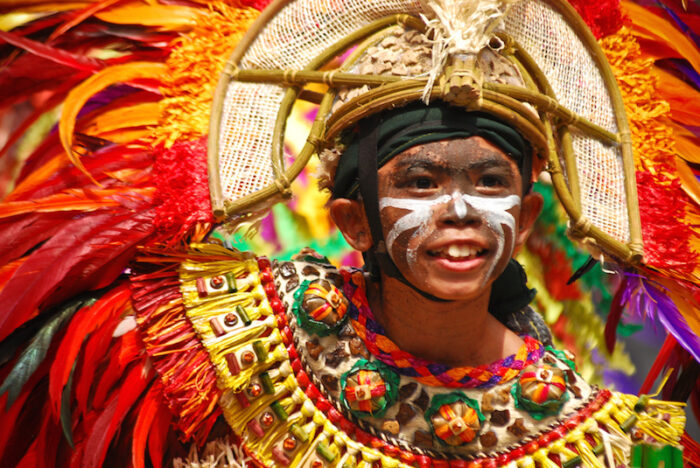
Aliwan Fiesta Streetdancer by Clark Valera via Flickr Creative Commons
The Philippines hosts numerous vibrant and colorful festivals that celebrate its rich history, culture, and traditions. Notable festivals include Cebu City’s Sinulog, Kalibo’s Ati-Atihan, Iloilo City’s Dinagyang, Baguio City’s Panagbenga, and Davao City’s Kadayawan. These well-known festivals feature street dances, parades, and cultural performances that highlight each area’s distinct customs and heritage.
These celebrations are deeply rooted in Filipino culture and partly religious, showcasing the lively spirit of Filipinos worldwide. They highlight the country’s history, traditions, and spiritual beliefs.
Some of these events are so spectacular that they have inspired many of the region’s most famous festivals. If you’re visiting the Philippines this year, here are ten festivals you might enjoy.
Ati-Atihan Festival

Date: Third Sunday of January
Location: Aklan
The Ati-Atihan Festival is regarded as the granddaddy of all festivities in the Philippines, and for a good reason. This religious festivity is one of the oldest Philippine celebrations and is widely touted as the country’s best and biggest Mardi Gras.
The celebration lasts a whole week, peaking on the third Sunday of the New Year. There’s usually a frenzied parade through Kalibo, with celebrants in colorfully painted faces and indigenous costumes taking part in a fun-filled march.
The highlights of this famous festival include mesmerizing tribal dances, loud drum beats, and Catholic rituals. Even if you only prefer to watch the proceedings from a distance, the experience is still truly memorable. It’s a mix of ingenious drama and religious ritual that has no equal.
Looking for a perfect place to stay in Kalibo? Visit Agoda for discounted rates!

Sinulog Festival
Date: Third Sunday of January
Location: Cebu City
On the third weekend of January, Cebu City serves its festival dish, a rival to any in the world. This festival, fondly known as Sinulog, brings together gifted residents of the city and the provinces beyond to showcase their talent through pageantry, street dancing, sports, and other events.
Thousands of people from the Philippines and around the world attend this festival each year, making it one of the most attended festivals worldwide. Added to this kaleidoscope of parades are numerous concerts featuring the Philippines’ most prominent and exciting raves, making Cebu a haven for fun-loving partygoers.
Dinagyang Festival
Date: Fourth Sunday of January
Location: Iloilo City
On the fourth weekend of January, all roads lead to Iloilo City for an annual street party bringing the city to a standstill. Streets are usually closed during this festival, with bands playing on every corner and people enjoying endless food and drinks. There are towering boom boxes everywhere. Different tribes unite for this festival, each presenting entertaining performances and street dance routines.
There are highly competitive performances from different high schools, too. Once a simple celebration of the Child Jesus, this festivity has become such a force that it has received several awards, including the Best Tourism Event of the Philippines from the Association of Tourism Officers of the Philippines.

Panagbenga Festival
Date: February 1 – March 4
Location: Baguio City
February marks the beginning of the vibrant “season of blooming,” a festival that celebrates the rich natural beauty of Baguio City. Renowned for its picturesque landscapes and cool climate, the city transforms into a floral paradise during this time.
The festival features elaborate parades showcasing stunning floral floats, each adorned with a dazzling array of blossoms representing the region’s diverse flora. Children and festival participants dress in vibrant costumes inspired by local flora and fauna, adding to the colorful spectacle.
One of the main attractions is Session Road in Bloom, where the thoroughfare is temporarily closed to traffic, allowing visitors to stroll along a lively street filled with charming flower carts selling a variety of blooms, captivating street dances, and bustling outdoor cafes offering local delicacies.
This celebration provides a delightful and refreshing escape for visitors, especially after the energetic and bustling January festivities, offering a deeper immersion into Baguio’s natural charm and cultural vibrancy.

Moriones Festival
Date: April 2-7
Location: Marinduque Province
During Holy Week in the Philippines, countless devotees and tourists flock to the island province of Marinduque to observe a deeply meaningful weeklong celebration dedicated to St. Longinus. In this vibrant tradition, many participants don helmets and armor to dramatize the historic search conducted by Roman centurions, who once pursued the saint after his conversion to Christianity.
The story recalls the same centurion notorious for piercing Jesus’ side with a lance during the crucifixion. As part of the reenactment, locals perform theatrical processions, with some individuals portraying the saint, while others, dressed as soldiers in authentic-looking armor and helmets, search diligently through the streets and fields, creating a vivid and immersive experience that brings history and faith to life.
Pahiyas Festival
Date: May 14-15
Location: Lucban, Quezon
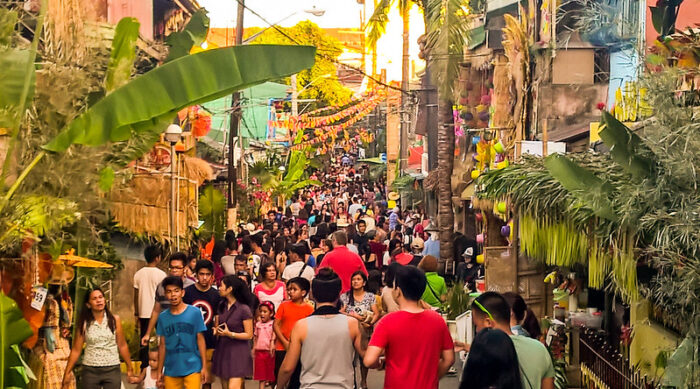
In May, Lucban celebrates its vibrant harvest festival, Pahiyas, a true feast for the senses. The townspeople adorn their homes with a stunning array of farm produce, creating a kaleidoscope of colors that transform the landscape.
These elaborate displays are crafted with competitive flair, elevating the festive atmosphere and showcasing local pride. Visitors are invited to carry a basket and freely pick from the decorative walls of fruits and vegetables, which often include the lush harvests celebrated in the Bahay Kubo song—such as sigarilyas, sitaw, and talong—creating an immersive and lively experience.
Pintados Festival

Date: June 28- June 29
Location: Tacloban City, Leyte
This festival is regarded as the most significant event in Tacloban City in June, drawing residents and visitors alike. It is the fourth annual celebration dedicated to Sto. Niño, the baby Jesus, reflects deeply rooted Filipino traditions and religious devotion.
Filipinos have a cherished cultural value of reminding everyone to embrace a childlike spirit and to cherish and nurture their children, often placing their hopes and aspirations in the younger generation.
Over the years, this festival has steadily grown in popularity, attracting numerous participants who often go on to join the next event on this list—the vibrant, colorful Aliwan Fiesta, which showcases the Philippines’ diverse cultural expressions.
Aliwan Festival
Date: April 26-28
Location: CCP Complex, Pasay City
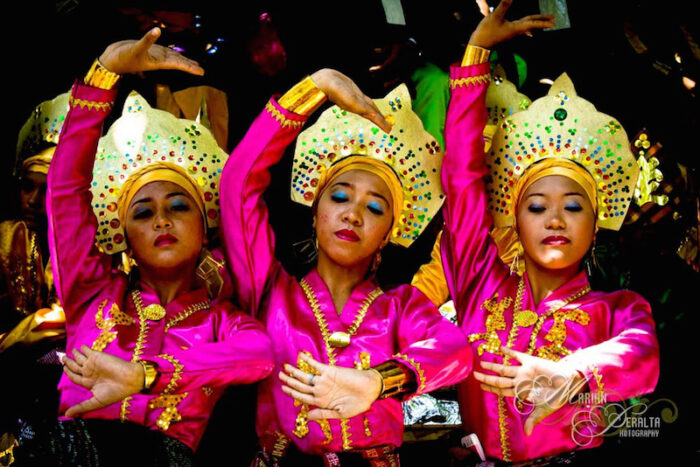
The Aliwan Fiesta is held in the final week of April each year, showcasing a vibrant celebration of Philippine culture. Established in 2003, it is one of the newer festivals in the country, yet its immense popularity rivals that of more traditional events. Located in Pasay City, this lively festival has earned a reputation as the Philippines’ premier cultural event.
It aims to highlight the rich diversity of the nation’s regions, drawing thousands of young men and women from across the country. Participants don stunning, colorful costumes and perform energetic street dance routines, competing for a grand prize of one million pesos, making the event a cultural showcase and a thrilling competitive spectacle.
Penafrancia Festival

Location: Naga, Camarines Sur
Date: 3rd Saturday of September
The Peñafrancia Festival is an annual religious festival held in Naga City, Bicol, Philippines. The festival is in honor of Our Lady of Peñafrancia, the patroness of the Bicol region.
The festival takes place on the third Saturday of September and lasts for nine days. It features a series of religious and cultural events, including a fluvial procession where the image of Our Lady of Peñafrancia is carried on a brightly decorated barge down the Naga River. This is followed by a land procession in which devotees carry the image of the patroness on their shoulders, shouting “Viva la Virgen!”
The festival also features a street dancing competition, where participants perform in colorful traditional costumes and carry images of the Virgin Mary. There are also beauty pageants, a trade fair, and cultural exhibits.
The Peñafrancia Festival is a significant religious and cultural event in the Bicol region, attracting thousands of devotees and visitors from across the country and around the world. It is a celebration of faith and devotion to Our Lady of Peñafrancia, and a showcase of the region’s rich culture and traditions.

Kadayawan Festival
Date: Third Week of August
Location: Davao City
As the second half of the year unfolds, Davao City unites residents and visitors in the largest celebration in Mindanao, the Kadayawan Festival. Held annually during the third week of August, this vibrant event showcases a rich tapestry of Filipino culture through an array of spectacular activities.
The festival features elaborately decorated floral floats that parade through the city streets, showcasing the region’s diverse flora and artistic craftsmanship. Colorful beauty pageants highlight local talent and traditions, while street dancing performances energize the crowds with lively choreography and indigenous music.
Fireworks displays light up the night sky, adding a dramatic flourish to the festivities. Truly, this festival exemplifies the essence of a traditional Filipino celebration, blending cultural heritage, community spirit, and jubilant entertainment.

Philippine International Hot Air Balloon Fiesta
Dates: Every 2nd week of February
Location: Clark Freeport Zone, Angeles City, Pampanga
The Philippine International Hot Air Balloon Fiesta has returned, generating widespread excitement among enthusiasts and visitors alike. This prominent four-day event, traditionally held in Pampanga, has moved to a new venue, offering fresh perspectives and improved facilities.
The festival showcases a diverse array of aviation and adventure activities, including flying demonstrations, skydiving exhibitions, paragliding displays, and the mesmerizing sight of colorful hot-air balloons soaring across the sky.
Recognized as Asia’s longest-running aviation festival, it attracts a global audience of aviators, adventure seekers, and tourists, fostering international camaraderie and celebrating the spirit of flight.
Giant Lantern Festival

Begins: December 17
Ends: January 1
Observed by: City of San Fernando, Pampanga
Significance: Celebrates the start of the Christmas season in the Philippines
The Giant Lantern Festival is a popular event held annually in the City of San Fernando, Pampanga, Philippines, every December. It is also known as the “Ligligan Parul” or the “Parul Sampernandu” in the local Kapampangan language. The festival is a celebration of the holiday season and the creativity of the local lantern makers.
The festival’s main highlight is the giant lantern competition, where participants create intricately designed and illuminated lanterns measuring up to 20 feet in diameter. The competition is divided into two categories – the traditional and the modern – attracting participants from different parts of the country.
The festival also features other events, such as street dancing, cultural shows, and a grand fireworks display. The Giant Lantern Festival has become a significant cultural and tourist attraction in the Philippines, drawing thousands of visitors each year.
Higantes Festival

Location: Angono, Rizal
Date: 22nd and 23rd Day of November
The Higantes Festival is a cultural event celebrated every November 23 in Angono, Rizal, Philippines. The festival features giant papier-mache effigies, known as higantes, made by local artisans and carried through the streets by the participants. The higantes measure up to 10 feet tall and are adorned in colorful clothing and hats.
The Higantes Festival celebrates the town’s patron saint, St. Clement, and its fishing heritage. According to legend, the higantes were used by fishermen to scare away birds that would eat their catch.
During the festival, the participants parade through the streets, dancing to the beat of drums and other musical instruments. They also carry baskets of fruits and vegetables, which they offer to the crowd. The festival culminates with a procession to the church, where a Mass is held in honor of St. Clement.
The Higantes Festival is a unique and colorful celebration of the town’s culture and traditions, attracting locals and tourists alike.
Zamboanga Hermosa Festival

Location: Zamboanga City
Date: October 12th
The Zamboanga Hermosa Festival, also known as the Fiesta Pilar, is an annual festival held in Zamboanga, Philippines. The festival is celebrated every October in honor of the city’s patroness, Our Lady of the Pillar.
The Zamboanga Hermosa Festival features a variety of cultural and religious events, including a fluvial procession, a grand parade, and a regatta. The festival’s highlight is the street dancing competition, where participants wear colorful costumes and perform choreographed dances that showcase the city’s unique cultural heritage.
The city comes alive during the festival, with street vendors selling local delicacies, music and dance performances, and other cultural activities. It is a time for locals to come together and celebrate their heritage and for visitors to experience the vibrant culture and traditions of Zamboanga.
The Zamboanga Hermosa Festival is an important part of the city’s cultural identity, and it has become a popular tourist attraction in the Philippines. It is a celebration of faith, culture, and community, showcasing the rich history and traditions of Zamboanga’s people.
T’Nalak Festival

Location: Koronadal, South Cotabato
Date: 2nd Week of July
The T’nalak Festival is an annual event held in South Cotabato, a province in the southern Philippines. It celebrates the indigenous T’boli tribe’s culture and heritage, particularly their famous handwoven T’nalak cloth.
The festival is held every July and features a variety of cultural events, including street dancing, parades, and performances. The festival’s highlight is the “Hinugyaw sa T’nalak” street-dancing competition, where participants wear colorful costumes made of T’nalak cloth and perform choreographed dances that showcase T’boli culture and traditions.
Apart from the street dancing competition, the festival also features a trade fair where visitors can buy T’nalak products and other local handicrafts. Food stalls also serve traditional T’boli cuisine, along with cultural exhibits and demonstrations.
The T’nalak Festival is an important event for the T’boli community and serves as a platform to promote and preserve their cultural heritage. It also attracts visitors from across the Philippines and around the world who are interested in experiencing and learning about T’boli culture.

With major celebrations happening virtually every month of the year across the country, the Philippines is indeed the land of colorful and exciting festivals. For the fun-loving tourist looking for unforgettable action, there’s always something on offer year-round.
From the lively street dances of Sinulog to the cheerful masks of MassKara and the elaborate Ati-Atihan parades, the Philippines’ top festivals showcase the nation’s rich culture, strong religious traditions, and close-knit community spirit. These events go beyond colorful displays—they tell stories of Filipino identity, resilience, and happiness that are handed down through generations. Every festival features a distinct mix of music, dance, cuisine, and customs, creating memorable experiences for all.
Whether you’re a first-time visitor, a culture lover, or a local rediscovering your homeland’s beauty, exploring these iconic Philippine festivals offers a heartfelt way to immerse yourself in the nation’s spirit. As you prepare for your next trip, let these renowned celebrations lead you to new destinations, meaningful interactions, and unforgettable memories. The Philippines isn’t just a destination—it’s a celebration. So, pack your bags, partake in the festivities, and see for yourself why travelers worldwide are drawn to these festivals.
Frequently Asked Questions
What makes Philippine festivals unique?
Philippine festivals are among the most vibrant and colorful celebrations in the world because they combine centuries-old religious traditions, indigenous customs, local history, music, dance, and community spirit. Many festivals honor patron saints introduced during the Spanish colonial period, while others celebrate bountiful harvests, cultural heritage, or significant historical events. Visitors can expect lively street dancing, elaborate costumes, decorated floats, traditional performances, local delicacies, arts-and-crafts fairs, and exciting cultural exhibitions. Every province has its own identity, making each festival a unique experience that reflects the traditions, creativity, and hospitality of the local people.
What are some of the best festivals to experience in the Philippines?
Some of the country’s most famous festivals include Sinulog Festival in Cebu City, Ati-Atihan Festival in Kalibo, Dinagyang Festival in Iloilo City, Panagbenga Festival in Baguio City, MassKara Festival in Bacolod City, Pahiyas Festival in Lucban, Higantes Festival in Angono, Kadayawan Festival in Davao City, Giant Lantern Festival in San Fernando, Pampanga, and Moriones Festival in Marinduque. Each festival offers a completely different cultural experience, from religious processions and floral parades to street parties, lantern competitions, and indigenous performances.
When is the best time to visit the Philippines for festivals?
The best time depends on which festival you want to attend. January is the busiest festival month, featuring Sinulog, Ati-Atihan, and Dinagyang. February welcomes the colorful Panagbenga Festival, while May features the vibrant Pahiyas Festival. August is perfect for experiencing the Kadayawan Festival in Davao; October is known for the smiling masks of the MassKara Festival; and December showcases the spectacular Giant Lantern Festival in Pampanga. Planning your trip around these dates allows you to experience the country’s rich cultural calendar.
Which Philippine festival is best for first-time international visitors?
Sinulog Festival in Cebu City is often considered the best introduction to Philippine festivals. It combines grand religious ceremonies with massive street parades, cultural performances, concerts, fireworks, and festive celebrations throughout the city. The event is well-organized, attracts millions of visitors annually, and offers plenty of accommodations, restaurants, and tourist attractions, making it ideal for first-time travelers exploring Philippine culture.
Are Philippine festivals family-friendly?
Yes. Most Philippine festivals are suitable for families and visitors of all ages. During the day, families can enjoy cultural shows, food fairs, art exhibits, traditional games, parades, and local markets. Children especially enjoy colorful costumes, giant floats, lively music, and dance performances. Some evening concerts and street parties can become crowded, so families with young children may prefer attending daytime activities for a more relaxed experience.
Are festivals in the Philippines primarily religious or cultural?
Many Philippine festivals combine both religious devotion and cultural celebration. Events like Sinulog, Ati-Atihan, Dinagyang, and Moriones have deep religious roots while also showcasing local traditions through dance, costumes, and theatrical performances. Other festivals, such as Panagbenga and Kadayawan, focus more on celebrating nature, harvests, flowers, and indigenous cultures. This unique blend of faith and culture makes Philippine festivals unlike any other celebrations in Southeast Asia.
How far in advance should I book accommodations?
It is highly recommended to book accommodations at least three to six months before major festivals. Hotels near festival venues often sell out quickly, and room rates typically increase as the event approaches. Early booking also provides more choices in terms of location, price, and amenities. Travelers planning to attend internationally renowned festivals such as Sinulog or MassKara should reserve flights and hotels as early as possible.
What should I wear during Philippine festivals?
Wear lightweight, breathable clothing suitable for the tropical climate. Comfortable walking shoes are essential because many festival activities involve hours of walking or standing. A hat, sunglasses, sunscreen, a reusable water bottle, a portable fan, and a light rain jacket or an umbrella are also recommended, as weather conditions can change quickly. If you plan to join street dancing or parades, choose comfortable attire that allows freedom of movement.
Is it safe to attend major festivals in the Philippines?
Yes, most major festivals are generally safe for tourists, especially when basic travel precautions are observed. Stay aware of your surroundings, secure your valuables, avoid displaying expensive jewelry or electronics, and follow local authorities’ instructions. Since festivals attract large crowds, it’s also advisable to keep emergency contact information handy and establish meeting points if traveling with companions.
What local foods should visitors try during festivals?
Festivals are excellent opportunities to sample regional specialties. Depending on the destination, visitors can enjoy Cebu’s famous lechon, Iloilo’s La Paz Batchoy, Bacolod’s Chicken Inasal, Baguio’s strawberry-inspired treats, Lucban’s Pancit Habhab and Longganisa, Davao’s tropical fruits such as durian and pomelo, and numerous traditional Filipino desserts. Food fairs and street markets are common festival highlights that showcase authentic local cuisine.
Can tourists participate in festival activities?
Absolutely. Many festivals encourage visitors to join street dancing, cultural workshops, community parades, food tastings, and public celebrations. While some religious ceremonies should be observed respectfully, most cultural activities welcome both local and international visitors. Participating in these events offers a deeper appreciation of Filipino traditions and creates memorable travel experiences.
Which festivals are best for photography?
Photography enthusiasts will find endless opportunities during Philippine festivals. Panagbenga offers breathtaking floral floats and gardens; MassKara showcases intricately designed smiling masks; Kadayawan highlights indigenous costumes and tribal performances; Sinulog features energetic street dancers in colorful attire; and the Giant Lantern Festival dazzles visitors with massive illuminated lanterns synchronized to music. Early morning and late afternoon provide the best lighting for capturing vibrant festival scenes.
How can travelers experience festivals responsibly?
Responsible travelers should respect local customs, religious traditions, and cultural performances. Dispose of trash properly, support local artisans by purchasing authentic handicrafts, choose locally owned accommodations and restaurants whenever possible, and ask permission before taking close-up photographs of performers or residents. Respecting local traditions helps preserve these festivals for future generations while ensuring a positive experience for both visitors and host communities.
What are some travel tips for enjoying Philippine festivals?
Arrive early to secure the best viewing spots; keep your itinerary flexible because road closures are common; carry cash for small purchases from local vendors; stay hydrated throughout the day; use public transportation or ride-hailing services when possible; and familiarize yourself with festival schedules in advance. Combining the festival with visits to nearby tourist attractions, historical landmarks, beaches, or nature destinations can make your trip even more rewarding.
Why should every traveler experience at least one Philippine festival?
Experiencing a Philippine festival is one of the best ways to understand the country’s rich history, cultural diversity, religious traditions, and legendary hospitality. Beyond the spectacular parades and colorful costumes, festivals offer meaningful opportunities to connect with local communities, taste authentic regional cuisine, discover centuries-old customs, and witness the joyful spirit that defines Filipino culture. Whether you’re a first-time visitor or a returning traveler, attending one of these celebrations creates unforgettable memories and provides a deeper appreciation for the Philippines’ vibrant cultural heritage.
Manila Travel and Tour Packages
Searching for the best hotels and affordable flights? Check out our complete list of affordable hotels and resorts on Agoda, or browse available Airbnb properties in the city.
Want more updates about upcoming festivals in the Philippines? Please follow #TeamOutofTown on Facebook, Twitter, Instagram, and Pinterest for more travel ideas.
Also Read:
- List of Perfect Beach Destinations Near Manila for Long Weekends & Summer Getaways
- Paraw Regatta Festival: Sailing Through Iloilo’s Rich Maritime Heritage and Timeless Traditions
- Holy Week Traditions in Mansalay, Oriental Mindoro