

 Melo Villareal
Villages of Shirakawa-go in Gifu Prefecture, Japan
After crafting my very own exquisite wax food replica in the charming Sample Village Iwasaki, we set off for the breathtaking villages of Shirakawa-go. The journey took us an hour, winding through the picturesque landscapes from Sample Village Iwasaki in Gujo Hachiman. As we traveled aboard our luxurious bus, I found myself captivated by the stunning scenery that unfolded outside my window. Towering mountain ranges draped in lush greenery flanked us on both sides, while the renowned Hida River meandered gracefully below. The beauty of the surroundings was truly mesmerizing, and it was my bubbling excitement and eagerness to explore another UNESCO World Heritage Site that kept my spirits high and my senses alert as we approached Shirakawa-go, ready to immerse myself in its rich cultural tapestry.

Birds-eye view of the villages of Shirakawa-go
Our first destination was the Shiroyama Tenshukaku Tenbodai, a breathtaking viewpoint that offered a stunning panorama of the historic village of Shirakawa-go. From this vantage point, I was captivated by the idyllic landscape unfolding below; the quaint houses, adorned with their characteristic thatched roofs, resembled a congregation of praying hands reaching toward the sky. The scene was further enhanced by the fact that each house was meticulously aligned, all facing in the same direction. Intrigued by this harmonious arrangement, I turned to our tour guide for an explanation. She revealed that the architects of this picturesque village had designed the homes to align with the prevailing winds, a practical choice that seamlessly blended functionality with aesthetic charm.

The enchanting and fragile beauty of how the entire village adapts to the ebb and flow of environmental and social change is precisely why it earned a distinguished place on the UNESCO World Heritage Sites list in December 1995. As our visit drew to a close, we couldn’t resist capturing the moment, posing for mandatory selfies and group photos against the stunning backdrop of this UNESCO World Heritage Site, ensuring we immortalized the experience in our memories.

Following our brief yet invigorating stop at the Shiroyama Tenshukaku Tenbodai viewpoint, where we soaked in the breathtaking panorama, we made our way to the designated parking lot. Once there, excitement buzzed in the air as our group gathered, ready to embark on an engaging walking tour that promised adventure and discovery at every turn.

As we stepped onto the footbridge, we were greeted by the serene beauty of the Shokawa riverbank below. The gentle murmur of the water flowing over smooth stones created a soothing soundtrack, lulling us into a state of relaxation. Surrounding us, the autumn foliage burst into a vibrant tapestry of reds, oranges, and yellows, transforming the landscape into a breathtaking spectacle that seemed to ignite the very air with warmth and color.

We made our way to the Kanda House, guided by the gentle murmur of the Shokawa River nearby. The autumn chill was beginning to settle in, wrapping us in a brisk embrace as we walked, prompting us to huddle together for warmth. Our spirits lifted the moment we stepped through the entrance of the Kanda House. The welcoming glow of the Irori fireplace instantly enveloped us, casting flickering shadows on the walls and filling the air with a comforting warmth that felt like a gentle hug against the cold.

After basking in the cozy embrace of the fireplace’s flickering orange glow, our tour guide enthusiastically beckoned us to continue our exploration. The rich aroma of beautifully brewed tea wafted through the air, comforting us as we wandered through the enchanting historical house, each room revealing its own story and charm.

The Kanda House, a remarkable testament to the rich heritage of the Kanda family, was established during a time when they were celebrated for their exquisite brewing of traditional Japanese rice wine, sake. Stepping inside the Kanda House is like stepping back into a bygone era, as it exudes an enchanting aura steeped in history and tradition.
On the second floor, visitors are greeted by an evocative exhibit showcasing the vintage machinery that once played a crucial role in the farming and brewing processes. Each piece tells a story of craftsmanship and dedication, capturing the essence of an age when these tools were the backbone of the sake-making tradition.
Ascending to the mezzanine floor, one finds a fire watch window that offers a stunning view of the crowning jewel of the ground floor—the Irori fireplace. This grand centerpiece, with its warm glow and inviting presence, serves as a focal point of the house, embodying the spirit of camaraderie and the warmth of shared moments around the fire. The Kanda House, with its beautifully maintained relics and inviting atmosphere, is a true homage to the art of sake brewing and the enduring legacy of the Kanda family.

After immersing ourselves in the rich details of the house’s interior, we stepped outside into the crisp air, where a charming sight awaited us: the Hasagura. This quaint Gassho-style structure, with its steeply pitched thatched roof, served as a traditional grain-drying shelter. The craftsmanship was evident in the sturdy wooden beams and the unique architecture, which seemed to harmonize perfectly with the surrounding landscape, creating a picturesque scene that spoke to the beauty of rural life.

After our visit to the breathtaking Hasagura, we were granted some free time to explore the charming village. Naturally, we seized the opportunity to capture unforgettable memories and took some group selfies with Mr. Kanda, one of the friendly owners of the quaint house. With smiles all around, we posed in front of the picturesque backdrop before setting off to browse the delightful souvenir shops that lined the village streets.

I broke away from my group, excitement bubbling within me as I hurried through the vibrant stalls in search of the perfect Shirakawa refrigerator magnet. Collecting refrigerator magnets has become a beloved tradition of mine, a tangible way to capture the essence of each place I visit. The colorful displays glimmered enticingly, each one holding a story waiting to be discovered, and I was determined to find that unique piece that would seamlessly blend into my cherished collection.
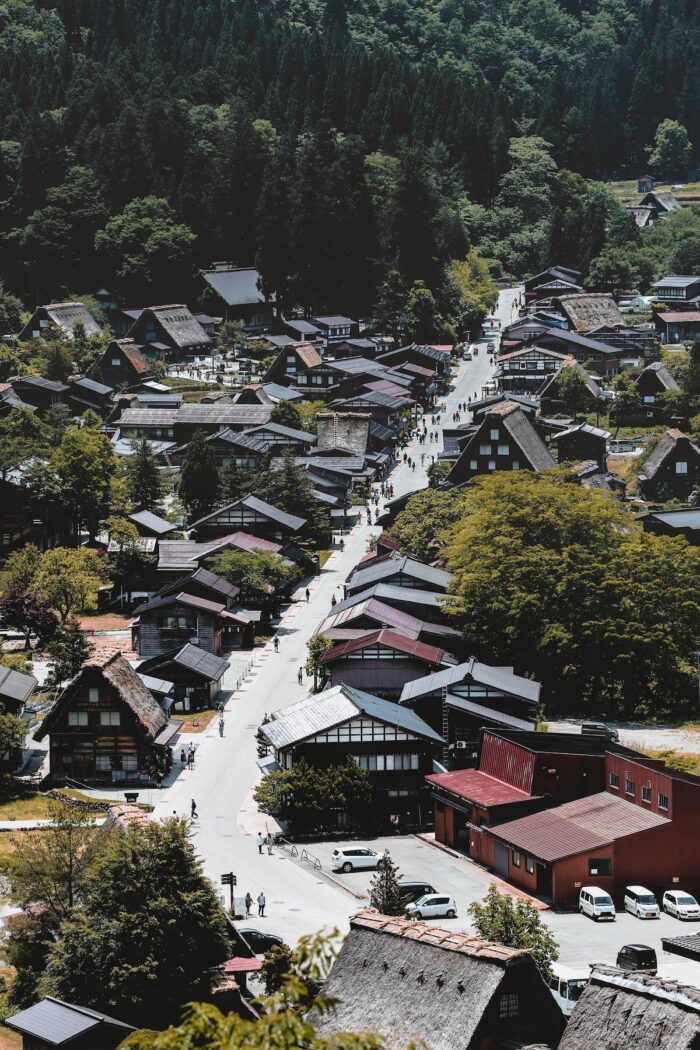
I meandered through the enchanting village before retracing my steps to the designated rendezvous point with the group. As I strolled along the winding garden paths, I marveled at the picturesque rice fields that stretched out like a vibrant green tapestry. The iconic Gassho-Zukuri houses, with their steeply thatched roofs, stood majestically against the backdrop of a crisp autumn sky. The air was imbued with a serene stillness, and the golden leaves whispered secrets of the season. In that tranquil moment, I felt as though I had been transported back in time, savoring the bittersweet beauty of a cold autumn afternoon.

After 30 minutes, we made our way back to the bus stop, eager to embark on our next adventure. The air had turned crisp, with a noticeable chill settling in as the sun dipped lower in the sky. The comforting warmth of the Kanda House’s Irori fireplace and the soothing tea we had savored began to dissipate, leaving us longing for that cozy embrace. Hurrying to escape the briskness, we climbed aboard the bus, grateful for its shelter as we prepared for the journey ahead.

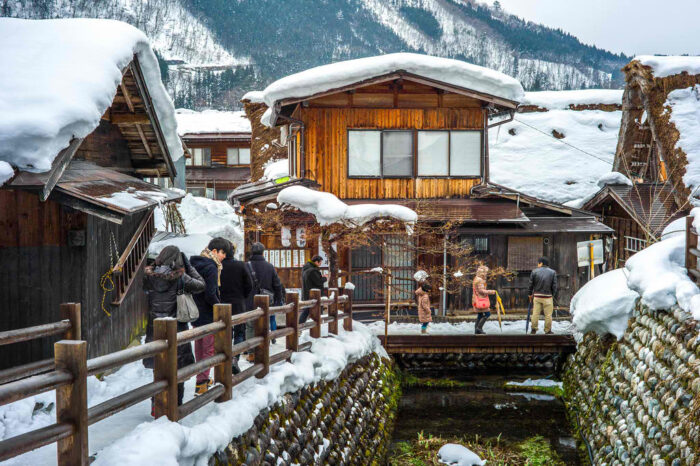
We bid farewell to the enchanting historic villages of Shirakawa-go, our hearts filled with memories as we prepared for our next adventure. My autumn journey through this picturesque village was truly delightful, with its vibrant foliage painting the landscape in warm hues. However, I can’t help but yearn to return in winter, to witness the village transform into a magical wonderland, blanketed in glistening snow. The thought of those charming thatched-roof houses nestled under a layer of white fills me with anticipation for my next visit!

Where to Stay in the Villages of Shirakawa-go
- TOYOTA Shirakawa-Go Eco-Institute (check rates)
- Shirakawago no Yu Hotel (check rates)
- Shirakawa-go Hostel (check rates)

How to get to Shirakawa-go
Accessible by Nohi Bus and Hokuriku Railway Bus either from JR Takayama Station on the Takayama Line (about 60 minutes away) or from JR Kanazawa Station on the Hokuriku Main Line (around 75 minutes away).
Shirakawa Village and Takayama Tour Packages
Do you want to explore the historical sites of Gifu Prefecture in a day? You can book your Shirakawa Village and Takayama tour via Klook.com to experience these cultural treasures of Gifu Prefecture.

Flights from Manila to Nagoya, Japan
Cebu Pacific Air, the leading airline in the Philippines, flies between Manila and Nagoya (Chubu Centrair International Airport) every Tuesday, Thursday, Saturday and Sunday. Book your flights through the CebuPacificAir.com. For updates and seat sale announcements, check out www.facebook.com/
Villages of Shirakawa-go
Address: Ogimachi, Shirakawa-mura, Ono District, Gifu | Map
Shirakawa-go Tourist Association Telephone Number: 05769-6-1013
Website: http://www.shirakawa-go.org/english/index.html
Our Nagoya Familiarization Tour last October 6-10, 2015 was sponsored by Cebu Pacific Air and Centair. Many thanks for this wonderful opportunity 🙂
Check out our complete list of affordable hotels and resorts via Agoda or you may also see available Airbnb properties in the city.
Follow and Subscribe to OutofTownBlog.com on Facebook, Twitter, Instagram, Pinterest, and YouTube for more Travel related updates.
Read:
- The 8 Best Places to Visit in Southeast Asia
- 10 Breathtakingly Beautiful Places in Asia To Visit Before You Die
- 25 Photos and Reasons That Prove Palawan is the Best Island in the World
- Weaving the Threads of Culture: Visiting Lamlifew Village Museum in Sarangani Province
- Shirakawa-go Budget Travel Guide
Originally published January 7, 2016.