Team Out of Town
Erkan Village: A Guide to the Hidden Gem of Penghu County in Taiwan
Erkan Village, also known as Erkan Historical Village, is a unique cultural attraction in Taiwan that preserves nearly 300 years of Southern Min culture. Located on Siyu Island of Penghu County, the village has been cut off from the rest of Taiwan for quite some time, making it an isolated and fascinating living museum for visitors. The village is an ideal destination for those interested in learning about Taiwan’s history and culture.

As you explore Erkan Village, you will be transported back in time to a simpler way of life. The village is home to around 50 traditional homes, many of which feature round-ridged, red-tile roofs and coral stone walls. The houses are polka-dotted with irregularities that peek through the whitewash, adding to the village’s unique charm. The village is also home to friendly locals who are always happy to share their stories and traditions with visitors.
Erkan Village is a protected area for traditional villages by the Penghu County Government. The village is a picturesque fishing village tucked away in the heart of Penghu, and it is a perfect place to immerse yourself in a unique blend of old and new. Whether you’re interested in learning about Taiwan’s history and culture or just want to explore a beautiful and charming village, Erkan Village is a must-visit destination.
Overview of Erkan Village
If you’re looking for a unique cultural experience in Taiwan, Erkan Village in Penghu County should be on your list. This traditional village is known for its well-preserved ancient houses and rich history. Erkan Village is located in Xiyu Township, Penghu County, just a short distance from Daguoye Basalt.

Erkan Village is over 300 years old and was settled by early migrants from Kinmen and other offshore islands to the northwest at the mouth of Xiamen Bay in mainland China during the late years of the Ming dynasty (1368-1644). The village is named after the first settler, Chen Erkan, who was a member of the Chen family.
The architecture of Erkan Village is a unique blend of southern Fujian and Taiwanese styles. The houses are made of coral stone and red brick tiles and feature intricate wooden carvings. Walking through the narrow streets of Erkan Village, you’ll feel like you’ve stepped back in time.
Penghu County Government has listed Erkan Village as a protected area for traditional villages. It’s a small fishing village with a rich history and culture. Visitors can explore the village’s ancient houses, temples, and shrines. The village also has a small museum where you can learn more about Erkan Village’s history.
If you’re interested in traditional Taiwanese culture, Erkan Village is a must-visit destination. The village’s well-preserved ancient houses, unique architecture, and rich history make it a fascinating place to explore.

Historical Significance
Erkan Village is a historical site on Xiyu Island in Penghu, Taiwan. The village is known for its traditional houses, similar in style to those found in South Fujian Province across the Taiwan Strait and in Batanes, the northernmost tip of the Philippines. Most residents of Erkan Village are surnamed Chen, as they share common ancestors who left southern Fujian for Penghu to make a living during the late Qing Dynasty (1644-1911).
Qing Dynasty Influence
Erkan Village was established during the Qing Dynasty and has since become a significant cultural attraction in Penghu. During this period, the village was a bustling center of commerce, with many businessmen and merchants coming to trade. The village’s architecture and way of life reflect the influence of the Qing Dynasty.
Surnamed Chen Legacy
The Chen family has been an integral part of Erkan Village since its establishment. The legacy of the surnamed Chen is evident in the village today, with many residents still bearing the same name. The family’s influence is apparent in the village’s architecture, with many houses belonging to the Chen family.
Ancient Houses
Erkan Village is home to many ancient houses that have been well-preserved over the years. These houses are a testament to the village’s rich history and cultural significance. The houses are built in the traditional southern Fujian style, focusing on symmetry and simplicity. The houses’ design also takes into account the area’s climate, with features such as courtyards and covered walkways.
In conclusion, Erkan Village’s historical significance lies in its connection to the Qing Dynasty, the surnamed Chen lineage, and the well-preserved ancient houses. The village is a testament to Penghu’s rich cultural heritage and is a must-visit destination for anyone interested in history and architecture.
Geographical Features
Erkan Village is a unique place in Penghu County, Taiwan, with a rich history and fascinating geographical features. Here are some of the most notable ones:
Basalt and Beaches
One of the most striking features of Erkan Village is the nearby Daguoye Basalt, a natural wonder that attracts many visitors. This geological formation is the result of volcanic activity that occurred millions of years ago, and it’s characterized by its hexagonal columns that resemble a giant honeycomb.
The Daguoye Basalt is not only a sight to behold, but it’s also the perfect place for a relaxing day at the beach. The basalt formations create natural pools and coves where you can swim, snorkel, or simply soak up the sun. Some of the most popular spots include Erkan Beach, Daguoye Beach, and Shanshui Beach.
Local Corallite
Another unique feature of Erkan Village is the local corallite, a type of limestone that is abundant in the area. This rock is made up of fossilized coral and other marine organisms, and it’s known for its durability and beauty. In fact, many of the traditional houses in Erkan Village are made of corallite, giving the village a distinctive look and feel.
If you’re interested in learning more about corallite and its uses, you can visit the Erkan Corallite Museum, which showcases corallite artifacts and explains the area’s history and culture.
Tourism in Erkan Village
Erkan Village is a unique place in Taiwan that preserves nearly 300 years of Southern Min culture. Isolated and cut off from the rest of Taiwan for quite some time on Siyu Island of Penghu County, the village is a living museum for visitors. In this section, you will learn about the tourist attractions, local cuisine, and water sports that make Erkan Village a popular tourist destination.

Tourist Attractions
Erkan Historical Village is a protected area for traditional villages by the Penghu County Government. The village is a living museum of conventional Southern Min culture, featuring old-style houses, ancestral halls, and temples. The village is also known for its stone houses, built with coral stone, and its ancient wells, still in use today.
Erkan Community is a great place to walk in and around. The village is well worth a visit, especially in winter when the tourists are all hiding. Erkan is like the small villages on Kinmen, and there are only a few villages on Matsu that could arguably better it.
Local Cuisine
Erkan Village is famous for its seafood, especially fresh fish and shrimp. The seafood is caught locally and cooked in the traditional Southern Min style, which is simple and flavorful. The most popular seafood dishes in Erkan Village are fried shrimp, steamed fish, and grilled squid.
In addition to seafood, Erkan Village is known for traditional snacks, including peanut candy, sun cakes, and sweet potato cakes. These snacks are made with local ingredients and have a unique flavor you won’t find anywhere else.
Water Sports
Erkan Village is well-suited for water sports, including swimming, snorkeling, and diving. The village is surrounded by crystal-clear waters, and the coral reefs are home to diverse marine life, including colorful fish, sea turtles, and octopuses.
Several water sports centers in Erkan Village offer equipment rental, training, and guided tours. In conclusion, Erkan Village is an excellent destination for tourists who want to experience traditional Southern Min culture, sample local cuisine, and enjoy water sports in a beautiful setting.
Accommodations in Erkan Village
If you’re planning a trip to Erkan Village, you’ll be pleased to know that several excellent accommodation options are available. Here are two of the best:
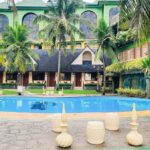
Discovery Hotel
Located at No. 168 Tonghe Rd, the Discovery Hotel is a 4-star, family-friendly hotel offering a range of amenities to ensure a comfortable stay. Some of the highlights include:
- Free breakfast
- Free WiFi
- Free Parking
- Fitness center
- Helpful staff
- Comfy rooms
With a 9.2/10 rating based on 421 reviews, this hotel is a popular choice among visitors to Erkan Village.

MF Hotel Penghu
Another great option is the MF Hotel Penghu at 2 Minchuan Rd. This 3.5-star hotel is also family-friendly and offers a range of amenities, including:
- Free breakfast
- Garden
- Flat-screen TV
- Free WiFi
- Free Parking
With a rating of 8.6 out of 10 based on 363 reviews, this hotel is a solid choice for those seeking comfortable, affordable accommodation in Erkan Village.
Both hotels provide a great base for exploring all that Erkan Village has to offer. Whether you’re here for business or pleasure, you will surely enjoy your stay at one of these top-notch accommodations.
Local Specialties and Shops
Erkan Village is known for its unique local specialties and souvenir shops. As you stroll through the village, you will come across many small shops that offer a variety of products, ranging from handmade crafts to delicious local snacks.

One of the must-try local specialties is peanut candy. You can find this sweet treat in many of the shops in the village. Made with locally sourced peanuts, the candy offers a rich, nutty flavor that satisfies your sweet tooth. You can also find other peanut-based products, such as peanut oil and peanut butter.


If you are looking for a refreshing drink, try the prickly pear juice. This drink is in shop #40, known for its prickly pear products. The juice is made from fresh prickly pears and has a sweet and tangy flavor that is perfect for a hot summer day.

Another popular local specialty is the cactus sorbet in shop #23. Made from fresh cactus fruit, the sorbet has a unique flavor: sweet and tart. It is a perfect dessert after a savory meal.
For tofu lovers, shop #38 offers bowls of tofu tea with peanuts and beans. This drink blends tofu, peanuts, and beans, creating a creamy, nutty flavor. It is a perfect drink for a midday snack.

In addition to these local specialties, you can find many other handmade crafts and souvenirs in the village. From pottery to handcrafted jewelry, there is something for everyone. Take your time to explore the many shops and local specialties Erkan Village offers.
Erkan Village in Popular Culture
Erkan Village has gained recognition in popular culture for its unique architecture and cultural significance. Here are a few examples:
- TV Shows: Erkan Village has been featured in several Taiwanese TV shows, including “Island Etude” and “The King of Adventure.” The village’s traditional architecture and scenic views have made it a popular filming location.
- Music Videos: The music video for Taiwanese singer A-Lin’s song “The One Who Will Leave” was filmed in Erkan Village. The video showcases the village’s charming streets and historic homes.
- Literature: Erkan Village has been the subject of several books and articles. The village’s rich history and cultural significance have inspired many writers to explore its unique character.
- Tourism: Erkan Village has become a popular tourist destination in recent years. Visitors come from around the world to experience the village’s traditional architecture, scenic views, and rich cultural heritage.
Erkan Village’s cultural significance in popular culture is a testament to its enduring appeal. Whether you’re a fan of Taiwanese TV shows, music, or literature or enjoy exploring historic sites, Erkan Village is a must-visit destination.

Frequently Asked Questions
What are some popular attractions to visit in Penghu?
Penghu, a stunning archipelago in the Taiwan Strait, offers numerous attractions that showcase its natural beauty and rich cultural heritage. The Penghu Great Bridge connects several islands and provides spectacular ocean views, while the iconic Penghu Cross-Sea Bridge is an engineering marvel spanning the turquoise waters.
Visitors flock to the famous basalt columns at Daguoye and Xiaomen Geology Gallery, where dramatic volcanic rock formations create breathtaking coastal landscapes. The historic Erkan Traditional Village preserves Fujianese architecture, with well-maintained old houses and narrow alleys. Qimei Island’s Twin Hearts Stone Weir, an ancient fishing trap shaped like two interconnected hearts, has become a romantic photo spot and symbol of the islands.
The pristine beaches at Shanshui and Jibei offer crystal-clear waters ideal for swimming and water sports. In contrast, the Penghu Aquarium and Guanyin Pavilion in Magong offer cultural and educational experiences. During the summer, the spectacular Sea Fireworks Festival attracts thousands of visitors to enjoy dazzling displays against the ocean backdrop.
What is the history of Erkan Village?
Erkan Village is one of Penghu’s best-preserved traditional settlements, with a history spanning more than 300 years. Founded during the Qing Dynasty, the village was established by the Chen clan, who migrated from Fujian Province, China, and settled in Xiyu Township.
The village’s architecture reflects traditional southern Fujian style, characterized by ancient stone houses built from local materials, including coral stones, basalt, and red brick, with distinctive features like ornate wooden doors, stone walls, and traditional courtyards designed to protect against the strong seasonal winds that sweep across Penghu.
At its peak, Erkan was a thriving community, but like many rural villages, it experienced significant depopulation as younger generations moved to urban areas for work and education. In the 1990s, recognizing the cultural and historical value of the settlement, the Taiwanese government and local community initiated preservation efforts to restore the traditional buildings and revitalize the village.
Today, Erkan has been transformed into a living museum and cultural heritage site where visitors can explore well-maintained conventional houses, including the Chen Family Ancestral Hall, and experience Penghu culture through small museums, tea houses, and shops selling local products such as traditional Chinese herbal remedies and peanut candy.
The village successfully balances preservation with community life, as some descendants of the original families still reside there, maintaining their ancestral homes while welcoming tourists to learn about Penghu’s traditional way of life.
What are some traditional dishes to try in Penghu?
Penghu’s traditional cuisine is deeply influenced by its island geography and fishing culture, offering unique seafood-based dishes that reflect the archipelago’s maritime heritage. Fresh seafood is the cornerstone of local dining, with specialties including grilled squid, sea urchin roe, lobster, crab, and an incredible variety of fish prepared in multiple ways, including steaming, grilling, and making into soups.
One must-try dish is Penghu fish noodle soup, featuring fresh local fish in a light, flavorful broth served with thin noodles. Cactus ice cream and cactus-based dishes are unique to Penghu, made from the prickly pear cactus that grows abundantly across the windswept islands, offering a refreshing taste with potential health benefits. Dried squid and other dried seafood products are popular souvenirs and snacks, processed using traditional sun-drying methods enhanced by Penghu’s strong winds and sunshine.
The local peanut candy is famous throughout Taiwan and is made from high-quality peanuts grown in Penghu’s sandy soil. It is often purchased in Erkan Village and other traditional settlements. Purple seaweed (??) harvested from Penghu’s rocky shores is used in soups and various dishes, prized for its nutritional value and distinct ocean flavor.
Fresh oysters cultivated in Penghu’s clean waters are enjoyed raw, grilled, or fried. At the same time, sea snails and other shellfish are commonly served at local restaurants and night markets, showcasing the incredible bounty of the surrounding seas.
How can I get to Erkan Village?
Erkan Village is located in Xiyu Township on the western side of Penghu’s main island group, and travel there requires some planning, as public transportation options are limited. The most convenient way to reach Erkan Village is by renting a scooter or car from Magong City, the primary urban center where most tourists arrive via Penghu Airport or ferry terminal—the drive takes approximately 30-40 minutes heading northwest along County Route 203, and having your own transportation allows you the flexibility to explore other nearby attractions like the Penghu Cross-Sea Bridge, Whale Cave, and Xiaomen Geology Gallery along the way.
Taxi services are available from Magong, but round-trip fares can be expensive, so it’s advisable to negotiate the fare in advance or arrange for the driver to wait while you explore the village. Some visitors opt for organized tours offered by local travel agencies, which typically include Erkan Village as part of a western islands itinerary along with other popular sites, providing transportation and a guide who can explain the historical and cultural significance of the locations.
Public buses do operate in Penghu, but routes to Erkan Village are infrequent. They may not align well with tourist schedules, making this option less practical unless you have ample time and flexibility. Many hotels and guesthouses in Magong can arrange transportation or provide information on the best way to reach Erkan Village, based on your specific needs and group size. Since the village is relatively small, you can easily explore it on foot once you arrive, spending 1-2 hours wandering through the traditional streets and visiting the old houses and small museums.
What are some recommended accommodations in Penghu?
Penghu offers a diverse range of accommodations to suit different budgets and preferences, with most lodging options concentrated in Magong City, the archipelago’s main urban center and transportation hub. Hotels in Magong provide convenient access to restaurants, shops, and the ferry terminal, with popular choices including the Penghu Royal Hotel, Hotel Ever Spring, and Fullon Hotel Penghu, which offer modern amenities, comfortable rooms, and English-speaking staff to assist international visitors.
For those seeking more authentic local experiences, guesthouses and B&Bs are scattered throughout the islands, often family-run establishments where hosts provide personalized service, regional insights, and sometimes home-cooked meals featuring fresh Penghu seafood—these can be found in Magong as well as in quieter areas like Huxi and Baisha townships. Seaside resorts and boutique hotels near beaches such as Shanshui Beach and Jibei Island cater to travelers seeking oceanfront views and easy beach access, ideal for summer vacations and water sports enthusiasts.
Homestays in traditional villages offer unique cultural immersion opportunities, though options are more limited and may require advance booking and some Mandarin language ability to communicate with hosts. Budget travelers can find hostels and simple guesthouses in Magong with basic but clean facilities at affordable prices. During peak summer season (June-August), especially during the Sea Fireworks Festival, accommodations fill up quickly, and prices increase significantly, so booking well in advance is strongly recommended.
For island-hopping adventures to outer islands such as Qimei or Wang’an, limited accommodations are available locally, typically small guesthouses, where staying overnight lets you experience the slower pace of island life away from the main tourist areas.
What activities are available in Erkan Village?
Erkan Village offers visitors a unique opportunity to step back in time and experience Penghu’s traditional culture through activities centered on heritage preservation and local craftsmanship. The primary activity is exploring the traditional architecture, where you can wander through narrow stone-paved alleys lined with beautifully restored houses built from coral stone and basalt, observing the distinctive Fujianese-style construction techniques, including ornate wooden doors, stone walls, and traditional courtyards designed to withstand Penghu’s strong winds.
The Chen Family Ancestral Hall serves as a focal point for understanding the village’s clan history and traditional family structures that shaped community life for generations. Several buildings have been converted into small museums and cultural exhibits displaying antique furniture, farming tools, fishing equipment, and household items that illustrate daily life in old Penghu, providing educational insights into the island’s maritime culture and agricultural traditions.
Visitors can sample and purchase local products at various shops, including traditional Chinese medicinal herbs, teas, and the famous Penghu peanut candy, with some establishments offering demonstrations of traditional candy-making processes. The village operates tea houses where you can rest and enjoy traditional Taiwanese tea in a historic setting, soaking up the authentic atmosphere. Photography is extremely popular in Erkan Village, as the well-preserved traditional buildings, stone walls covered with climbing plants, and charming alleyways create picturesque scenes that capture the essence of old Taiwan.
The village occasionally hosts cultural events and festivals showcasing traditional performances, crafts, and local customs. These are typically seasonal or tied to specific holidays, so checking the schedule in advance can enhance your visit with these exceptional cultural experiences.
Penghu, Taiwan Travel and Tour Packages
Want more updates about new package tours and tourist attractions in Penghu, Taiwan, that you can add to your itinerary?
Follow the Out of Town Travel Blog on Facebook, Twitter, Instagram, and Pinterest if you want more travel and food-related updates.
Read:
- 10 Best Things to do in Penghu + Tourist Spots & Places to Visit
- 4 Reasons To Visit Southern California
- 7 Best Airbnbs in Davao City
- Hotel Review: Tea County Resort in Munnar, Kerala