

 Team Out of Town
11 Low-Cost Airlines in Asia That Are Actually Worth It
Traveling around Asia doesn’t always have to be expensive. Thanks to the rise of low-cost carriers, getting from one country to another—or even from one island to another—can cost surprisingly little, especially if you know when to book.

Best Low-Cost Airlines in Asia
The best budget airlines in Asia have also come a long way. They are no longer simply about finding the cheapest seat. Many now offer extensive networks, modern aircraft, convenient flight schedules, and surprisingly good connectivity across the region.
Of course, the lowest advertised fare isn’t always the final price. Baggage, seat selection, meals, and other extras can add to the bill. Still, when planned properly, flying with a low-cost carrier can leave you with more money to spend on hotels, food, shopping, and experiences.
Here are 11 of the best low-cost airlines in Asia worth considering for your next trip.
1. AirAsia

AirAsia is practically synonymous with affordable air travel in Southeast Asia. The Malaysian airline started operations in 2001 and quickly became one of the biggest names in the region’s budget aviation industry. Its famous “Now Everyone Can Fly” philosophy helped change the way people in Asia think about air travel.
What makes AirAsia one of the best low-cost airlines in Asia is its enormous network. Depending on the operating airline within the group, travelers can find flights connecting major cities, beach destinations, smaller regional airports, and some of Asia’s most popular holiday spots.
For travelers based in Southeast Asia, AirAsia is particularly useful for spontaneous getaways. Kuala Lumpur, Bangkok, Bali, Manila, Singapore, and many other destinations are connected through its extensive network.
The airline also offers a wide range of optional services, allowing passengers to pay only for what they need. If you’re traveling light and flexible with your dates, AirAsia can offer some excellent deals.
Headquarters: Kuala Lumpur, Malaysia
2. Cebu Pacific
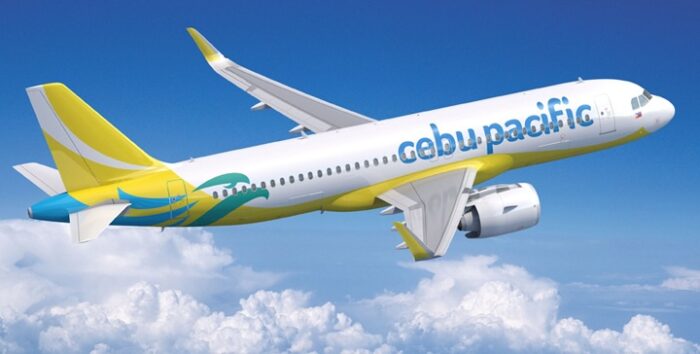
For Filipino travelers, Cebu Pacific needs little introduction. The airline was founded in 1988 and began commercial operations in 1996, initially connecting Manila and Cebu. It eventually grew into one of the Philippines’ largest airlines and an important player in Southeast Asia’s low-cost aviation market.
Cebu Pacific’s biggest strength is its extensive domestic network. With thousands of islands making up the Philippines, affordable air connections are essential, and the airline has made it much easier to travel between major cities and popular tourist destinations.
It has also expanded significantly overseas, connecting Philippine gateways with destinations across Japan, South Korea, China, Southeast Asia, and other parts of Asia.
One of the things passengers particularly look forward to is Cebu Pacific’s frequent seat sales. These promotions have become something of a travel tradition among Filipino travelers, with many people planning trips around discounted fares.
For budget travelers, Cebu Pacific remains one of the easiest ways to explore both the Philippines and the rest of Asia from Manila, Cebu, and other Philippine gateways.
Headquarters: Pasay City, Metro Manila, Philippines
3. Scoot
![Where is Scoot flying to next? [Image Credit: Scoot]](https://outoftownblog.com/wp-content/uploads/2017/12/scoot_airlines.jpg)
What makes Scoot interesting is that it doesn’t limit itself to short flights. While it serves plenty of destinations around Southeast Asia and East Asia, it also operates longer international routes using Boeing 787 Dreamliners.
This gives travelers something that isn’t always easy to find in the low-cost market: relatively affordable long-haul flights.
Singapore is already one of Asia’s most important aviation hubs, so Scoot’s home base is another major advantage. Travelers can use Singapore as a jumping-off point for exploring Southeast Asia, Japan, Australia, Europe, and other destinations served by the airline.
Scoot follows the typical low-cost model, meaning passengers can choose which extras they want to pay for. If you don’t need a meal, checked baggage, or a particular seat, you can keep the basic fare relatively low.
Headquarters: Singapore
4. Vietjet Air

Vietnam’s Vietjet has become one of the most recognizable low-cost airlines in Asia. Founded in 2007, the airline launched commercial operations in 2011 and quickly expanded as Vietnam’s tourism and aviation industries took off.
One of Vietjet’s biggest advantages is its extensive domestic network. It connects Hanoi, Ho Chi Minh City, Da Nang, Nha Trang, Phu Quoc, and other destinations, making it convenient for travelers who want to see more than one part of Vietnam.
Its international network has also grown considerably, with flights linking Vietnam to destinations across Asia.
For travelers, Vietjet can be particularly attractive when planning a multi-city Vietnam itinerary. Instead of spending hours on a train or bus between destinations, an affordable flight can sometimes save an entire day of travel.
The airline follows a straightforward low-cost model, with passengers able to add baggage, meals, preferred seats, and other services according to their needs.
If you’re planning a trip to Vietnam and want to visit several cities, Vietjet is definitely an airline worth checking.
Headquarters: Ho Chi Minh City, Vietnam
5. IndiGo
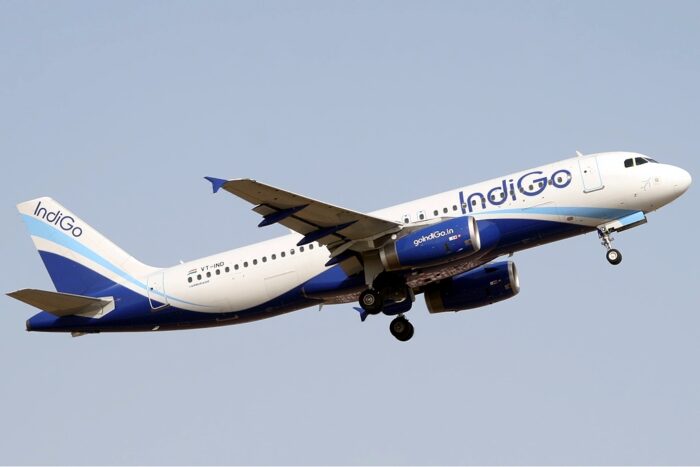
India is enormous, and getting around the country by air can save travelers a tremendous amount of time. This is where IndiGo comes in.
Founded in 2006, IndiGo has grown into India’s largest airline and one of Asia’s most important low-cost carriers. Its strategy has always focused on affordable fares, a relatively simple onboard experience, and an extensive network.
The airline’s domestic network is its biggest strength. It connects major cities such as Delhi, Mumbai, Bengaluru, Kolkata, Chennai, Hyderabad, and many smaller destinations.
IndiGo has also expanded internationally, making it increasingly useful for travelers flying between India and other parts of Asia.
One reason the airline has been successful is its focus on efficiency. Rather than trying to provide a traditional full-service airline experience, IndiGo concentrates on getting passengers where they need to go at competitive prices.
For travelers exploring India, this can be a huge advantage. Long distances that would take many hours by train can often be covered in just a few hours by air.
Headquarters: Gurugram, Haryana, India
6. Peach Aviation
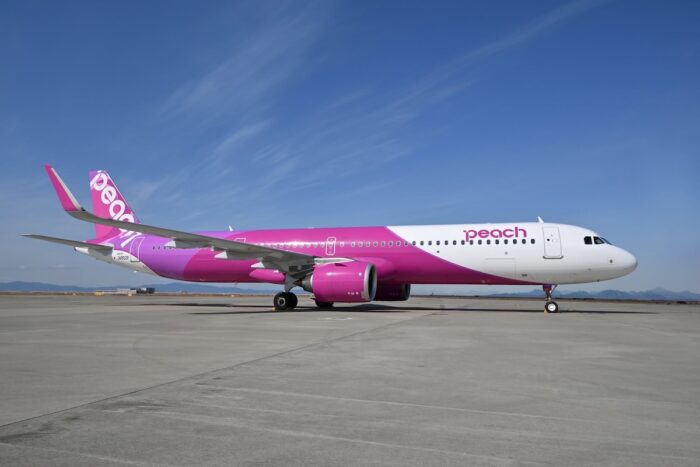
Peach Aviation brings a distinctly Japanese personality to low-cost flying. Established in 2011, the airline began commercial operations in 2012 from Osaka’s Kansai International Airport.
It was among Japan’s early major low-cost carriers and helped make domestic and international travel more affordable for younger travelers and independent tourists.
Peach is particularly useful for exploring Japan beyond the usual Tokyo-Kyoto-Osaka itinerary. Its network includes popular destinations such as Sapporo and Okinawa, allowing travelers to easily add different regions to their trip.
The airline also operates international routes to destinations in other parts of Asia.
What makes Peach stand out is the combination of affordable fares and a distinctly Japanese approach to service. The airline has a fun, colorful personality, but the experience remains relatively straightforward.
For travelers who are comfortable traveling light, Peach can be an excellent way to move around Japan without spending a large portion of the travel budget on transportation.
If you’re planning to explore multiple Japanese cities—or want to combine Japan with another Asian destination—it’s worth checking Peach’s routes before booking your trip.
Headquarters: Izumisano, Osaka Prefecture, Japan
7. Jeju Air

South Korea’s Jeju Air started in 2005 and initially built its reputation on domestic flights, particularly services between Seoul and Jeju Island.
As demand for affordable air travel grew, the airline expanded internationally and became one of South Korea’s best-known low-cost carriers.
The airline’s name might suggest that it’s mainly about getting to Jeju, but its network now stretches much further. Jeju Air connects South Korea with numerous destinations across Japan, Southeast Asia, China, and other parts of Asia.
For tourists, one of its biggest advantages is the ability to combine South Korea with other destinations without paying traditional full-service airline prices.
Jeju Air is also particularly useful for travelers who want to explore Jeju Island. The island is a favorite domestic holiday destination for Koreans, and having affordable flights makes it much easier for international visitors to add Jeju to a South Korea itinerary.
Whether you’re planning a quick Seoul getaway, a beach escape to Jeju, or a longer Asian adventure, Jeju Air is a carrier worth considering.
Headquarters: Jeju City, South Korea
8. HK Express
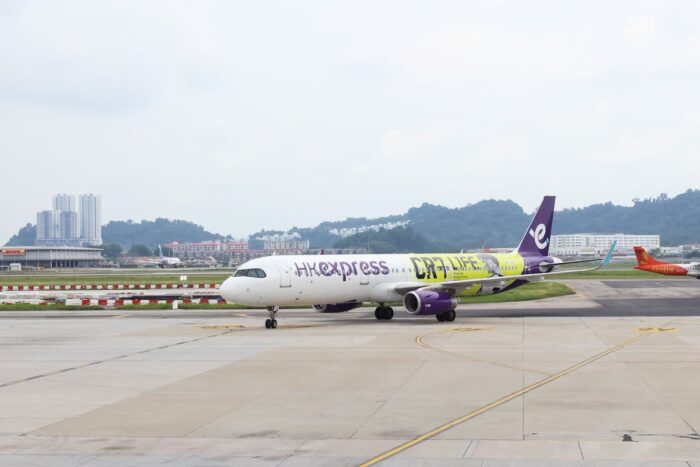
Hong Kong has long been one of Asia’s major travel hubs, and HK Express has carved out a niche by making it easier to fly from the city to popular destinations around Asia.
The airline was established in 2004 and began operations in 2005. It later became part of the Cathay Group, giving it a strong connection to one of Asia’s most established aviation brands.
HK Express focuses primarily on leisure travel, with a network covering destinations in Japan, South Korea, Southeast Asia, and other Asian markets.
For travelers who love Japan, in particular, HK Express can be a useful option, with Hong Kong serving as a convenient gateway to numerous Japanese cities.
The airline’s low-cost model means passengers can choose which extras they actually need. For someone traveling with just a small bag and looking for a basic seat, this can translate into considerable savings.
HK Express is also useful for travelers building multi-country itineraries around Asia. A short stay in Hong Kong followed by a relatively inexpensive flight to another Asian city can make for a great holiday combination.
Headquarters: Hong Kong, China
9. Jin Air

Jin Air entered the South Korean aviation market in 2008 and began operations with domestic routes before expanding internationally. It is part of the Korean Air Group, which gives the airline a connection to one of the country’s best-known aviation companies.
Today, Jin Air serves a wide range of destinations across Asia and beyond. Its network includes Japan, China, Southeast Asia, Taiwan, Guam, Australia, and the Philippines.
One of its biggest advantages is the combination of affordable fares and a relatively broad international network. For travelers departing South Korea, it can provide an economical alternative to both full-service airlines and other budget carriers.
Jin Air is particularly useful for leisure travelers. Popular holiday destinations across Southeast Asia and Japan are well represented, making it easy to plan a beach vacation, city break, or multi-destination trip.
For Filipinos, the airline can also be worth checking when planning trips to South Korea or connecting to other destinations in the region.
Headquarters: Seoul, South Korea
10. Spring Airlines
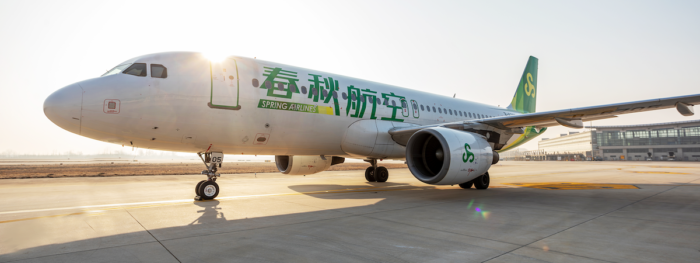
Spring Airlines is one of China’s pioneering low-cost carriers. Founded in 2004, the airline began flying in 2005, initially connecting Shanghai with Yantai.
The airline was created with a very clear objective: keep air travel affordable by operating efficiently and limiting some of the traditional services associated with full-service airlines.
That approach has allowed Spring Airlines to build an extensive network covering destinations throughout China as well as selected international markets.
Its base in Shanghai is another advantage. One of China’s biggest and busiest cities, Shanghai provides an excellent starting point for exploring other parts of the country.
For travelers visiting China, Spring Airlines can be especially useful when traveling between cities that are too far apart for a quick train journey but where full-service airline tickets may be more expensive.
The experience is very much centered on the basics: getting you from one destination to another at a competitive price. Travelers who don’t mind paying separately for additional services may find Spring Airlines particularly good value.
Headquarters: Shanghai, China
11. ZIPAIR Tokyo
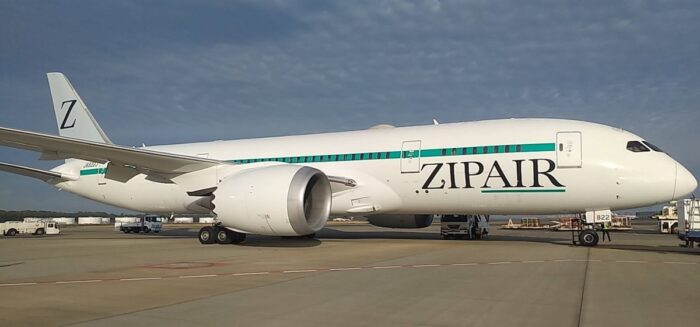
ZIPAIR is one of the newer names in Asia’s low-cost aviation industry, but it has quickly attracted attention because it approaches budget flying a little differently.
Established by Japan Airlines in 2018, ZIPAIR began operations in 2020. Instead of focusing primarily on short domestic or regional flights, the airline was designed around longer international routes using Boeing 787 aircraft.
That makes ZIPAIR particularly appealing to travelers who want affordable long-haul flights from Japan.
From its base at Tokyo Narita International Airport, the airline serves destinations across Asia as well as selected cities in North America and other markets.
ZIPAIR follows an à-la-carte approach. The basic fare covers the flight, while passengers can pay for additional services such as meals, baggage, and seat options.
This can work particularly well for independent travelers who don’t need the traditional full-service airline package. If you’re happy to bring minimal luggage and don’t care about having a complimentary meal, the savings can be significant.
For travelers looking for an affordable way to fly between Japan, Asia, and North America, ZIPAIR is one of the most interesting low-cost options to consider.
Headquarters: Narita, Chiba, Japan
Final Thoughts
Asia is arguably one of the best regions in the world for budget air travel. The sheer number of low-cost carriers means travelers have more choices than ever when planning a trip.
AirAsia and Cebu Pacific are particularly useful for exploring Southeast Asia and the Philippines, while Scoot and ZIPAIR offer interesting options for longer international journeys. In Northeast Asia, Peach Aviation, Jeju Air, Jin Air, and HK Express make it easier to travel between Japan, South Korea, Hong Kong, and neighboring destinations. Meanwhile, Vietjet and IndiGo are excellent choices for exploring Vietnam and India.
But here’s an important tip: don’t choose an airline based solely on the headline fare.
A ticket that looks incredibly cheap can become much more expensive once you add checked baggage, seat selection, meals, airport transfers, and other extras. Before booking, compare the total cost and check the baggage allowance carefully.
When you do your homework, however, low-cost airlines can be one of the best ways to see more of Asia without blowing your travel budget.
Want more Updates? Please follow #TeamOutofTown on Facebook, Twitter, Instagram, and Pinterest for more travel ideas.
Also Read:
- 10 Wonders of South Korea: Culture, Nature, and Food You Must Try
- JEJU ISLAND TRAVEL GUIDE: Best Things to Do, Where to Stay, Food, Itinerary & Local Tips
- Top 15 Best Things to Do in Jeju Island, South Korea