

 Melo Villareal
The Singkil dance is one of the Philippines’ most iconic and visually captivating traditional dances. Known for its graceful movements, intricate footwork, and the dramatic use of clashing bamboo poles, Singkil represents the elegance, resilience, and rich cultural heritage of the Maranao people of Mindanao. Often performed during cultural festivals, school programs, and national celebrations, the dance has become an enduring symbol of Filipino artistry and tradition.
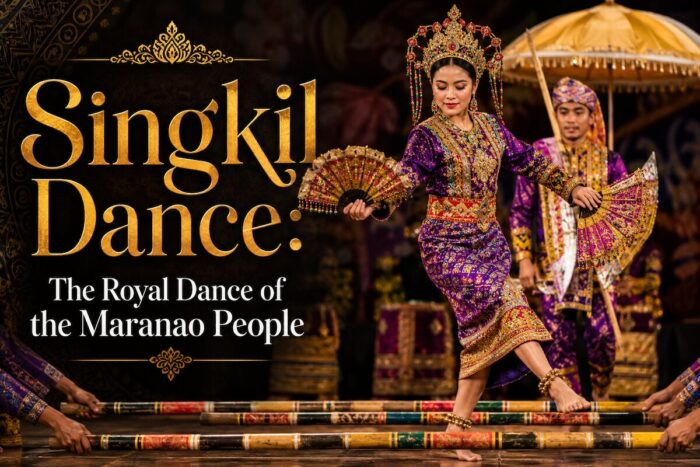
Singkil Dance: The Royal Dance of the Maranao People
While many Filipinos recognize Singkil for its spectacular choreography, its deeper roots lie in the centuries-old traditions and epic literature of the Maranao people. Understanding the dance offers a fascinating glimpse into the customs, beliefs, and royal heritage of one of the country’s oldest Muslim ethnolinguistic groups.
What Is the Singkil Dance?
Singkil is a traditional dance originating from the Maranao people of Lanao del Sur in Mindanao. It is considered one of the finest examples of royal court dances in the Philippines.
The dance depicts a dramatic episode from the Darangen, an ancient Maranao epic recognized by UNESCO as part of the Intangible Cultural Heritage of Humanity. The story follows Princess Gandingan as she gracefully navigates through falling trees during an earthquake caused by forest spirits while Prince Bantugan rescues her.
The name “Singkil” comes from the bells or rings traditionally worn around the ankles of the female dancer. As she moves gracefully between the bamboo poles, these ornaments produce rhythmic sounds that complement the accompanying music.
History of the Singkil Dance
The origins of Singkil can be traced to the royal courts of the Maranao Sultanate, where dances served as entertainment for nobility and as expressions of cultural identity. Unlike many Philippine folk dances that originated from farming communities or Spanish colonial influences, Singkil reflects the refined traditions of the Muslim communities of Mindanao.
The dance draws inspiration from the Darangen, an epic poem consisting of numerous stories that recount the adventures of Prince Bantugan and other legendary heroes. Passed down orally for generations, the Darangen preserves the customs, values, and worldview of the Maranao people.
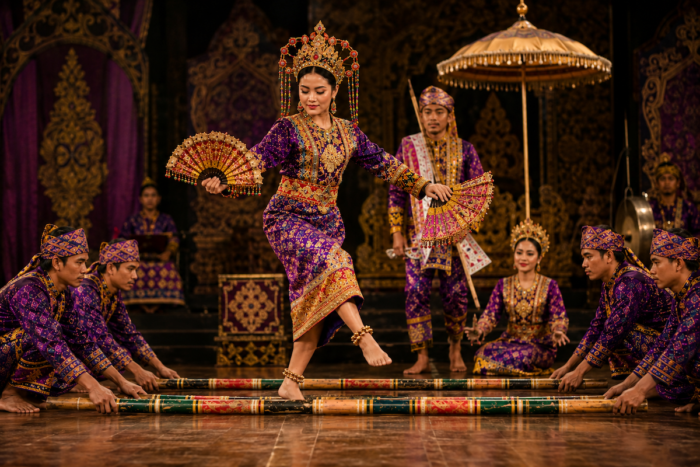
Traditionally, Singkil was performed by women of noble birth. Over time, the dance evolved into a staged performance featuring additional dancers portraying attendants, umbrella bearers, and the heroic prince. Today, it is commonly performed by cultural dance companies, universities, and schools throughout the Philippines and abroad.
Cultural Significance of Singkil
Singkil represents much more than a graceful dance performance. It embodies several important aspects of Maranao culture and identity.
Symbol of Royal Heritage
The elaborate costumes, jewelry, umbrellas, and fans used during the performance reflect the elegance and sophistication of the Maranao royal courts. Every movement emphasizes dignity, grace, and refinement.
Celebration of Courage and Perseverance
The dance symbolizes overcoming life’s obstacles. The moving bamboo poles represent challenges, while the dancer’s ability to navigate them without missteps illustrates resilience, balance, and determination.
Preservation of Indigenous Traditions
Singkil helps preserve the oral traditions of the Maranao people by bringing stories from the Darangen to life through music and dance. It serves as a living reminder of Mindanao’s rich cultural heritage.
National Cultural Treasure
Today, Singkil is one of the most recognized Philippine folk dances. It is frequently performed during Independence Day celebrations, tourism events, cultural festivals, and international performances representing Filipino culture.
The Story Behind the Dance
According to the Darangen epic, Princess Gandingan is caught in a devastating earthquake while walking through the forest. Massive trees begin to fall around her as forest spirits create chaos.
Despite the danger, the princess maintains her elegance while carefully avoiding the falling obstacles. Eventually, the heroic Prince Bantugan arrives to rescue her.
Modern performances often emphasize the romantic reunion between the prince and princess, although traditional versions focus primarily on the princess’s grace and composure during adversity.
How the Singkil Dance Is Performed
Singkil is famous for its intricate choreography involving two pairs of bamboo poles.
The poles are placed parallel on the floor and rhythmically struck together before being opened apart. Dancers must precisely time each step to avoid getting caught between the rapidly clapping bamboo poles.
A typical performance includes:
- A female lead portraying Princess Gandingan.
- A male dancer portraying Prince Bantugan.
- Attendants carrying decorative fans.
- Umbrella bearers symbolizing royalty.
- Bamboo pole handlers who maintain the rhythmic pattern.
As the dance progresses, the tempo gradually increases, making the choreography more challenging and exciting.
Music Accompanying the Singkil Dance
Traditional Maranao music accompanies the performance using indigenous instruments such as:
- Kulintang (set of graduated gongs)
- Agung (large hanging gongs)
- Dabakan (drum)
- Babandil (small timekeeping gong)
- Gandingan (suspended gongs)
The rhythmic patterns produced by these instruments synchronize perfectly with the movement of the bamboo poles and dancers.
Traditional Costumes
One of the highlights of Singkil is its vibrant royal attire.
The female dancer typically wears:
- A colorful malong
- Long-sleeved embroidered blouse
- Elaborate jewelry
- Decorative crown or headdress
- Bells around the ankles
- Elegant fan
The male dancer wears:
- Traditional royal attire
- Decorative sash
- Turban or headpiece
- Ceremonial sword and shield (in some performances)
The rich colors and intricate embroidery reflect the artistry of Maranao textile traditions.
The Role of Bamboo Poles
The bamboo poles are the defining feature of Singkil.
Their synchronized movement creates both rhythm and dramatic tension. The dancers’ ability to step between the poles with precision demonstrates exceptional coordination, agility, and concentration.
The poles are often interpreted as symbolic obstacles in life that must be overcome with grace and wisdom.
Singkil in Modern Times
Today, Singkil continues to evolve while maintaining its traditional roots.
Professional dance companies have developed elaborate theatrical versions featuring larger casts, enhanced choreography, and grand stage productions. Schools across the Philippines frequently include Singkil in cultural presentations, allowing younger generations to appreciate the country’s diverse heritage.
International cultural festivals also feature Singkil as one of the Philippines’ premier traditional performances, introducing global audiences to the beauty of Maranao culture.
Why Singkil Remains Popular
Several factors contribute to the dance’s enduring appeal:
- Stunning visual choreography
- Rich historical and literary background
- Colorful traditional costumes
- Dramatic storytelling
- Challenging bamboo pole movements
- Strong representation of Filipino cultural diversity
Its combination of elegance, athleticism, music, and storytelling makes Singkil one of the country’s most unforgettable cultural performances.
Interesting Facts About Singkil
- Singkil originated from the Maranao people of Lanao del Sur.
- The dance is inspired by the Darangen, the Maranao epic.
- The Darangen is recognized by UNESCO as Intangible Cultural Heritage.
- The name “Singkil” refers to the ankle bells worn by the female dancer.
- Bamboo poles symbolize obstacles and life’s challenges.
- Singkil was traditionally performed by women of noble birth.
- It is considered one of the Philippines’ most prestigious folk dances.
- Many international cultural festivals feature Singkil as a representation of Philippine heritage.
Tips for Watching a Singkil Performance
If you’re attending a cultural show featuring Singkil, pay attention to:
- The dancers’ precise timing between the bamboo poles.
- The graceful movements of the princess.
- The intricate embroidery and jewelry of the costumes.
- The rhythm created by traditional Maranao instruments.
- The storytelling conveyed through dance rather than spoken dialogue.
Understanding the symbolism behind each movement makes the performance even more meaningful.
Conclusion
The Singkil dance stands as one of the greatest treasures of Philippine cultural heritage. Rooted in the traditions of the Maranao people and inspired by the timeless Darangen epic, it combines history, storytelling, music, and extraordinary choreography into a performance that continues to captivate audiences around the world.
Beyond its breathtaking beauty, Singkil reminds us of the importance of preserving indigenous traditions and celebrating the rich cultural diversity that defines the Philippines. Whether witnessed on a grand theater stage or during a local cultural festival, the dance remains a powerful expression of grace, resilience, and royal elegance that continues to inspire new generations.
Frequently Asked Questions (FAQ)
What is the Singkil dance?
Singkil is a traditional Maranao dance from Mindanao that tells a story from the Darangen epic through graceful movements and intricate bamboo pole choreography.
Where did Singkil originate?
The dance originated among the Maranao people of Lanao del Sur in the southern Philippines.
What story does Singkil tell?
It portrays Princess Gandingan’s escape from falling trees during an earthquake and her rescue by Prince Bantugan, based on the Darangen epic.
Why is bamboo used in the dance?
The bamboo poles symbolize obstacles and challenges that the dancers overcome with skill, grace, and precision.
What does the word “Singkil” mean?
The term refers to the bells or rings traditionally worn around the ankles of the female dancer, which create rhythmic sounds during the performance.
What instruments accompany the Singkil dance?
Traditional instruments include the kulintang, agung, dabakan, babandil, and gandingan, which provide the rhythmic accompaniment.
What costumes are worn during Singkil?
Performers wear colorful Maranao royal attire, including embroidered clothing, elaborate jewelry, headdresses, decorative fans, and traditional accessories.
Is Singkil still performed today?
Yes. Singkil is regularly performed during cultural festivals, educational programs, tourism events, and international showcases of Philippine heritage.
Is Singkil recognized internationally?
Yes. The dance is closely associated with the Darangen epic, which has been recognized by UNESCO as part of the Intangible Cultural Heritage of Humanity, helping bring international attention to Maranao culture.
Why is Singkil considered important?
Singkil preserves the traditions, literature, music, and royal customs of the Maranao people while showcasing the rich cultural diversity of the Philippines.
Follow and subscribe to OutofTownBlog.com on Facebook , Twitter, Instagram, Pinterest, and YouTube for more Travel-related updates.
Read:
- 15 Most Popular Philippine Folk Dances
- Torogan: The Maranao Royal House
- Holy Week Traditions in Mansalay, Oriental Mindoro