Melo Villareal
Sanggutan Festival in Barugo, Leyte: A Complete Travel Guide
Barugo, a coastal municipality in northern Leyte, celebrates its cultural identity with the Sanggutan Festival, which honors the traditional production of tuba, or coconut palm wine. Through interpretative dance, cultural presentations, and community celebrations, the festival highlights an important part of local life and the skills passed down through generations.
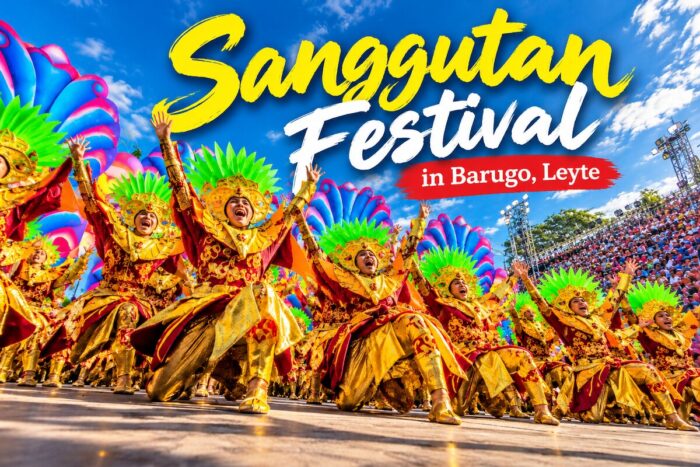
Sanggutan Festival in Barugo, Leyte
For travelers exploring Eastern Visayas, Sanggutan Festival offers an opportunity to learn about Leyte’s agricultural heritage, discover regional food, and experience a community celebration beyond the province’s better-known tourist destinations. The visit can also include a look at Barugo’s historical landmarks and coastal surroundings.
This travel guide covers the festival’s background, celebration date, activities, local food, attractions, transportation, accommodation options, and practical advice for planning a visit.
What Is Sanggutan Festival?
Sanggutan Festival is a cultural celebration in Barugo, Leyte, that showcases the town’s traditional coconut wine-making practices. Its central theme is collecting and processing coconut sap, an activity tied to the livelihoods and social traditions of coconut-growing communities in the Visayas.
The festival presents this heritage through interpretative dance and cultural performances. Dancers portray aspects of traditional wine-making, bringing local producers’ work into a public celebration. The performances also recognize the relationship between coconut farming, local food and drink, and community life.
The festival has also represented Leyte’s cultural traditions beyond the Philippines, including participation in an international parade in Singapore in 2019.
For visitors, the festival offers more than a program of performances. It provides a starting point for understanding Barugo’s local identity, including its agricultural roots, traditional products, and community celebrations.
When Is Sanggutan Festival Celebrated?
Sanggutan Festival is traditionally associated with May 18. However, the annual program and individual event schedules may vary.
Travelers planning a future visit should confirm the next festival date and program with the Municipality of Barugo before booking transportation or accommodation. The traditional date is a useful planning reference, but activities and event times may change each year.
What Visitors Should Confirm Before Traveling
- The official festival dates and opening ceremonies.
- The schedule and route of cultural performances or street dancing.
- Whether food stalls, local product displays, or community markets will be available.
- Road closures, parking arrangements, and designated viewing areas.
- Accommodation and transportation available during the festival period.
Arriving a day early can help visitors explore the town before the main celebrations. It also provides some flexibility if transport schedules or festival activities change.
The Meaning and Cultural Significance of Sanggutan
The term sanggutan refers to the traditional practice of gathering coconut sap to make wine. This process reflects the knowledge and labor involved in making tuba, a traditional drink in many Visayan communities.
Coconut wine-making begins with collecting sap from the coconut palm’s flower stalk. Producers carefully prepare the stalk and collect the liquid in a container. Depending on local practices and the desired product, producers may consume the sap fresh or let it ferment.
In Leyte, traditional coconut wine may also use barok, the reddish bark of certain mangrove trees, which contributes to the drink’s characteristic color and flavor.
Sanggutan Festival brings this traditional knowledge into a public cultural presentation. Through dance and staged demonstrations, performers help communicate the steps and social context of wine-making to younger generations and visitors.
The celebration also highlights the importance of local producers. Coconut-based products can support household livelihoods, and traditional food and drink often play a role in gatherings, celebrations, and community hospitality.
For travelers, understanding this connection adds context to the festival. The performances tell a story about the relationship between people, agricultural resources, and cultural identity in Barugo.
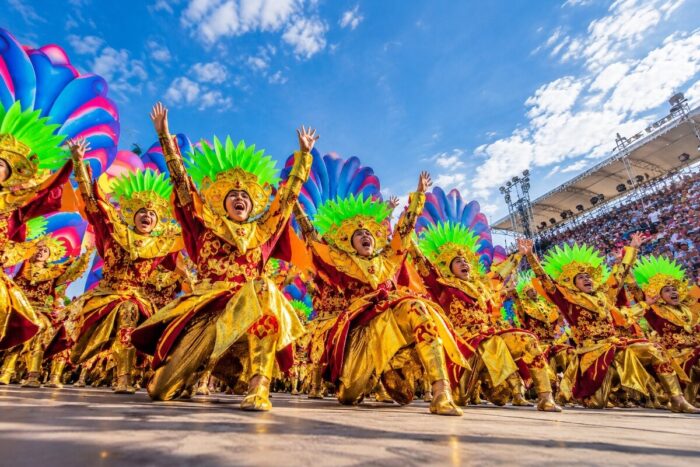
Festival Highlights and Activities
The exact program varies by year, so visitors should confirm the official schedule before making specific plans. The following are the main cultural elements associated with Sanggutan Festival and activities worth looking for when the next edition is announced.
1. Interpretative Dance Performances
Interpretative dance is a defining feature of Sanggutan Festival. Performers use coordinated movements, music, costumes, and theatrical scenes to portray the traditional process of gathering and preparing coconut wine.
The performances help translate an agricultural activity into a visual story. They can show the work involved in collecting sap, the roles of producers, and the place of tuba in community life. Festival presentations may also feature colorful costumes and carefully rehearsed group choreography.
Visitors interested in Philippine cultural festivals should look for the sequence of movements and how performers represent everyday work onstage. These details help explain the festival’s theme more clearly than a general parade alone.
2. Street Presentations and Community Celebrations
Cultural festivals in Leyte often bring performers and residents together in public spaces. Depending on the official program, Sanggutan celebrations may include community presentations, organized performances, and activities around the town center.
The local government should confirm the precise lineup for the next edition. Travelers should avoid assuming that every activity from an earlier festival will be repeated.
For the best experience, visitors can arrive early, ask local tourism or event personnel about viewing areas, and follow instructions concerning road closures and crowd movement.
3. Local Products and Coconut Wine Heritage
Sanggutan offers an opportunity to learn about tuba and other products tied to Barugo’s agricultural traditions. Visitors may find local products during festival-related activities, though the presence of specific stalls or demonstrations depends on the annual program.
If a producer explains the traditional process, visitors can ask how they collect the sap, how fermentation affects the finished drink, and how locals use the product. Buying directly from legitimate local sellers when possible also helps support the community.
Tuba is an alcoholic beverage, so visitors should consume it responsibly and avoid drinking before driving or riding a motorcycle. Non-drinkers can still appreciate the production process as part of the town’s heritage.
4. Cultural Exchange With Local Residents
One of the most rewarding aspects of a smaller-town festival is the opportunity to learn from the people who sustain its traditions. Visitors can ask residents about local food, family celebrations, the festival’s history, and the role of coconut farming in the community.
A respectful approach matters. Ask permission before photographing people, performers, or private property. During performances, follow the organizers’ instructions and avoid obstructing the audience.
Best Things to Do in Barugo Beyond the Festival
A trip to Barugo can include exploring its history, enjoying local food, and spending time by the coast. The town faces Carigara Bay and has a history that extends to the early Spanish colonial period.
Explore Barugo’s Historic Town Center
The town center is a practical starting point for a short visit. Travelers can visit the municipal area, public market, local eateries, and the parish church, and confirm current visitor access and opening hours locally.
A walk around the center also gives visitors a sense of everyday life outside the festival program. Markets and small businesses may be particularly active during celebrations, although opening hours and vendor availability can vary.
Learn About the Nasunogan Church Ruins
The Nasunogan area is associated with Barugo’s early settlement history. Local historical accounts describe the remains of an old Spanish-era stone church and discuss how earlier settlements moved before the town developed at its present location.
The site is particularly interesting to travelers who enjoy heritage tourism. However, visitors should confirm access arrangements before traveling. Conservation and preservation are important considerations when visiting historic ruins.
Do not climb on ruins, remove stones, leave litter, or assume that every area is open to the public. If access is restricted, follow local authorities’ instructions.
Enjoy the Coastal Setting Around Carigara Bay
Barugo’s coastal location connects the municipality to fishing, aquaculture, and the wider landscape of northern Leyte. A drive around accessible coastal communities can provide a different perspective on the town’s economy and daily routines.
Travelers should treat this as a locally guided exploration rather than assume developed beach resorts or organized visitor facilities. Ask residents about accessible viewpoints, public roads, and any restrictions before visiting unfamiliar coastal areas.
Discover Local Food Traditions
Food is another way to understand Barugo’s cultural identity. Roscas, a traditional baked pastry associated with Barugo and nearby Carigara, is one of the area’s distinctive products.
Look for roscas at local bakeries, markets, or shops selling regional products. Availability varies, so travelers who want to buy some as pasalubong should ask locally rather than assume every establishment carries them.
Public markets and neighborhood eateries are also good places to ask about seasonal ingredients, home-style Leyte dishes, and locally prepared snacks.
What to Eat During a Visit to Barugo
A food stop is a useful addition to any Sanggutan Festival itinerary. Travelers can explore regional specialties, look for traditional baked goods, and ask local vendors about the food served during family gatherings and celebrations.
Roscas
Roscas are a traditional pastry associated with Barugo and Carigara. They are commonly described as a baked product made with flour, sugar, eggs, fat, and anise. Its distinctive shape and firm texture make it a recognizable regional treat.
Recipes vary, so the flavor and texture can differ between producers. Roscas are a good pasalubong option for travelers looking for a local product that is easier to transport than prepared meals. Ask the seller about its ingredients, packaging, and shelf life before buying several packs.
Tuba and Other Coconut Products
Tuba is the drink most closely associated with Sanggutan Festival. Made from coconut sap, traditional preparation methods vary across the Philippines. In parts of Leyte, producers use local techniques that can influence its color and flavor.
Visitors can ask about the differences between fresh sap and fermented coconut wine. Anyone who wants to sample tuba should buy from a reputable local source, check how it’s been handled, and drink responsibly. Travelers who avoid alcohol can still learn about coconut sap collection and the role of coconut products in local livelihoods.
Local Leyte Dishes and Market Snacks
The town’s eateries and public market are practical places to look for regional meals, rice-based dishes, snacks, and seasonal produce. The available menu depends on the establishment and time of day.
For a more local experience, ask residents which eateries serve home-style meals and which vendors prepare traditional snacks. Confirm prices before ordering, especially at temporary festival stalls.
How to Get to Barugo, Leyte
Barugo is in northern Leyte, approximately 50 kilometers from Tacloban City. Tacloban is the most practical starting point for many travelers arriving by air or using intercity transport.
From Tacloban City
Travelers can generally reach Barugo by road using public transportation toward northern Leyte, followed by a local connection to the town center. Depending on the route and available services, this may involve a bus, van, jeepney, or other public utility vehicle.
Check the exact service, departure point, fare, and travel time locally. Transport schedules may change, and festival traffic can affect journey times.
A private car or hired vehicle offers more flexibility for visitors who plan to explore Barugo’s historical sites and surrounding communities. Drivers should confirm parking arrangements and possible road closures near festival venues.
From Daniel Z. Romualdez Airport
Travelers flying into Leyte typically arrive at Daniel Z. Romualdez Airport in Tacloban City. From there, they can travel to the city transport terminals and arrange onward road transportation to Barugo.
Visitors arriving late in the day should check onward transport availability before booking flights. Staying overnight in Tacloban may be a practical option if the arrival time makes a same-day transfer difficult.
From Other Parts of the Philippines
Travelers from Manila and other major Philippine cities can plan their journey around available flights to Tacloban or suitable land-and-sea connections. Those traveling from Cebu or other parts of the Visayas should compare current transport schedules and total journey times.
For festival travel, arrange the main transport connections in advance. Also confirm return services, especially if the main activities end in the evening.
Where to Stay When Visiting Barugo
Accommodation choices in Barugo may be more limited than in Tacloban City. Travelers should check current listings and contact properties directly to confirm availability, room rates, amenities, and transport arrangements.
Staying in Barugo is convenient for visitors who find a suitable room within the municipality. It can reduce travel time on festival day and let you start cultural activities early.
Staying in Tacloban City gives travelers access to a wider range of hotels and other accommodation types. It is worth considering for visitors who want more dining choices or plan to explore other parts of Leyte before or after the festival.
Staying in nearby towns may also be possible, depending on available rooms and transport connections. However, travelers should calculate the return journey carefully and avoid relying on late-night public transportation without checking its schedule.
For any accommodation, confirm reliable transport access, air-conditioning (if needed), parking, and a clear check-in policy. During major festival dates, book early once the official schedule is announced.
Sample One-Day Itinerary for Sanggutan Festival
The following is a suggested itinerary, not an official festival schedule. Adjust the order according to the published program and the opening hours of local attractions.
| Time | Suggested Activity |
|---|---|
| 8:00 AM | Have breakfast at a local eatery. Ask about regional dishes and snacks, then buy water for the day. |
| 9:00 AM | Explore the town center, browse local shops, and ask about the festival’s main venue and program. |
| 10:00 AM | If access is permitted and time allows, visit the Nasunogan Church ruins or another heritage site recommended locally. |
| 12:00 PM | Enjoy lunch at a local restaurant or carinderia. Look for roscas and other regional products to take home. |
| Afternoon | Attend the scheduled festival activities and watch the confirmed cultural performances. |
| Late afternoon | Visit local vendors, buy pasalubong, confirm the return trip, and leave enough time to reach the transport terminal. |
If the main performance takes place in the morning, reverse the order and prioritize the official event schedule. Visitors staying overnight can spread the itinerary over two days, allowing more time for heritage stops and the surrounding coastal area.
Practical Travel Tips for Festival Visitors
- Confirm the schedule: Check with the municipal government before booking. The customary May 18 date does not guarantee the same schedule every year.
- Bring cash: Smaller eateries, public transport providers, and market vendors may not accept cards or digital payments.
- Wear comfortable clothing: Lightweight clothes, comfortable footwear, and sun protection are useful for outdoor events in warm weather.
- Prepare for rain: Bring a compact umbrella or rain jacket, particularly during the wetter months.
- Arrive early: Popular viewing areas can get crowded, and road restrictions may affect access.
- Respect local customs: Ask permission before photographing people, and follow organizers’ instructions.
- Plan the return journey: Check the final public transport departure time before attending evening activities.
- Keep valuables secure: Use a small bag, carry only what you need, and stay aware of your surroundings in crowded areas.
Responsible and Sustainable Travel in Barugo
Visitors can support the long-term value of Sanggutan Festival by treating it as a community celebration rather than a performance staged solely for tourists.
When possible, buy food and souvenirs from local vendors. Ask about locally made products, pay the stated price, and avoid bargaining aggressively over small amounts. Spending with small businesses helps direct some tourism income into the community.
Respect the heritage sites and the people who maintain them. Historical ruins need careful treatment, and visitors should never climb on fragile structures, remove artifacts, or leave rubbish behind. Follow local guidance about access to the Nasunogan site.
Reduce waste by carrying a reusable water bottle where safe refill options are available, bringing a reusable shopping bag, and disposing of rubbish properly. Avoid leaving plastic packaging at festival grounds or coastal areas.
If sampling tuba, do so responsibly and never drive after drinking. Visitors who travel with children should also explain appropriate behavior around performers, cultural displays, and historic structures.
Finally, ask questions with genuine interest. Learning about traditional coconut wine-making directly from local residents can help preserve knowledge that might otherwise be reduced to a brief performance. Respectful tourism gives travelers a more meaningful experience while recognizing the people who keep Barugo’s traditions alive.
Frequently Asked Questions About Sanggutan Festival
1. What is Sanggutan Festival in Barugo, Leyte?
Sanggutan Festival is a cultural celebration in Barugo, Leyte, that honors the town’s traditional coconut wine-making heritage. Its central theme is collecting and processing coconut sap to produce tuba, a traditional drink associated with Visayan communities. The festival features interpretive dance and cultural performances that portray the traditional process. It also gives visitors a chance to learn about Barugo’s agricultural heritage, local products, and community traditions.
2. When is Sanggutan Festival celebrated?
Sanggutan Festival is traditionally celebrated on May 18 each year. However, visitors should confirm the exact dates and program with the Municipality of Barugo before planning a trip.
3. Where is Sanggutan Festival held?
Sanggutan Festival takes place in Barugo, a coastal municipality in northern Leyte, Eastern Visayas, Philippines. The town faces Carigara Bay and is accessible by road from Tacloban City. Festival activities generally take place in the municipality’s public celebration areas, but the exact venues and routes may vary. Visitors should confirm the designated performance areas with local organizers before arriving, particularly if they plan to watch street presentations or attend several events throughout the day.
4. What is the meaning of Sanggutan?
Sanggutan refers to the traditional gathering of coconut sap used to produce coconut wine. The practice requires knowledge of coconut palms, careful sap collection, and appropriate handling of the liquid. In Barugo, this heritage is the festival’s central theme. Cultural performances help communicate the process to visitors and younger generations. Understanding this background makes the festival more meaningful because the celebration recognizes a traditional livelihood and the community knowledge connected to local coconut products.
5. What are the main activities of Sanggutan Festival?
Interpretative dance is one of the festival’s best-known cultural features. Performers portray traditional coconut wine-making through coordinated movements, music, costumes, and staged scenes. Depending on the annual program, the celebration may also include community presentations, cultural activities, and opportunities to explore local products. Confirm the exact lineup before you travel because activities can change from year to year. Visitors should prioritize the officially announced performances and arrive early enough to find a suitable viewing area without obstructing other spectators.
6. What makes Sanggutan Festival unique?
Sanggutan Festival stands out because it focuses on a specific local tradition, coconut wine production, rather than a broad agricultural theme alone. Its performances turn a traditional activity into a cultural presentation that residents and visitors can understand. The celebration also connects tourism with local knowledge, food traditions, and livelihoods. For travelers exploring Leyte, it offers a way to discover Barugo’s identity and learn about a regional product that has social and cultural significance beyond its role as a beverage.
7. What food should visitors try in Barugo?
Visitors can look for roscas, a traditional baked pastry associated with Barugo and nearby Carigara. Local eateries and market vendors may also offer regional meals, rice-based dishes, snacks, and seasonal produce. Tuba is another product connected to the festival’s heritage, although it is an alcoholic drink and should be consumed responsibly. Food availability depends on the establishment and season, so travelers should ask residents for recommendations and confirm prices before ordering. Buying local products is also a practical way to support small businesses.
8. How can visitors get to Barugo from Tacloban City?
Travelers can reach Barugo by road from Tacloban City using public transportation toward northern Leyte, then take a local connection to the municipality. Depending on the service, the journey may involve a bus, van, jeepney, or other public utility vehicle. Private vehicles and hired transport provide more flexibility for visitors planning several stops. Check exact routes, fares, and departure times locally because transport schedules can change. During the festival, allow extra time for traffic and possible road closures.
9. Where can visitors stay when attending Sanggutan Festival?
Visitors can stay in Barugo or in Tacloban City, where a wider selection of hotels and other lodging options may be available. Staying in Barugo can make it easier to reach festival activities early, provided a suitable room is available. Tacloban may be more convenient for travelers who want additional dining choices or are arriving by air. Check current room rates, availability, transport connections, and check-in times before booking, especially after the official festival dates are announced.
10. How long should visitors spend in Barugo?
A day trip can cover the main festival activities, a meal at a local eatery, and a short exploration of the town center. Visitors interested in the area’s history, local products, and coastal surroundings may prefer an overnight stay or a two-day itinerary. The best duration depends on the official event schedule, transport availability, and how many places travelers want to visit. Those traveling from Tacloban should also account for the return journey and avoid relying on unconfirmed late-night transportation.
11. What should visitors wear and bring to Sanggutan Festival?
Comfortable, lightweight clothing and walking shoes suit most festival activities. Visitors should bring drinking water, sun protection, cash for small purchases, and a compact umbrella or rain jacket in case the weather changes. A fully charged phone helps you check transport details and coordinate with companions. Travelers planning to photograph performances should respect designated viewing areas and ask permission before taking close-up photos of individuals. Avoid carrying unnecessary valuables, and keep personal belongings secure in crowded public spaces.
12. How can visitors practice responsible tourism during Sanggutan Festival?
Responsible visitors support local vendors, respect cultural traditions, and leave festival grounds clean. Buying locally made products and eating at community-run establishments can help small businesses benefit from visitor spending. Travelers should ask permission before photographing residents, follow organizers’ instructions, and avoid damaging historic structures such as the Nasunogan Church ruins. Those sampling tuba should drink responsibly and never drive afterward. By respecting local people, protecting heritage sites, and minimizing waste, visitors can help preserve the cultural value of Sanggutan Festival for future generations.
Experience the Cultural Heritage of Barugo, Leyte
Sanggutan Festival gives travelers a reason to explore Barugo beyond the usual tourist routes in Eastern Visayas. Its focus on traditional coconut wine-making brings local agricultural knowledge into the public eye, while interpretative dance and community celebrations help preserve a distinctive part of Leyte’s cultural identity.
A well-planned visit can combine festival performances with local food, roscas shopping, historical exploration, and conversations with residents. The most important step is to confirm the next official festival schedule before booking transport and accommodation. With thoughtful planning and respect for local traditions, visitors can enjoy a rewarding cultural experience while supporting the community that keeps Barugo’s heritage alive.
Follow and subscribe to OutofTownBlog.com on Facebook, Twitter, Instagram, and Team Out of Town on YouTube for more Tacloban Tourist Spots.
Read:
- 15 Must-Visit Tourist Spots in the Philippines to Add to Your Bucket List
- The World’s 10 Best Destinations to Get a Tattoo
- Where to Get a Tattoo in Bali, Indonesia
- Pintados-Kasadyaan Festival: The Festival of Festivals of Leyte