

 Melo Villareal
12 of the UNESCO’s List of World Heritage in Danger
UNESCO (United Nations Educational, Scientific and Cultural Organization) designates specific sites worldwide as World Heritage Sites due to their outstanding universal value to humanity. However, several sites face various threats that endanger their preservation and future. Here are 12 UNESCO World Heritage Sites that are in danger:

1. Machu Picchu, Peru
The ancient Inca citadel stands as a majestic reminder of a powerful and advanced civilization, but its grandeur is threatened by the forces of nature. The citadel’s precarious location in the Andes Mountains makes it vulnerable to landslides and earthquakes, leaving it in constant flux. In addition to these natural disasters, the citadel is also threatened by the impact of tourism on its delicate infrastructure.
The influx of visitors in Machu Picchu has strained the site’s resources, leading to increased erosion and damage to the fragile ruins. As a result, the citadel needs protection and preservation to maintain its historical significance. Conservation efforts have been put in place to safeguard the site, but more needs to be done to ensure its future. If the citadel is to remain a part of history, it must be protected from the ravages of time and the effects of tourism.
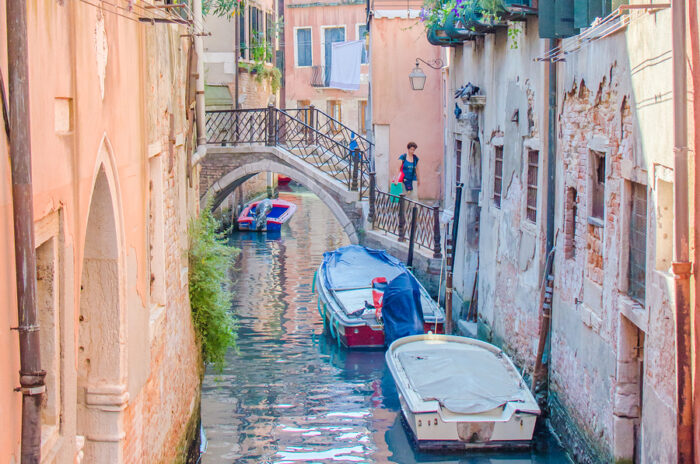
2. Venice and its Lagoon, Italy
The picturesque city of Venice, Italy, faces a looming environmental threat. Rising sea levels and coastal erosion steadily erode the foundations of the iconic canals and buildings that make up the city. Unsustainable tourism practices are exacerbating the problem as more and more people flock to the city yearly.
The effects of climate change have already become apparent, with the city’s famous canals becoming increasingly flooded. This flooding has caused the foundations of many of the city’s buildings to become unstable, putting them at risk of collapse. The city’s iconic gondolas are also at risk as the rising waters threaten to submerge them. The city’s infrastructure has also been affected, with roads and bridges becoming increasingly damaged due to erosion. The city’s future is uncertain as climate change’s effects become more apparent. Without urgent action, it is feared that Venice and its canals could be lost forever.

3. Galápagos Islands, Ecuador
The Galápagos Islands are home to many endemic species, many of which are found nowhere else on Earth. Unfortunately, this unique biodiversity is being threatened by introduction of invasive species, which have no natural predators in the archipelago and can compete with native species for food and resources. Illegal fishing is another major threat, as it depletes the marine resources that the Galápagos rely on.
Over-tourism is also taking its toll, as the influx of visitors strains the islands’ fragile ecosystems and can lead to the destruction of habitats and the introduction of new species. These factors combined put the future of the Galápagos Islands’ biodiversity at risk, and urgent action is needed to protect this precious resource.
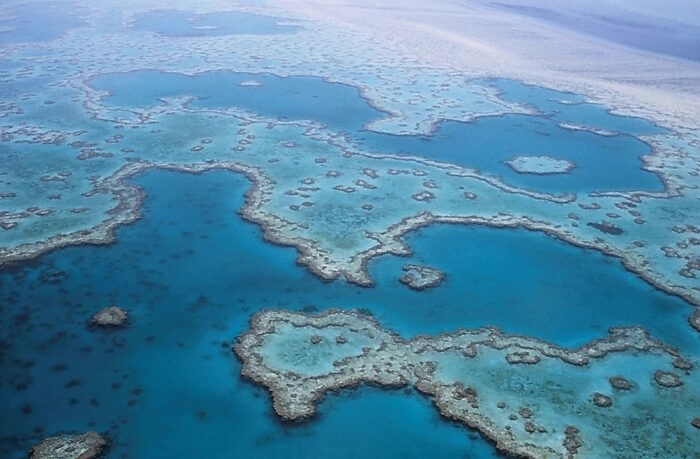
4. Great Barrier Reef, Australia
The Great Barrier Reef, one of the world’s seven natural wonders, is in danger of losing forever due to coral bleaching caused by rising ocean temperatures and coastal development. The bleaching of the coral has caused the loss of up to 50 percent of the reef’s coral cover in the last 30 years. This devastates the reef’s fragile ecosystem, with entire species of fish, coral, and other marine life being driven to extinction.
Additionally, coastal development has increased sediment and nutrient runoff levels, which can further damage the reef and its inhabitants. These changes have caused a significant decline in the reef’s health, and its future is uncertain. Conservation efforts are underway to protect the reef and its inhabitants, but it may be too late to reverse the damage already done. The Great Barrier Reef is a precious natural resource that must be protected for future generations to enjoy.
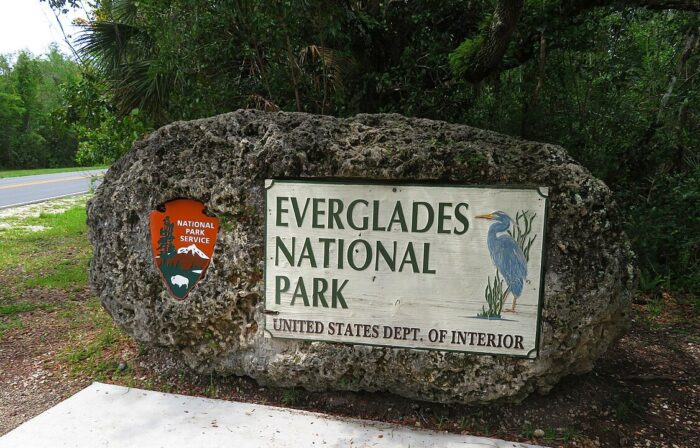
5. Everglades National Park, USA
The Everglades, a unique wetland ecosystem in Florida, is home to diverse wildlife and plant species. Unfortunately, this precious ecosystem faces threats like invasive species, water pollution, habitat destruction, and climate change. Invasive species, like the Burmese python, have significantly impacted the Everglades, out-competing native species for food and habitat. Water pollution from agricultural runoff and urban development has also caused a decline in the health of the Everglades, leading to a decrease in fish and bird populations. Additionally, human development has destroyed large swaths of the Everglades, leaving the remaining wildlife and plants vulnerable. Lastly, climate change has caused sea levels to rise, leading to saltwater intrusion and further damage to the Everglades.
Fortunately, there are several efforts underway to protect the Everglades. Restoration projects are being implemented to restore the Everglades’ natural hydrology and water flow. In contrast, sustainable water management practices are employed to reduce the amount of pollutants entering the ecosystem. Additionally, efforts are being made to control invasive species’ populations and protect the remaining habitat. These projects are essential to preserving the Everglades and protecting this valuable site.

6. Stonehenge, United Kingdom
Stonehenge is a Neolithic stone circle and an awe-inspiring testament to prehistoric human engineering. Its stones, arranged in a mysterious circular formation, have captivated people for centuries, making it one of the most iconic landmarks in the world. However, this ancient monument is now vulnerable to various threats, including erosion, vandalism, and overcrowding. Without proper visitor management and conservation efforts, Stonehenge could be lost forever.
Erosion is a significant threat to Stonehenge, as centuries of exposure to the elements have taken their toll on the stones. Wind and rain have slowly worn away at the sandstone, threatening to erode the intricate carvings and symbols that make the monument unique. Vandalism is another problem, as visitors have been known to carve their initials into the stones, leaving permanent marks that will never be erased. Finally, overcrowding is a major issue, as large numbers of visitors can cause damage to the site and disrupt the peace and tranquility of the area.
The preservation of Stonehenge is of utmost importance, as it symbolizes our shared cultural heritage. Therefore, visitor management and conservation efforts are essential to protect the site for future generations. This includes limiting the number of visitors, providing educational programs, and enforcing strict rules on vandalism. By taking these steps, we can help ensure that Stonehenge remains a cultural icon for years.
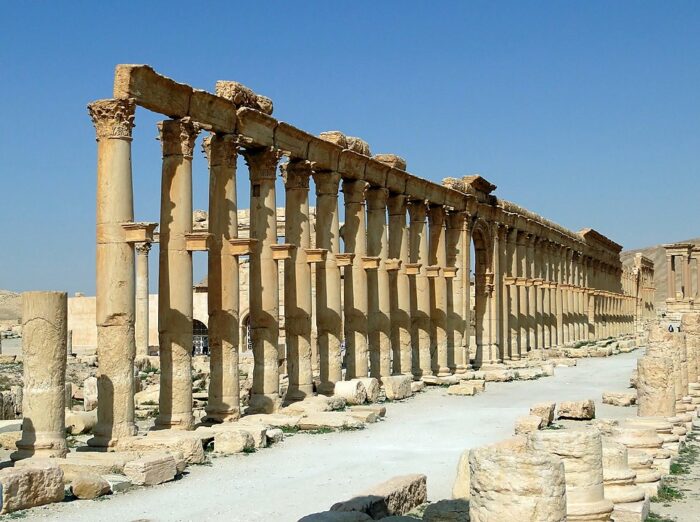
7. Palmyra, Syria
Palmyra, an ancient oasis city in Syria, has been a witness to its own destruction due to the ravages of armed conflict and deliberate acts of cultural vandalism. Once a vibrant hub of culture and commerce, this World Heritage site lies in ruins, its monuments and artifacts reduced to rubble. The destruction of Palmyra is a tragedy for Syria and the entire world, as it reminds us of the fragility of our collective cultural heritage.
International support and post-conflict restoration efforts are necessary to revive this World Heritage site and restore its former glory. The restoration of Palmyra is an opportunity to bring together a collective effort from around the world to preserve this important historical site. It is also an opportunity to show that humanity can come together to protect and preserve our shared cultural heritage, even during conflict and destruction.
The international community must come together to support and fund the post-conflict restoration efforts of Palmyra. This will ensure that the site is restored and remains a living monument to the past, a reminder of our shared cultural heritage, and a symbol of hope for the future.
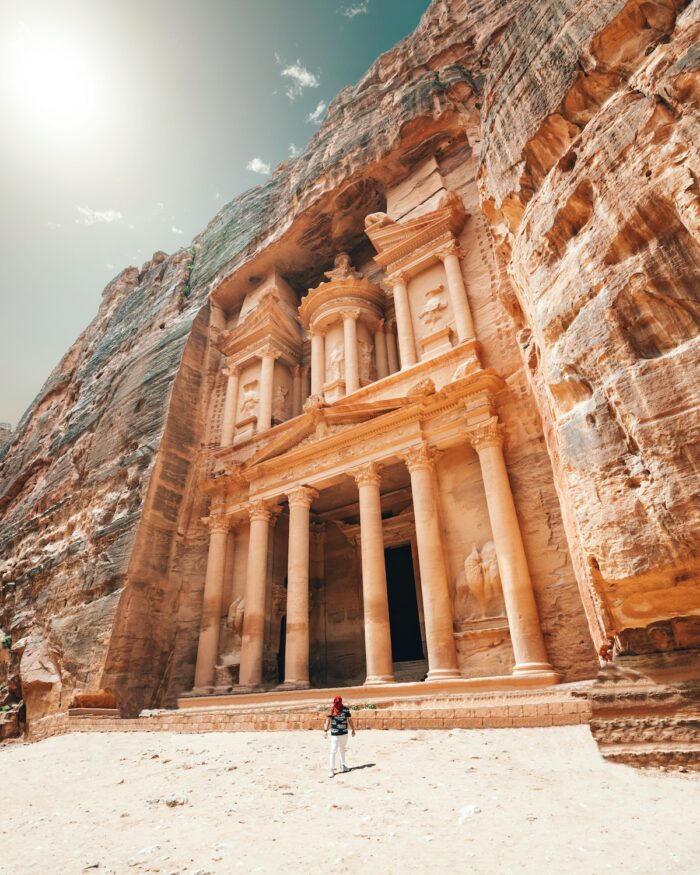
8. Petra, Jordan
Petra, a renowned archaeological site in Jordan, has many ancient treasures. Unfortunately, these relics risk being lost forever due to the damaging effects of weathering, erosion, and inadequate conservation efforts. The harsh climatic conditions of the region, characterized by high temperatures and frequent sandstorms, are taking a toll on the ancient monuments.
The sandstorms erode the surface of the structures, while the intense heat causes the stones to expand and contract, leading to cracks and fractures. In addition, the lack of adequate conservation measures has accelerated the deterioration of these ancient wonders. Without proper care and attention, the archaeological treasures of Petra will soon be lost to the ravages of time.

9. Great Wall of China, China
Human activities have become a major threat to the Great Wall of China, with tourism, vandalism, and uncontrolled development taking their toll on the ancient structure. Tourists flock to the Great Wall daily, leaving behind a trail of litter and graffiti that mars the ancient stone walls. Vandals have also taken advantage of the lack of security, defacing the wall with spray paint and other forms of destruction.
Uncontrolled development has also played a role in the deterioration of the Great Wall, with construction and mining activities taking place in the vicinity. These activities have caused irreparable damage to the Great Wall, with some sections crumbling away due to the strain of the activities. The Great Wall of China symbolizes Chinese heritage and culture, and measures must be taken to protect it from further damage caused by human activities.
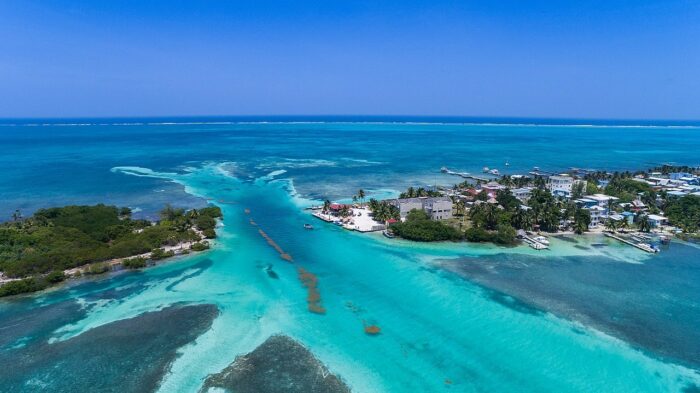
10. Belize Barrier Reef Reserve System, Belize
The Belize Barrier Reef Reserve System is a stunning natural wonder located off the coast of Belize in Central America. It is the largest barrier reef system in the northern hemisphere and a UNESCO World Heritage site. Spanning over 300 kilometers, the reef is home to diverse marine life, including colorful coral formations, tropical fish, and endangered species like manatees and turtles. The reef also boasts impressive features such as the Great Blue Hole, a captivating underwater sinkhole. It serves as an essential ecological and economic resource, attracting tourists and providing habitat for countless species, making its preservation crucial for future generations.
Coastal construction, such as the building of ports and marinas, can damage the delicate coral and disrupt the natural water flow. Overfishing has caused a decrease in the population of certain species, while pollution runoff from agricultural activities has caused a decrease in water quality and an increase in sedimentation. These threats can potentially cause long-term damage to the Great Barrier Reef, and we must take steps to protect it.
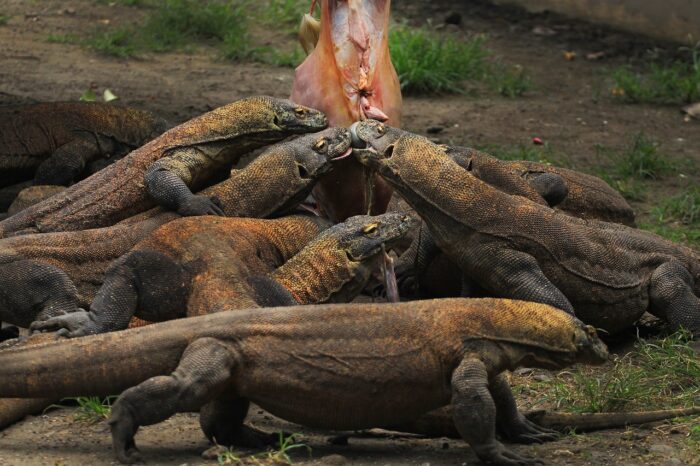
11. Komodo National Park, Indonesia
Komodo National Park is a unique and precious habitat for many species, including the rare Komodo Dragon. However, this beautiful area is facing several issues, such as poaching, which threatens the safety of its inhabitants, habitat loss, which is reducing species diversity; and inadequate management, which is preventing the park from reaching its full potential. These issues are detrimental to the park itself and the local communities, as the park provides a source of income for many people.
The consequences of these issues are far-reaching and must be addressed to preserve the park and its inhabitants. To do this, increased funding and resources are needed to ensure that the park is managed effectively and that the issues of poaching and habitat loss are addressed. Without these efforts, the future of Komodo National Park and its inhabitants is uncertain.
12. Historic Centre of Vienna (Austria)
The Historic Centre of Vienna is a city steeped in history, with a rich and vibrant culture recognized by UNESCO since 2001. Despite its accolades, however, the city faces several threats that could damage its historic buildings and public spaces.
Rapid urbanization and modernization of the city have placed tremendous pressure on preserving its historic sites, destroying some of its most beloved landmarks. In addition, the city’s population is growing rapidly, leading to overcrowding and a lack of resources to maintain and preserve the city’s historic sites. As a result, many of the city’s buildings and public spaces are in danger of being lost forever. To protect the city’s historic center, city officials and community members must work together to ensure that the city’s heritage is preserved for future generations.
Efforts are being made by UNESCO and various organizations to safeguard these precious World Heritage Sites. However, a collective global commitment is necessary to ensure their long-term preservation for future generations.
Please note that the status of these sites may change over time, and continuous efforts are required to safeguard their existence for future generations.
Follow the Out of Town Travel Blog on Facebook, Twitter, Instagram, and Pinterest if you want more travel and food-related updates.
Read: Top 10 Endangered Tourist Attractions in the World