

 Team Out of Town
Guide to Classic Filipino Snacks Everyone Should Try in the Philippines
Filipino snacks are a diverse range of sweet, salty, and savory treats that are popular in the Philippines. These snacks are often enjoyed as a quick and satisfying treat, but can also be served as a dessert or a side dish.

assorted kakanins
What is Merienda?
Merienda is a light meal or snack typically eaten in the late afternoon or early evening in the Philippines. It is similar to the concept of “afternoon tea” in other cultures. Merienda is an important part of Filipino culture and can consist of a variety of sweet or savory dishes, such as rice cakes, pastries, sandwiches, soups, or noodles.
Merienda is often enjoyed with friends or family and is seen as a way to break up the day and boost energy levels before the evening meal. Some common examples of classic Filipino Merienda include:

Pan de Sal
Pan de Sal is a type of Filipino bread roll made from enriched dough, shaped into small rounds, and baked. It is a staple in the Philippines and is often consumed for breakfast or as a snack. The name “pan de sal” translates to “bread of salt” and refers to the small amount of salt that is typically added to the dough.
The bread is known for its soft, slightly chewy texture and is often enjoyed plain or with a variety of spreads and toppings, such as butter, cheese, or jam. Pan de sal is an economical and convenient snack that is widely available in the Philippines, often sold by street vendors or in small local bakeries.

Binatog
Binatog is a popular snack in the Philippines made from freshly shelled corn kernels (the sticky variety). The corn kernels are boiled and served in a cup or bowl, topped with grated coconut and sugar. Binatog is typically enjoyed as a snack or dessert and is a popular street food in the Philippines, often sold by vendors who carry large pots. Binatog is a staple snack in the Philippines and is considered a comfort food for many Filipinos.
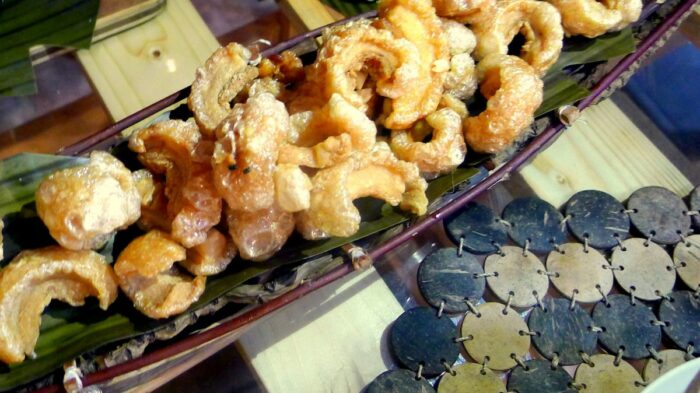
Chicharon
Chicharon is commonly consumed as a snack or appetizer in the Philippines, made from deep-fried pork rinds. The pork rinds are seasoned with salt, pepper, and other spices, then deep-fried until crispy. It is a versatile snack that can be paired with a variety of dips and sauces, such as vinegar or a spicy chili sauce.
Chicharon is also often used as a topping for rice dishes, soups, and even noodles, adding a crispy texture and salty flavor. This snack is widely available in the Philippines, often sold by street vendors or in small local stores. The province of Bulacan and the town of Carcar in Cebu are known as the best producers of best-tasting Chicharon in the Philippines.

Maja Blanca
Maja Blanca can be a snack or dessert in the Philippines, made from a mixture of cornstarch, coconut milk, and sugar. The mixture is boiled until thick and creamy, then poured into a mold to set. It is then cut into squares and served as a dessert.
Maja Blanca is often topped with grated coconut, and sometimes also flavored with vanilla or other ingredients such as pandan or ube (purple yam). The dish is sweet, creamy, and slightly jiggly, with a texture similar to custard.
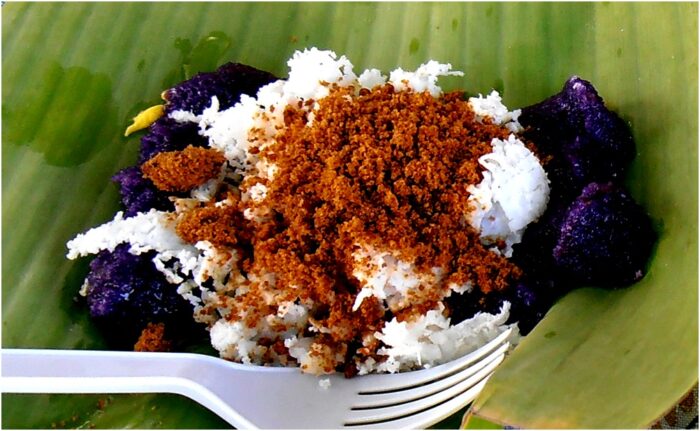
Puto Bumbong
Puto Bumbong is a Filipino rice cake traditionally made during the Christmas season. It is made from a special variety of sticky rice, ground into fine flour, then mixed with coconut milk and food coloring. The mixture is then steamed inside bamboo tubes called “bumbong” and served hot.
Puto Bumbong is typically topped with melted butter, cheese, grated coconut, and muscovado sugar. The snack is sweet, sticky, and fragrant, with a slightly chewy texture.

Pancit
Pancit is a popular noodle dish in the Philippines. The name “pancit” comes from the Hokkien word for noodles, and the dish is influenced by Chinese cuisine. Pancit is a staple dish in the Philippines, served on various occasions, including birthdays and celebrations, and as a comfort food.
There are many types of pancit, each with its own ingredients and flavors, but the most common include noodles, vegetables, meat, and a flavorful sauce. The noodles used in pancit can vary in size, shape, and texture, and can be made from rice, wheat, or mung bean flour. Pancit is a versatile dish that can be served as a main or side dish.

Pancit Palabok
Pancit Palabok is a Filipino noodle dish made with rice noodles, a shrimp-based sauce, and toppings such as boiled shrimp, cooked pork cracklings, boiled eggs, and green onions.
The dish is named after its sauce, which is typically made with shrimp and a variety of spices and is known for its bright orange color. Pancit Palabok is typically served on a plate, with the sauce and toppings arranged over the noodles.
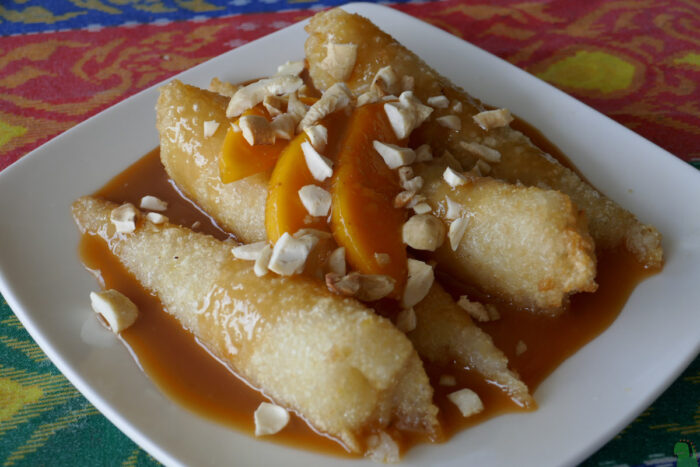
Suman
Suman is a traditional Filipino rice cake made from glutinous rice, mixed with sugar and sometimes flavored with coconut milk, pandan leaves, or other ingredients. The mixture is then wrapped in banana leaves and steamed to cook the sticky rice.
Suman is typically served as a snack or dessert and is often enjoyed with coffee, chocolate, or coconut jam. The snack is sweet, sticky, and slightly chewy, with a subtle flavor that is complemented by the fragrant banana leaves.

Bibingka
Bibingka is a type of Filipino rice cake that is traditionally served during the Christmas season. It is made from a mixture of glutinous rice flour, coconut milk, sugar, and eggs, and is typically baked in a clay oven or on a griddle.
Bibingka is often topped with grated coconut and salted egg and is sometimes also flavored with pandan or ube (purple yam). The cake is sweet, fluffy, and fragrant, with a slightly chewy texture.

Banana Cue
Banana Cue is a Filipino street snack made from ripe saba bananas that are skewered, coated in caramelized brown sugar, and fried. The sweet, slightly chewy bananas are then served on a stick and are often sold by vendors who set up stalls at markets or in public areas. The snack is often enjoyed as a quick, easy treat and is popular for snacking on the go.

Kamote Cue
Kamote Cue is made from sweet potatoes (also known as kamote) that are skewered, coated in caramelized brown sugar, and then fried. The combination of the sweet, slightly chewy sweet potatoes and the caramelized sugar coating makes for a delicious and satisfying snack.
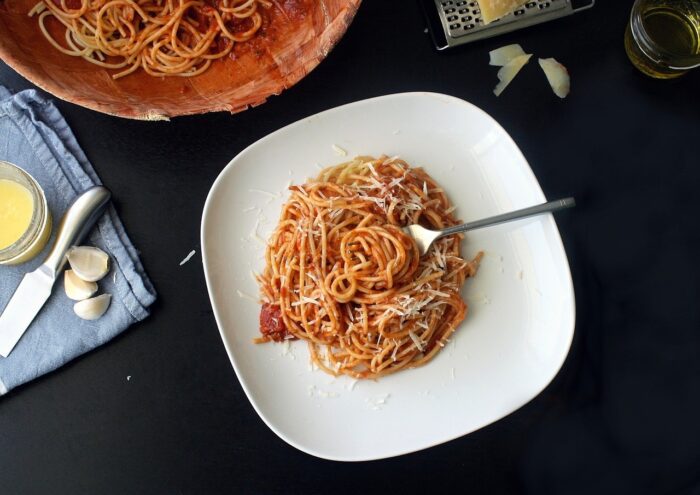
Pinoy Spaghetti
Pinoy Spaghetti is a Filipino twist on the classic Italian dish. It is made with spaghetti noodles and a sweet tomato sauce, often flavored with banana ketchup and hotdog sausages. The sauce is usually sweeter and thicker than traditional Italian spaghetti sauce, and the hot dogs give the dish a unique flavor.
Pinoy Spaghetti is often served on special occasions, such as birthdays and family gatherings, and is a popular dish for children in the Philippines.

Turon
Turon is made from sliced bananas and jackfruit, wrapped in spring roll wrappers, and deep-fried until golden and crispy. The sweet and slightly chewy filling is complemented by the crispy wrapper, making for a delicious and satisfying snack.
Turon is often drizzled with caramel sauce or sprinkled with sugar before serving, and is sometimes served with a scoop of vanilla ice cream.

Kakanin
Kakanin is a generic term for a variety of sweet, glutinous rice-based desserts in Filipino cuisine. Kakanin includes a range of dishes such as biko, kalamay, puto, and suman. These sweet treats are made from glutinous rice, coconut milk, and sugar, and are typically flavored with ingredients like pandan leaves, coconut, or purple yam.
Kakanin is a staple snack in the Philippines, often served as a dessert or for special occasions, such as holidays and celebrations.

Siopao
Siopao is a popular steamed bun snack in Filipino cuisine. It is a type of Chinese-style steamed bun that is filled with various fillings, such as meat, vegetables, or boiled eggs. The most common filling is asado, a sweet-and-savory pork filling made with soy sauce, hoisin sauce, and other seasonings.
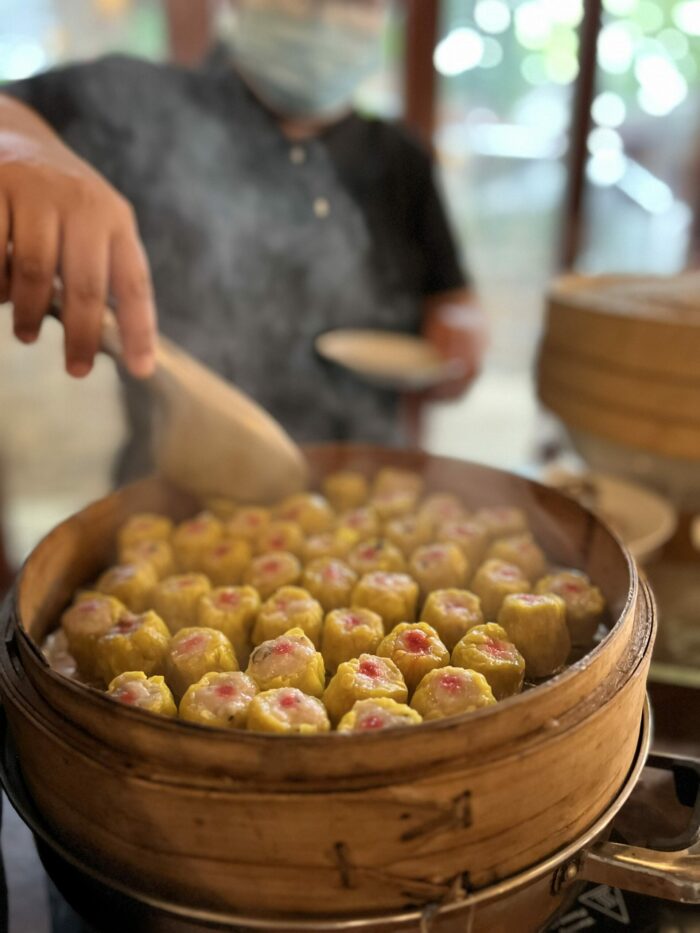
Siomai
Siomai is a type of steamed dumpling that is popular in Filipino cuisine. It is a variation of Chinese-style siomai, typically filled with ground pork, shrimp, and a mixture of spices and seasonings. Siomai is often served with a dipping sauce made from soy sauce, vinegar, and chili garlic sauce.
The dumplings are typically steamed in a bamboo steamer until cooked through, resulting in a juicy, flavorful filling encased in a soft, chewy wrapper.

Ilocos Empanada
Ilocos Empanada is a savory turnover popular in the Ilocos region of the Philippines. It is made from a thin, crisp dough filled with a mixture of ingredients, including ground pork, green papaya, longaniza (Filipino sausage), and onions. The filling is seasoned with vinegar and Ilocos-style spices for a tangy, slightly spicy flavor.
Ilocos Empanada is often served as a snack or a light meal and is popular for eating on the go. It is also commonly sold by street vendors in the Ilocos region and is a popular food for travelers visiting the area. Ilocos Empanada is a delicious, satisfying snack enjoyed by locals and foreign visitors alike for its crisp, flaky crust and flavorful filling.

Empanada
Empanada is a type of savory pastry popular in many cultures, including Spanish, Latin American, and Filipino cuisines. It is made by folding a round pastry dough over a filling that can include meat, cheese, vegetables, or fruit. The empanada is then baked or fried until golden brown and crispy. In the Philippines, empanadas are a popular snack food, often sold by street vendors.
The fillings in Filipino-style empanadas can vary, but commonly include ground beef, chicken, or pork mixed with spices and seasonings. Empanadas are a convenient and satisfying snack, and the combination of the crispy, flaky crust and the savory filling makes for a delicious, filling treat.

Ginataang Bilo Bilo
Ginataang Bilo Bilo is a Filipino snack or dessert made from glutinous rice balls (bilo-bilo), sliced banana, sweet potato, and jackfruit, and cooked in a sweet coconut milk (gata) mixture. The rice balls are made by mixing glutinous rice flour with water to form small balls. These rice balls are then simmered in the sweet coconut milk mixture, which is flavored with sugar and sometimes pandan leaves, until they are soft and cooked through.
Ginataang Bilo Bilo is often served hot and can be enjoyed as a dessert or as a snack. It is a popular food in the Philippines, often served during special occasions and celebrations. The combination of the soft, chewy rice balls and the sweet, creamy coconut milk makes for a delicious and satisfying snack or dessert.

Lugaw
Lugaw is a Filipino rice porridge commonly served as a breakfast food, snack, or light meal. It is made by cooking rice in water or broth until it softens and breaks down, resulting in a porridge-like consistency. The porridge is seasoned with salt and sometimes other ingredients like ginger or garlic to add flavor.
It is often served with toppings like fried garlic, scallions, and sometimes a poached egg or sliced meats. Lugaw is a staple food in the Philippines and is widely available at local eateries and street stalls.

Champorado
Champorado is a sweet chocolate rice porridge that is a popular Filipino breakfast food. It is made by cooking glutinous rice with cocoa powder and sugar until it forms a thick and creamy porridge. Champorado is usually served warm and is often paired with dried or fried fish (tuyo) and sometimes with a side of fresh milk.

Lumpiang Togue
Lumpiang Togue is a Filipino dish made from bean sprouts (togue) that are wrapped in a thin spring roll wrapper. The bean sprouts are typically mixed with seasonings such as garlic, onions, and sometimes meat before being wrapped in a wrapper and fried until crispy. Lumpiang Togue is a popular snack or side dish in the Philippines, often served with a dipping sauce such as sweet and sour sauce or vinegar.
It is a delicious and convenient food that can be enjoyed as a light meal or as a snack on the go. The combination of the crispy wrapper and the crunchy, flavorful filling makes for a satisfying snack. It is often paired with a hot noodle soup or Lugaw.

Lumpiang Sariwa
Lumpiang Sariwa is a Filipino dish made from fresh spring rolls filled with a mixture of vegetables and sometimes meat. The filling typically includes ingredients like shredded lettuce, bean sprouts, carrots, and cabbage, along with seasoned ground meat or tofu. The filling is wrapped in a soft, thin, crepe-like wrapper made from a mixture of rice flour and water. The spring rolls are served with a sweet-and-savory peanut sauce and sometimes a side of pancit. Lumpiang Sariwa is a healthy, refreshing dish enjoyed as a light meal or snack in the Philippines.
Snacks play an important role in Filipino culture and are often consumed during merienda, a light meal or snack typically eaten in the late afternoon, early evening, and even late night. These Pinoy snacks are enjoyed as a quick and satisfying treat, but can also be served as a dessert or a side dish. They often incorporate ingredients such as sticky rice, coconut milk, sugar, and deep-fried pork rinds.
How about you? Which of the Popular Snacks in the Philippines is your ultimate favorite? Please share your comments and suggestions below.
Follow the Out of Town Travel Blog on Facebook, Twitter, Instagram, and Pinterest for more travel and food-related updates.
Read:
- How to Plan the Perfect Road Trip
- Food Trip: 10 Snacks to chew on during Road Trips
- 10 All Day Favorite Pinoy Merienda Classics at Aristocrat
- Authentic Lucban Dinner at Buddy’s Pancit Lucban