Melo Villareal
Ten of The Most Beautiful Places To See in Sicily
Sicily, the largest island in the central Mediterranean Sea, is located south of the Italian Peninsula. The island is divided into two by the Strait of Messina. The weather in Sicily is characterized by rainy winters and dry, warm, or hot summers, which are typical of a Mediterranean climate. If you are planning to spend your holiday in Sicily, we have listed some of the best activities and most beautiful places that you can include in your itinerary.

Lampedusa, Pelagie Islands
Evidence of human activity in Sicily was reported dating back to 12,000 BC and around 750 BC. To this day, there are many ancient sites that are well preserved in Sicily to visit along as other God’s perfect creations like beaches and volcanoes. The best thing about Sicily is how rich their culture is; famous artists have called this alluring island their home. The Greek philosopher, Archimedes is a Syracuse native. Visit some of these places if you want to experience the scent of Sicily.
Mount Etna
Mount Etna is the largest active volcano in Europe. You can either rent a car or join a group tour to embark on a revitalizing hike that will take you through some of its craters. However, to reach the higher parts, you need to ride a cable car. After the drop-off, you can climb further to reach the safest part of the volcano, where you can enjoy the spectacular view. Alternatively, you can ride one of the tour trucks for a fee. Due to the change in temperature, it’s recommended to wear waterproof clothing, a warm jacket, and hiking boots.

On the lower slopes of the mountain, there are vast agricultural lands that include vineyards and orchards. Mount Etna is considered a “Decade Volcano” by the United Nations, and in June 2013, it was added to the list of UNESCO World Heritage Sites.
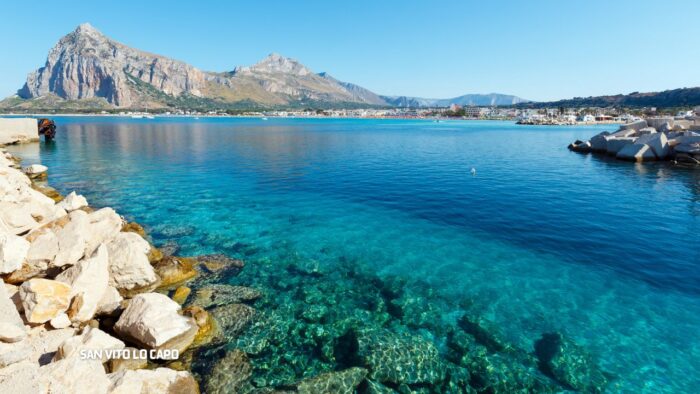
San Vito Lo Capo
San Vito Lo Capo is a charming town located in the province of Trapani. Situated in a valley, it is surrounded by imposing mountains and boasts a beautiful public beach. Although there are numerous caves in the area, it’s important to note that they cannot be accessed without professional climbing gear. The town is home to many delightful eateries, among which the old Café Europa is particularly noteworthy. This café is beloved by locals and visitors alike for their specialty dish, “Panini con Panelle”.
The town is host to a renowned event called the “Cous Cous Fest”, which is an international festival of culture and gastronomy of the Mediterranean. It’s a culinary competition featuring eight chefs from around the world. In May, you can enjoy the “International Kite Festival” held along the beach, and in July, the “Summer Music Festival” takes place, which offers a variety of music and entertainment.
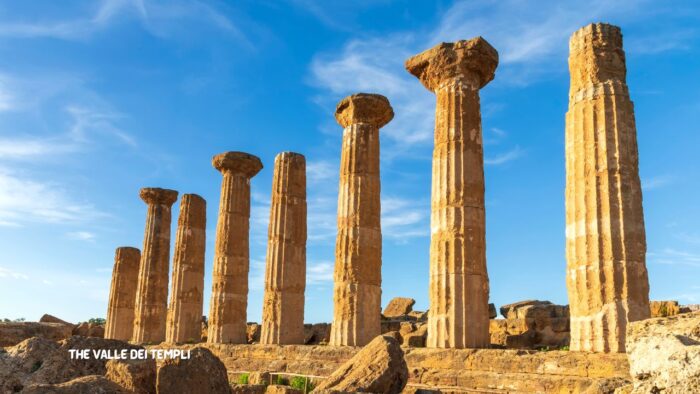
The Valle dei Templi (Valley of the Temples)
If you’re interested in ancient civilizations, you should visit the Valley of the Temples. The preservation of the temples was overseen by archaeologist Domenico Antonio Lo Faso Pietrasanta (1783-1863), who was also the Duke of Serradifalco from 1809-1812. The Valley of the Temples is the largest archaeological site in the world.
In the valley, there are seven temple ruins that were built using ancient Greek architecture. These temples include the Temple of Concordia, the Temple of Juno, the Temple of Heracles, the Temple of Olympian Zeus, the Temple of Castor and Pollux, the Temple of Vulcan, and the Temple of Asclepius. They serve as a reminder of the world that existed before us.
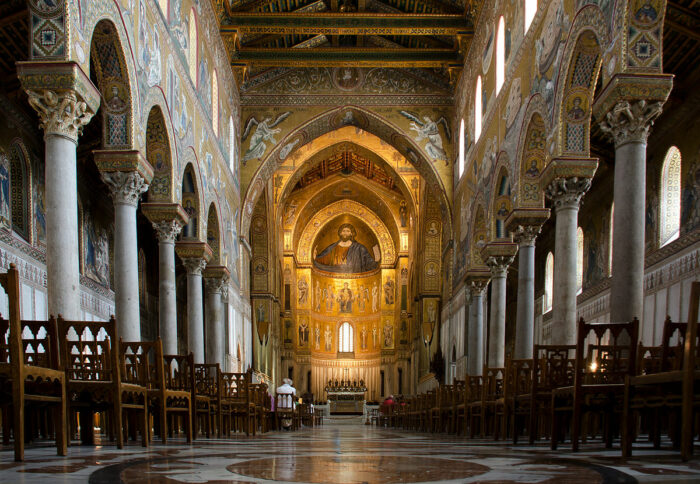
The Italian Catholic Archdiocese of Monreale
The Italian Catholic Archdiocese of Monreale is currently a Suffragan of the Archdiocese of Palermo. The Abbey of Monreale was established in 1174 and later became a metropolitan see for the diocese of Catania and diocese of Siracusa on February 2, 1183. This was made possible with the help of Bull Licet Dominus issued by Pope Lucius III.
When you visit the church, you can experience the scent of Sicily. The old stones used in this church are intricate and beautiful. The church has four columns at the center and a large antique door. Every inch of the walls and ceiling is adorned with delicate artworks, including mosaics of kings and saints, extravagant patterns and decorative marble flooring. The church is a busy and well-thought-out structure that is definitely worth a visit.

The Palatine Chapel
The Palatine Chapel, also known as the Palace Church or Palace Chapel, can be found on the first floor at the center of Palazzo Reale in Palermo. It served as the royal chapel for the Norman Kings of Sicily. In 1132, Roger II of Sicily had it built over an old chapel, now known as the crypt, which was previously dedicated to Saint Peter. The chapel features a domed basilica design with three apses and six-pointed arches that are typical of Byzantine architecture.
The main focus of the Palatine Chapel is its handmade mosaics. These mosaics, created by Byzantine artists, date back to the 1140s and are characterized by their shine and ornamental frames. There are also other mosaics that date back to the 1160s or 1170s, which feature Latin inscriptions.

Archaeological Park of Neapolis
When you’re in Sicily, you’ll never run out of archaeological sites to visit. One of the largest and most significant is the Archaeological Park of Neapolis. This park contains the largest collection of ruins in the area, and is divided into three parts: the Latomie (stone quarries), the Greek Theater, and the Roman Amphitheater. A visit to the park typically takes around two hours. The Latomie and Greek Theater are located past the park gate. The Greek Theater is particularly noteworthy, having been built in the 5th century BC and featuring 42 seat rows.
As you walk down the path towards the Amphitheater, you can still see a few columns standing. Additionally, there is a long stone base of the Altar of Hieron II, which was built in the 3rd century BC and happens to be the longest altar ever constructed. This is the amphitheater where bloody gladiator matches took place during the 1st century AD.

Villa Romana del Casale
Have you ever been to the UNESCO Heritage site in Sicily that boasts one of the largest and most diverse collections of Roman mosaics in the world? The villa and artworks housed there date back to as early as the 4th century AD. The collection is truly inspiring, with over 3000 sq m of mosaic and opus sectile pavements that have been preserved remarkably well. It’s hard not to be transported by the scent of Sicily as you take in this stunning collection of ancient art.
The villa’s more well-preserved part dates back to the 1st quarter of the 4th century AD. Archaeologists have identified three phases of construction, which involved the quadrangular peristyle and facing rooms in the first phase, the private bath complex in the second phase, and the new bath entrance with a big latrine and a huge colossal entrance in the third phase. At some point, the villa was also used as a fortress, but it was destroyed when the Vandal and Visigoth armies overran it. However, some of the outbuildings were still used during the Byzantine and Arab empires.

Piazza del Duomo in Syracuse
Piazza del Duomo is a beautiful and lively Baroque square located in Syracuse. It is built on the site of the ancient fortress of Syracuse, where you can still see remnants of the original Greek structure. The Syracuse city council is based at the north end of the Piazza del Duomo, which was constructed in 1629 by Spanish architect Juan Vermexio. On the other side of the square, you will find Palazzo Arcivescovile, which houses the Biblioteca Alagoniana and other rare 13th-century manuscripts.
In the northwestern corner of the square stands the Palazzo Beneventano del Bosco, while at its southern end you’ll find the Chiesa di Santa Lucia alla Badia. This church is home to the famous painting by Caravaggio, Il Seppellimento di Santa Lucia or “Burial of St. Lucy”. The painting was elaborately created in Syracuse between 1608 and 1609.
There are beautiful Baroque treasures to admire and quaint outdoor cafes to relax in, all under the gorgeous sun. Additionally, there is a tourist office available for guides.

Ragusa Ibla
If you are fond of Baroque architecture, you should definitely visit Ragusa Ibla, which is home to several stunning churches. One of the most notable is the Cathedral of San Giorgio, constructed in 1738 by architect Rosario Gagliardi after the original building was destroyed in the 1693 earthquake. The cathedral features a unique Catalan-Gothic style portal, which is a must-see. The façade comprises statues of saints, painted portals, huge columns, and 250 steps, all of which add to its grandeur.
The church of Santa Maria Delle Scale, also known as “Saint of Mary of the Steps”, is located on a narrow and winding street that connects Ragusa Ibla with Ragusa Superiore. The church suffered severe damage in 1693, but the Baroque half of the church was rebuilt while the surviving Gothic half remained untouched. Today, visitors can see the two distinct styles of architecture side by side.
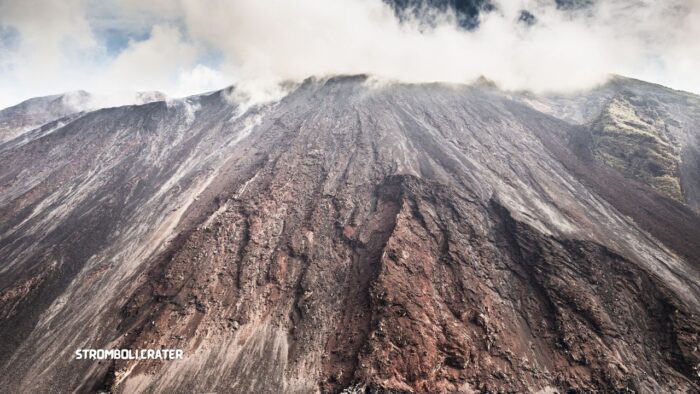
Stromboli Crater
Stromboli is off the north coast of Sicily and home of one of the three active volcanoes of Italy. It is also one of eight Aeolian Islands north of Sicily. It is called “Lighthouse of the Mediterranean” because of its minor eruptions that can be seen from afar.
The fragrance of Sicily is distinct in Stromboli Crater, which is considered one of the top tourist destinations in Sicily. If you wish to climb higher than 400 meters, it is necessary to hire a tour guide, as the slope can be challenging. Visitors are advised to wear appropriate walking shoes, carry a comfortable backpack, dress appropriately for cold and wet weather, bring a change of clothes, a face mask, flashlight, sufficient water, and food.
Like, Follow, and Subscribe to OutofTownBlog.com on Facebook, Twitter, Instagram, and Pinterest, and Team out Of Town on YouTube for more Sicily Tourist Spots.
Also Read:
- 7 Things You Must Do When Visiting Italy’s Amalfi Coast
- Top Things to Do and See in Florence, Italy
- 10 Italian Dishes You Must Try In Italy (That Aren’t Pizza)
- Hiking Up Tre Cime di Lavaredo in Italy
- Scintillating Cinque Terre, Italy