

 Melo Villareal
15 Must-Know Tips for First-Time Visitors to Venice
Visiting Venice for the first time feels like stepping into a living postcard—romantic canals, historic architecture, and timeless charm at every turn. But behind its beauty lies a city with unique logistics, cultural nuances, and practical challenges that can surprise unprepared travelers. From navigating its maze-like streets to understanding transportation, dining etiquette, and seasonal crowds, Venice demands a bit of insider knowledge to fully enjoy its magic.
Essential Tips for First-Timers in Venice
This Venice travel guide is designed specifically for first-time visitors who want to maximize their experience while avoiding common mistakes. Whether you’re planning a short getaway or a longer Italian adventure, these 15 essential Venice travel tips will help you explore smarter, save money, and discover hidden gems beyond the tourist hotspots. By the end, you’ll feel confident navigating Venice like a seasoned traveler—without missing the iconic experiences that make the Floating City unforgettable.
1. Learn the Basics of Getting Around
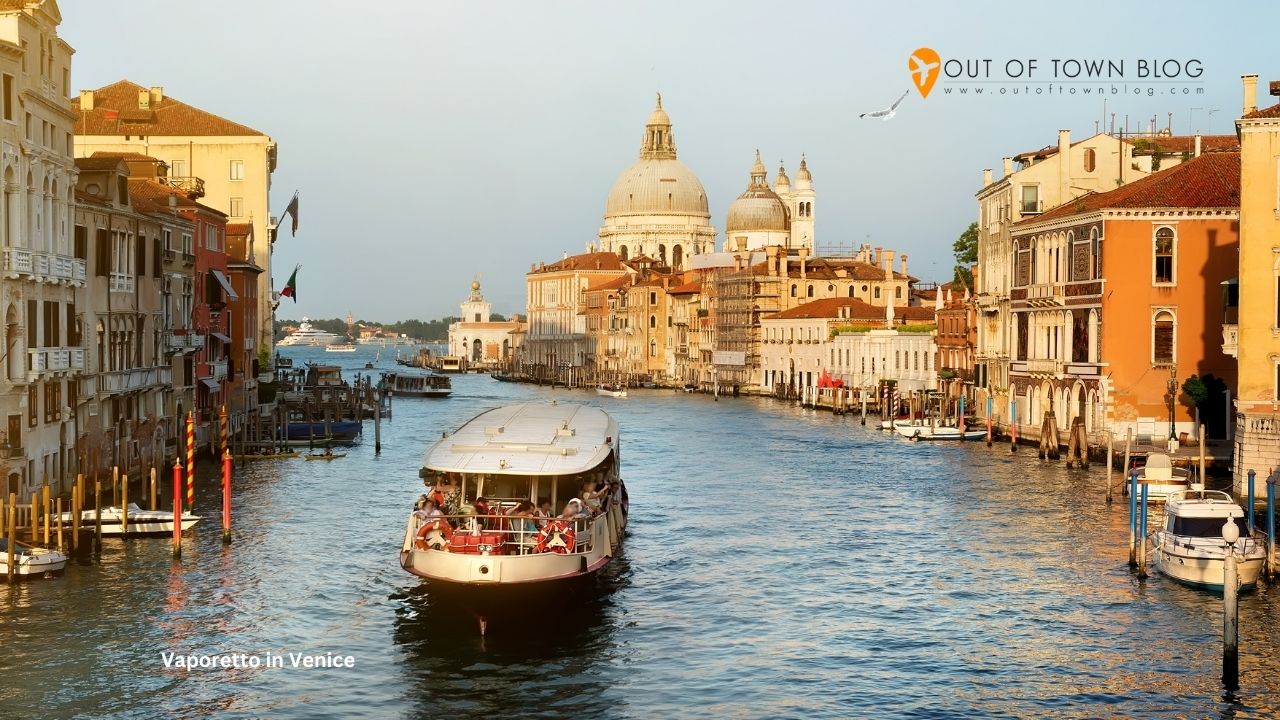
Venice is unlike any other city in the world—there are no cars, buses, or bikes in its historic center. Instead, transportation revolves around walking and water. For first-time visitors, this can feel both magical and confusing. The best way to explore Venice is on foot, but be prepared for a maze of narrow alleys, bridges, and unexpected turns.
Investing in a Vaporetto (water bus) pass is highly recommended, especially if you plan to visit nearby islands like Murano or Burano. A single ride can be expensive, so multi-day passes offer better value. Water taxis are faster but significantly more costly, making them better suited for special occasions or group travel.
Google Maps works surprisingly well in Venice, but sometimes signals can bounce due to the narrow streets. It’s helpful to download offline maps or use landmarks like churches and piazzas to orient yourself. Don’t be afraid to get lost—that’s part of Venice’s charm. Some of the most beautiful corners are found when you wander without a strict plan.
2. Choose Your Accommodation Wisely
Where you stay in Venice can dramatically shape your experience. Many first-time travelers assume staying near St. Mark’s Square is ideal, but this area is often crowded, noisy, and expensive. Instead, consider neighborhoods like Dorsoduro, Cannaregio, or Castello for a more authentic and relaxed atmosphere.
Staying slightly away from the main tourist hubs lets you experience local life—quiet mornings, neighborhood bakeries, and less-crowded streets. It is also more budget-friendly. However, make sure your accommodation is still within walking distance of a Vaporetto stop for convenience.
Another option is staying in Mestre (on the mainland), which is cheaper but less atmospheric. While it’s only a short train ride away, you’ll miss the magic of waking up in Venice itself.
When booking, check if your accommodation has clear directions, as finding addresses in Venice can be tricky. Many hotels provide detailed instructions or even offer pickup services from nearby water stops.
3. Visit Early or Late to Avoid Crowds
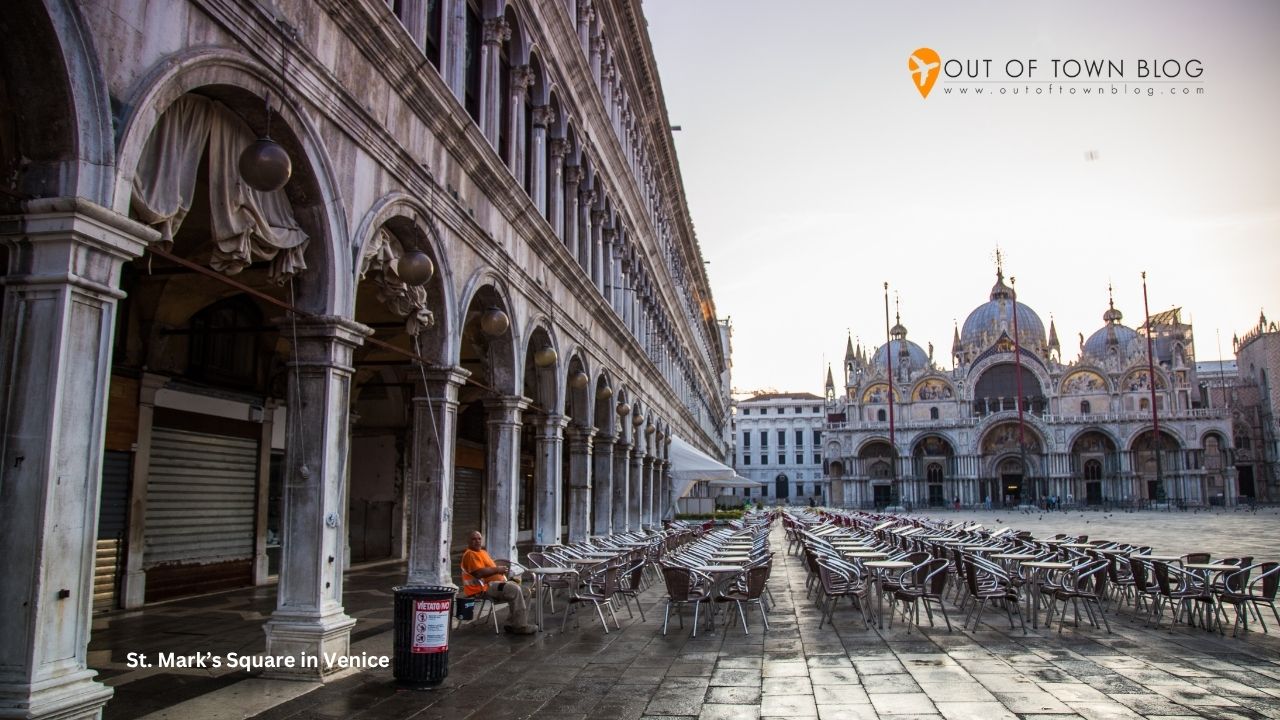
Venice is one of the most visited cities in Europe, and its narrow streets can quickly become overcrowded, especially during peak hours. To truly enjoy the city, timing is everything.
Early mornings are magical—quiet canals, soft light, and fewer tourists. This is the perfect time to visit iconic landmarks like St. Mark’s Square. Late evenings are equally enchanting, with a calmer, more romantic atmosphere once day-trippers leave.
If possible, avoid visiting during peak summer months (June to August), when crowds and heat can be overwhelming. Shoulder seasons like April-May and September-October offer a better balance of weather and fewer tourists.
Planning your itinerary strategically—visiting major attractions early and exploring quieter neighborhoods later—can make a huge difference in your experience. Venice rewards those who rise early and linger late.
4. Understand the Vaporetto System
The Vaporetto is Venice’s public water bus system, and understanding it will save you both time and money. Routes run along the Grand Canal and connect to outer islands, making it an essential part of getting around.
Line 1 is the most scenic, stopping at multiple points along the Grand Canal—perfect for sightseeing. Line 2 is faster, ideal for getting from one place to another quickly. Knowing which line to take can save you valuable travel time.
Tickets can be purchased at machines, kiosks, or online, but remember to validate them before boarding. Inspectors do check, and fines can be steep.
If you’re staying for a few days, consider a travel pass. It allows unlimited rides and removes the hassle of buying individual tickets. This is especially useful if you plan to explore beyond the main island.
5. Don’t Rely Solely on Gondolas
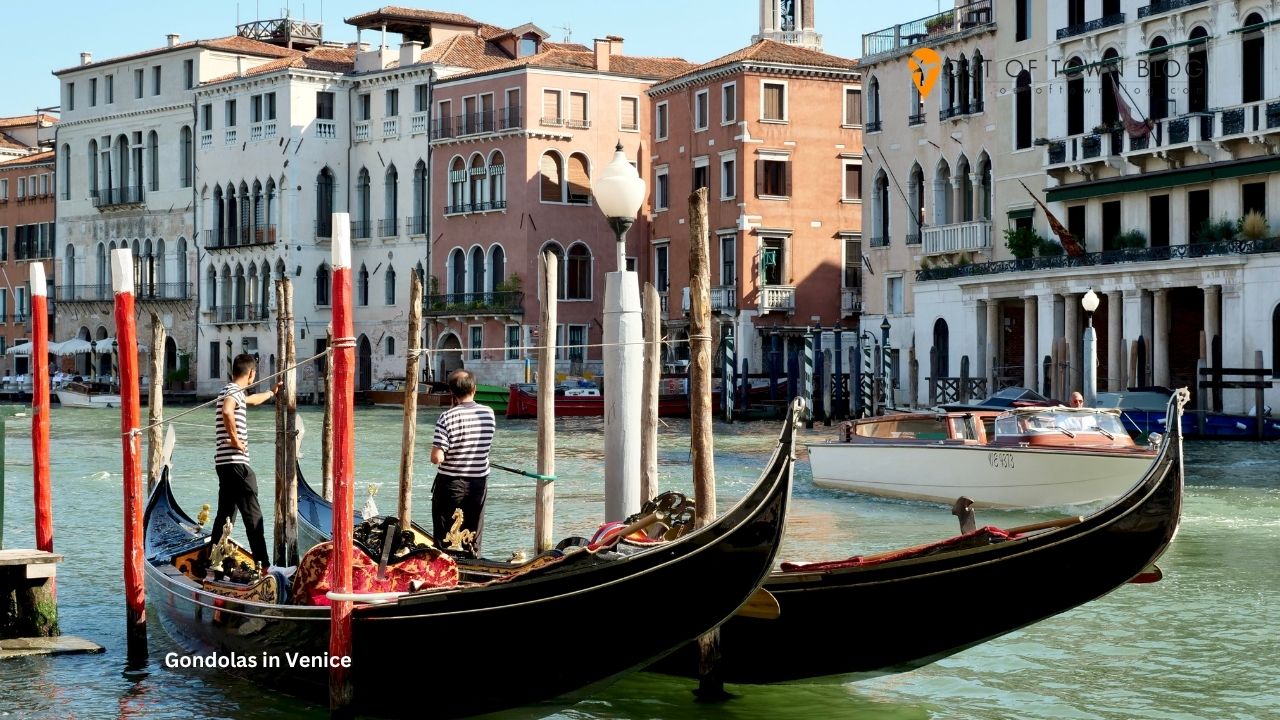
Relying solely on gondolas in Venice may seem romantic, but it’s not practical for most travelers. Gondolas are expensive, often costing over €80 for a short ride, making them unsuitable for regular transportation. They are also designed more for sightseeing than commuting, with limited routes that don’t connect efficiently to major attractions or neighborhoods. This means you could waste both time and money trying to get around exclusively by gondola.
Additionally, gondolas are not always readily available during peak hours or bad weather, which can disrupt your plans. Venice has a well-developed public transport system, including vaporettos (water buses), that are far more affordable and cover extensive routes across the city and nearby islands. Walking is another essential part of the Venice experience, allowing you to discover hidden alleys, local shops, and authentic eateries.
Using a mix of transportation options ensures a more flexible, cost-effective, and immersive visit.
6. Respect Local Etiquette
Respecting local etiquette in Venice is essential for preserving the city’s culture, maintaining harmony with residents, and ensuring a more meaningful travel experience. Venice is not just a tourist destination—it is a living city with a fragile environment and a deep historical heritage. Simple actions like speaking quietly, dressing appropriately when visiting churches, and avoiding sitting on bridges or monuments show respect for local traditions and public spaces.
Ignoring etiquette can contribute to overcrowding issues and strain relationships between locals and visitors. For example, blocking narrow walkways, littering, or feeding pigeons in St. Mark’s Square can disrupt daily life and even result in fines. Venetians value politeness, so greeting shopkeepers and respecting queues can go a long way.
By being mindful of local customs, you help protect Venice’s unique charm while also enjoying a more authentic and positive experience. Respect fosters goodwill, making your visit smoother, more enjoyable, and culturally enriching for everyone involved.
7. Watch Out for Tourist Traps
Watching out for tourist traps in Venice can save you money and lead to a more authentic experience. Many restaurants near major landmarks like St. Mark’s Square tend to charge higher prices for average food, often adding hidden fees such as “service charges” or inflated drink prices. It’s best to check menus and prices before sitting down and avoid places with aggressive staff trying to lure you in.
Another common trap involves overpriced gondola rides or unofficial guides offering “special deals.” Always confirm official rates and book through licensed operators. Souvenir shops in crowded areas may sell low-quality items at premium prices, so consider exploring quieter neighborhoods for better craftsmanship and fair pricing.
Be cautious with currency exchange services that offer poor rates, and use ATMs instead when possible. Also, avoid buying tickets from unauthorized sellers for attractions or transport.
By staying aware, doing a bit of research, and venturing beyond tourist-heavy zones, you can enjoy Venice more affordably while discovering its genuine charm and local culture.
8. Try Local Venetian Cuisine
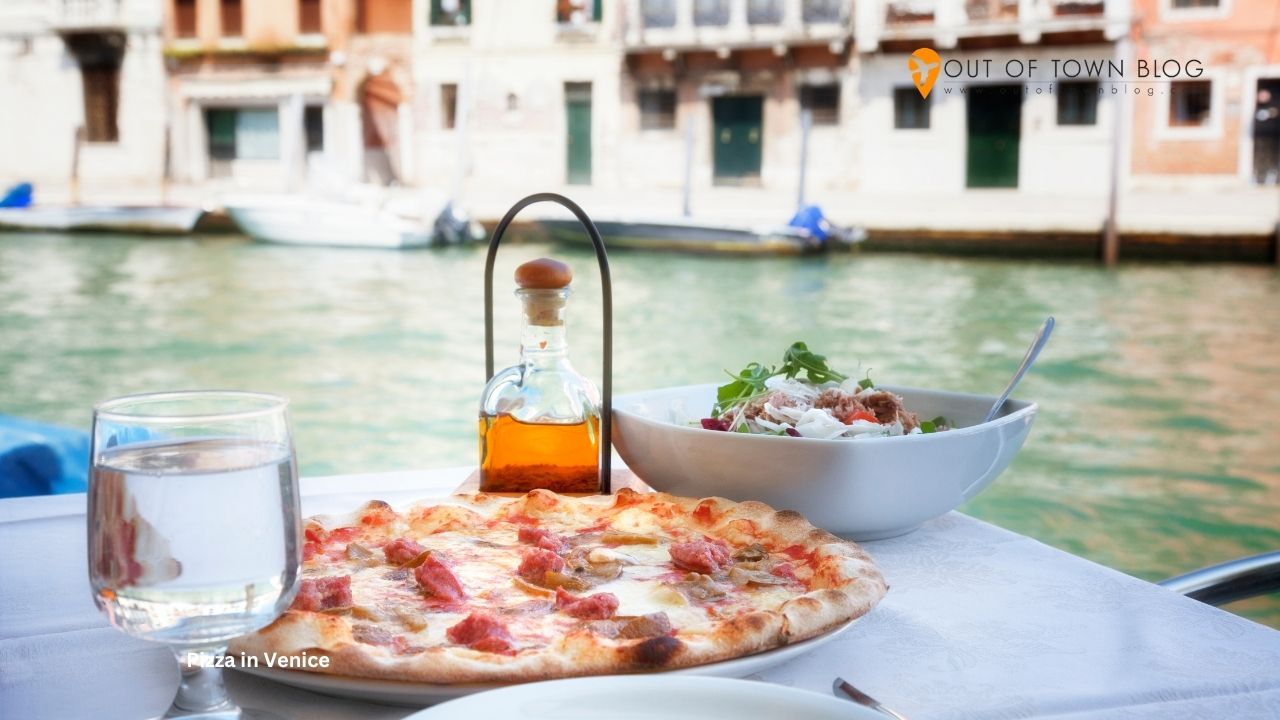
Trying local Venetian cuisine in Venice is one of the best ways to experience its culture. To start, seek out traditional bacari—small wine bars that serve cicchetti, Venice’s version of tapas. These spots offer an authentic, affordable way to sample dishes like marinated seafood, crostini, and fried bites while mingling with locals.
Head to neighborhoods like Cannaregio or Dorsoduro, where you’ll find fewer tourist crowds and more genuine eateries. Here, restaurants focus on fresh, seasonal ingredients, often featuring seafood specialties such as risotto al nero di seppia (squid ink risotto) and sarde in saor (sweet-and-sour sardines). Always look for menus in Italian and places filled with locals—these are usually good signs of quality and fair pricing.
Avoid dining right next to major attractions, where meals tend to be overpriced and less authentic. Instead, explore side streets and canals for hidden gems. Pair your meal with a local wine or a classic spritz to complete the experience.
By choosing where and how you eat carefully, you’ll enjoy Venice’s culinary traditions in a more genuine and memorable way.
9. Be Prepared for Flooding (Acqua Alta)
Being prepared for flooding, known as acqua alta, is essential when visiting Venice, especially between autumn and early spring. These temporary high tides can cause parts of the city, including St. Mark’s Square, to flood, sometimes with little warning. Checking daily tide forecasts through apps or hotel updates can help you plan your activities accordingly.
Pack waterproof shoes or boots, as regular footwear can quickly become soaked when walking through shallow water. Elevated walkways are often set up in heavily affected areas, so be ready to follow designated paths and expect some delays. It’s also wise to carry a small waterproof bag to protect valuables like your phone, passport, and documents.
Public transportation, such as water buses, usually continues running, though routes may be slightly adjusted. Staying flexible with your itinerary ensures you can still enjoy Venice despite the conditions.
With the right preparation and awareness, acqua alta becomes a unique experience rather than a disruption to your trip.
10. Carry Cash for Small Purchases
Carrying cash for small purchases in Venice is highly recommended, as many local businesses still prefer or require it. While credit and debit cards are widely accepted at larger restaurants and hotels, smaller establishments like bacari, market stalls, and souvenir shops often operate on a cash-only basis or impose minimum card payment amounts.
Using cash can also help you avoid extra fees. Some vendors add small surcharges for card transactions, especially for low-value purchases like coffee, snacks, or public restroom access. Having euros on hand ensures smoother, quicker transactions, particularly in busy areas where speed matters.
Additionally, tipping is not mandatory in Venice, but leaving small change is appreciated. Carrying coins makes it easier to show gratitude for good service without overpaying. Cash is also useful for transportation tickets, small entry fees, or spontaneous purchases.
By keeping a reasonable amount of cash with you, you’ll navigate daily expenses more conveniently while supporting local businesses that rely on simpler payment methods.
11. Explore Beyond the Main Island
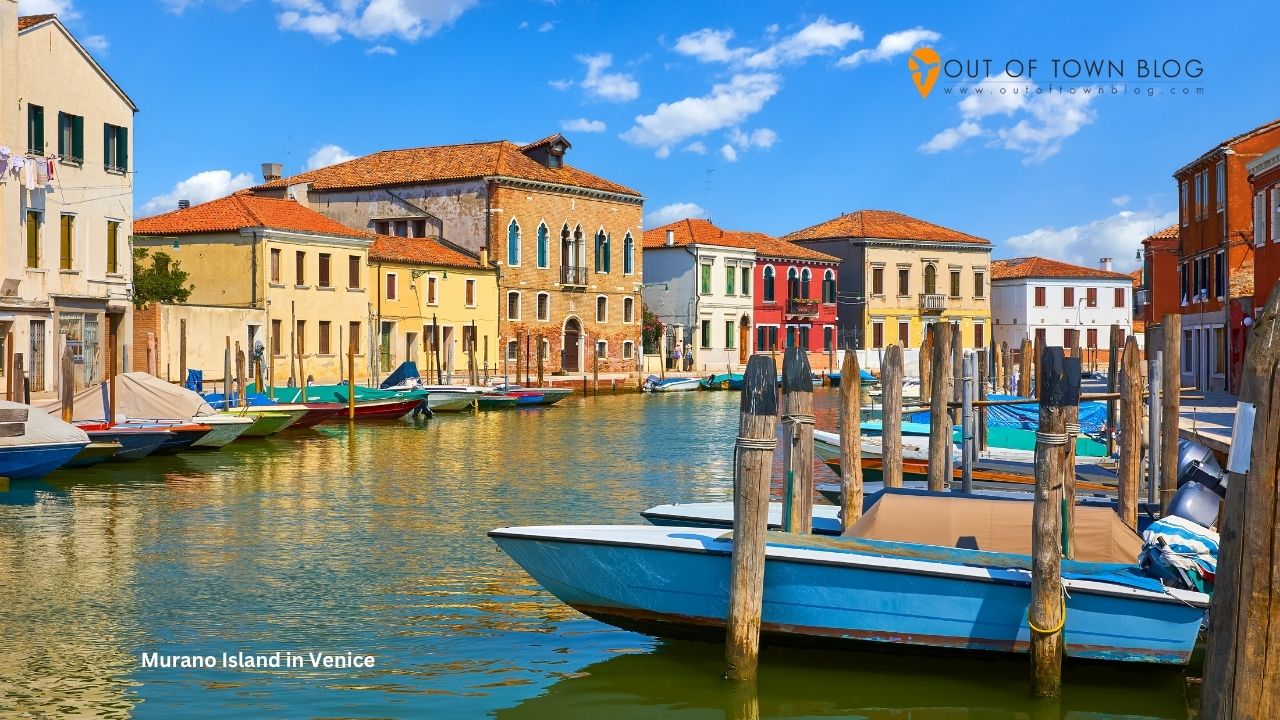
Exploring beyond the main island in Venice reveals a quieter, more authentic side of the lagoon that many visitors miss. While central Venice is stunning, it can be crowded and expensive. Nearby islands offer unique experiences, fewer tourists, and a deeper connection to local culture.
One must-visit is Murano, famous for its centuries-old glassmaking tradition. You can watch artisans at work and visit small museums dedicated to this craft. For something more colorful, head to Burano, known for its vibrant houses and lace-making heritage—perfect for photography and relaxed strolls.
If you’re seeking tranquility, Torcello offers a peaceful escape with historic churches and scenic wetlands. It feels worlds away from the busy canals of central Venice.
You can easily reach these islands via vaporetto (water bus), making day trips convenient and affordable. Bring comfortable shoes, check ferry schedules in advance, and plan to spend a few hours on each island.
By venturing beyond the main island, you’ll discover diverse traditions, landscapes, and a more relaxed Venetian atmosphere.
12. Stay Hydrated and Use Public Fountains
Staying hydrated while exploring Venice is essential, especially since you’ll likely spend hours walking through narrow streets and across bridges. Carrying a reusable water bottle helps you avoid frequent purchases of expensive bottled water, which can quickly add up in tourist-heavy areas.
Venice provides a convenient solution through its public drinking fountains, known as nasoni. These fountains supply clean, safe, and refreshing water sourced from the mainland, making them a reliable option for travelers. You’ll find them scattered throughout the city, including in quieter squares away from crowded attractions.
Using these fountains is not only cost-effective but also environmentally friendly, reducing plastic waste in a city already facing environmental challenges. It also allows you to take short breaks, recharge, and continue exploring comfortably.
Especially during warmer months, dehydration can affect your energy and enjoyment. By regularly refilling your bottle and taking advantage of Venice’s public fountains, you’ll stay refreshed, save money, and travel more sustainably throughout your visit.
13. Plan for Limited Wi-Fi
Planning for limited Wi-Fi in Venice is important to avoid inconvenience during your trip. While many hotels, cafés, and restaurants offer internet access, connections can be slow, unreliable, or restricted by time limits. Public Wi-Fi is also not consistently available throughout the city, especially in narrow alleys, smaller neighborhoods, or on the move between islands.
Without reliable internet, tasks like navigating maps, checking vaporetto schedules, or accessing reservations can become difficult. Downloading offline maps, travel guides, and important documents in advance ensures you stay oriented even without a connection. It’s also helpful to take screenshots of tickets, booking confirmations, and directions.
Consider purchasing a local SIM card or activating an international data plan for more consistent access. However, even mobile signals can be patchy in certain areas due to Venice’s layout.
By preparing for limited Wi-Fi, you reduce stress and stay flexible. It also encourages you to disconnect, be present, and fully enjoy the unique atmosphere, architecture, and slower pace of life Venice offers.
14. Pack Light and Smart
Packing light and smartly for a trip to Venice is essential, given the city’s unique layout. Unlike most destinations, Venice has no cars—getting around involves walking, climbing bridges, and using water transport. Heavy luggage can quickly become a burden as you navigate narrow streets, crowded walkways, and staircases over canals.
Many accommodations are located in historic buildings without elevators, meaning you may need to carry your bags up several flights of stairs. Traveling with a compact suitcase or backpack makes moving between vaporetto stops, hotels, and attractions much easier and less stressful.
Packing smart also means choosing versatile clothing and comfortable walking shoes. Lightweight layers help you adapt to changing weather while minimizing the number of items you carry. Essentials like a reusable water bottle, portable charger, and small day bag can enhance convenience without adding bulk.
By keeping your luggage minimal and practical, you’ll move more freely, save time, and fully enjoy exploring Venice’s charming streets and hidden corners without unnecessary hassle.
15. Embrace the Slow Pace
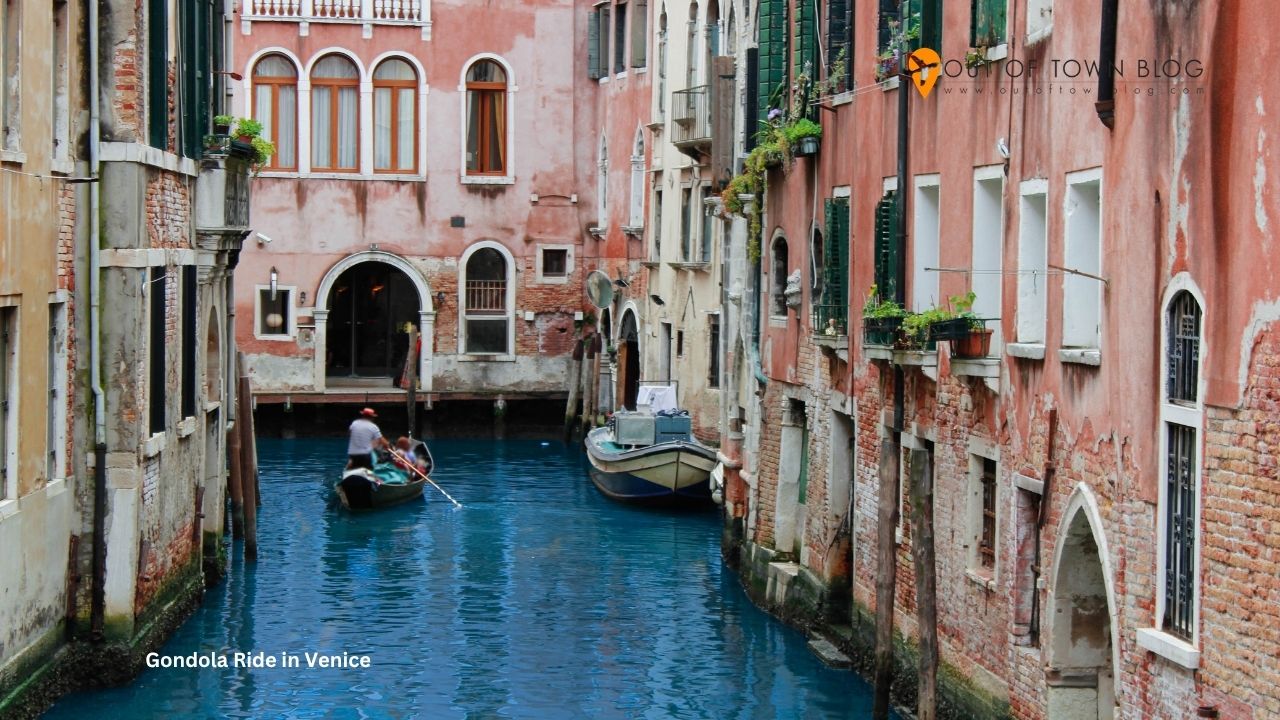
Embracing the slow pace of Venice allows you to fully appreciate its unique charm and atmosphere. Venice is not a place meant for rushing from one attraction to another—instead, it invites you to wander, observe, and savor each moment. The beauty of Venice lies in its quiet canals, hidden courtyards, and the simple pleasure of getting slightly lost.
Rushing through your itinerary can cause you to miss the subtle details that make the city special, such as local artisans at work or peaceful neighborhood scenes away from crowded landmarks like St. Mark’s Square. Taking your time also reduces stress, especially in a city where navigation can be confusing and crowded.
Slowing down encourages meaningful experiences—enjoying a long meal, sitting by a canal, or watching gondolas pass by. It also helps you connect more deeply with Venetian culture and daily life.
By embracing a relaxed pace, your visit becomes more immersive, memorable, and enjoyable, allowing you to experience Venice as more than just a checklist of sights.
Conclusion
Your first visit to Venice can be as smooth or as stressful as you make it—and preparation is the key to unlocking its full magic. By following these essential Venice travel tips, you’ll avoid common pitfalls, save money, and experience the city like a savvy traveler rather than a rushed tourist.
From mastering the Vaporetto system to discovering hidden neighborhoods and savoring authentic Venetian cuisine, every detail adds to a richer, more meaningful journey. Venice is not just about checking off landmarks—it’s about immersing yourself in its rhythm, history, and everyday life.
With the right mindset and these practical insights, your first trip to Venice won’t just meet expectations—it will exceed them, leaving you with unforgettable memories and a deep appreciation for one of the world’s most unique destinations.
Venice Travel and Tour Packages
To help you plan your vacation to Venice, we have listed places to visit and other activities to do in Venice, Italy. We also included links to the best travel deals, tour packages, flight deals, and accommodation options.
Venice Gondola Ride

There is only one way to see Venice, famously known as the city of water – and it is aboard a gondola on the beautiful Grand Canal.
Searching for the best hotels, resorts, and affordable flights in the nearby Cities? Check out our list of cheap Venice hotels and resorts via Agoda, Booking, or you may also see available Airbnb properties in the city.
Want more updates about new package tours and tourist attractions in Venice, Italy? Follow #TeamOutofTown on Facebook, Twitter, Instagram, and Pinterest for more travel ideas.
Also read:
- 12 of the Most Beautiful Destinations in Italy
- VENICE TRAVEL GUIDE: DIY Itinerary, Activities, Best Hotels, and more
- Cruising the World – From Gondolas to Megaships
- 8 Best Beachfront Airbnbs in Venice Beach, LA

