Melo Villareal
Taal Tourist Spots: Best Places to Visit and Things to Do in Taal, Batangas
Taal is a quaint municipality in picturesque Batangas province, Philippines. Contrary to popular belief, the famous Taal Volcano and the stunning Taal Crater Lake are not in Taal itself, but in the neighboring town of San Nicolas. Nevertheless, Taal town remains a hidden gem, celebrated for its rich cultural heritage and meticulously preserved historical architecture. Visitors can immerse themselves in the vibrant local traditions and explore the charming streets lined with ancestral homes, each telling a story of the town’s storied past.
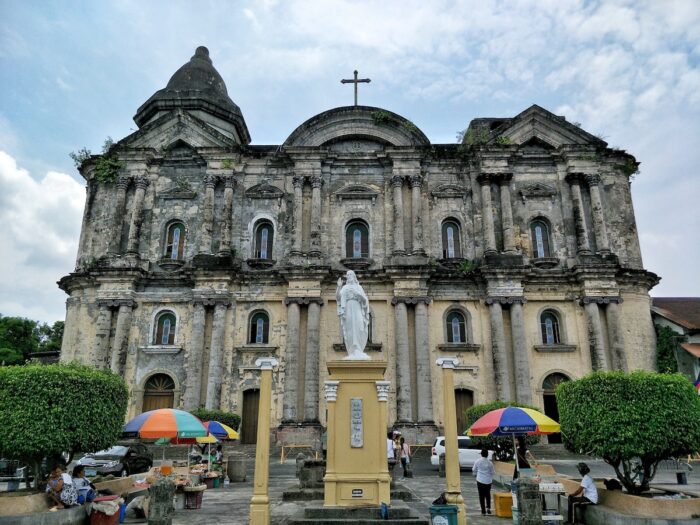
Minor Basilica of St. Martin of Tours
Taal’s central business district, a charming town in Batangas Province, Philippines, has been recognized as a National Historical Landmark by the National Registry of Historic Sites and Structures. This designation reflects its rich cultural heritage and historical significance.
As you stroll along the serene streets lined with beautifully preserved ancestral houses, you’ll find a captivating blend of the past and present. Here are some of the must-visit attractions and activities that showcase the unique character of Taal:

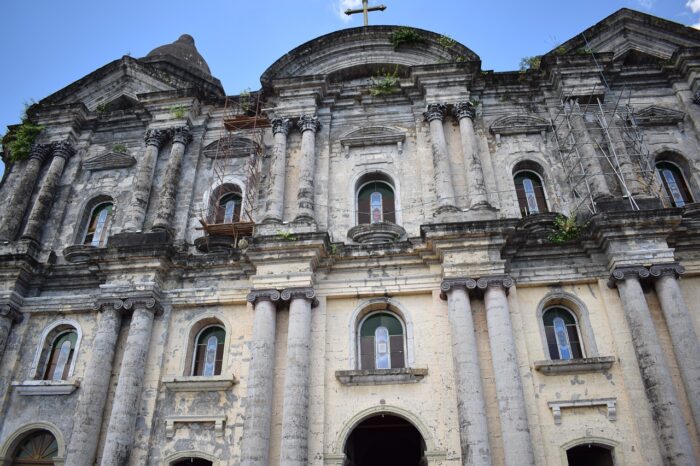
Minor Basilica of St. Martin of Tours
More commonly known as Taal Basilica, this majestic structure holds the title of the largest church in the Philippines and across all of Asia. Towering at almost 90 meters high and spanning 48 meters, it stands as a remarkable testament to architectural grandeur.
Construction of this historic church began in 1575, and over the centuries, it underwent numerous renovations from 1642 to 1990. Despite the natural calamities it has faced throughout its existence, it continues to stand proudly as a symbol of resilience and faith. Its storied walls whisper tales of a rich history, making it a beloved landmark for locals and visitors alike.
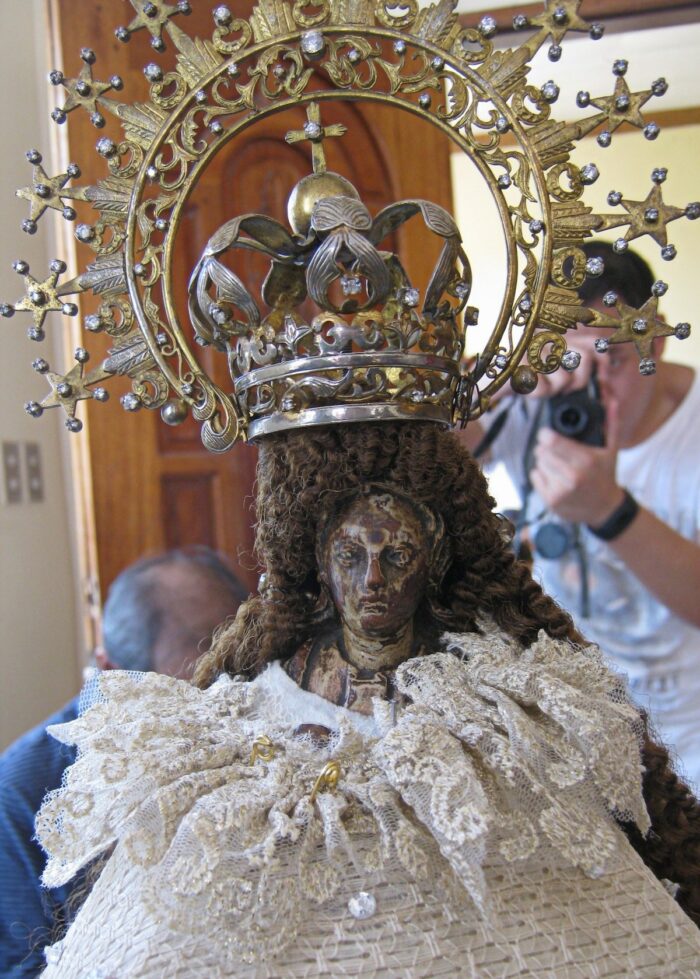
Archdiocesan Shrine of Our Lady of Caysasay
The coralline arches of the shrine dedicated to Our Lady of Casaysay have stood majestically since the early 1600s, a testament to the artistry and devotion of its creators. The shrine captivates visitors with vibrant, intricate designs that dance with color and detail, reflecting the region’s cultural heritage.
Adding to the allure are the San Lorenzo Ruiz steps—an impressive flight of 125 steps that gracefully ascends from the heart of the town to the church. This journey not only connects visitors physically to the sacred space but also invites them to immerse themselves in the beauty and history that surrounds them.

Galleria Taal
Galleria Taal proudly stands as the country’s first vintage camera museum, a testament to photography’s rich history. Manny Inumerable, a passionate local, curated this captivating collection and transformed his love for cameras into a vibrant display of photographic heritage.
Visitors will not only marvel at the exquisite array of vintage cameras but also discover a fascinating exhibit featuring photographs of the esteemed winners of Ginoong & Binibining Taal, an annual pageant that showcases the beauty and talent of the municipality’s residents. The Galleria Taal offers a unique glimpse into the intersection of art and culture, inviting all to explore the stories captured through the lens of time.

Buy Balisong
The Balisong, often called a butterfly knife, is a striking weapon known for its unique folding design. A local artisan crafted it in the early 1900s, and it has since become an iconic symbol of Filipino craftsmanship. If you hesitate to buy one for fear of legal issues at the airport on your return journey, there’s a captivating alternative: watch skilled locals craft these beautiful blades.
Taal, renowned as the Balisong Capital of the Philippines, is where you’ll find authentic Balisongs being meticulously produced, offering a glimpse into a rich tradition of artistry and skill that defines this remarkable weapon.

Eat Lomi
While the Ilocos Region is famous for its pinakbet, Batangas proudly showcases its own culinary gem: Lomi. Taal is renowned for serving some of the finest lomi you’ll ever taste. This hearty noodle dish, rooted in Chinese cuisine, has been lovingly adapted by locals into a unique and vibrant meal.
Each noodle strand is infused with rich flavor, sautéed to perfection with a medley of tender meats and fresh vegetables. The broth is comforting and luscious, thickened with cassava flour for a satisfying texture that clings to every bite. Taste Taal’s tradition and warmth in every bowl of Lomi!
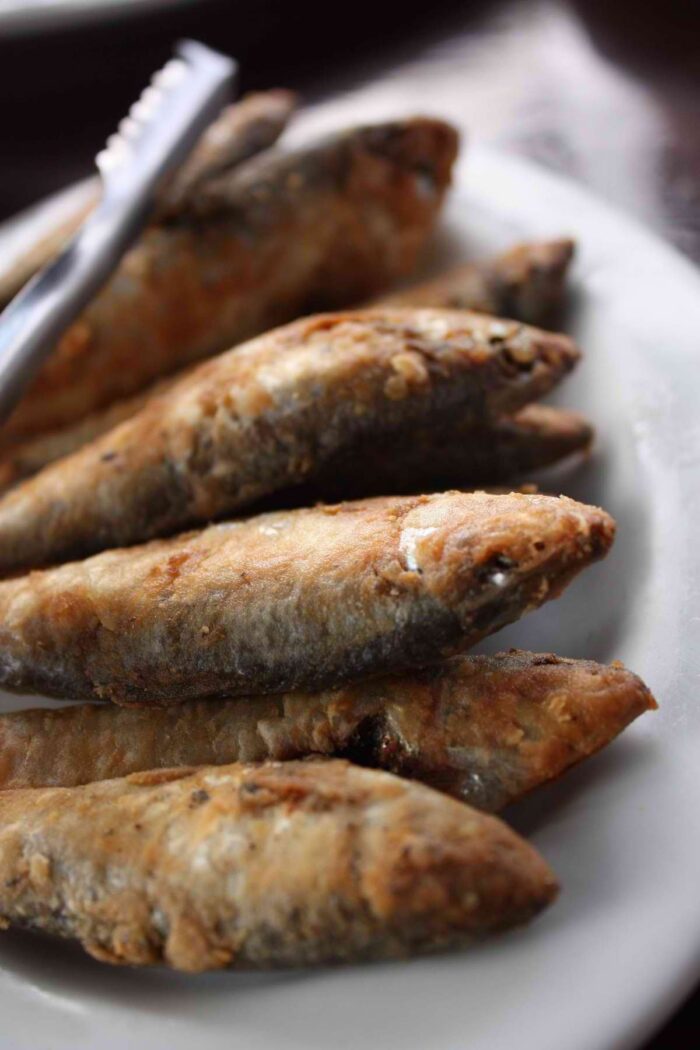
Eat Tawilis
Tawilis is the only sardine species that thrives in freshwater environments, making it a unique aquatic gem of the Philippines. This remarkable fish is found only in the pristine waters of Taal Lake, a volcanic lake known for its breathtaking scenery. As a result, Tawilis has become a cherished delicacy throughout Batangas, particularly in the quaint town of Taal.
Locals savor this small fish whole, paired with vibrant tomatoes, crisp onions, and tangy unripe mangoes for a delightful fusion of flavors that captures the essence of the region’s culinary heritage.


Try Tapang Batangas
Breakfast delights in Taal don’t stop there! Among the culinary treasures awaiting you is Tapang Batangas, also known as Tapang Taal—a sublime dish featuring incredibly tender, perfectly marinated pork tapa. Infused with aromatic garlic, rich soy sauce, and a medley of carefully selected spices, this dish delivers a symphony of flavors that dances on the palate.
Experiencing Tapang Batangas is not just a culinary indulgence; it’s a quintessential part of immersing yourself in Taal’s vibrant culture. Skipping it is like missing the heart and soul of this enchanting destination!

San Nicolas Ruins
Known by various names, including the “First Taal Church” and the “Old Taal Church Ruins,” the church stands as a testament to the region’s rich history. In 1754, the nearby Taal Volcano erupted spectacularly, unleashing its fury and wreaking havoc upon the surrounding towns, including the beloved St. Martin of Tours Church in Taal.
While the majestic basilica still stands proudly today, remnants of its original structure tell tales of resilience and time. These remains preserve the spirit of the past and attract visitors eager to explore the poignant beauty and cultural significance of this remarkable site.

Casa VillaVicencio
Nestled along Gliceria Marella Street, this historic house, built in 1850 during the Spanish era, stands as a remarkable testament to the era’s architectural style. Owned by the distinguished Don Eulalio Villavicencio, the residence served as a clandestine meeting place for nationalists during periods of social unrest.
Its walls, steeped in history, have witnessed fervent political discussions and the resolve of a nation yearning for freedom. Today, this magnificent structure is preserved not only as a heritage house but also as a silent guardian of the stories and struggles that unfolded within it.
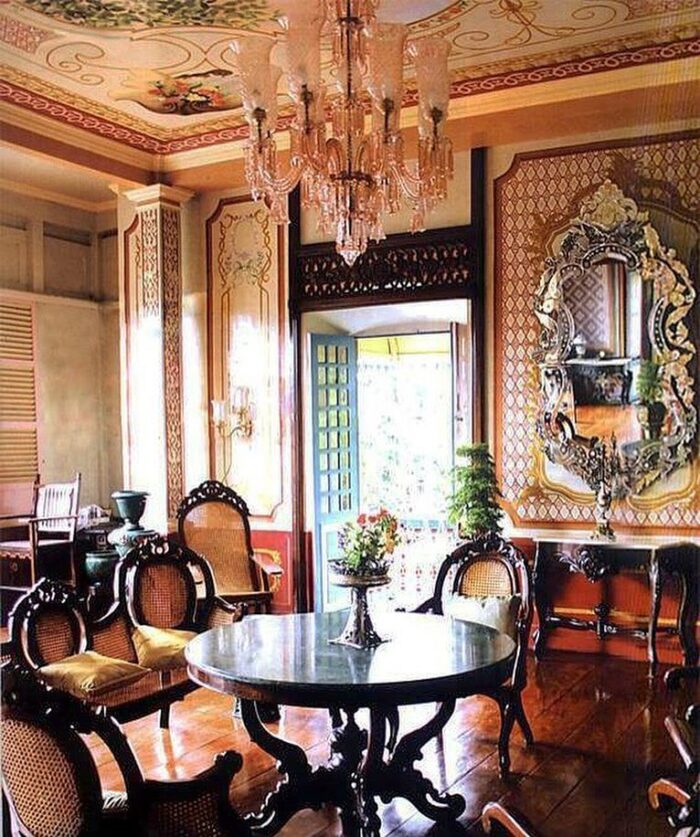
Villavicencio Wedding Gift House
Nestled beside the historic Casa Villavicencio, the charming Wedding Gift House offers an inviting accommodation option for visitors. Like its neighbor, this quaint residence hails from the same captivating era, offering a glimpse into the past. Inside, you are greeted by interiors adorned with exquisite heritage decor, each piece telling a story of tradition and elegance.
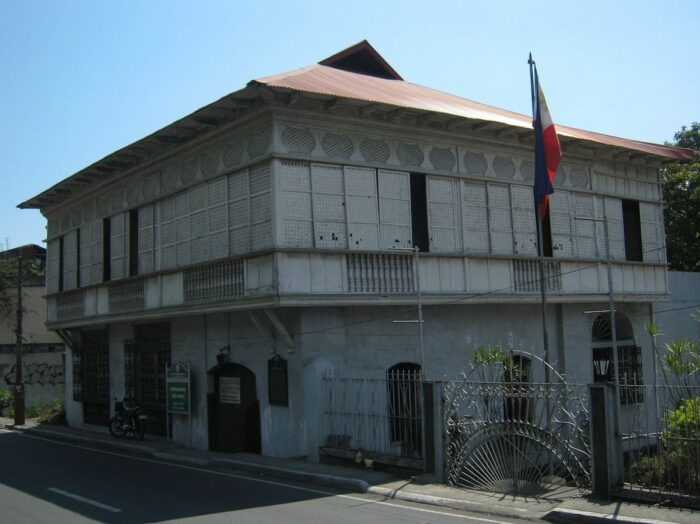
Agoncillo-Mariño Ancestral House
Another must-see museum is the Agoncillo-Mariño Ancestral House, a splendid example of Spanish Colonial-era architecture. This historic gem is one of Taal’s oldest residences, exuding a charm that transports visitors back in time.
It is not only a beautifully preserved structure but also a tribute to the remarkable contributions of Marcela Mariño de Agoncillo, wife of Felipe Agoncillo, who played a pivotal role in Philippine history. The house is filled with fascinating artifacts and exhibits that tell the story of their enduring legacy, making it a captivating stop for anyone eager to explore the rich cultural heritage of the Philippines.
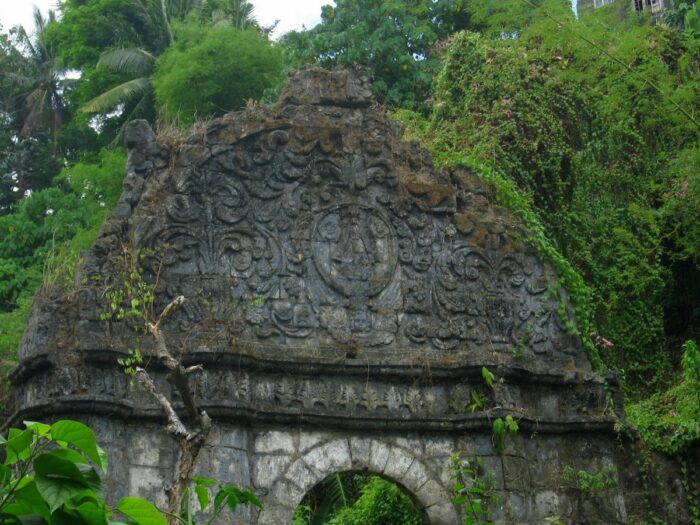
Healing Wells of Sta. Lucia
In the 18th century, a devastating earthquake unleashed its fury on Taal, Batangas, leaving a scene of destruction where a venerable church once stood. The tremors were so powerful that the grand structure sank halfway into the earth, sealing its fate and making any hope of renovation or reconstruction impossible. Over time, however, a miraculous transformation occurred: clear, spring water began to surge from the submerged church’s two doors, creating a hauntingly beautiful spectacle.
This natural phenomenon soon became known as a well, and people attributed the miraculous waters to the divine intercession of the Virgin of Caysasay, to whom the church was dedicated. The legend of this sacred site continues to resonate, drawing the faithful and curious alike to witness nature and faith intersect.
How to Get to Taal, Batangas from Manila
Taal is at least three to four hours away from Manila.
Public transportation
If you plan to commute, JAM Liner is one bus line with stations in Cubao and Buendia. These trips can take up to 3.5 hours and cost Php 200 per head. Ask the driver to drop you off at “Taal Town” or “Taal Municipality”. Make sure to clarify that you are going to the town, not to the volcano or the lake.
Via the SLEX
If you plan to drive, you can take the shortest route via the South Luzon Expressway (SLEX).
1. At the end of SLEX, turn to the “Lipa Exit” lane. Turn left at Taal National Highway and drive straight.
2. Turn right before the road where the Phoenix Gas Station is.
3. Follow the road until you see Alitagtag’s welcome arch. You’ll see another gas station on the left; turn right there.
4. Drive for approximately 3 km straight until you see Sta. Terisita’s welcome arch. Continue straight to the National Highway Junction. Turn right.
5. You will see another gas station after 5 km. Keep left; the town proper is just 2 km away.
Also Read:
- 14 Amazing Beaches in Batangas to Visit for Summertime
- Top 4 Beach Resorts all around Laiya Batangas
- 12 Things that Kids Love About Hamilo Coast in Nasugbu Batangas
- Batangas Culinary Delights: Southern Tagalog Kulinarya Caravan