
 Melo Villareal
Travel Guide to Kaohsiung: Taiwan’s Vibrant Harbor City of Art, Night Markets & Tropical Charm
If you’re searching for a Kaohsiung travel guide that goes beyond quick lists and actually helps you understand the city, you’re in the right place. Visiting Kaohsiung, Taiwan, feels different from northern Taiwan the moment you arrive — warmer air, wider streets, slower pace, and a harbor skyline glowing at sunset. Unlike the dense intensity of Taipei, this southern port city invites you to wander, snack, bike, and stay outdoors longer.
Kaohsiung Travel Guide
Many travelers planning a trip to Kaohsiung, Taiwan, initially plan a short stop but quickly realize it deserves its own itinerary. From temples beside lotus ponds to warehouse art districts and late-night seafood markets, Kaohsiung tourism rewards curiosity more than rushing.
This Kaohsiung city guide is designed as a practical Kaohsiung trip planner — whether you’re deciding if Kaohsiung is worth visiting or preparing a full multi-day stay. You’ll find real planning details, costs, food advice, cultural etiquette, and insider suggestions that a typical Kaohsiung travel blog rarely explains deeply.
1. Destination Overview
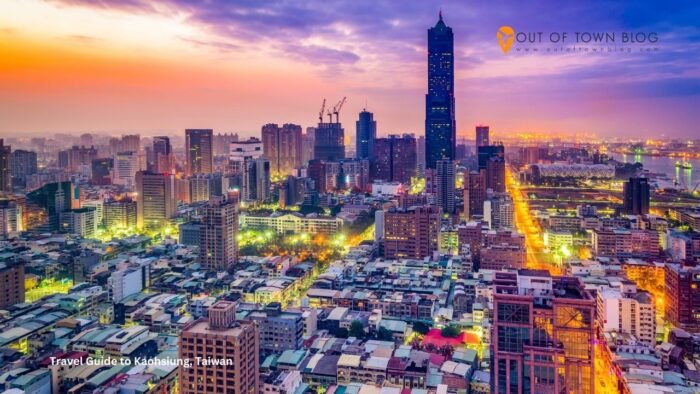
Kaohsiung, Taiwan’s second-largest city and its busiest port, has transformed from a predominantly industrial hub into a vibrant, livable metropolis renowned for its creative spirit and scenic beauty. The city’s sunny climate has earned it the nickname Taiwan’s Sunshine Capital, where warm weather encourages outdoor activities year-round.
Along its coastline, palm-lined seaside cycling paths invite residents and visitors to enjoy leisurely rides with views of the ocean. Art installations and public sculptures add a touch of culture to the urban landscape, while bustling night markets offer diverse culinary delights, making Kaohsiung a dynamic blend of natural charm, artistic expression, and lively community life.
Key Highlights
- Massive Buddhist complexes and traditional temples
- Harbor promenades and sunset viewpoints
- Warehouse art districts and music venues
- Exceptional street food culture
- Warm weather year?round
Best Time to Visit
Overall sweet spot: Late October to April
- Comfortable temperatures around 24–30 °C
- Drier skies and lower humidity
- Ideal for walking, night markets, cycling, temples, and harbor sightseeing
This is widely considered the most pleasant travel season.
Season-by-Season Breakdown
Autumn (October–November) — Best Time
Why go
- Clear skies and comfortable warmth
- Typhoon season ending
- Excellent for outdoor exploring and photography
Best for: first-time visitors and relaxed sightseeing
Spring (March–April) — Festivals & Mild Weather
Why go
- Pleasant 20–28 °C temperatures
- Lantern festivals and cultural events
- Less humid than summer
Best for: culture trips and light outdoor activities
Winter (December–February) — Coolest & Budget-Friendly
Why go
- Around 24 °C — still warm compared to many countries
- Minimal rainfall in southern Taiwan
- Fewer tourists outside holiday periods
Downside: occasional cloudy days
Summer (May–September) — Least Recommended
Conditions
- 30–34 °C heat with high humidity
- Heavy rain and typhoons
Only suitable if: you want beaches, cheaper flights, and can tolerate hot weather
Quick Decision Guide
- Best weather: November or April
- Festivals: February–March
- Cheapest: January–February (non-holiday weeks)
- Avoid: June–September (heat and storms)
Simple answer:
Plan your trip between November and April for the most comfortable experience.
Pro Tip: November is the sweet spot — clear skies, festivals, and fewer tourists than Taipei.
Travel Difficulty & Duration
Difficulty: Easy for first-time Taiwan visitors
Recommended Stay: 3–4 days
Walking: Moderate distances but excellent MRT access
2. Essential Travel Information
Visa & Entry (For Filipinos & Others)
Philippine passport holders: Visa-free up to 14 days
Requirements:
- Passport valid for 6 months
- Return ticket
- Accommodation booking
Most Western countries: 90-day visa?free entry
Immigration is efficient and organized; expect biometric scans.
Currency & Budget (USD)
Currency: New Taiwan Dollar (TWD)
Daily travel budget:
- Budget: $40–60
- Mid-range: $80–150
- Comfortable: $180–250+
Typical prices:
- Night market meal: $5–10
- Restaurant meal: $10–20
- Coffee: $3–5
- Attraction entry: Free–$10
Language & Communication
Primary language: Mandarin
Common secondary: Taiwanese Hokkien
English level: Moderate in stations, limited in small eateries
Useful phrases:
Ni Hao – Hello
Xie Xie – Thank you
Duo Shao – How much
Bu Yao Xiang Cai – No cilantro
Pro Tip: Google Translate camera mode works extremely well on menus in Taiwan.
Getting There
From Taoyuan International Airport (Taipei’s main airport)
This is the most common route.
Option 1 — High Speed Rail (fastest & easiest)
Total time: about 2.5–3 hrs door-to-door
| Step | What to do |
|---|---|
| 1 | Airport MRT -> Taoyuan HSR Station |
| 2 | Taiwan High Speed Rail -> Zuoying (Kaohsiung) |
| 3 | Transfer to Kaohsiung MRT to the hotel |
Travel time:
- Airport MRT: 20 min
- HSR: 95–105 min
Cost: ~NT$1,490 (~P2,600)
Why choose this: Best balance of comfort, speed, and simplicity.
Option 2 — Domestic Flight (fast but more hassle)
Total time: about 3–4 hrs realistically
Fly: Taipei Songshan Airport -> Kaohsiung International Airport
Airlines: UNI Air / Mandarin Airlines
Important: After security + airport transfers, it’s usually NOT faster than HSR.
Only worth it if:
- You stay near Songshan Airport
- You find a promo fare
Option 3 — TRA Express Train (budget option)
Total time: 4.5–6 hrs
Cheaper but slower, with seats likely to sell out.
Cost: ~NT$850–1,060
Good for budget travelers, but most visitors regret not taking HSR.
From Taipei City Proper (not the airport)
Go to Taipei Main Station -> HSR -> Zuoying Station
Travel time: about 1 hr 40 min
Arrival in Kaohsiung
You will reach Zuoying HSR Station, already connected to:
- Kaohsiung MRT Red Line
- Buses
- Taxis
Most hotels in:
- Formosa Boulevard
- Central Park
- Sanduo is 10–20 minutes away.
Recommended Choice
Take the HSR unless you have a very tight budget.
Taiwan’s bullet train is integral to the travel experience and significantly reduces fatigue.
Getting Around
- MRT: Main transport. Fast, clean, and reaches most attractions (Red & Orange lines).
- Light Rail: Slow but scenic loop around harbor areas like Pier-2 and Love River.
- Bus: Needed mainly for Fo Guang Shan and farther neighborhoods.
- Cijin Ferry: 5-minute ride to Cijin Island; EasyCard/iPASS works.
- YouBike: Great for flat riverside and harbor cycling paths.
- Taxi/Uber: Cheap and useful late at night after trains stop.
Overall: MRT and walking cover most trips; add ferry or Uber as needed.
Transit cards (iPass or EasyCard) work across Taiwan.
3. Top Attractions & Experiences
Must-See Landmarks
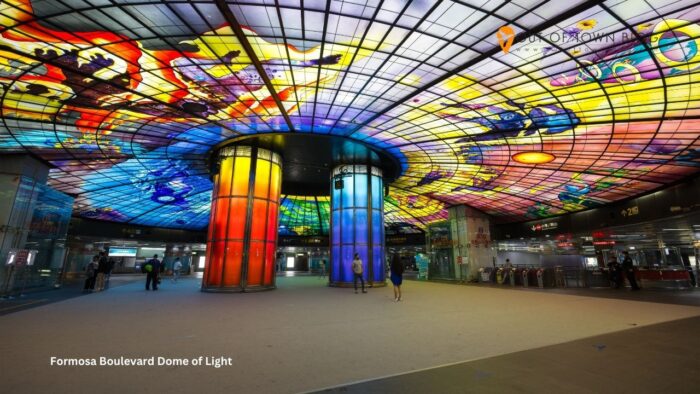
Formosa Boulevard Dome of Light
The Formosa Boulevard Dome of Light is a massive stained-glass installation inside Formosa Boulevard Station in central Kaohsiung. Spanning the station’s main concourse, it depicts themes of water, earth, light, and fire through vibrant panels designed by artist Narcissus Quagliata.
Visitors can admire the artwork from multiple angles, watch the short light shows held daily, take photos, and explore the nearby Liuhe Night Market for food afterward.
How to get there: Ride the Kaohsiung MRT Red or Orange Line and exit at Formosa Boulevard Station (R10/O5); the dome is directly inside the station, no outdoor walking required.
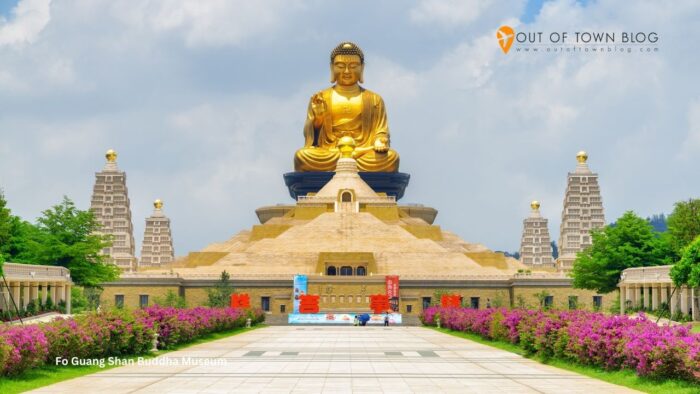
Fo Guang Shan Buddha Museum
Fo Guang Shan Buddha Museum is a vast Buddhist cultural complex in Dashu District, Kaohsiung, Taiwan. Opened in 2011 by Fo Guang Shan monastery, it integrates spiritual practice, art, and education.
The centerpiece is a 108-meter bronze Buddha seated above eight pagodas and a grand ceremonial avenue. Inside, there are exhibitions on Buddhist history, relics, and calligraphy, as well as interactive displays. Visitors can explore gardens, attend chanting ceremonies, and enjoy vegetarian dining.
To get there, take the Kaohsiung MRT to Zuoying Station, then a direct E02 bus to the museum, or drive about 40 minutes from central Kaohsiung.
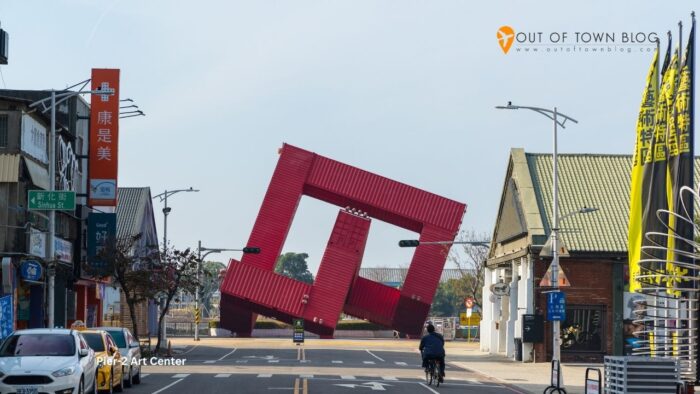
Pier-2 Art Center
Pier-2 Art Center is a revitalized warehouse arts district along Kaohsiung Harbor in Yancheng District, southern Taiwan. Former port storage buildings now host galleries, installations, design shops, and cafés.
Visitors can see large outdoor sculptures, murals, rotating exhibitions, weekend markets, and waterfront sunsets, or rent bicycles and ride to nearby Hamasen Railway Cultural Park and the light rail pier. Street performances often appear in the evenings.
To get there, take the KMRT Orange Line to Yanchengpu Station and walk about 5–10 minutes, or use the Kaohsiung Light Rail to Dayi Pier-2 or Penglai Pier-2 stops. Taxis and buses stop nearby.

Cijin Island
Cijin Island is a narrow barrier island just west of downtown Kaohsiung, Taiwan, guarding the entrance to Kaohsiung Harbor. Known for its relaxed seaside vibe, it’s popular for cycling and sunset views.
Visitors explore Cijin Old Street for fresh seafood and snacks, relax on Cijin Beach, and visit landmarks like the Cijin Lighthouse and Mazu Temple. The Rainbow Church and coastal tunnels are also highlights.
To get there, take the MRT to Sizihwan Station and walk to the Gushan Ferry Pier, then ride a short ferry to Cijin. Bikes and scooters can be rented near the ferry terminal.
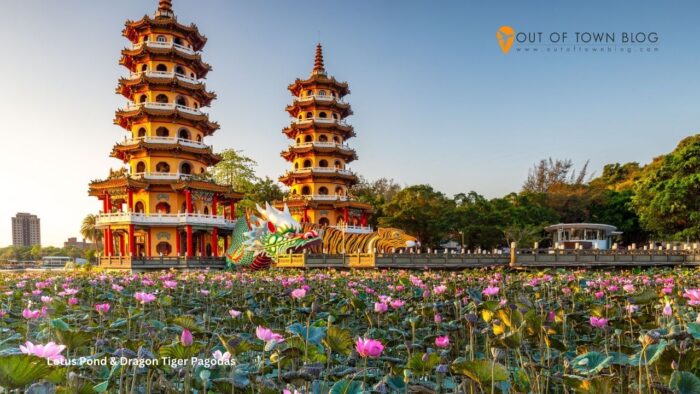
Lotus Pond & Dragon Tiger Pagodas
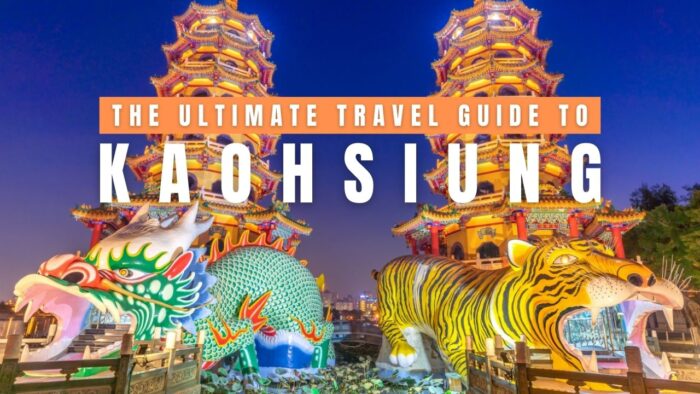
Lotus Pond is a scenic lake in Zuoying District, north Kaohsiung, surrounded by colorful temples and traditional pavilions. Its highlight is the Dragon Tiger Pagodas, where visitors enter through the dragon’s mouth and exit the tiger’s mouth for good luck.
Walk the lakeside path, photograph reflections at sunset, visit nearby Spring and Autumn Pavilions, and try local street food around the temple area. The area is especially lively during festivals.
To get there, take the Kaohsiung MRT Red Line to Zuoying Station, then transfer to a bus or taxi (about 10 minutes), or rent a YouBike for a short, pleasant ride.
Hidden Gems
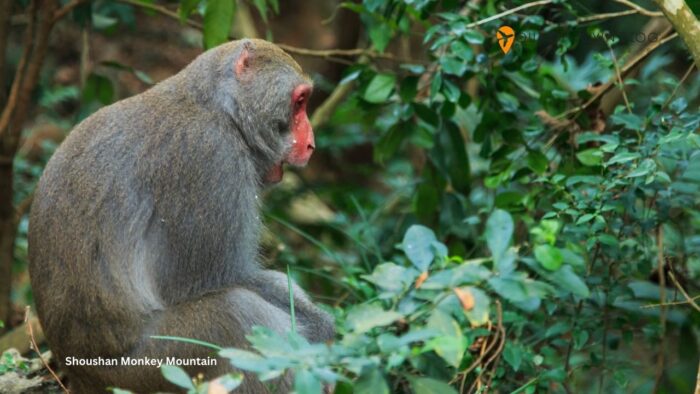
Shoushan Monkey Mountain hiking trails
Shoushan Monkey Mountain, also called Chaishan, sits beside Kaohsiung Harbor near Gushan District and Sun Yat-sen University. The forested limestone hill offers shaded trails, viewpoints, caves, and colonies of Formosan macaques.
Popular routes include the North Shoushan trail to Lovers’ Viewpoint, the Southern trail to Chaifeng Temple, and ridge paths overlooking the city and Taiwan Strait. Expect stairs, roots, and short, steep climbs, but generally beginner-friendly. Carry water and keep a distance from monkeys.
From downtown, take the Kaohsiung MRT to Sizihwan Station, walk 15–20 minutes to the trailheads, or use city buses and taxis. Sunsets here are especially beautiful daily.
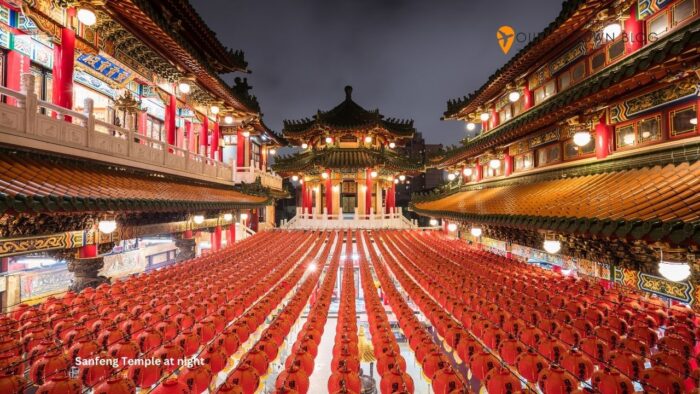
Sanfeng Temple at night
Sanfeng Temple is one of Kaohsiung’s most beautiful Taoist temples, located in Yancheng District near the Love River and a short walk from the city center. Dedicated to the Three Officials deities, it is renowned for its rows of glowing red lanterns and richly carved wooden interiors.
Visitors come to admire architecture, take night photos, pray for luck, and experience local worship rituals. Evenings are especially atmospheric when the lanterns illuminate the courtyard.
Getting there:
Take the Kaohsiung MRT Orange Line to Yanchengpu Station, Exit 1, then walk about 8–10 minutes. Taxis and buses from Kaohsiung Main Station also reach the temple quickly.

National Kaohsiung Center for the Arts
Weiwuying National Kaohsiung Center for the Arts is a landmark performing arts complex in Fengshan District, southern Kaohsiung. Built on a former military site beside Weiwuying Metropolitan Park, the site features a wave-shaped structure housing an opera house, concert hall, playhouse, recital hall, and an outdoor banyan plaza.
Visitors can watch world-class music, dance, and theater; join guided architecture tours; relax in the park; picnic under banyan trees; or attend free outdoor performances and weekend markets.
To get there, take the Kaohsiung MRT Orange Line to Weiwuying Station (O10); the exits connect directly to the venue. Buses and taxis also stop at the main plaza entrance.
Harbor promenade cycling paths
Kaohsiung’s harbor promenade cycling paths run along the Love River mouth and Asia New Bay Area, stretching between Gushan Ferry Pier, Pier-2 Art Center, Glory Pier, and Cijin Island. Flat, wide lanes make it beginner-friendly, especially at sunset. Riders pass warehouses turned galleries, street art, light installations, yachts, and waterfront cafés.
You can stop at Pier-2 for exhibitions, take the ferry to Cijin for seafood and beaches, or relax in shaded parks. Rent bikes at MRT stations or YouBike docks. Get there via Kaohsiung MRT Orange Line to Yanchengpu Station or Light Rail to Pier-2 Art Center stop.
Local morning wet markets for breakfast culture
Kaohsiung’s morning wet markets offer a lively glimpse of daily Taiwanese life. Visit Sanfeng Central Market near Kaohsiung Main Station for dried seafood, noodles, and street snacks, or Guoguang Market in Lingya District for fresh produce, tofu, and breakfast stalls serving soy milk and scallion pancakes.
Arrive before 10 AM to see vendors bargaining, fish being filleted, and locals shopping for lunch. Wander narrow aisles, sample fruit, and practice simple Mandarin greetings.
From the MRT, exit at Kaohsiung Main Station (Red Line) for Sanfeng, or Sanduo Shopping District Station for Guoguang; both are short walks.
For more activities and places to visit in Kaohsiung, read our Top 27 Best Things to do in Kaohsiung, Taiwan.
Day Trips
- Tainan – Taiwan’s historic food capital (30 min train)
- Kenting National Park – Beaches and tropical coastline (2 hours south)
Unique Experiences
- Harbor sunset cruise (~$25)
- Taiwanese tea ceremony workshop (~$20)
- Night cycling along the Love River
- Street food hopping challenge: eat 5 dishes under $15
Photography Tips
Kaohsiung offers a mix of harbors, temples, street life, and modern architecture — ideal for both travel and street photography.
1) Shoot at the Right Time
- Sunrise: softer light and fewer crowds (temples, markets, harbor)
- Golden hour: best for skyline reflections and harbor colors
- Blue hour: Kaohsiung becomes a neon city — perfect for long exposures
- Avoid noon; the tropical sun is harsh and flattens details
2) Best Subjects to Capture
Urban & Harbor
- Pier-2 Art Center murals and installations
- Love River reflections at dusk
- 85 Sky Tower skyline
Traditional Culture
- Lotus Pond temples and dragon/tiger pagodas
- Incense smoke inside temples
- Morning wet markets and breakfast stalls
Street Life
- Night markets (Ruifeng & Liuhe)
- Scooter traffic scenes
- Food vendors cooking with flames
3) Composition Tricks
- Use temple gates and lantern rows as natural frames
- Shoot reflections after rain (common in subtropical cities)
- Get low for scooter motion shots
- Include people for scale — Taiwanese streets feel alive
4) Camera Settings Suggestions
- Street shots: 1/250–1/500 sec, Auto ISO, f/5.6–f/8
- Night markets: f/1.8–f/2.8, ISO 800–3200
- Blue hour tripod: ISO 100, f/8, 5–20 sec
- Lanterns/temples: slightly underexpose (-0.3 to -0.7 EV) to keep colors rich
5) Etiquette (Important in Taiwan)
- People are friendly — a smile or nod works before shooting
- Avoid photographing worshippers during prayer rituals
- Vendors usually allow photos if you buy something small
- Drones are restricted near the harbor and airport zones
Quick Pro Tip
Kaohsiung looks best after rain — shiny streets + neon reflections = instant cinematic shots.
4. Accommodation Guide
Budget ($50–100)
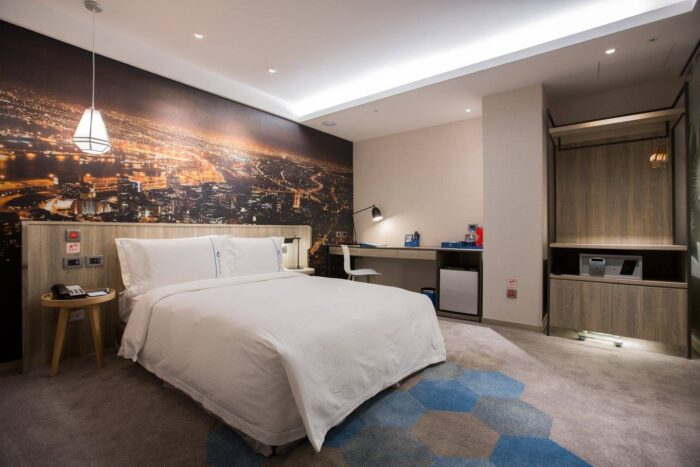
Airline Inn near Kaohsiung Station
Airline Inn Kaohsiung sits beside Formosa Boulevard MRT Station in Xinxing District, one of the city’s most convenient locations. The hotel features modern aviation-themed interiors, a 24-hour front desk, self-service laundry, and a casual breakfast restaurant.
Rooms include fast Wi-Fi, strong showers, air conditioning, and comfortable bedding suited for short stays. Guests can easily walk to Liuhe Night Market, Dome of Light, and local cafes, while Love River and Pier-2 Art Center are a short MRT ride away. Ideal for first-time visitors and transit travelers.
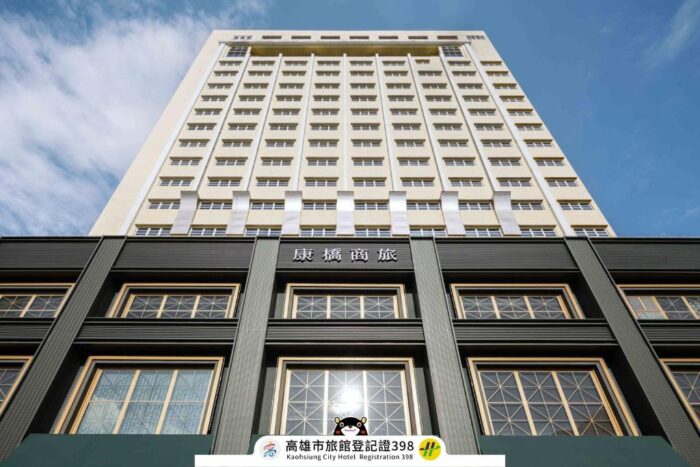
Kindness Hotel near Liuhe Night Market
Kindness Hotel is a popular mid-range Taiwanese hotel chain known for comfort and generous freebies. In Kaohsiung, branches are centrally located near MRT stations and night markets, making sightseeing convenient. Rooms are clean and modern with fast Wi-Fi, work desks, and good soundproofing.
Guests enjoy complimentary buffet breakfast, evening snacks, ice cream, coffee, and self-service laundry. Facilities include business centers and bike rentals. Nearby attractions often include the Liuhe or Ruifeng Night Market, the Love River, and the Pier-2 Art Center. It’s especially favored by budget-conscious travelers.
Mid-Range ($100–250)
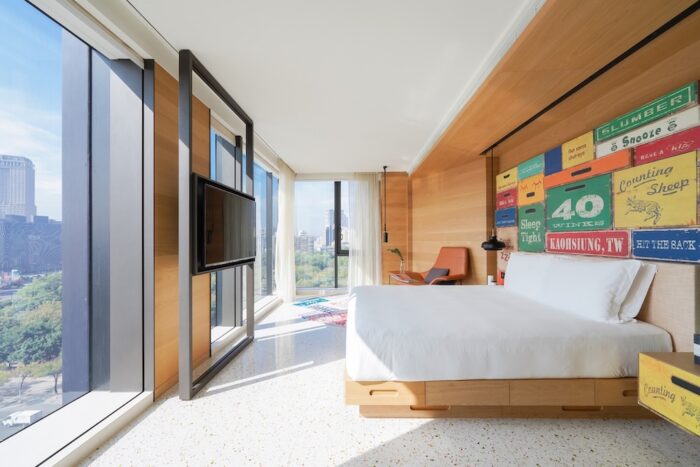
Hotel Indigo Central Park
Hotel Indigo Central Park Kaohsiung sits on Zhongshan 1st Road in the vibrant Xinxing/Qianjin district, right across from Central Park and steps from Central Park MRT Station. Rooms are stylish, featuring oversized beds, high-speed Wi-Fi, and spa-style showers. Facilities include dining venues, a rooftop bar, a fitness center, a 24-hour reception, and meeting spaces.
Nearby attractions include Central Park, Shinkuchan Shopping District, Liuhe Night Market, Love River, and historic Rosary Cathedral, all within walking distance or a short MRT ride, making it ideal for sightseeing, shopping, and food exploration.

H2O Hotel
H2O Hotel is a modern luxury hotel in Gushan District, adjacent to Kaohsiung Arena and a short walk from Ruifeng Night Market and the MRT. Rooms feature city views, smart toilets, minibars, and bathtubs. Facilities include a rooftop pool, fitness center, three restaurants, breakfast buffet, bar, Wi-Fi, and free parking.
Nearby attractions include the Kaohsiung Museum of Fine Arts, Lotus Pond temples, Hanshin Arena shopping mall, and Love River area, making it convenient for sightseeing, dining, and shopping.
Luxury ($250+)
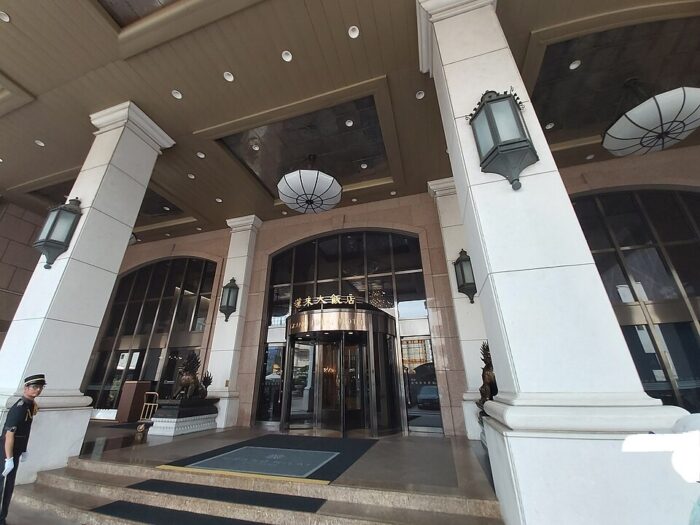
Grand Hi-Lai Hotel
Grand Hi-Lai Hotel is a five-star waterfront hotel in central Kaohsiung’s Qianjin District, beside Love River and close to the harbor. It offers elegant rooms with city or sea views, an outdoor swimming pool, a fitness center, a spa, and multiple renowned restaurants, including Cantonese and buffet dining options.
Guests enjoy direct access to Han-Shin Department Store. Nearby attractions include Love River promenade, Pier-2 Art Center, Liuhe Night Market, and Kaohsiung Music Center, all easily reached by walking or MRT.
Alternative Stays
- Backpacker hostels: $25–40 dorm beds
- Short-term apartments near MRT stations offer the best value for 3+ nights
Pro Tip: Stay near Formosa Boulevard Station — two MRT lines intersect here.
For more accommodation options in Kaohsiung, read our Ultimate List of the Best Hotels in Kaohsiung, Taiwan.
5. Food & Dining Guide
Must-Try Dishes
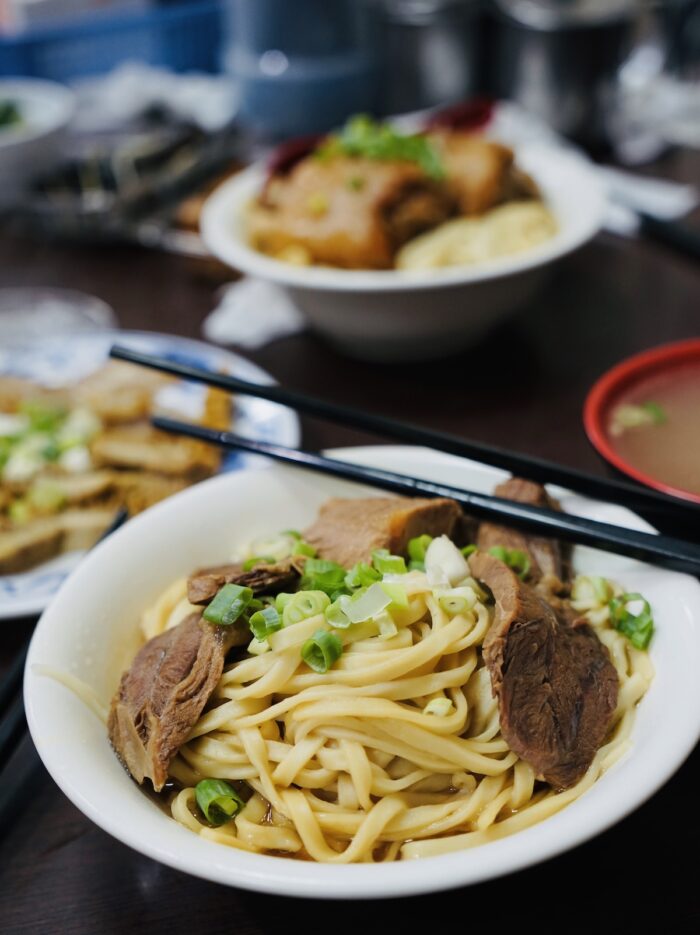
Beef Noodle Soup
Kaohsiung beef noodle soup features tender braised beef shank, chewy wheat noodles, and a rich soy-braised broth simmered with star anise, garlic, ginger, and chili bean paste. Greens and pickled mustard add freshness.
The taste is deep, savory, slightly spicy, and comforting. Popular places include Gang Yuan Beef Noodles near Kaohsiung Main Station, Lao Wang Beef Noodles in Yancheng District, and stalls inside Ruifeng Night Market, where locals enjoy it late at night after shopping and street food hopping.
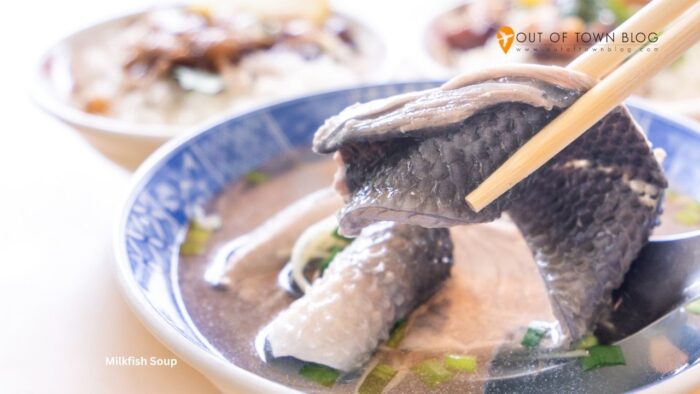
Milkfish Soup
Milkfish soup, a Kaohsiung breakfast staple, features tender slices of locally farmed milkfish simmered in a clear broth made from fish bones, ginger, and rice wine. Some versions add cabbage, tofu, or fish belly for richness.
The flavor is clean, lightly sweet, and savory, with delicate ocean freshness and warming ginger aroma. Locals eat it with rice or with minced pork. Popular places include old-style breakfast shops around Sanfeng Market and Yancheng District eateries near Pier-2 Art Center.

Oyster Omelette
Oyster omelette in Kaohsiung is a classic night-market dish made with small fresh oysters, eggs, sweet potato starch, leafy greens, and a thick sweet-savory sauce. The starch creates a chewy, slightly crisp texture while the oysters stay briny and tender.
It tastes rich, savory, lightly sweet, and umami-packed. You’ll find excellent versions at Liuhe Night Market and Ruifeng Night Market, plus many late-night street stalls near MRT stations and busy shopping districts.
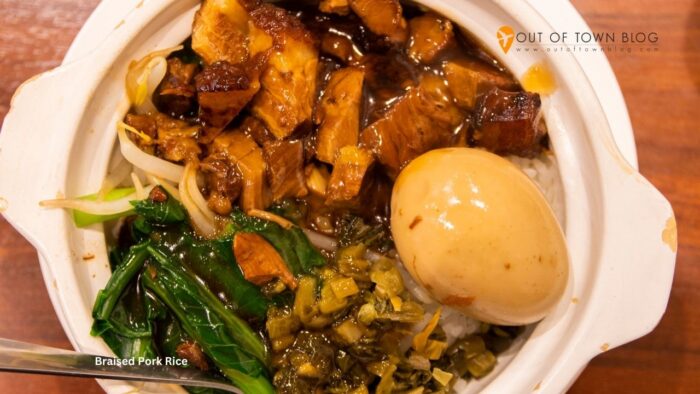
Braised Pork Rice
Braised Pork Rice, or lu rou fan, is a Kaohsiung comfort staple made from finely chopped pork belly simmered in soy sauce, rice wine, garlic, shallots, and spices, then spooned over steamed white rice.
Often topped with pickled mustard greens, braised egg, or tofu, it tastes rich, savory, slightly sweet, and deeply aromatic. You can find excellent bowls at street eateries around Liuhe Night Market, local breakfast shops, and traditional diners near Sanfeng Market and Formosa Boulevard Station.
Bubble Tea
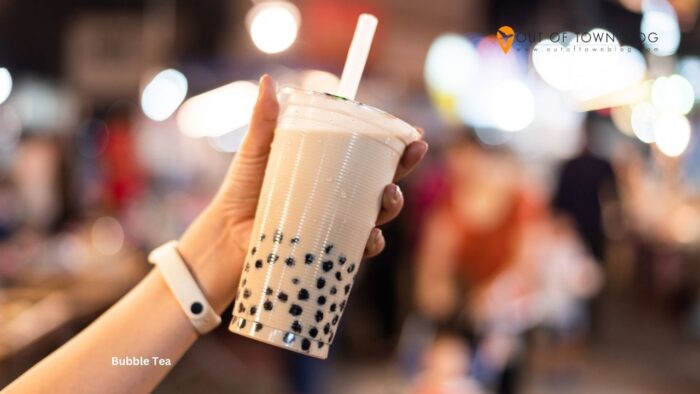
Bubble tea in Kaohsiung is freshly shaken to order and highly customizable. It typically combines black or green tea, milk or fruit flavoring, ice, and chewy tapioca pearls; locals often add grass jelly, pudding, or aloe. The range includes creamy caramel-like brown sugar milk tea and refreshing tropical fruit teas, with adjustable sweetness.
Popular brands include Chun Shui Tang, Fifty Lan, Tea Top, and Xing Fu Tang. You can find shops on nearly every block, especially near night markets, MRT stations, university areas, and the Pier-2 Art Center waterfront.
Restaurant Recommendations
1. Duck Zhen
Description:
One of Kaohsiung’s most famous traditional eateries. Casual, fast-paced, very local atmosphere — this is where locals line up for comfort food.
Location: Yancheng District (near Pier-2 Art Center)
What to eat:
- Smoked duck slices (signature)
- Duck rice (must-order)
- Braised tofu
- Duck blood soup
How to get there:
MRT Orange Line -> Yanchengpu Station -> 4-minute walk
2. Gang Yuan Beef Noodle Restaurant
Description:
Classic Taiwanese beef noodle shop — simple, authentic, and affordable. A staple stop for first-time Taiwan visitors.
Location: Yancheng District (same sightseeing area as Pier-2)
What to eat:
- Red-braised beef noodle soup
- Dry beef noodles
- Pickled vegetables side dish
How to get there:
MRT Orange Line -> Yanchengpu Station -> 6-minute walk
3. Xing Long Ju
Description:
Legendary Taiwanese breakfast shop — opens very early and often sells out. Expect queues but fast turnover.
Location: Qianjin District (near Liuhe Night Market)
What to eat:
- Thick toast with butter
- Milk tea
- Egg pancake
- Fried dumplings
How to get there:
MRT Red Line -> Formosa Boulevard Station -> 5-minute walk
4. Old New Taiwanese Cuisine (Jiuru 2nd Road)
Description:
Upscale version of traditional Taiwanese home cooking. Great if you want local flavors in a comfortable restaurant setting.
Location: Sanmin District
What to eat:
- Three-cup chicken
- Pineapple shrimp balls
- Braised pork belly
- Seasonal vegetable stir-fry
How to get there:
MRT Red Line -> Houyi Station -> taxi 5 minutes (or 15-minute walk)
5. Din Tai Fung Kaohsiung Branch
Description:
World-famous Taiwanese restaurant — clean, air-conditioned, tourist-friendly. Good break from street food.
Location: Zuoying District (inside department store near High Speed Rail)
What to eat:
- Xiao long bao (soup dumplings)
- Shrimp fried rice
- Chocolate dumplings
- Cucumber appetizer
How to get there:
MRT Red Line -> Zuoying (HSR) Station -> inside mall
Quick Food Strategy
- Breakfast -> Xing Long Ju
- Lunch near attractions -> Duck Zhen or Gang Yuan
- Comfortable dinner -> Old New Taiwanese Cuisine
- Reliable classic Taiwan meal -> Din Tai Fung
Night Markets in Kaohsiung
1. Ruifeng Night Market (most popular local market)
Description:
The liveliest and most local-feeling night market in Kaohsiung. Huge variety of food and games — this is where residents actually go at night.
What to eat:
- Pepper pork buns (black pepper buns baked in a clay oven)
- Grilled mochi
- Korean cheese potato
- Fried chicken cutlet
- Bubble tea
What to buy:
- Phone accessories
- Cheap clothes & street fashion
- Plush toys
- Night-market carnival games
Hours:
Tue–Sun: ~5:00 PM – 12:30 AM (closed Mondays)
How to get there:
MRT Red Line -> Kaohsiung Arena Station -> 3-minute walk

2. Liuhe Night Market (classic tourist night market)
Description:
Compact and easy to navigate — best for first-timers and late arrivals. More organized, fewer games, more seafood.
What to eat:
- Papaya milk (iconic)
- Seafood stir-fry
- Salted grilled shrimp
- Oyster omelette
- Mango shaved ice
What to buy:
- Souvenir snacks
- Dried fruits
- Pineapple cakes
- Taiwan tea
Hours:
Daily: ~5:00 PM – 11:30 PM
How to get there:
MRT Red & Orange Lines -> Formosa Boulevard Station -> Exit 11 -> 1-minute walk
3. Kaisyuan Night Market (largest in size)
Description:
Massive but more relaxed — fewer tourists, lots of locals, and wide walking space. Good if you dislike crowds.
What to eat:
- Taiwanese sausage with garlic
- Braised pork rice bowls
- Hot pot stalls
- Fresh fruit juices
What to buy:
- Household goods
- Budget clothing
- Accessories
Hours:
Fri–Sun: ~5:00 PM – 12:00 AM
How to get there:
MRT Red Line -> Kaisyuan Station -> transfer to Light Rail -> Kaisyuan Night Market Stop
4. Zhongxiao Night Market (street food specialist)
Description:
Small but famous among locals for serious eating — fewer games, mostly food stalls. Great for authentic flavors.
What to eat:
- Taiwanese fried noodles
- Turkey rice
- Claypot rice
- Herbal soups
What to buy:
- Mostly food, not a shopping market
Hours:
Daily: ~5:30 PM – 12:00 AM
How to get there:
MRT Orange Line -> Central Park Station -> 8-minute walk
5. Guanghua Night Market (hidden local gem)
Description:
Traditional neighborhood market with some of the cheapest and tastiest food in the city. Very local vibe.
What to eat:
- Roast duck rice
- Sticky rice sausage
- Oyster vermicelli
- Scallion pancakes
What to buy:
- Fresh snacks & takeaway meals
Hours:
Daily: ~5:00 PM – 11:30 PM
How to get there:
MRT Red Line -> Sanduo Shopping District Station -> 12-minute walk
Quick Choosing Guide
- First-time visitor: Liuhe
- Best overall experience: Ruifeng
- Biggest & less crowded: Kaisyuan
- Hardcore food trip: Zhongxiao
- Cheap authentic local eats: Guanghua
Street Food Safety: Choose busy stalls, fresh cooking, and high turnover.
Dietary Needs: Vegetarian options are widely available due to Buddhist influence.
6. Local Culture & Etiquette
Kaohsiung is friendly, relaxed, and slightly more casual than Taipei — but politeness and respect are still very important in daily interactions.
Greetings & Communication
- A small nod or light bow is polite when meeting someone
- Handshakes are gentle, not firm
- Speak calmly and avoid loud public conversations
- English is common in tourist areas, but simple Mandarin phrases are appreciated: “Xie xie” (thank you), “Bu hao yi si” (excuse me / sorry).
Temple Etiquette
- Dress modestly (covered shoulders recommended)
- Do not step on door thresholds — step over them
- Never point at gods or altars
- Avoid flash photography inside shrines
- Follow locals when offering incense (order matters)
Dining Manners
- Do not stick chopsticks upright in rice (funeral symbolism)
- Sharing dishes is normal — use serving utensils if provided
- Slurping noodles is acceptable
- Finish most of your food; wasting food is frowned upon
- Paying: the inviter usually pays, but a polite offering is expected
Public Behavior
- Queueing is serious — always line up properly
- Give priority seats to elderly and disabled passengers on the MRT
- Eating and drinking are not allowed inside MRT stations/trains
- Talking on phones quietly is preferred
Night Markets & Shopping
- Bargaining is uncommon (except for small traditional stalls)
- Cash is still widely used
- Vendors are friendly — a smile goes a long way
- Returning trays after eating is appreciated
Practical Tips
- Carry tissues and hand sanitizer (some stalls have no napkins)
- Trash bins are limited — keep your garbage until you find one
- Umbrellas are common for the sun, not just for rain
Key mindset:
Be gentle, patient, and considerate — Kaohsiung locals value harmony over confrontation.
7. Practical Tips & Safety
Kaohsiung is extremely safe, even late at night.
Summer typhoons possible — monitor weather apps.
What to Pack:
- Sunscreen
- Reusable water bottle
- Lightweight clothing
- Umbrella
Mobile Data:
Airport SIM cards ~$10–15, unlimited data options available
Emergency Numbers:
Police 110
Ambulance 119
8. Souvenir Shopping
Kaohsiung is great for edible gifts, artsy finds, and Taiwan-only snacks — often cheaper than Taipei.
Popular Food Souvenirs
- Pineapple cakes (tangy-sweet pastry)
- Sun cakes and taro pastries
- Dried mango and guava
- Tea leaves (Alishan high-mountain tea, oolong)
- Peanut candy and nougat crackers
- Instant noodles with local flavors
Tip: Many bakeries vacuum-seal boxes for flights.
Cultural & Local Crafts
- Temple charms and amulets
- Handmade ceramics
- Calligraphy bookmarks
- Lantern miniatures
- Indigenous Paiwan and Rukai bead bracelets
Great for meaningful, non-mass-produced gifts.
Trendy & Cute Items
- Taiwan illustrated postcards
- Retro Taiwanese grocery tote bags
- Stationery and washi tape
- Bubble tea keychains and magnets
Best Places to Shop
Pier-2 Art Center
Design shops, artist goods, creative Taiwan brands
Sanfeng Central Market
Traditional snacks in bulk and dried goods
Dream Mall
Air-conditioned shopping and official Taiwanese brands
Ruifeng Night Market
Fun, cheap souvenirs and quirky finds
Shinkuchan Shopping District
Youth fashion and accessories
Shopping Tips
- Bring cash for markets
- Ask for a tax refund in malls (passport needed)
- Buy food near the end of your trip for freshness
- Avoid liquids in carry-on baggage
Easy strategy:
Pier-2 for unique gifts -> Sanfeng for food -> Night market for fun items.
9. Suggested Itineraries
3-Day Express Kaohsiung Itinerary
Day 1 – Harbor & Culture
| Time | Area | Activity | Notes |
|---|---|---|---|
| Morning | Pier-2 Art Center | Explore warehouses, murals, and installations | Best early before crowds & heat |
| Hamasen Railway Museum | Mini trains & history | 45–60 min stop | |
| Lunch | Yancheng District | Duck rice/beef noodles | Local specialty area |
| Afternoon | Takao Railway Museum to Light Rail Ride | Scenic harbor ride | Use EasyCard / iPASS |
| Former British Consulate at Takao Hill | Sunset view | One of the best in Kaohsiung | |
| Evening | Sizihwan | Beach & sunset | Walkable from the consulate |
| Night | Liuhe Night Market | Street food dinner | Papaya milk, seafood |
Day 2 – Temples & Old Streets
| Time | Area | Activity | Notes |
|---|---|---|---|
| Morning | Lotus Pond | Dragon & Tiger Pagodas | Go before the tour buses |
| Spring & Autumn Pavilions | Quick visit beside pagodas | ||
| Confucius Temple | Quiet & photogenic | Free entry | |
| Lunch | Zuoying Old Street | Local snacks & soy milk | Traditional vibe |
| Afternoon | Fo Guang Shan Buddha Museum | Giant Buddha complex | Allow 2–3 hrs |
| E-da Outlet (optional) | Shopping break | Near Fo Guang Shan | |
| Evening | Ruifeng Night Market | Biggest in Kaohsiung | More local than Liuhe |
Day 3 – City & Nature
| Time | Area | Activity | Notes |
|---|---|---|---|
| Morning | Cijin Island Ferry | Quick boat ride | From Gushan Ferry Pier |
| Cijin Old Street | Seafood & snacks | Try grilled squid | |
| Cijin Lighthouse / Beach | Coastal walk | Relaxed morning | |
| Lunch | Back to the mainland | Seafood or café | Avoid peak noon heat |
| Afternoon | Central Park | Relax green space | Near the shopping district |
| Dome of Light (Formosa Blvd Station) | Famous MRT art | Must-see | |
| Shinkuchan Shopping Area | Fashion street | Youth district | |
| Evening | Love River Walk | River promenade | Sunset walk |
| Night | Rooftop café or bar | Final city view | Chill ending |
Transport Tips
- Buy an EasyCard or iPASS at MRT stations (works on MRT, buses, ferry, light rail)
- Red Line = north–south, Orange Line = east–west
- Most attractions are within a 10-minute walk of stations
Route Logic
- Day 1: Harbor west side cluster
- Day 2: North temples + Buddha complex day trip
- Day 3: Island + downtown compact finish
Alternative Slow Travel Route
Day 1: Markets and cafés exploration
Day 2: Cycling waterfront + museums
Day 3: Day trip to Tainan
Closing Thoughts
After spending time in Kaohsiung, most travelers wonder whether the city is worth visiting. Instead, they begin to wonder why more people don’t extend their stay longer to fully experience its unique charm.
This travel guide offers only a glimpse of what Kaohsiung has to offer; the true magic reveals itself during unplanned evenings spent wandering through bustling night markets, engaging in lively conversations with friendly vendors, and watching breathtaking sunsets mirror the vibrant colors of the harbor.
Whether your interests lie in savoring diverse local cuisines, exploring innovative architecture, immersing yourself in rich cultural traditions, or simply enjoying the laid-back, unhurried pace of life, Kaohsiung rewards those who take the time to slow down and soak in its atmosphere.
Don’t treat it as just a side trip—add Kaohsiung to your Taiwan itinerary as a destination in its own right, and your future visits will undoubtedly be memorable.
Kaohsiung Travel Tour Packages You Should Try
Follow and subscribe to OutofTownBlog.com on Facebook, Twitter, Instagram, Pinterest, and YouTube for more Travel-related updates.
Read: Gondola Ride at the Love River in Kaohsiung, Taiwan