

 Team Out of Town
12 Essential Tips for First-Timers in Toronto, Canada
Toronto is one of the most exciting and multicultural cities in North America, offering travelers a mix of iconic landmarks, world-class dining, vibrant neighborhoods, waterfront attractions, and cultural experiences. As Canada’s largest city, Toronto can feel overwhelming for first-time visitors, especially with its massive downtown core, changing weather, and endless places to explore. Whether you are visiting for a weekend getaway, a family vacation, or a longer Canadian adventure, planning ahead can make your trip smoother and more enjoyable.
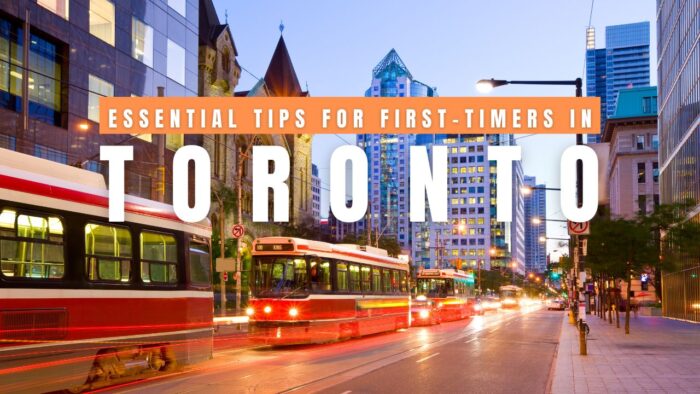
Essential Tips for First-Timers in Toronto
From learning how to navigate public transportation and understanding local tipping culture to discovering hidden neighborhoods and knowing the best time to visit famous attractions, these essential Toronto travel tips will help first-time travelers experience the city like a local. This detailed guide covers practical advice, money-saving strategies, safety reminders, transportation hacks, and cultural insights to help you make the most of your time in Toronto while avoiding common tourist mistakes.
1. Use the TTC Instead of Renting a Car

One of the smartest decisions first-time visitors can make in Toronto is to rely on the city’s public transportation system rather than rent a car. Toronto traffic is notoriously heavy, especially during rush hour, and downtown parking can be expensive and hard to find. The Toronto Transit Commission, commonly called the TTC, operates an extensive network of subways, streetcars, and buses that connect most major attractions, neighborhoods, shopping areas, and entertainment districts across the city.
The subway system is particularly easy for tourists to use because it connects key destinations such as Downtown Toronto, Union Station, the Entertainment District, Yorkville, North York, and several cultural attractions. Streetcars are also a uniquely Toronto experience and provide convenient access to neighborhoods such as Queen Street West, Kensington Market, and the Distillery District. Purchasing a PRESTO card can make traveling easier because it works across public transit systems throughout the Greater Toronto Area.
Using public transportation also allows visitors to experience the city more authentically. Walking between transit stops often leads travelers to discover local cafes, hidden boutiques, murals, and multicultural food spots they might otherwise miss. Toronto is highly walkable in many areas, and combining walking with public transit creates a more relaxed and immersive travel experience.
2. Prepare for Toronto’s Rapidly Changing Weather
Toronto’s weather can change dramatically within a single day, which surprises many first-time visitors. Even during spring and summer, mornings may feel cool while afternoons become warm and humid. In autumn, temperatures can change quickly, especially near Lake Ontario, where strong winds affect the downtown waterfront. Winter brings heavy snow, icy sidewalks, and freezing temperatures that require proper preparation.
Layered clothing is essential regardless of the season. A light jacket, comfortable walking shoes, sunglasses, and an umbrella should always be part of your day bag. During the winter months, waterproof boots, insulated jackets, gloves, and thermal clothing are necessary if you plan to explore the city comfortably. Visitors often underestimate how cold Toronto winters can feel, especially when wind chill intensifies temperatures around the CN Tower and harborfront.
Checking the weather forecast every morning is highly recommended before heading out for sightseeing. Toronto residents are accustomed to unpredictable weather and dress accordingly. Planning indoor activities, such as visiting museums, shopping centers, or food markets, can also help travelers adapt during rainy or snowy conditions. Being prepared for changing weather ensures you remain comfortable while exploring outdoor attractions such as High Park, the Toronto Islands, and the waterfront trails.
3. Explore Neighborhoods Beyond Downtown Toronto
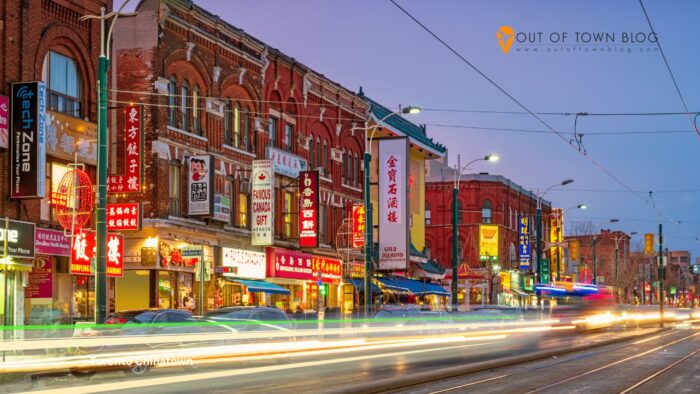
Many tourists spend most of their trip around downtown landmarks, but Toronto’s true personality is found within its diverse neighborhoods. Exploring areas outside the central business district allows visitors to experience the city’s multicultural identity, creative energy, and local lifestyle. Each neighborhood offers its own atmosphere, cuisine, architecture, and hidden gems.
Kensington Market is one of Toronto’s most colorful neighborhoods, filled with vintage shops, independent cafes, global restaurants, murals, and street performers. Queen Street West is known for trendy boutiques, nightlife, and creative arts culture. Yorkville offers luxury shopping, elegant restaurants, and upscale hotels, while Chinatown provides authentic Asian cuisine and bustling street markets. The Distillery District features beautifully preserved Victorian industrial architecture with galleries, breweries, and artisan stores.
Visitors should also explore neighborhoods like Greektown, Little Italy, Koreatown, and The Beaches to fully appreciate Toronto’s cultural diversity. Spending time outside major tourist attractions creates more meaningful travel experiences and often leads to discovering local favorites that guidebooks overlook.
Walking through these communities also highlights why Toronto is considered one of the world’s most multicultural cities. More than half of Toronto’s population was born outside Canada, and this diversity influences everything from festivals and food to language and daily life. Neighborhood exploration is one of the best ways to understand the city beyond its skyline.
4. Visit Popular Attractions Early in the Morning

Toronto’s top attractions can become extremely crowded, especially during summer, weekends, and holiday seasons. Places such as the CN Tower, Ripley’s Aquarium of Canada, St. Lawrence Market, and the Toronto Islands often attract long lines by late morning. First-time visitors can save time and enjoy a more relaxed experience by arriving early in the day.
Morning visits provide several advantages. Attractions are generally quieter, allowing for better photos, shorter waiting times, and a more peaceful atmosphere. The observation decks at the CN Tower, for example, offer clearer skyline views in the morning before haze develops later in the day. Early ferry rides to the Toronto Islands also help travelers avoid long ticket queues and packed boats during peak hours.
Starting sightseeing early additionally allows travelers to maximize their itinerary. Toronto is a large city with numerous attractions spread across different neighborhoods, so efficient scheduling helps reduce unnecessary travel time. Early starts also leave afternoons free for spontaneous exploration, shopping, or dining.
Booking tickets online in advance is another useful strategy for avoiding delays. Many Toronto attractions offer timed entry reservations that streamline the experience. Visitors traveling during festivals or summer weekends should especially prioritize planning in advance. Combining early arrivals with online booking ensures a smoother, more enjoyable visit to Toronto’s most famous landmarks.
5. Try Toronto’s Multicultural Food Scene
Toronto is internationally recognized for its incredible multicultural food scene, making dining one of the highlights of a visit to the city. First-time travelers should go beyond chain restaurants and tourist-oriented dining spots to experience Toronto’s authentic global cuisine. With communities from around the world represented across the city, visitors can enjoy everything from Caribbean jerk chicken and Chinese dim sum to Middle Eastern shawarma and Filipino comfort food.
Kensington Market, Chinatown, Koreatown, Little India, and Greektown are among the best neighborhoods for discovering affordable and authentic meals. Food halls, local bakeries, and family-owned restaurants often deliver some of the city’s best culinary experiences. Toronto is also famous for peameal bacon sandwiches, butter tarts, and diverse brunch culture.
Travelers should be prepared for tipping customs in restaurants in Canada. A tip of 15-20 percent is standard in restaurants, bars, and cafes that provide table service. Taxes are also added separately to menu prices, which surprises some international visitors when receiving the final bill.
Food festivals and local markets offer excellent opportunities to sample multiple cuisines in one visit. St. Lawrence Market is particularly popular for fresh produce, baked goods, seafood, and local specialties. Exploring Toronto through its food allows visitors to better understand the city’s multicultural identity while discovering flavors from around the world without leaving Canada.
6. Stay Near a Subway Station for Convenience
Choosing the right location for accommodations can significantly enhance your travel experience in Toronto. First-time visitors should prioritize hotels or vacation rentals near subway stations because access to public transit saves time and transportation costs. Staying close to the TTC subway network makes it much easier to get around between neighborhoods and attractions without relying on taxis or rideshare services.
Areas near Union Station are particularly convenient because they provide direct access to the airport train, major subway lines, sports venues, and downtown attractions. Midtown neighborhoods near Yonge Street also offer excellent transit connections and a quieter atmosphere than the busy downtown core. Travelers looking for nightlife and shopping often prefer staying near Queen Street West or the Entertainment District.
Visitors should also consider how walkable the neighborhood is. Toronto’s downtown streets can become congested, and being able to walk to restaurants, cafes, grocery stores, and attractions adds convenience to daily travel. Hotels near subway stations also offer easier access to airport transfers, especially for travelers arriving at Toronto Pearson International Airport.
Booking accommodations early is recommended during summer, festivals, and holiday periods because hotel prices rise significantly during peak travel seasons. Researching nearby transit options before finalizing accommodations helps travelers avoid unnecessary commuting challenges and creates a more enjoyable overall stay in Toronto.
7. Bring Comfortable Walking Shoes
Toronto is a city best explored on foot, and first-time visitors often underestimate how much walking they will do during their trip. Between sightseeing, neighborhood exploration, shopping districts, museums, parks, and waterfront areas, travelers can easily walk several kilometers daily. Comfortable walking shoes are, therefore, absolutely essential for enjoying Toronto without unnecessary fatigue or discomfort.
Many of Toronto’s best experiences involve strolling through lively neighborhoods rather than simply visiting individual landmarks. Areas such as Kensington Market, Queen Street West, Yorkville, and the Distillery District are designed for walking and offer countless opportunities for spontaneous discoveries. Even large attractions like the Toronto Islands or High Park require substantial walking to fully explore.
Weather conditions also affect walking comfort. During winter, sidewalks may become slippery due to snow and ice, making sturdy footwear particularly important. In summer, breathable shoes help travelers stay comfortable while walking in humid conditions. Visitors should avoid bringing only fashionable footwear that lacks support, especially if planning full days of sightseeing.
Walking additionally helps travelers experience Toronto more intimately. Street art, local cafes, hidden alleyways, waterfront views, and small independent shops are often best discovered on foot. Combining walking with public transit offers flexibility and allows visitors to appreciate the city’s architecture, diversity, and atmosphere at a more relaxed pace.
8. Take a Day Trip to Niagara Falls

Although Toronto itself offers endless attractions, first-time visitors should strongly consider taking a day trip to Niagara Falls during their stay. Located approximately 90 minutes from Toronto, Niagara Falls is one of Canada’s most iconic natural attractions and can easily be visited in a single day through guided tours, trains, buses, or rental cars.
The falls are breathtaking in person, especially for travelers seeing them for the first time. Popular experiences include boat cruises near the falls, observation decks, scenic walking paths, and panoramic viewpoints. Beyond the waterfalls themselves, the surrounding Niagara region features wineries, charming towns, and beautiful countryside.
Travelers can book organized tours departing from downtown Toronto, which often include transportation, guided commentary, and stops at nearby attractions. Independent travelers may prefer using GO Transit trains and buses for a more flexible and affordable option. Visiting on weekdays generally results in smaller crowds than on weekends and holidays.
Combining Toronto’s urban energy with Niagara Falls’ natural beauty creates a more complete Canadian travel experience. Many international travelers regret skipping Niagara Falls due to time constraints, but the journey is straightforward and well worth it. Planning one extra day for this excursion allows visitors to experience one of the world’s most famous waterfalls while still enjoying the best of Toronto.
9. Understand Canadian Etiquette and Local Culture
Toronto is known for its friendly and polite atmosphere, and understanding basic Canadian etiquette can help first-time visitors feel more comfortable during their trip. Canadians generally value politeness, patience, and respectful interactions, particularly in public spaces and customer service situations. Simple gestures such as saying “please,” “thank you,” and “sorry” are used frequently in everyday conversations.
Queueing properly is important in Toronto, whether waiting for public transit, ordering food, or entering attractions. Cutting lines or behaving aggressively is considered rude. People also tend to respect personal space and maintain orderly behavior on public transportation. Speaking quietly on trains and buses is appreciated by locals.
Tipping culture is another important aspect visitors should understand. Restaurant servers, bartenders, taxi drivers, and hotel staff generally expect tips as part of standard service customs. Failing to tip may be interpreted negatively, especially in sit-down restaurants.
Toronto’s multicultural environment also encourages openness and inclusivity. Visitors will encounter people from many cultural backgrounds, languages, and traditions throughout the city. Respecting diversity and being culturally sensitive contribute to positive interactions while traveling. Learning basic local customs allows tourists to navigate the city more confidently and enjoy smoother experiences with residents, service workers, and fellow travelers.

10. Avoid Only Visiting During Winter if Possible
Toronto can certainly be beautiful in winter, especially during the holiday season, but first-time visitors may enjoy the city more in spring, summer, or autumn. Winter weather can be extremely cold, with snowstorms, icy sidewalks, shorter daylight hours, and freezing winds, making sightseeing more physically demanding for travelers unfamiliar with Canadian winters.
Summer is often considered the best season for visiting Toronto because outdoor festivals, patios, parks, waterfront activities, and cultural events are in full swing. The Toronto Islands become especially popular during warm months, offering beaches, cycling paths, picnic areas, and skyline views. Spring and autumn also offer pleasant weather, fewer crowds, and beautiful seasonal scenery.
That said, winter still offers unique experiences for travelers who enjoy holiday markets, ice skating, and festive decorations. Visitors planning winter travel should prepare thoroughly with appropriate clothing and realistic expectations for sightseeing. Indoor attractions such as museums, shopping centers, theaters, and restaurants become especially valuable during colder months.
Strategically timing your visit can significantly impact your overall experience in Toronto. Travelers seeking comfortable outdoor exploration, photography opportunities, and vibrant street life generally find late spring through early autumn to be the most rewarding time to visit Canada’s largest city.
11. Keep an Eye on Taxes and Currency Exchange
First-time international visitors to Toronto are sometimes surprised by how taxes and currency exchange work in Canada. Prices displayed in stores and restaurants usually do not include sales tax, meaning the final amount paid at checkout will be higher than the listed price. Ontario’s Harmonized Sales Tax adds 13 percent to most purchases, so budgeting accordingly is important.
Travelers should also monitor currency exchange rates before arriving. Using credit cards with low foreign transaction fees can help reduce unnecessary expenses during the trip. Currency exchange kiosks at airports often offer less favorable rates than banks or dedicated exchange offices in the city.
Canada widely accepts credit and debit cards, and contactless payment systems are common throughout Toronto. However, carrying a small amount of Canadian cash can still be useful for smaller businesses, food stalls, tips, or emergencies. ATMs are readily available across the city, particularly near shopping districts and transit hubs.
Budget-conscious travelers should also note that dining, entertainment, and accommodations in Toronto can be more expensive than in some other Canadian cities. Planning daily spending ahead of time helps avoid surprises. Understanding how taxes, tipping, and currency exchange function allows visitors to manage finances more confidently while enjoying their stay in Toronto.

12. Leave Time for Spontaneous Exploration
One of the best travel tips for first-time visitors to Toronto is avoiding an overly rigid itinerary. While famous attractions are certainly worth seeing, some of the city’s most memorable experiences come from spontaneous exploration. Toronto is filled with hidden cafes, waterfront paths, local festivals, street art, neighborhood markets, and cultural events that travelers discover unexpectedly as they wander the city.
Leaving unscheduled time in your itinerary allows flexibility to follow local recommendations or explore areas that interest you. You may discover a live music performance in a public square, a food festival in a neighborhood park, or a charming independent bookstore tucked along a side street. Toronto constantly feels alive with activity, especially during warmer months.
The city’s multicultural energy also means every neighborhood offers something different. A simple afternoon walk can lead travelers from modern skyscrapers to historic architecture, international food spots, creative art spaces, and scenic waterfront views within a short distance. Some of the most rewarding moments in Toronto happen when travelers slow down and embrace curiosity rather than rushing between attractions.
Balancing structured sightseeing with spontaneous discovery creates a richer and more authentic travel experience. Toronto rewards travelers who remain open to exploring beyond guidebooks and tourist checklists.
Final Thoughts on Visiting Toronto for the First Time
Toronto is a dynamic destination that combines world-famous attractions with diverse neighborhoods, outstanding food, cultural richness, and welcoming local communities. For first-time visitors, understanding how to navigate the city, prepare for the weather, manage transportation, and embrace local culture can make a major difference in the quality of the trip. Whether you are exploring iconic landmarks like the CN Tower, tasting international cuisine across multicultural neighborhoods, or taking scenic walks along the waterfront, Toronto offers unforgettable experiences for every type of traveler.
By following these essential Toronto travel tips, visitors can avoid common mistakes, save money, reduce stress, and enjoy a more immersive Canadian adventure. From practical advice on transit and accommodations to cultural etiquette and seasonal planning, these recommendations help travelers experience Toronto with confidence and comfort. With its vibrant atmosphere, diverse communities, and endless things to do, Toronto remains one of the best cities in North America for first-time international travelers seeking both excitement and authenticity.
Toronto Travel Tour Packages You Should Try
Follow and subscribe to OutofTownBlog.com on Facebook, Twitter, Instagram, Pinterest, and YouTube for more Travel-related updates.
Read:
- Where to Date Your Mom in Manila Even When It’s Not Mother’s Day
- My First Time in Toronto Canada
- TORONTO TRAVEL GUIDE: Travel Tips + Places to Visit
- Top 15 Best Things to do in Toronto, Canada
- Taking in Downtown Toronto on Your Next Canada Holiday


