

 Team Out of Town
Places to Visit in Mozambique: Top Attractions and Hidden Gems
Mozambique is one of Africa’s most underrated travel gems, blending turquoise coastlines, rich Swahili-Portuguese culture, wildlife reserves, and untouched islands. Stretching along the Indian Ocean, this southeastern African country offers world-class diving, pristine beaches, historic cities, and vibrant local traditions.
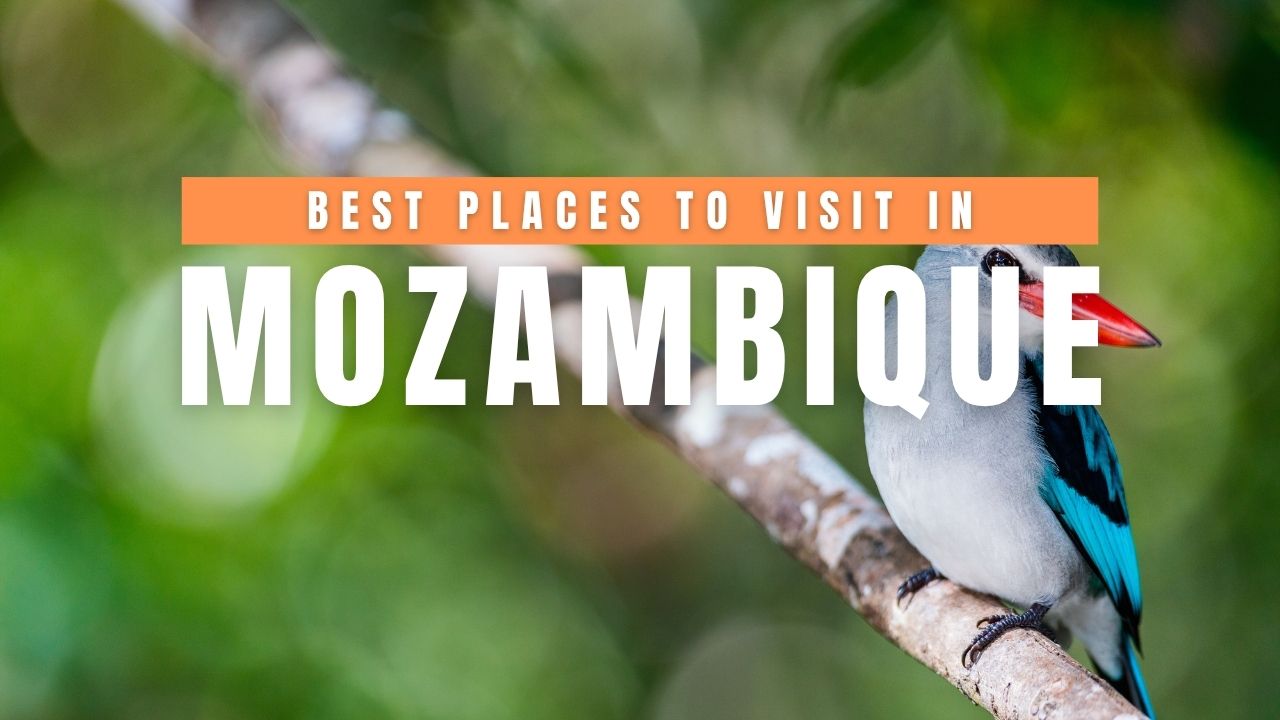
Best Places to Visit in Mozambique
If you’re searching for an off-the-beaten-path destination with authentic charm and breathtaking scenery, Mozambique should top your list. This guide explores the 15 best places to visit, helping you plan an unforgettable journey of adventure, relaxation, and cultural discovery.
1. Bazaruto Archipelago

The Bazaruto Archipelago is a stunning chain of five islands off Mozambique’s southern coast, often called the “Pearl of the Indian Ocean.” Protected as a national park, it boasts pristine beaches, towering sand dunes, and vibrant coral reefs teeming with marine life. One fascinating fact is that it’s one of the last habitats of the rare dugong, a gentle marine mammal related to the manatee.
Visitors can enjoy world-class snorkeling and scuba diving, spotting dolphins, turtles, and colorful fish. Dhow sailing trips offer a traditional way to explore the islands. Deep-sea fishing and horseback riding add to the adventure. Climbing the dunes on Bazaruto Island rewards you with panoramic views.
Most travelers fly into Vilanculos from Maputo or Johannesburg, then take a short boat transfer or light aircraft to the islands. Though remote, the journey is part of the magic, offering an exclusive escape into untouched natural beauty.
2. Quirimbas Archipelago

The Quirimbas Archipelago is a breathtaking chain of 32 coral islands stretching along Mozambique’s northern coast in the Cabo Delgado Province. Known for its untouched beauty, it forms part of the Quirimbas National Park, where white-sand beaches meet turquoise waters and vibrant coral reefs.
One interesting fact is that the archipelago blends African, Arab, and Portuguese influences, especially visible on Ibo Island, where centuries-old ruins and forts still stand. The islands are also home to rare marine life, including dugongs, dolphins, and sea turtles.
There’s no shortage of things to do. Snorkeling and scuba diving are top highlights thanks to pristine reefs. You can explore historic settlements, sail on traditional dhow boats, go island-hopping, or relax on secluded beaches. For nature lovers, birdwatching and mangrove exploration offer unique experiences.
Most travelers fly into Pemba from Maputo or Johannesburg, then take a boat or small plane to the islands. Remote yet rewarding, the Quirimbas offer a true escape.
3. Maputo

Maputo is the vibrant capital of Mozambique, located along the Indian Ocean in the country’s far south. Known for its unique blend of African, Portuguese, and modern influences, Maputo offers a lively atmosphere filled with music, art, and coastal charm.
One interesting fact is that Maputo was once called “Lourenço Marques” during Portuguese colonial rule. Today, it’s famous for its striking architecture, including the iconic Maputo Railway Station—often associated with Gustave Eiffel—and its wide, jacaranda-lined avenues.
There’s plenty to do in Maputo. Visit the bustling Central Market for local crafts and fresh produce, explore the Natural History Museum, or relax along the scenic Marginal waterfront. The city is renowned for its seafood, especially peri-peri prawns. Nightlife is lively, with live marrabenta music and beachside bars.
Getting to Maputo is relatively easy. You can fly into Maputo International Airport from major African hubs, or drive from nearby South Africa, particularly from Johannesburg, which is about a 6-hour journey.
4. Tofo Beach

Tofo Beach is one of Mozambique’s most beloved coastal destinations, known for its laid-back vibe, vibrant marine life, and golden sandy shores along the Indian Ocean. Once a quiet fishing village, Tofo has become a hotspot for divers and backpackers while retaining its authentic charm.
One of the most fascinating facts about Tofo is that it’s one of the best places in the world to see whale sharks year-round, along with manta rays and humpback whales (seasonal). This makes it a global diving and snorkeling paradise.
There’s plenty to do here. Go scuba diving or snorkeling, take surfing lessons, enjoy dhow boat trips, or relax on the beach. The local market and beachfront bars offer a taste of Mozambican culture, seafood, and nightlife.
Getting to Tofo typically involves flying into Inhambane Airport, followed by a short 20-minute drive. Travelers can also reach it by road from Maputo, which takes about 8–10 hours.
5. Gorongosa National Park

Gorongosa National Park is one of Africa’s most remarkable conservation success stories, located at the southern end of the Great Rift Valley. Once devastated by civil war, the park has been restored and is now home to thriving populations of elephants, lions, hippos, and over 400 bird species. Its unique ecosystem includes floodplains, savannas, and rainforest-covered Mount Gorongosa.
Visitors can enjoy game drives, guided walking safaris, birdwatching, and community tours highlighting local culture and conservation. Climbing Mount Gorongosa offers stunning views and a chance to see rare plants and animals. The park is also known for scientific research and sustainable tourism.
Interesting facts include its role in large-scale wildlife reintroduction and partnerships with global conservation groups. Travelers typically fly into Beira, then drive 3–4 hours to the park. Charter flights are also available for quicker access.
6. Vilanculos

Vilanculos is a laid-back coastal town in southern Mozambique, known as the gateway to the spectacular Bazaruto Archipelago. Once a small fishing village, it has grown into a popular but relaxed beach destination while retaining its authentic charm. Traditional dhow boats are still widely used here, creating a timeless shoreline scene.
There are plenty of things to do in Vilanculos. Island-hopping trips to Bazaruto offer world-class snorkeling and diving, along with opportunities to see dolphins and the rare dugong. Visitors can enjoy kite surfing, horseback riding along the beach, or exploring local markets and tasting fresh seafood. Sunset dhow cruises are especially memorable, offering stunning views over the Indian Ocean.
Getting to Vilanculos is easy. The town has a small airport with flights from Maputo and Johannesburg. Alternatively, travelers can take a long-distance bus or drive along Mozambique’s coastal highway, enjoying scenic views.
7. Ilha de Moçambique

Ilha de Moçambique is a small coral island off northern Mozambique and one of the country’s most historically significant destinations. Once the capital during Portuguese rule, it reflects a fascinating blend of African, Arab, and European influences and has earned UNESCO World Heritage status.
Interesting facts: the island is connected to the mainland by a 3 km bridge, and its Stone Town features centuries-old architecture, including Fort São Sebastião—one of the oldest European buildings in the Southern Hemisphere. It also played a key role in the Indian Ocean trade routes.
Things to do include exploring colonial-era buildings, wandering vibrant local markets, relaxing on quiet beaches, and visiting the Chapel of Nossa Senhora de Baluarte. You can also experience traditional dhow sailing and sample fresh seafood with Portuguese flavors.
Fly into Nampula Airport, then travel about 200 km by road to the island via the bridge. The journey offers scenic views and a glimpse of rural Mozambican life.
8. Ponta do Ouro

Ponta do Ouro is a laid-back coastal village in southern Mozambique, near the border with South Africa, known for its golden beaches and vibrant marine life. Its name means “Point of Gold,” inspired by the warm-colored sands and glowing sunsets along the Indian Ocean.
This destination is famous for dolphin encounters—visitors can swim with wild dolphins in their natural habitat, a rare and unforgettable experience. The waters are rich with marine biodiversity, making it a hotspot for scuba diving, where you can spot manta rays, whale sharks, and seasonal humpback whales. Surfing is popular, with consistent waves attracting enthusiasts from the region.
Interesting fact: Ponta do Ouro is part of a transfrontier conservation area that links Mozambique and South Africa, helping protect its ecosystems and wildlife.
Getting there is easy. Travelers typically fly into Maputo, then take a 4×4 drive south (2–3 hours). Alternatively, visitors can cross the border from South Africa by road, making it a convenient beach escape.
9. Inhambane

Inhambane is one of Mozambique’s oldest settlements, dating back over 1,000 years as a Swahili trading port. Later shaped by Portuguese influence, it blends African, Arab, and colonial heritage—visible in its charming streets and historic architecture. One standout landmark is the Cathedral of Our Lady of the Conception, a beautiful 18th-century church that reflects the town’s colonial past.
Interesting facts: Inhambane was once a major hub for the ivory and spice trade, and Vasco da Gama visited in 1498. It’s also known for its laid-back pace, earning a reputation as one of Mozambique’s most relaxed towns.
Things to do include exploring the local market, visiting nearby beaches like Tofo and Barra, and diving or snorkeling with whale sharks and manta rays. Cultural walks reveal old mosques, colonial buildings, and vibrant local life.
Travelers usually fly from Maputo to Inhambane Airport or drive 6–8 hours along the coastal EN1 highway.
10. Niassa Reserve
Niassa Reserve is one of Africa’s largest and most untouched wilderness areas, covering over 42,000 square kilometers in northern Mozambique. Bordering Tanzania, it forms part of a vast transfrontier conservation region and is known for its raw, off-the-grid safari experience. Unlike commercial parks, Niassa offers true solitude, where wildlife roams freely across miombo woodlands, rivers, and savannas.
The reserve is home to elephants, lions, wild dogs, leopards, and over 400 bird species. One fascinating fact is that Niassa supports one of Africa’s largest populations of endangered African wild dogs, making it a critical conservation area.
Visitors can enjoy game drives, guided walking safaris, birdwatching, and cultural visits to local communities. The Rovuma River offers scenic spots for fishing and photography.
Getting to Niassa typically involves flying into Pemba or Maputo, then taking a charter flight to airstrips inside the reserve. Due to its remoteness, planning with a tour operator is highly recommended for a smooth and safe journey.
11. Pemba

Pemba is a scenic coastal city in northern Mozambique, set along one of the world’s largest natural harbors—Pemba Bay. Known for its calm turquoise waters and palm-lined beaches, it serves as the gateway to the stunning Quirimbas Archipelago. Historically called Porto Amélia during Portuguese colonial rule, Pemba has a blend of African, Arab, and Portuguese cultural influences.
Interesting facts: Pemba Bay is renowned for its exceptional depth and size, making it ideal for sailing and fishing. The region is also rich in marine biodiversity, attracting divers and snorkelers from around the world.
Things to do include exploring coral reefs by diving or snorkeling, relaxing at Wimbe Beach, taking a sunset dhow cruise, or visiting local markets for crafts and fresh seafood. Adventurous travelers can arrange island-hopping trips to the nearby Quirimbas islands.
How to get there: Pemba is accessible via domestic flights from Maputo and international connections through regional hubs. You can also reach it by road, though the distances are long and conditions vary by season.
12. Lake Niassa
Lake Niassa, also known as Lake Malawi, is one of Africa’s largest and most biodiverse freshwater lakes, shared by Mozambique, Malawi, and Tanzania. The Mozambican side is the least developed, offering pristine beaches, crystal-clear waters, and an authentic off-the-grid experience. The lake is famous for its variety of colorful cichlid fish—more species than any other lake in the world.
Visitors can enjoy snorkeling and diving in calm, transparent waters, kayaking along the shoreline, or relaxing on quiet sandy beaches. Cultural experiences include nearby fishing villages offering insight into local life and traditions. Birdwatching and sunset views over the lake are memorable.
Most travelers fly into Pemba or Lichinga, then continue by road to lakeside areas like Metangula. While access can be challenging, the journey rewards visitors with untouched natural beauty and tranquility.
13. Xai-Xai

Xai-Xai is a laid-back coastal town in southern Mozambique, known for its wide beaches, warm Indian Ocean waters, and distinctive reef formations that create natural swimming pools at low tide. Located about 220 km north of Maputo, it’s a popular weekend escape for locals and travelers seeking a quieter alternative to busier beaches. River, an area historically important for trade and agriculture. The town is also known for its strong winds, making it a unique coastal environment compared to calmer lagoons elsewhere in Mozambique.
Visitors can relax on Praia de Xai-Xai, explore reef pools, try surfing, or enjoy fresh seafood at local beachside spots. Fishing and cultural interactions with local communities add to the experience.
Getting there is easy: travelers can drive from Maputo in 3–4 hours via the EN1 highway, or take a local bus or minibus (chapas), which are affordable and widely available.
14. Chimanimani Mountains
The Chimanimani Mountains are one of Mozambique’s most dramatic and least-explored natural treasures, stretching along the border with Zimbabwe. This rugged range is known for jagged quartzite peaks, deep valleys, and misty landscapes untouched by mass tourism.
Interesting facts: Chimanimani is part of a transboundary conservation area shared with Zimbabwe, helping protect rare plant species and endemic wildlife. The mountains are also rich in biodiversity, with unique orchids and high-altitude ecosystems rarely found elsewhere in Mozambique.
Things to do include hiking, with trails leading to waterfalls, panoramic viewpoints, and hidden caves. Adventurous travelers can go on multi-day treks, birdwatch, or explore remote villages to experience local culture. The area suits those seeking solitude and raw natural beauty rather than luxury tourism.
How to get there: From Chimoio, the nearest major city, you can travel by 4×4 vehicle to the foothills. Roads can be rough, so guided tours or local drivers are recommended for easier access.
15. Bilene

Bilene, also known as Praia do Bilene, is a tranquil coastal town in southern Mozambique, famous for the calm waters of the Uembje Lagoon. Unlike the rough waters of the nearby Indian Ocean, the lagoon provides a safe, swim-friendly environment, making Bilene a favorite weekend escape for locals and visitors.
The lagoon stretches over 27 kilometers and is separated from the ocean by a narrow sandbar, creating a unique ecosystem. The area is also known for freshwater springs beneath the lagoon, which locals believe have healing properties.
There’s plenty to do in Bilene: enjoy swimming, kayaking, jet skiing, and paddleboarding on the lagoon, or take a short trip over the sandbar to experience the powerful ocean waves. Fishing and sunset cruises are also popular, while nearby restaurants serve fresh seafood and Mozambican dishes.
Getting to Bilene is easy. It’s a 2–3-hour drive from Maputo on well-maintained roads, making it ideal for self-drive trips or guided transfers.
Why Mozambique Should Be Your Next Destination
Mozambique is a destination that rewards curious travelers with its untouched beauty, rich culture, and diverse landscapes. From the idyllic islands of the Bazaruto Archipelago to the wild savannas of Gorongosa National Park, every corner of the country offers something unique and unforgettable.
Whether you’re chasing marine adventures, cultural immersion, or serene beach escapes, Mozambique delivers an experience that feels both authentic and extraordinary.
If you’re planning your next African getaway, let Mozambique surprise you—it might just become your favorite destination.
Want more updates about new package tours and tourist attractions in Venice, Italy? Follow #TeamOutofTown on Facebook, Twitter, Instagram, and Pinterest for more travel ideas.
Also read:
- Sleep Floating With Fishes at Tanzania’s First Underwater Hotel Room
- ANDA TRAVEL GUIDE: Best Beaches, Resorts, Diving & Hidden Gems
- 11 Best Places to Visit in Vietnam
- Things You Need to Do When You’re In a New City

