
 Melo Villareal
Kuraldal Festival and Wakeboarding in Pampanga
One of the most captivating aspects of my travels, especially when exploring the vibrant and festive archipelago of my home country, the Philippines, is that each city I visit feels like a complete world unto itself, with its unique culture, sights, and atmosphere. My recent trip to Sasmuan, Pampanga, was a vivid example, revealing the distinct charm and character that set it apart.
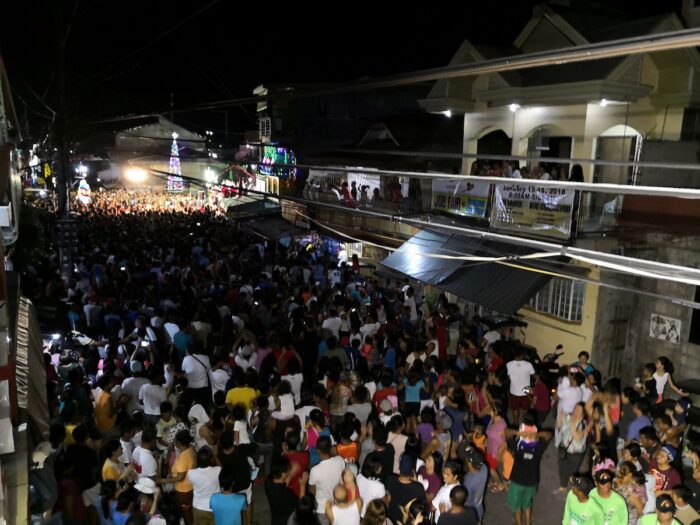
People of Sasmuan during Kuraldal Festival
Sasmuan is a relatively small fourth-class municipality with a rich history, jovial locals, and a celebration, the Kuraldal Festival of Santa Lucia, that binds them together. After we arrived in Pampanga and checked in and had dinner (thanks to LGU Sasmuan!) at Pradera Verde (hotel info), our journey into Sasmuan began…
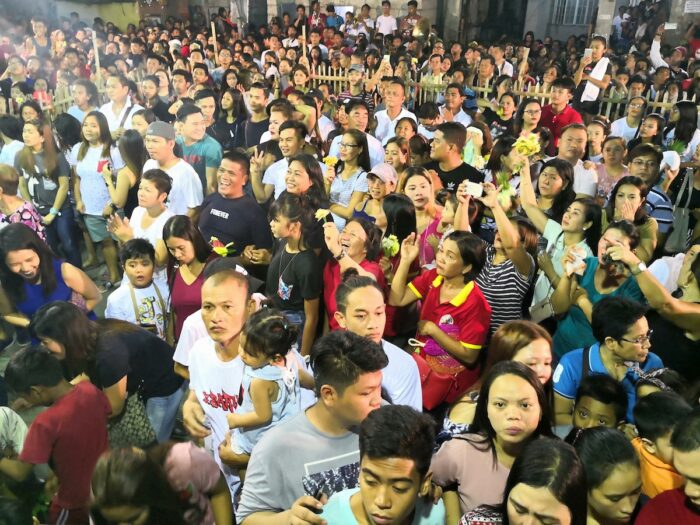
One thing worth mentioning about the history of Sasmuan is that it used to be named “Sexmoan”-this is based on the original name of the municipality, “Sesmoan”. The town’s rather suggestive spelling was given by Spanish colonizers. It was only in 1991 that the municipality filed in court to change its name from the eyebrow-raising Sexmoan to Sasmuan!
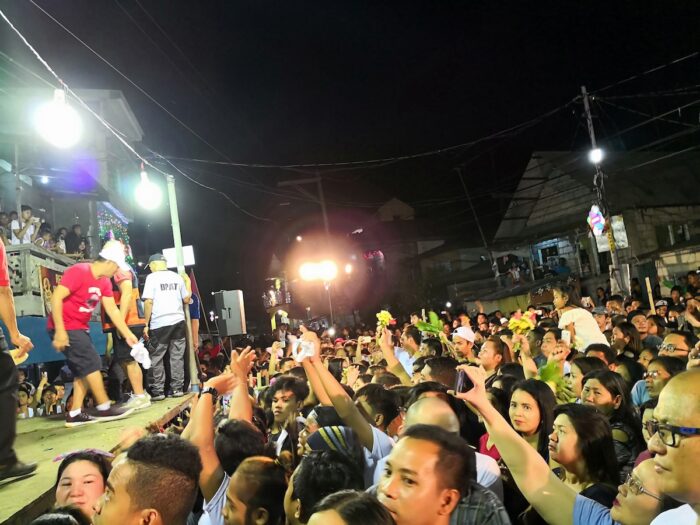
Aside from that oddball tidbit, what drew me to the local festival, the Kuraldal Festival, is how the municipality celebrates it. Although it was a small place, perhaps thousands of people gathered with us in the streets, dancing, singing, and praising as one huge community.
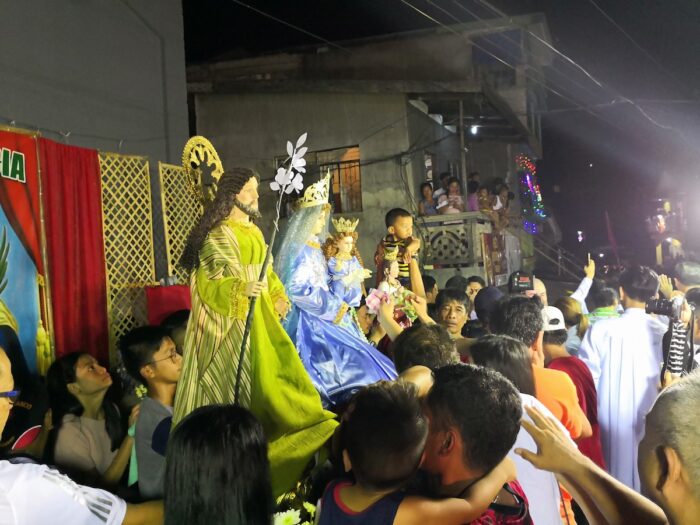
Kuraldal is a Spanish word that roughly translates to “to heal”. The festival, which honors St. Lucy (or Apo Lucia, as called by the locals), was celebrated with flowers and cheers, instead of the usual food and loud pop music that we mostly have in the more urbanized parts of the Philippines. This event was solemn in its own way and established a connection with me, even though I was not a local.
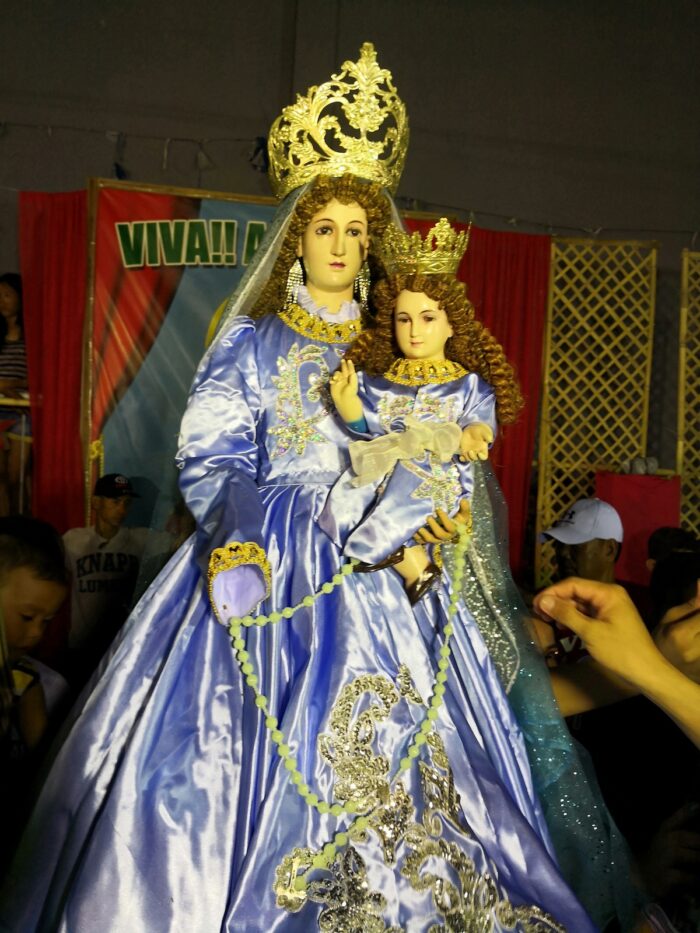

We were told that the festive celebration and dancing allowed the saint to answer the people’s prayers faster. That evening, devotees danced and touched the images with their brightly clothed children and fragrant flowers, which dotted the streets like colorful paper lanterns in the night sky.
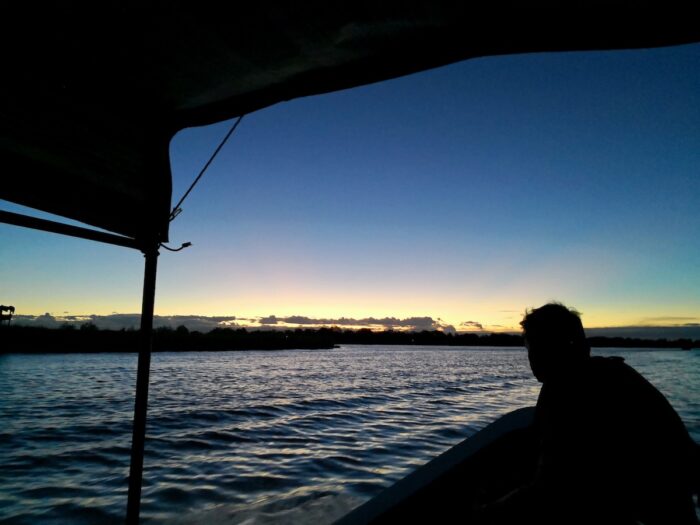
The following morning, we left our suites and proceeded to Lubao Bamboo Hub, where we gathered for our scheduled bird watching activity. For some reason, the time of the year when migratory birds flock towards Pampanga coincides with the Kuraldal Festival. This is one of those coincidences that makes me marvel at the beauty of nature and the forces beyond it more.
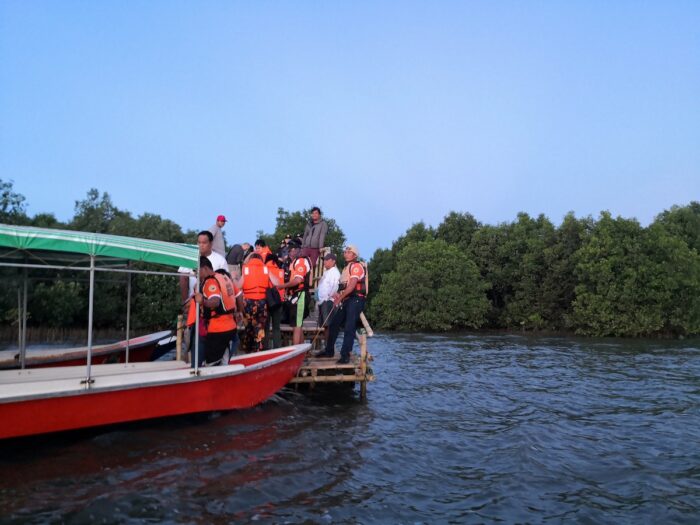
It was just a little after sunrise when we started spotting some migratory birds that are endemic to the Philippines. The place we chose to position ourselves, the Bangkung Mapalad Critical Habitat & Ecotourism Area (FB Page), was indescribably beautiful.
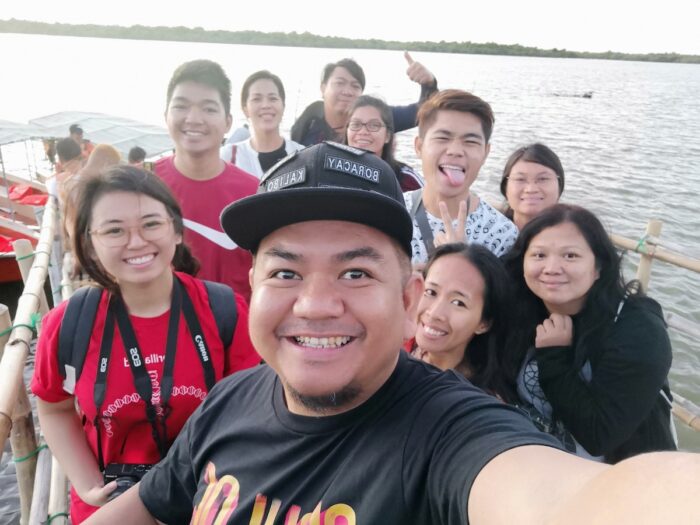
The temperature of the early morning had a slight chill to it, and the sight of so many freely flying birds gave me some chills, too. I am no ornithologist, but when we were told that at least 31,000 birds of 80 different species go to that specific place in Pampanga at this time of the year, I just could not muster any other reaction but awe. It was simply, so to speak, a miracle.
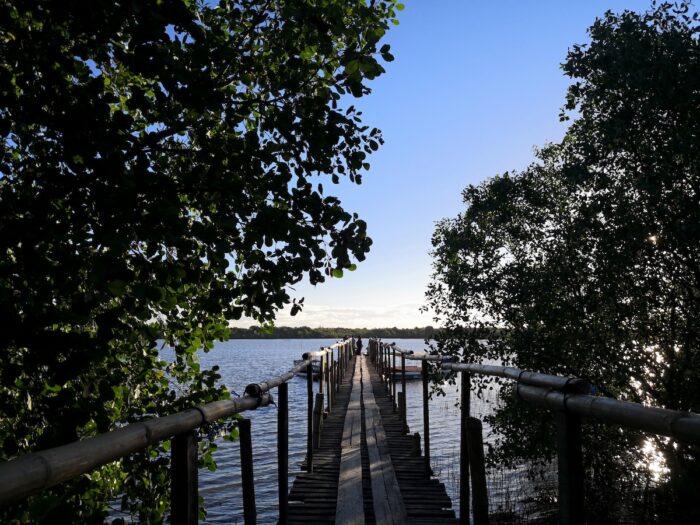
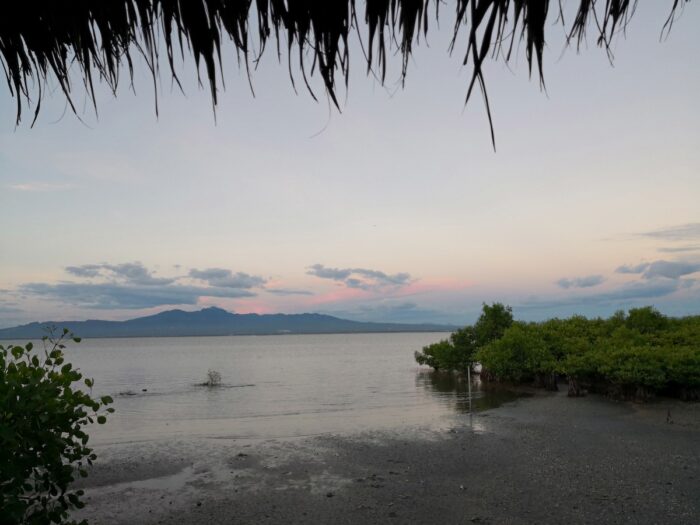
After our bird watching, we headed back to Lubao Bamboo Hub for breakfast. This was perhaps the most scenic place I have ever laid eyes upon. Just imagine it by the name itself. It had the perfect location next to the river, and the bamboo all around the area contributes to the nice, tranquil, and close-to-nature atmosphere. There was so much green, berde, to look at.
After our light and healthy breakfast at the Berdeng-Berde bamboo hub, we had a short tour into another Berde… the Pradera Verde, our very own accommodation! It is a beautiful place, and I thought it was really nice to tour it, since our stay since we checked in last night was very brief.
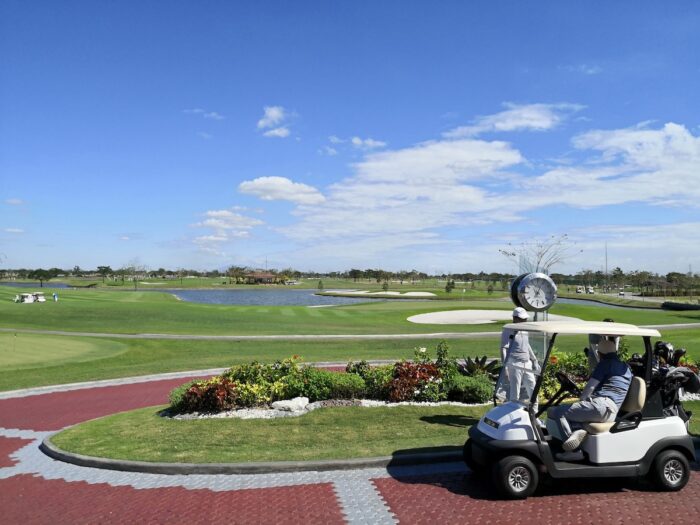
Pradera Verde is best known as a Wake Park. The 315-hectare property is everyone’s one-stop recreational facility for wakeboarding and other watersports. We stayed in suites near the wakeboarding lake. Aside from the water sports activities, Pradera Verde also has a restaurant, a pool, and a two-storey view deck that overlooks the lake and the vastness of the very green, berdeng-berde property!
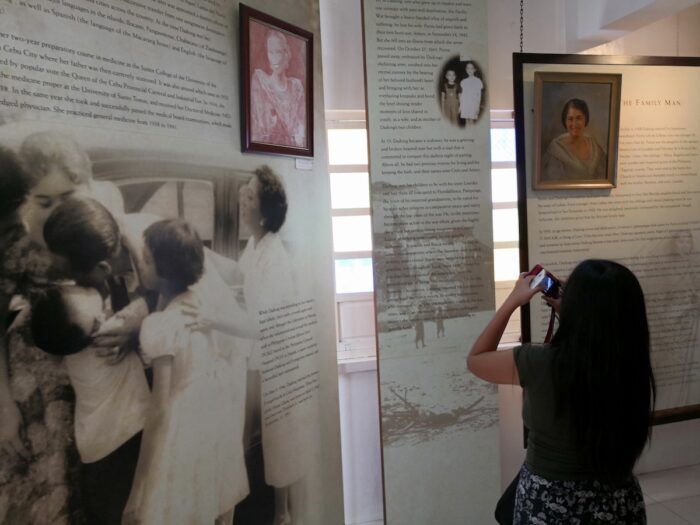
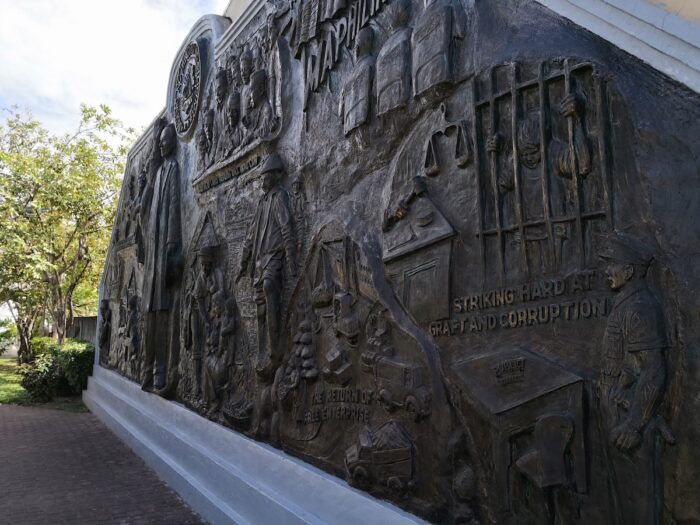
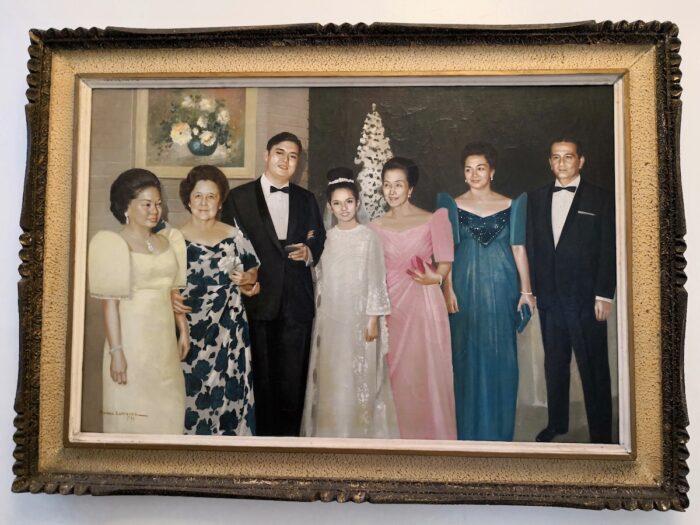
After the tour, we headed to the Macapagal Museum and Library. The historical-interactive museum showcases snapshots and memorabilia of President Diosdado Macapagal, a former Philippine president who served from 1961 to 1965. One of the most notable displays in the museum was the replica of the nipa hut where the president was believed to have been born.
We also visited Betis Church, the common name for the St. James the Apostle Parish Church. It was established in 1607, yet no one would have guessed it from its magnificently decorated, well-kept interior. The mostly blue and brown colors from the walls and ceilings are perhaps what catches everyone’s attention upon entry to the church, even for locals who go here regularly for masses.
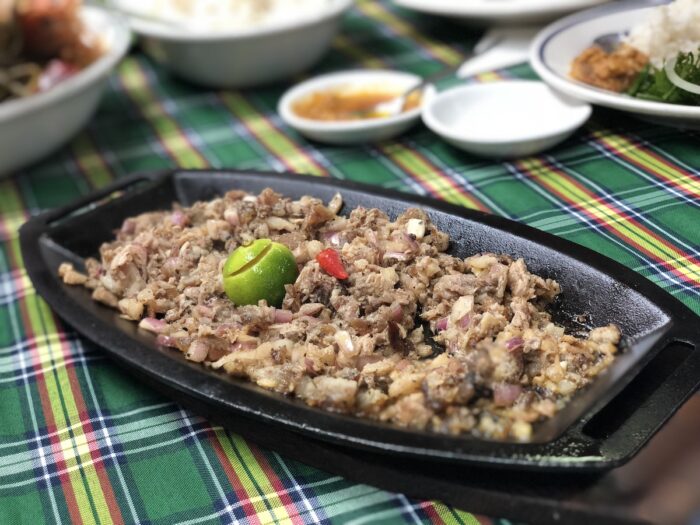
Before ending our daytime tour and finally saying goodbye to Pampanga, we had an early lunch at Everybody’s Café, which had an interesting history of its own.

The café was believed to be in operation since the end of World War II, and was known for its Pancit Luglug (Pampanga-style palabok) and Mami, which was said to attract Japanese and American soldiers alike! Their pancit luglug and mami remain the café’s hottest-selling dishes, and the rest are definitely for everyone, as the café’s name suggests.
As we left Pampanga, I felt a deep sense of happiness, witnessing such a beautiful place that abounds in eccentric stories and histories, yet still unites people from all walks of life. It’s the kind of beauty that is for everybody and worth cherishing.
How to go to Lubao, Pampanga from Manila
Bus lines like Genesis and Victory Liner in Cubao offer rides going to Olongapo or Balanga. Buses bound for these places will stop in Lubao. If you are going to Pradera Verde, the journey will be much easier, as it is just off the road.
How to go to Sasmuan, Pampanga from Manila
Getting to Sasmuan requires riding the same Olongapo or Balanga-bound buses. Drop off at the Lubao stopover and commute either via jeepney or tricycle from there. Sasmuan is located just next to Lubao.
Follow and subscribe to OutofTownBlog.com on Facebook, Twitter, Instagram, Pinterest, and YouTube for more Travel-related updates.
Also see: Smart and Ericsson Launch First Internet of Things Project in Pampanga, Philippines