

 Melo Villareal
Travel Guide to Paris, France: A Deep, Local-Style Guide to the City of Light
Paris is not just a destination; it embodies a sentiment rooted in centuries of history, culture, and daily life. From the moment you step onto a historic cobblestone street like Rue de Rivoli or the narrow alleys of the Marais and hear café conversations with the clink of espresso cups and the clatter of pastries, the city begins its quiet but profound enchantment.

Paris Travel Guide
Paris has a unique way of slowing your pace, encouraging you to notice the art of Flânerie—a leisure stroll imbued with the Parisian essence. As you wander, you can savor the elegant curves and ironwork of Haussmann balconies, the aroma from neighborhood boulangeries at dawn, and the sunset gracefully reflecting on the Seine.
It is a city where history blends with modern life. Centuries-old Gothic cathedrals like Notre-Dame stand beside sleek wine bars and art galleries. Residents take time for leisurely lunches in bistros, then stroll through historic squares or along riverbanks at dusk, savoring each moment of urban beauty.
Paris is also a city with many layers. Beyond the iconic sights like the Eiffel Tower, the Louvre, and Notre-Dame, it offers lively neighborhoods, hidden gardens, independent bookstores, and markets with a local vibe. Imagine starting your day with a stroll through the secret passages of Covered Passageways, where you’ll find quaint boutiques and cafes tucked away from the bustling streets. The city rewards curiosity and patience; wandering often leads to memorable experiences.

1. Destination Overview
Brief Introduction & Key Highlights
Paris, the vibrant and historic capital of France, is one of the world’s most visited cities, attracting millions of travelers each year. Renowned for its rich cultural heritage, it is a global center of art, fashion, gastronomy, and history.
Visitors can explore world-class museums like the Louvre and the Orsay, marvel at the iconic Notre-Dame Cathedral, stroll along the elegant Seine River, and experience the charming ambiance of neighborhoods like Montmartre.
The city’s cafes, bustling markets, and exquisite cuisine further enhance its reputation as a city that delights all senses.
Key highlights:
- Iconic landmarks like the Eiffel Tower and Arc de Triomphe
- Renowned museums (Louvre, Musée d’Orsay)
- Diverse neighborhoods (Le Marais, Montmartre, Latin Quarter)
- Exceptional food at every price point
Best Time to Visit
The best time to visit Paris changes depending on what you seek during your journey.
Spring (April to June): Ideal for families. Why – mild weather, beautiful blooming gardens, and long daylight periods. Temps: around 10-20°C (50-68°F). Crowds: moderate to busy by June. Great for: leisurely walking, café exploring, and sightseeing.
Summer (July to August): Best for festival enthusiasts. Why – vibrant festivals, abundant outdoor events, and extended daylight hours. Temps: approximately 18-25°C (65-77°F), may be hotter. Crowds: very high. Downside: tourist-heavy, with some locals on vacation, and prices may increase.
Fall (September to October): Perfect for photographers and romantics. Why – pleasant weather, picturesque fall colors, and the wine harvest season. Temps: about 10-20°C (50-68°F). Crowds: moderate and decreasing. Great for: museum exploration, romantic strolls, and culinary adventures.
Winter (November to March): Ideal for budget seekers. Why – reduced tourist presence, festive Christmas markets, and January sales. Temps: approximately 3-8°C (37-46°F). Crowds: low (except holidays). Downside: colder temperatures and shorter days.
Quick Recommendation:
- First-time visitors: April–June or September
- Budget travelers: January–February
- Romantic trip: May or October
- Festivals & energy: July
Best overall: May and September for balance of weather and crowds.
Travel Difficulty & Duration
- Difficulty: Easy to moderate (excellent transport, but language barrier for some)
- Recommended duration: 4–7 days for a first visit
2. Essential Travel Information
Visa Requirements
- Filipino passport holders: Schengen visa required. Apply at the French Embassy or VFS Global.
- Visa-free (up to 90 days): EU citizens, the US, Canada, Australia, Japan, Singapore.
- Processing time: 15–30 days, recommended buffer.
Currency & Budget Expectations
- Currency: Euro (€)
- Daily budget (USD):
- Budget traveler: $70–100
- Mid-range: $150–250
- Luxury: $300+
Estimated costs:
- Coffee: $3–5
- Casual meal: $12–20
- Mid-range restaurant: $25–40
- Museum ticket: $12–20
Language Basics
- Official language: French
- Most locals understand basic English, but greetings in French go a long way.
Useful phrases:
- Bonjour – Hello
- Merci – Thank you
- S’il vous plaît – Please
- Parlez-vous anglais ? – Do you speak English?
Pro Tip #1: Always say bonjour when entering shops—it’s considered polite and sets a friendly tone.
Transportation
Getting there
By Plane (Most common for long distances)
Paris has two major airports:
- Charles de Gaulle (CDG) – main international hub
- Orly (ORY) – mostly European & domestic flights
From the airport to the city:
- RER B train (fast & cheap)
- Taxi (flat rate into the city)
- Uber/Bolt
- Airport shuttles
By Train (Best if you’re in Europe)
Paris is one of Europe’s biggest rail hubs.
High-speed trains connect Paris to:
- London (Eurostar – ~2h 15m)
- Brussels (~1.5h)
- Amsterdam (~3.5h)
- Barcelona (~6.5h)
- Geneva (~3h)
- Frankfurt (~4h)
Main stations:
- Gare du Nord
- Gare de Lyon
- Gare de l’Est
- Gare Montparnasse
- Gare Saint-Lazare
By Bus (Cheapest option)
Long-distance buses like:
- FlixBus
- BlaBlaCar Bus
- Eurolines
Pros: Very cheap
Cons: Slow
By Car
Paris is accessible from all directions via major highways. Driving through the city can be stressful, parking is costly, and numerous zones have restrictions.
By Ferry + Train
If coming from the UK:
- Ferry to Calais or Dunkirk to train to Paris (~2 hours)
Getting Around
Here’s a clean, simple guide to getting around Paris:
Metro
The Paris Metro is not just the fastest and most convenient way to travel, it is a portal into the city’s character and history. With its extensive network covering almost the entire city, you’ll find that most major attractions are near a metro stop. As you venture in and out of stations, notice the Art-Nouveau entrances adorned with intricate ironwork, each telling a story of Paris’s architectural legacy. Trains run frequently and the experience is as economical as it is efficient, making the Metro an essential part of your Parisian adventure.
Buses
Buses are slower than the metro, but great for sightseeing. They follow scenic routes and use the same tickets as the metro.
Walking
Paris is very walkable, especially in central areas like Le Marais, the Latin Quarter, Saint-Germain, and around the Seine. Walking is often the best way to explore.
RER Trains
These are regional trains used for longer trips, such as:
- Charles de Gaulle Airport
- Orly Airport
- Versailles
- Disneyland Paris
Taxis and ride apps
Taxis, Uber, and Bolt are widely available. They are convenient but more expensive than public transport. Airports have fixed taxi rates to the city.
Biking
Paris has many bike lanes and a public bike system called Vélib’. It’s a good option in nice weather.
Tickets and passes
- Single metro/bus ticket: about €2.15
- 10-ticket bundle (carnet): cheaper per ride
- Day passes and multi-day passes are available
- Navigo Easy or Navigo Découverte: good for longer stays
3. Top Attractions & Experiences
Must-See Landmarks
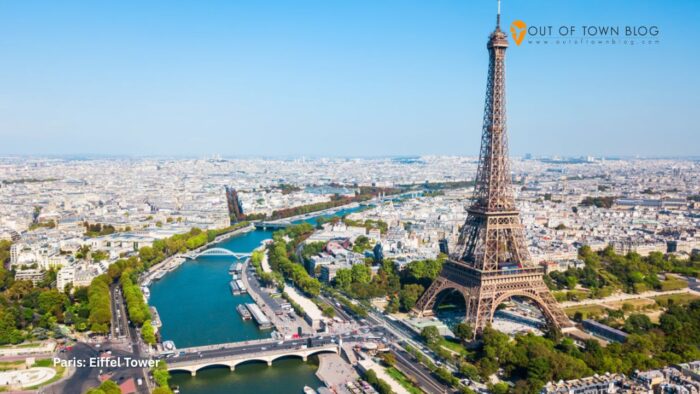
Eiffel Tower
The Eiffel Tower is Paris’s most famous landmark, built in 1889 for the World’s Fair. Made of iron and standing 330 meters tall, it offers panoramic views of the city from its observation decks. Visitors can access the tower by elevator or climb the stairs to the second level, with restaurants and viewing platforms along the way.
Tickets can be purchased online or at the entrance, though booking in advance is recommended. The tower is located in the 7th arrondissement near the Seine River. You can reach it easily by metro, getting off at Bir-Hakeim, Trocadéro, or École Militaire, then walking a short distance.

Louvre Museum
The Louvre Museum in Paris is the world’s largest art museum and a historic monument, housed in a former royal palace. It is home to thousands of artworks, including famous pieces like the Mona Lisa, the Venus de Milo, and the Winged Victory of Samothrace. The museum is organized into several wings, showcasing art from ancient civilizations to the 19th century.
Visitors enter mainly through the glass pyramid in the main courtyard. The museum is accessible to people with limited mobility, with elevators and priority entrances available.
You can reach the Louvre by metro on lines 1 or 7, getting off at Palais-Royal–Musée du Louvre. Several buses also stop nearby, and it is easy to reach on foot from central Paris.
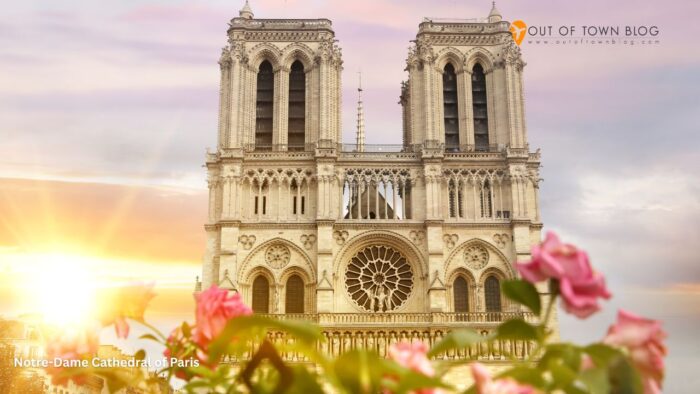
Notre-Dame Cathedral
Notre-Dame Cathedral is an iconic example of French Gothic architecture, renowned for its twin towers, rose windows, and detailed façade. Located on the Île de la Cité, it has been a central part of Paris for over 850 years, symbolizing the city’s rich history, art, and faith.
Visitors can freely view the exterior at any time; interior access is usually free, though security checks are standard at the entrance. Tickets are often needed for tower visits or special sections when available. Remember to dress respectfully and anticipate queues during busy periods.
To get there, take Metro line 4 to Cité, lines 1 or 11 to Hôtel de Ville, or RER B or C to Saint-Michel–Notre-Dame. Many attractions are conveniently within walking distance.

Arc de Triomphe
The Arc de Triomphe is one of Paris’s most iconic landmarks, located at the end of the Champs-Élysées. Built by Napoleon in 1806, it honors France’s fighters, featuring engraved names of generals and battles.
Beneath it, the Tomb of the Unknown Soldier rests, with an eternal flame burning nearby. Visitors access the monument via an underground pedestrian tunnel due to heavy traffic around it. They can either climb 284 steps or take an elevator to reach a panoramic terrace.
To visit, take the Paris Metro or RER to Charles de Gaulle–Étoile station, which is served by several major lines.
Hidden Gems & Local Favorites

Canal Saint-Martin
Canal Saint-Martin is a picturesque waterway in northeastern Paris, known for its iron footbridges, tree-lined quays, and relaxed, local atmosphere. It is popular with Parisians for picnics, leisurely walks, and sitting along the canal with coffee or wine. The area is filled with small boutiques, cafés, and bars, giving it a creative and youthful feel. It is less touristy than central Paris but very lively, especially in the evenings and on weekends.
Access is free and open at all times, though shops and cafés follow normal business hours. You can reach Canal Saint-Martin easily by metro: République, Jacques Bonsergent, Goncourt, or Colonel Fabien stations are all nearby. It is also well served by buses and is walkable from nearby neighborhoods.

Musée de l’Orangerie
The Musée de l’Orangerie is a small but important art museum located in the Tuileries Garden near Place de la Concorde. It is best known for Claude Monet’s large-scale Water Lilies paintings, displayed in two light-filled oval rooms designed to create a calm, immersive experience. The museum also has works by Cézanne, Renoir, Picasso, and Matisse.
Access is by timed ticket, which helps manage crowds. The museum is wheelchair accessible and has lockers and restrooms.
To get there, take Metro Line 1 to Tuileries or Lines 1, 8, or 12 to Concorde. Several city buses also stop nearby.

Promenade Plantée
Promenade Plantée, also known as the Coulée Verte René-Dumont, is a peaceful elevated park built on a former railway line in eastern Paris. It stretches about 4.7 kilometers, offering tree-lined paths, flower gardens, tunnels, and viaducts with views over rooftops and streets. It is quieter than many tourist spots and ideal for walking, relaxing, or enjoying nature.
Access is free and open daily, with hours varying by season. The main entrances are near the Opéra Bastille, Avenue Daumesnil, and Jardin de Reuilly.
To get there, take Metro Line 1, 5, or 8 to Bastille, or Line 6 to Daumesnil, then walk a few minutes.
Local Secret #2: Visit Montmartre early morning (before 8 AM) for peaceful streets and photos without crowds.
For more activities and places to see in Paris, read our Top 15 Best Things to do in Paris, France.
Unique Experiences
- Seine River sunset cruise ($15–20)
- Picnic with baguette, cheese, and wine by the river ($10–15)
- Evening jazz club in Saint-Germain-des-Prés
Photography Hotspots
- Trocadéro (Eiffel Tower views)
- Rue Crémieux (colorful houses)
- Montmartre staircases
4. Accommodation Recommendations
Budget-Friendly ($50–100/night)

Hotel des Arts Montmartre – 1 rue Tholozé, 75018
This boutique hotel, nestled in Montmartre and inspired by artists, features neat, cozy rooms with well-considered design elements. The area exudes an authentic Parisian vibe, with bakeries and cafés nearby. Breakfast is straightforward but fulfilling, and the staff are renowned for their friendly, personalized service. Ideal for travelers prioritizing location and charm over room size, it offers excellent metro access for easy sightseeing. You’ll find great value in this charming environment.
Mid-Range ($100–250/night)

Hôtel Le Six – 14 Rue Stanislas, 75006
Situated close to the Luxembourg Gardens, Hôtel Le Six combines contemporary comfort with traditional Parisian charm. Its rooms are chic, soundproof, and well-furnished, perfect after a day exploring.
The neighborhood is vibrant yet calm, offering many restaurants and bookshops. The staff are courteous and welcoming, and the small spa provides a peaceful retreat. This hotel is an excellent option for couples or first-time visitors seeking comfort and a central location.
Luxury ($250+/night)

Le Meurice – 228 rue de Rivoli, 75001
Le Meurice faces the Tuileries Garden and embodies quintessential Parisian luxury. Its rooms boast opulent 18th-century-inspired decor, complemented by impeccable service. Dining includes a Michelin-starred restaurant overseen by Alain Ducasse.
This hotel is a destination in its own right, ideal for special occasions or travelers seeking refined indulgence. Guests can expect breathtaking views, superb hospitality, and prices that reflect the luxurious experience.
Alternative Accommodations
- Hostels: Generator Paris ($30–60 dorms)
- Airbnb: Best in Le Marais or Latin Quarter
Pro Tip #3: Check whether your hotel includes city tax—it’s often charged separately at check-in.
For more accommodation options in Paris, read our Top 8 Best Boutique Hotels in Paris
5. Food & Dining Guide
Must-Try Local Dishes

Croissant
A genuine Parisian croissant is airy, flaky, and rich with butter, with crisp layers that break apart softly when bitten. It isn’t too sweet, making it ideal to enjoy with coffee.
The finest croissants are usually found in neighborhood bakeries early in the day. Steer clear of touristy cafés; instead, seek out boulangeries where locals line up. For an authentic Parisian morning, expect to pay $1.50 to $2.50.

Beef Bourguignon
This hearty beef stew, slow-cooked and braised in red Burgundy wine with carrots, onions, and herbs, exemplifies French comfort cuisine. Its rich, warming flavors are typically enjoyed in bistros, especially during colder months.
Usually served with potatoes or pasta, it is hearty and satisfying. Mid-range restaurants charge about $20–30 for it.

Steak Frites
A classic Parisian dish: seared steak with crispy fries, often topped with a peppercorn or béarnaise sauce. Straightforward and tasty, it remains a fixture in brasseries throughout the city.
While quality can differ, a well-prepared version is memorable. Price ranges from $18 to $28, depending on the cut and place.

Crepes
Crêpes, available at street stalls and small shops, can be sweet (with Nutella, sugar, or lemon) or savory (with ham, cheese, or egg). They are quick, inexpensive, and tasty—ideal for a snack on the move.
Prices typically range from $4 to $7. Enjoy watching them made fresh for the complete experience.

Cheese & Baguette
France’s cheese culture is deeply rooted and highly valued. For many locals, enjoying a selection of cheese—from creamy brie to sharp blue—alongside a fresh baguette is a daily tradition. When visiting a fromagerie, don’t hesitate to ask for recommendations.
A straightforward cheese picnic is affordable, costing around $8–12, and offers a charming, quintessentially Parisian experience.
Restaurant Recommendations
Le Comptoir du Relais – 9 Carrefour de l’Odéon, 75006
A legendary bistro known for classic French dishes done right. Expect seasonal menus, rich sauces, and excellent wine. It’s popular with locals, so reservations are essential. Prices are mid-range, but quality justifies the cost.
Bouillon Pigalle – 22 boulevard de Clichy, 75018
Affordable, lively, and traditional, this modern “bouillon” serves French classics at unbeatable prices. Expect steak-frites, escargots, and crème brûlée in a bustling atmosphere. Main dishes are often under $15.
Septime – 80 Rue de Charonne, 75011
A Michelin-starred restaurant focused on seasonal, sustainable ingredients. The tasting menu changes frequently and showcases modern French cuisine. Reservations are competitive, but lunch is more accessible. Expect $60 to $90.
L’As du Fallafel – 34 Rue des Rosiers, 75004
A cult favorite in Le Marais, famous for its generous falafel sandwiches. Flavorful, filling, and affordable ($8–10). Lines move fast, and the food is worth the wait.
Pro Tip #4: Lunch menus (formules déjeuner) offer excellent value—often half the price of dinner.
Dietary Restrictions
- Vegetarian options are increasing
- Vegan restaurants: Hank Burger, Gentle Gourmet
- Halal and kosher options are widely available in certain districts
6. Local Culture & Etiquette
Greetings and politeness
Always say bonjour when entering shops, cafés, or starting a conversation. This is very important. When leaving, say au revoir. Adding s’il vous plaît (please) and merci (thank you) goes a long way.
Personal space and behavior
Parisians value calm, polite behavior. Speak at a moderate volume in public places. Avoid loud conversations, especially on public transport.
Dining etiquette
Meals are meant to be enjoyed slowly. Don’t rush service staff. Tipping is included, but rounding up or leaving small change is appreciated.
Dress style
People tend to dress neatly and simply. Casual is fine, but avoid overly sloppy clothing.
Queues and rules
Respect lines, follow posted rules, and don’t cut.
Local Secret #5: Parisians value sustainability—carry a reusable bottle and shop at local markets.
7. Practical Tips & Safety
Health & Safety
- Paris is generally safe
- Watch for pickpockets in crowded areas
What to Pack
- Comfortable walking shoes
- Scarf (style + warmth)
- Compact umbrella
Money-Saving Tips
- Museum free days (first Sunday of the month)
- Picnic instead of dining out every meal
Emergency Contacts
- Police: 17
- Ambulance: 15
- Fire: 18
Common Paris Scams & How to Avoid Them
Paris is amazing—but like any major tourist city, it has its share of scams. Here’s a practical guide to help you avoid the most common ones and enjoy your trip stress-free.
1. The Clipboard Petition Scam
How it works: Someone asks you to sign a petition for a “charity” while accomplices pickpocket you.
Avoid it:
- Don’t stop for strangers asking for signatures.
- Keep walking and say “Non, merci.”
2. The Friendship Bracelet Scam (Montmartre area)
How it works: Someone grabs your wrist and starts tying a bracelet, then demands payment.
Avoid it:
- Keep your hands in your pockets near Sacré-Cœur.
- Firmly say “No” and walk away.
3. The Gold Ring Scam
How it works: Someone “finds” a gold ring near you and offers to sell it cheap. It’s fake.
Avoid it:
- Don’t engage.
- Walk away immediately.
4. Fake Charity Donation Scams
How it works: People ask for cash donations, often for fake causes.
Avoid it:
- Legitimate charities don’t solicit on the street.
- Never give money to street collectors.
5. Pickpocketing (Metro, Eiffel Tower, Louvre)
How it works: Crowded areas = easy targets.
Avoid it:
- Use anti-theft bags or zipped backpacks.
- Keep wallets in front pockets or money belts.
- Be extra alert when someone bumps into you or distracts you.
6. ATM & Card Skimming
How it works: Fake machines or tampered card slots steal your data.
Avoid it:
- Use ATMs inside banks.
- Cover the keypad when entering your PIN.
- Avoid sketchy-looking machines.
7. Fake Taxi Scams
How it works: Unofficial taxis overcharge tourists.
Avoid it:
- Only use licensed taxis or ride apps (Uber, Bolt, Free Now).
- Official taxis have a lighted “Taxi Parisien” sign.
8. Restaurant Overcharging
How it works: You’re charged for items you didn’t order.
Avoid it:
- Always ask for the menu with prices.
- Check your bill carefully before paying.
General Safety Tips
- Don’t flash valuables (phones, cash, expensive jewelry)
- Trust your instincts—if it feels off, walk away
- Keep copies of important documents
- Use hotel safes for passports and excess cash
- Learn basic French phrases—it helps deter scammers
8. Suggested Itineraries
3-Day Express
- Day 1: Louvre, Seine walk, Eiffel Tower
- Day 2: Montmartre, Sacré-Cœur, Le Marais
- Day 3: Musée d’Orsay, Luxembourg Gardens
7-Day Comprehensive
Includes Versailles, food tours, neighborhood exploration, and slow café time.
Off-the-Beaten-Path
- Belleville street art
- Saint-Ouen flea market
- Day trip to Giverny

Final Thoughts
Paris rewards curiosity more than checklists. Mix the big landmarks with time for neighborhoods, bakeries, small museums, and everyday routines like morning coffee runs or evening strolls along the Seine.
Leave space in your schedule for wandering—you’ll often find the best meals, shops, and views when you’re not trying to. A little planning goes a long way, but flexibility makes the experience better. You won’t see everything in one trip, and that’s the point—Paris is a city you come back to.
Whether you find yourself marveling at a famous masterpiece in a renowned museum like the Louvre or simply enjoying a flaky croissant in a bustling park on a sunny morning, Paris beckons you to appreciate life’s finer details at a relaxed pace.
Bring a sense of curiosity, patience, and a sturdy pair of comfortable shoes, and let the City of Light reveal its many layers. Each offers an unforgettable moment that contributes to the rich tapestry of your journey.
Paris Travel Tour Packages You Should Try
Follow and subscribe to OutofTownBlog.com on Facebook , Twitter, Instagram, Pinterest, and YouTube for more Travel-related updates.
Read:
- Explore France in 7 Days: Paris, Lyon & the Riviera
- Paris: Take a tour of the City of Light
- LONDON TRAVEL GUIDE: Best Time to Visit, Top Attractions, Hotels, Food & Local Tips


