
 Melo Villareal
Day 2: Half-Day Tour of Fukuoka
Previous Post: Costa Victoria North Asia Cruise: Arrival in Fukuoka, Japan
It was a sunny morning when we were fetched from our hotel by a tour bus. We were a mix of media people and bloggers from Thailand, Singapore, Hong Kong, and Indonesia. From our hotel, it took us an hour to reach our first destination – Dazaifu.
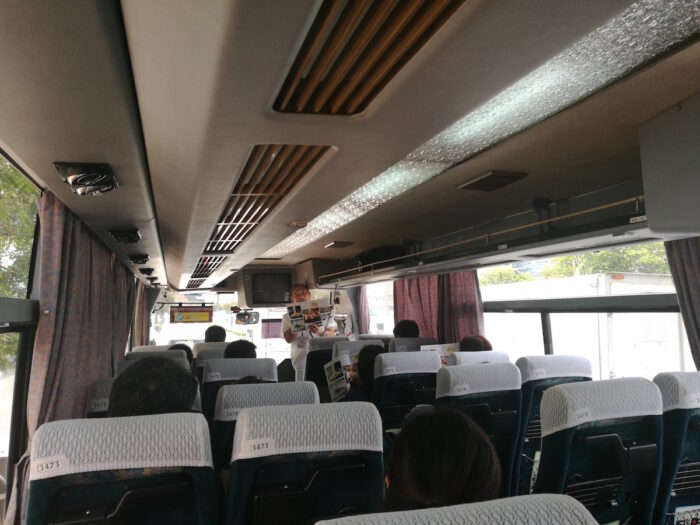
Our Tour Bus in Fukuoka
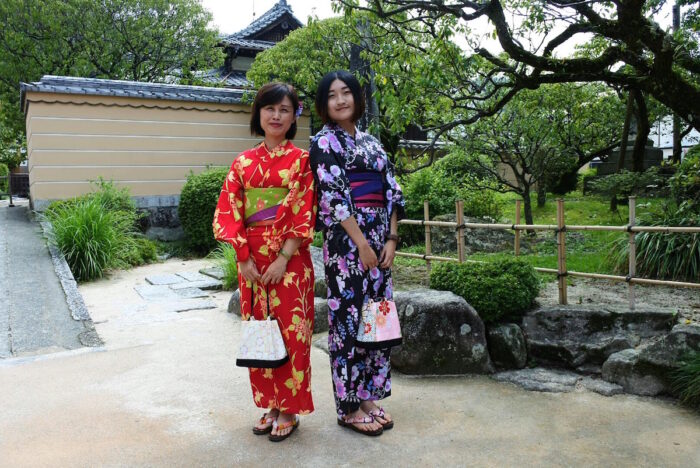
Dazaifu is known as Japan’s Ancient Capital, according to Nihon Shoki, Japan’s oldest chronicle.
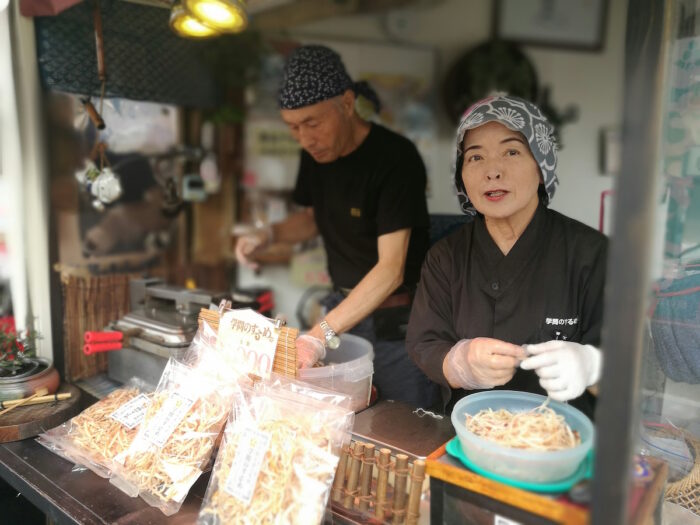
In this historic place, Dazaifu Tenmangu Shrine is the most popular tourist spot. From the designated parking lot, many interesting souvenir shops and food stalls are lined up to entertain locals and tourists visiting the place. The shrine area has several pagodas and structures to adorn it. The shrine grounds are brightened up by the blossoms of 6,000 plum trees as well as other bounties of nature throughout the four seasons.
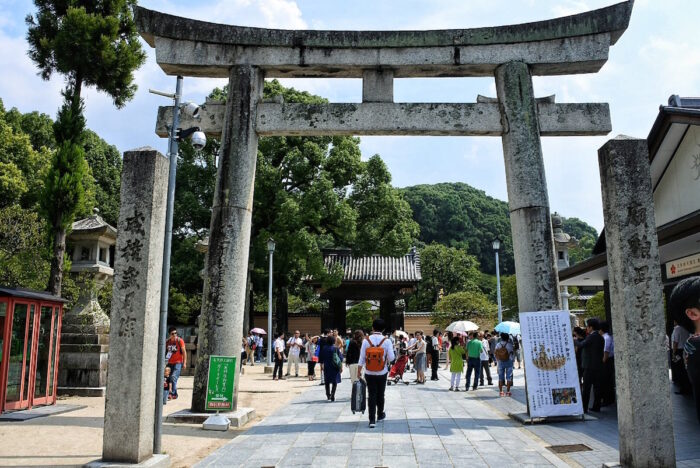
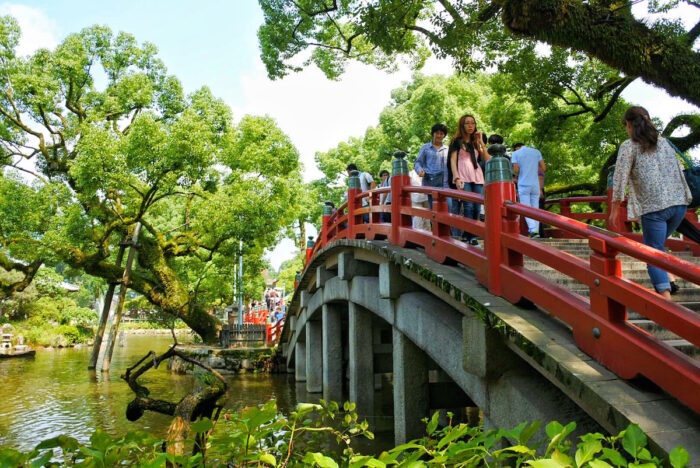

To reach the Dazaifu Tenmagu Shrine, we crossed a beautiful red bridge covered by century-old trees. Dazaifu Shrine is also a popular destination for local students to pray for passing their exams and good grades, and that explains why there were tons of students visiting the shrine upon our arrival.
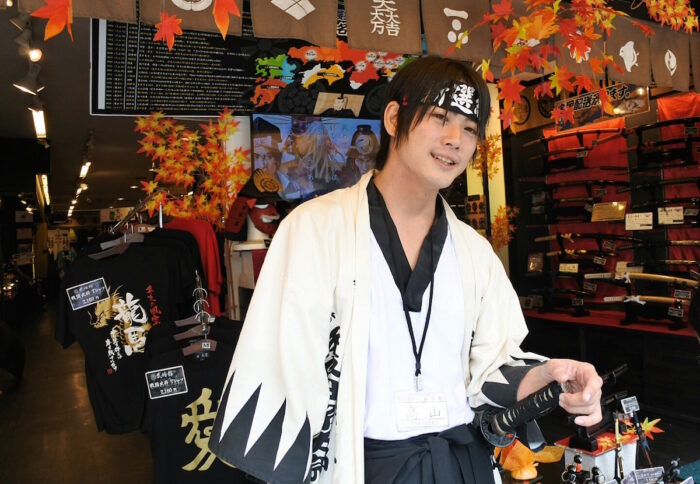
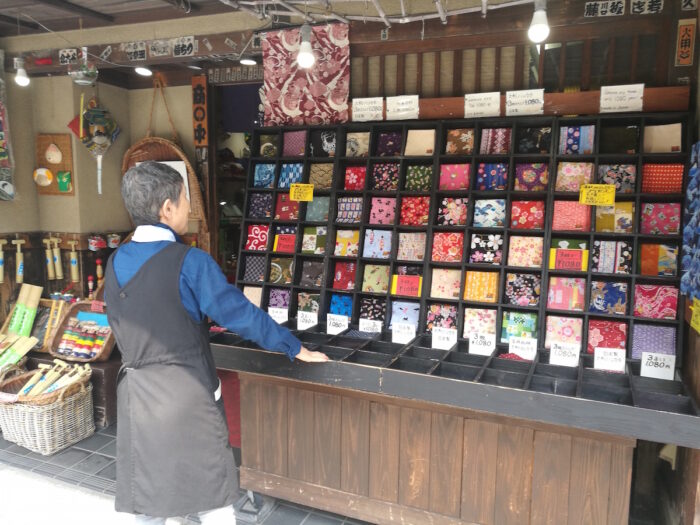
We were supposed to visit another tourist spot, but we had to cut our tour short since we were running out of time for our cruise boarding. We only had an hour and a half left to have lunch, so we rushed to Ichiran Ramen. ICHIRAN is known for its best-tasting Classic Tonkotsu Ramen. The secret to its phenomenal success is its tasty broth, which is rich in natural oil and collagen, original red sauce, home-made fresh noodles, and osukaran vinegar.
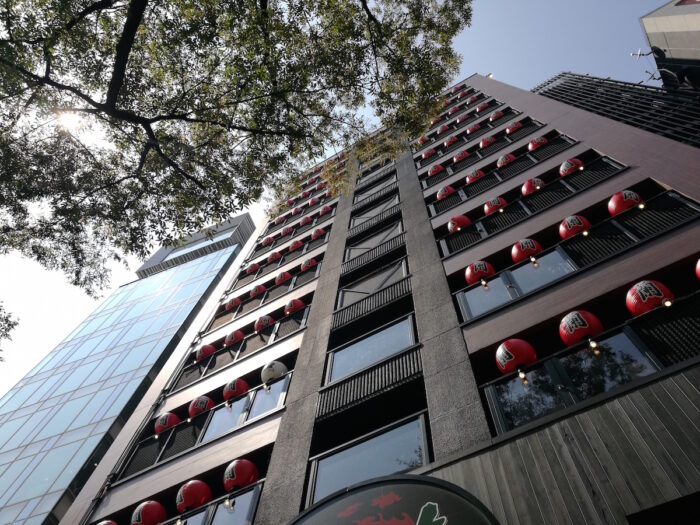
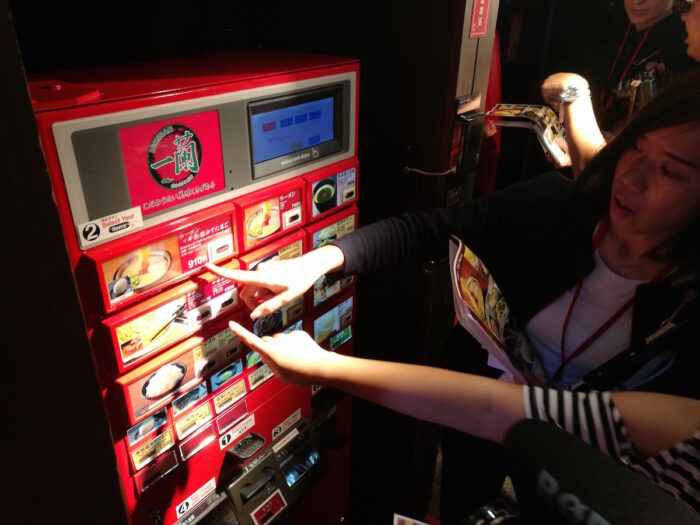
Good thing we had a prior reservation because the queue of customers was getting longer as we got closer to the restaurant. Upon reaching the second floor, we were asked to use a machine that serves as their ordering system, where we could select our options for how we like our ramen. There were also options for additional garnishing, spices, egg, noodles, etc. After pressing the buttons, it will print a receipt detailing your order, which you will then present to the waiter.
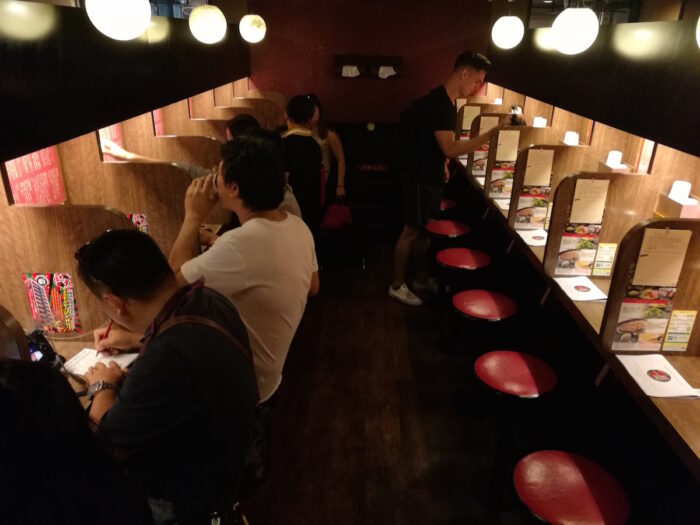
The dining room is even more interesting. It reminded me of an old-school computer shop rental back in the days. It has private ramen booths, with subdivided tables all facing a small window, where the server will verify the order.
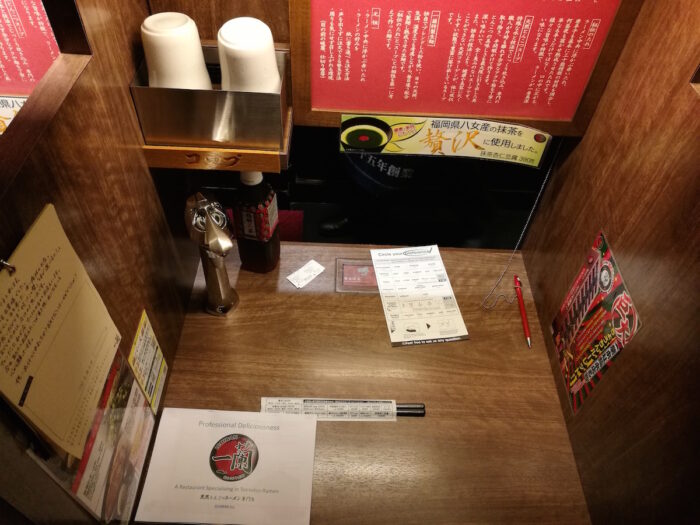
There’s also a cold-water draft at the corner of each private space and a stainless-steel glass for self-service water. A call button is also conveniently located near the bamboo screen, just in case a customer has additional orders.
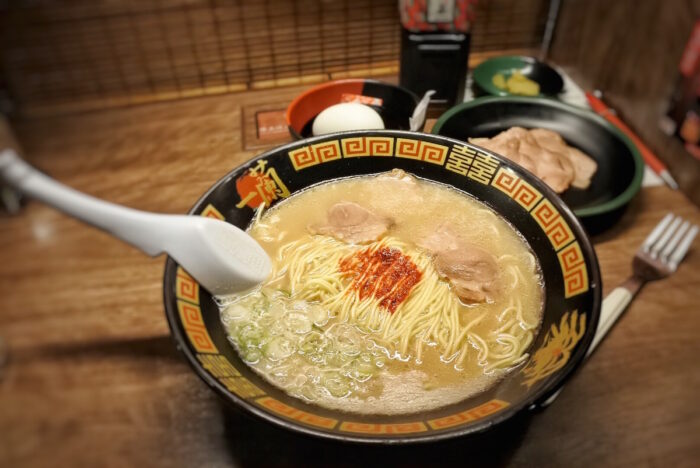
After a few minutes, they all served the food based on our specifications. As soon as the order is verified and completed, they will close the window, which means… bon appétit!
So how was the ramen? Each bowl of ramen was served in its authentic Aritayaki Original Jubako Ramen Bowl, which made it even more appetizing. The pork-based broth is heavy, savory, and not too salty. Their home-made noodles have a superb texture and were smooth to swallow. And lastly, the egg and pork were perfectly cooked, which complemented the quality of the noodles and broth.
There’s so much to explore in Fukuoka, although we were not able to enjoy it as much. We were very excited to finally board the Costa Victoria Cruise to experience the onboard activities, try the food, and enjoy the amenities.
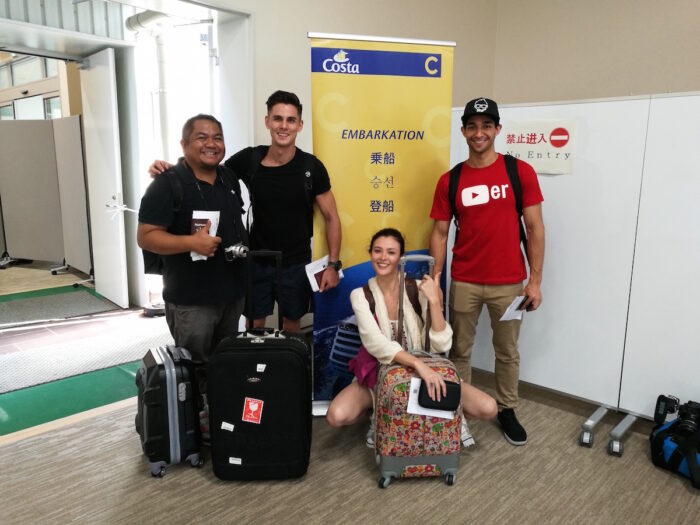
It was after lunch when we all headed to Hakata Port to finally board the cruise ship. The process was really fast. We just had our luggage scanned, a tag was placed, and we were directed to proceed to immigration before we boarded the cruise ship.

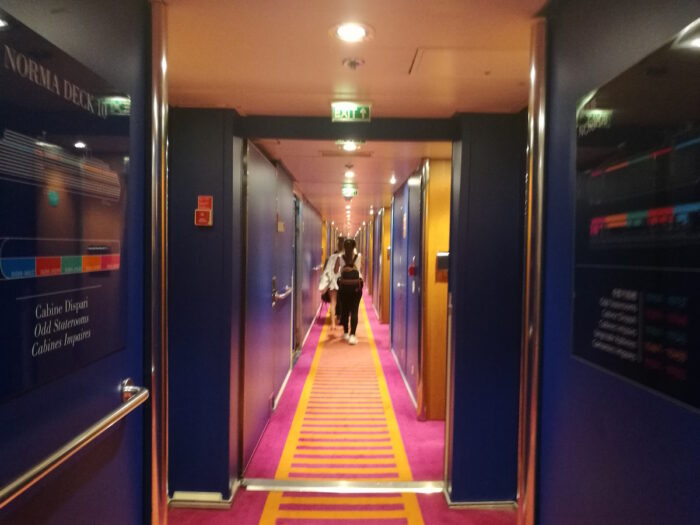
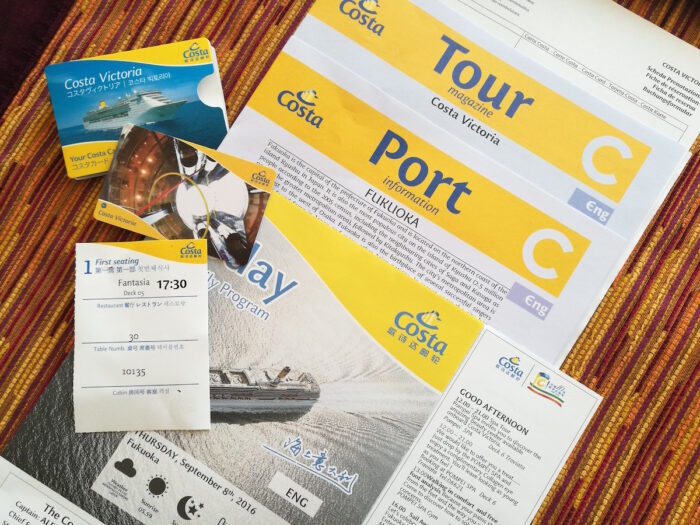
Upon boarding, we all proceeded to our own premium cabins. Inside my Cabin, I found my Costa Card and Daily Program. Costa Card serves as a keycard to my cabin, and it is also used as your Debit Card whenever you purchase anything onboard. In order for the Costa Card to work as your onboard debit card, passengers are required to link their credit card to their Costa Card.
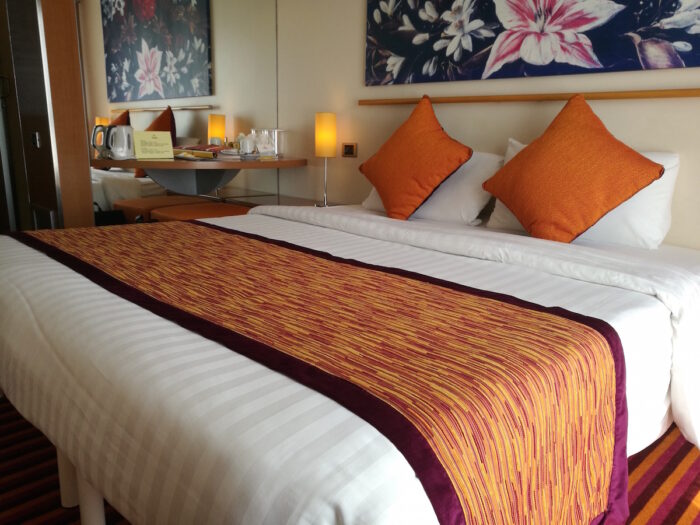
After a few minutes, everyone was instructed to vacate the cabin for an emergency drill. In a very short demonstration, everyone was given simple directions on how to wear the safety jacket, where to go during an emergency, and other safety instructions.
To truly embody Costa’s theme of “Italy at Sea”, all the guests were invited to the Atrium to experience the welcome party patterned after the world’s famous festival, the Carnival of Venice. Surrounded by guests and Costa Staff wearing Venetian Masks and costumes, everyone enjoyed the lively festival music while participating in the round-dance session as the ship began to sail.
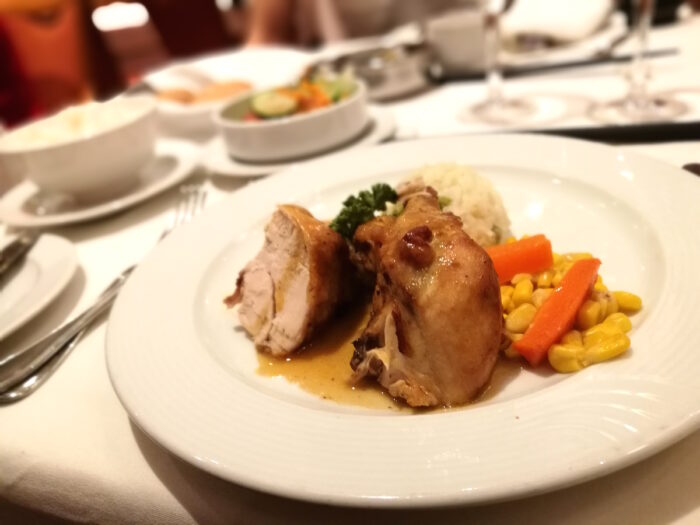
The welcome party at the Atrium was followed by dinner at Sinfonia Restaurant. Sinfonia is one of the two main restaurants that serve à la carte dinner. Sinfonia has a six-course menu that includes appetizers, soups, a choice of two pasta dishes, a main course, salad, cheese, and, of course, dessert. I will post a separate review of the food onboard, sharing my favorites from the various food outlets on the cruise ship.
After dinner, we headed back to our own cabins to rest and prepare for the next day’s activities.
Watch Cora’s YouTube video about our day Tour in Fukuoka, Japan
Embark on a dazzling journey as sea, sky, and shore come together to create an unforgettable adventure aboard any of the luxury ships of Costa Cruise Asia. For bookings and inquiries, please contact the Manila Trunkline at +632 65-8800 or the Mobile at +63 917 5001919. You may also visit http://www.travelpeople.com.ph.
Follow and subscribe to OutofTownBlog.com on Facebook , Twitter, Instagram, Pinterest, and YouTube for more Travel-related updates.
Costa Victoria North Asia Cruise Series:
Day 1: Arrival in Fukuoka, Japan
Day 2: Half Day Tour of Fukuoka
Day 3: Tour of Maizuru in Kyoto
Day 4: Arrival in Kanazawa Port, Japan
Day 5: Arrival in Sakaiminato Port in Matsue, Japan