
 Melo Villareal
Betis Church, officially known as the Santiago Apostol Parish Church, is one of the most remarkable heritage churches in the Philippines. Located in the historic district of Betis in Guagua, Pampanga, this centuries-old Baroque church is celebrated for its breathtaking painted interiors, intricate wood carvings, and rich religious heritage. Often called the “Sistine Chapel of the Philippines,” the church attracts pilgrims, history enthusiasts, photographers, and architecture lovers from across the country. Declared a National Cultural Treasure, Betis Church remains an active parish while preserving some of the finest examples of Filipino religious artistry from the Spanish colonial era.
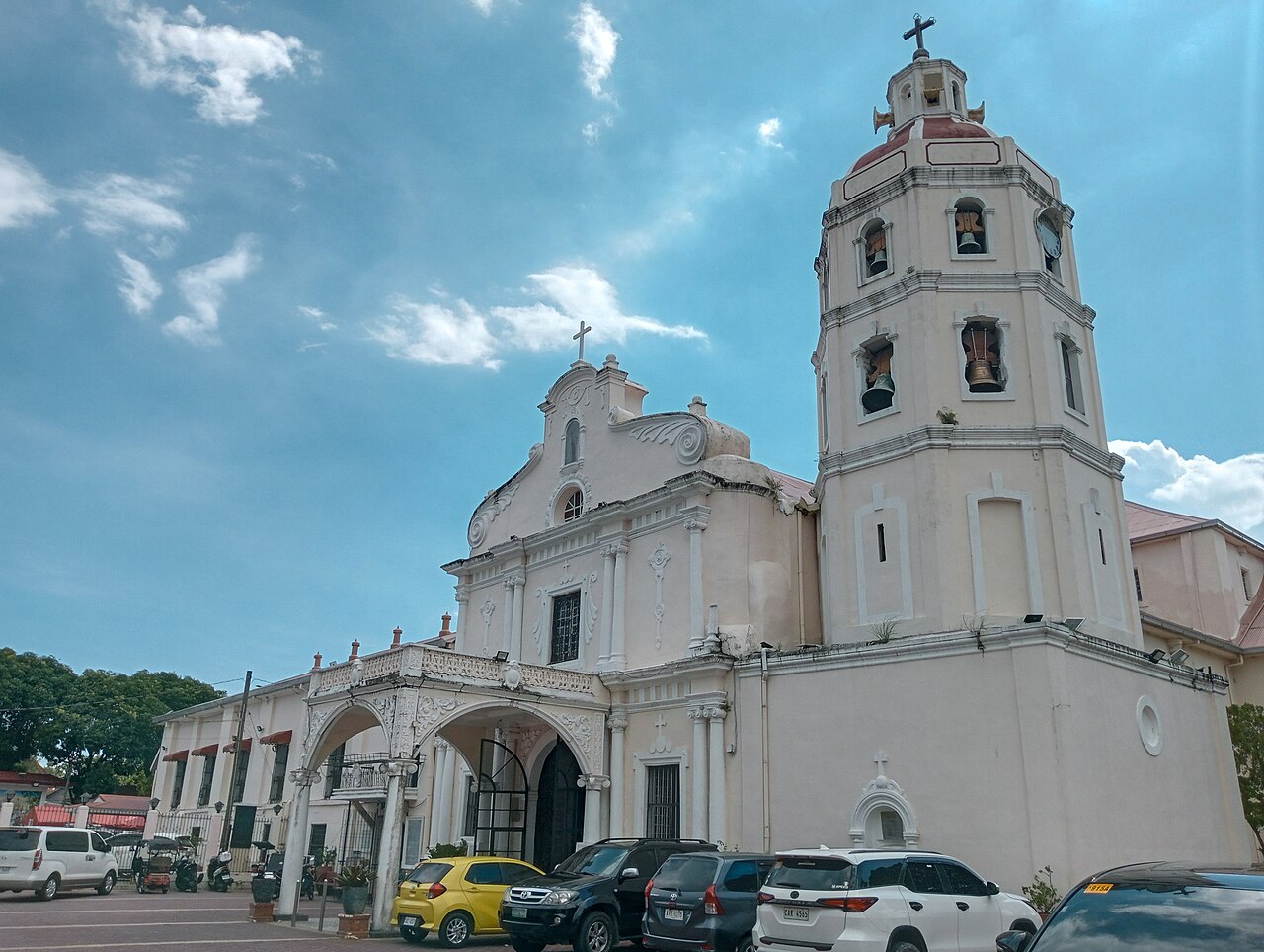
Betis Church by Ralff Nestor Nacor – Own work, CC BY-SA 4.0
History of Betis Church
The origins of Betis Church date back to 1607, when the Augustinian missionaries established the parish under the patronage of Saint James the Apostle (Santiago Apostol). The first church was built using light materials such as wood and bamboo, making it vulnerable to frequent fires.
Around 1660, a more permanent Baroque-inspired structure was constructed. After several destructive fires, the church underwent a major rebuilding campaign in 1770, replacing the earlier structure with stronger masonry that still stands today.
During the late 19th century, parish priest Fr. Manuel Camañes commissioned an artesian well that supplied clean drinking water to Betis and neighboring communities. Although the church survived numerous natural disasters and historical events, tragedy struck in 1908, when the rectory caught fire, destroying centuries of baptismal and parish records.
In recognition of its exceptional cultural and artistic significance, Betis Church was declared a National Cultural Treasure by the National Museum of the Philippines.
Why Betis Church Is Called the “Sistine Chapel of the Philippines”
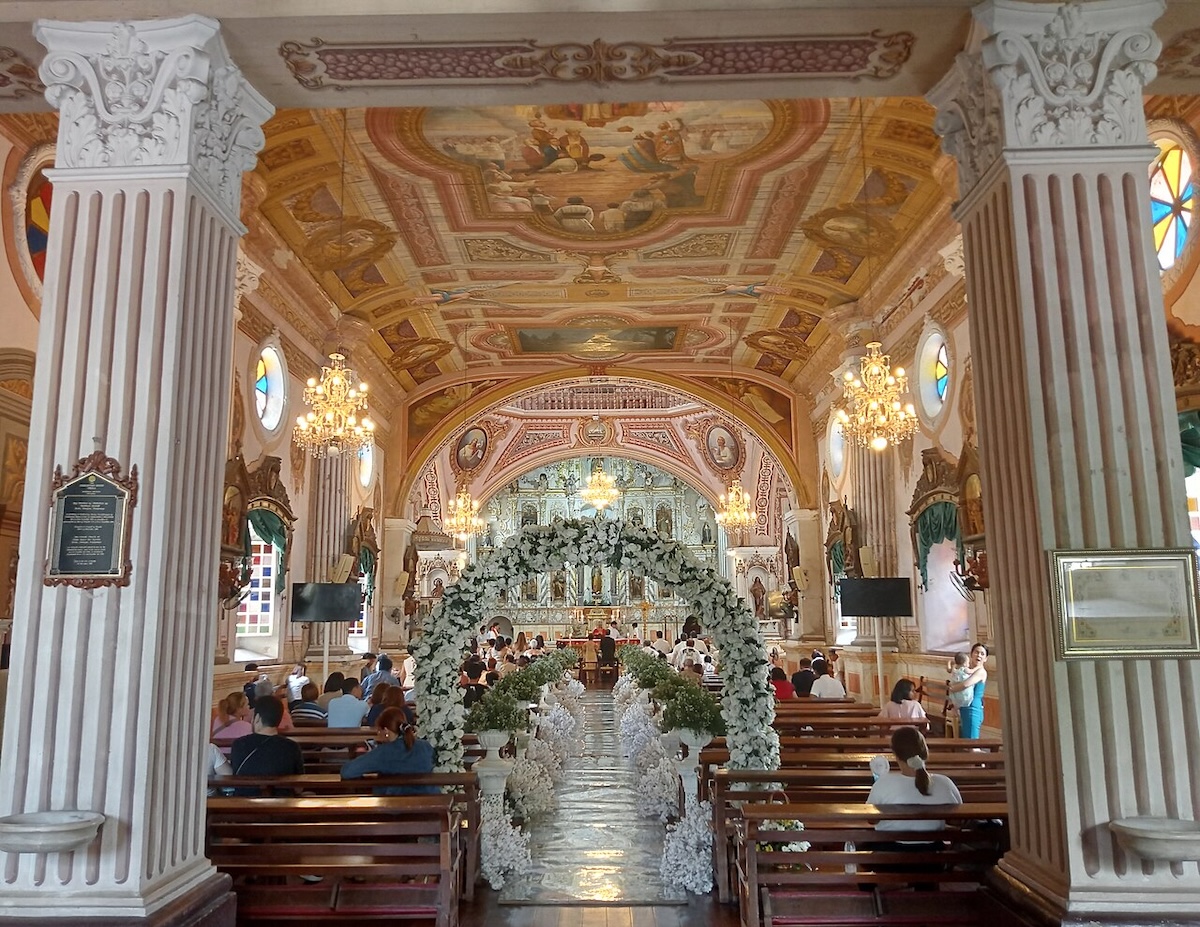
The church’s greatest treasure lies inside.
Its magnificent ceiling and wall paintings were created by renowned Filipino artist Simón Flores, one of the country’s finest religious painters during the Spanish period. The elaborate murals portray biblical scenes, saints, angels, and heavenly imagery using the trompe-l’œil painting technique, creating the illusion of three-dimensional architecture and heavenly spaces.
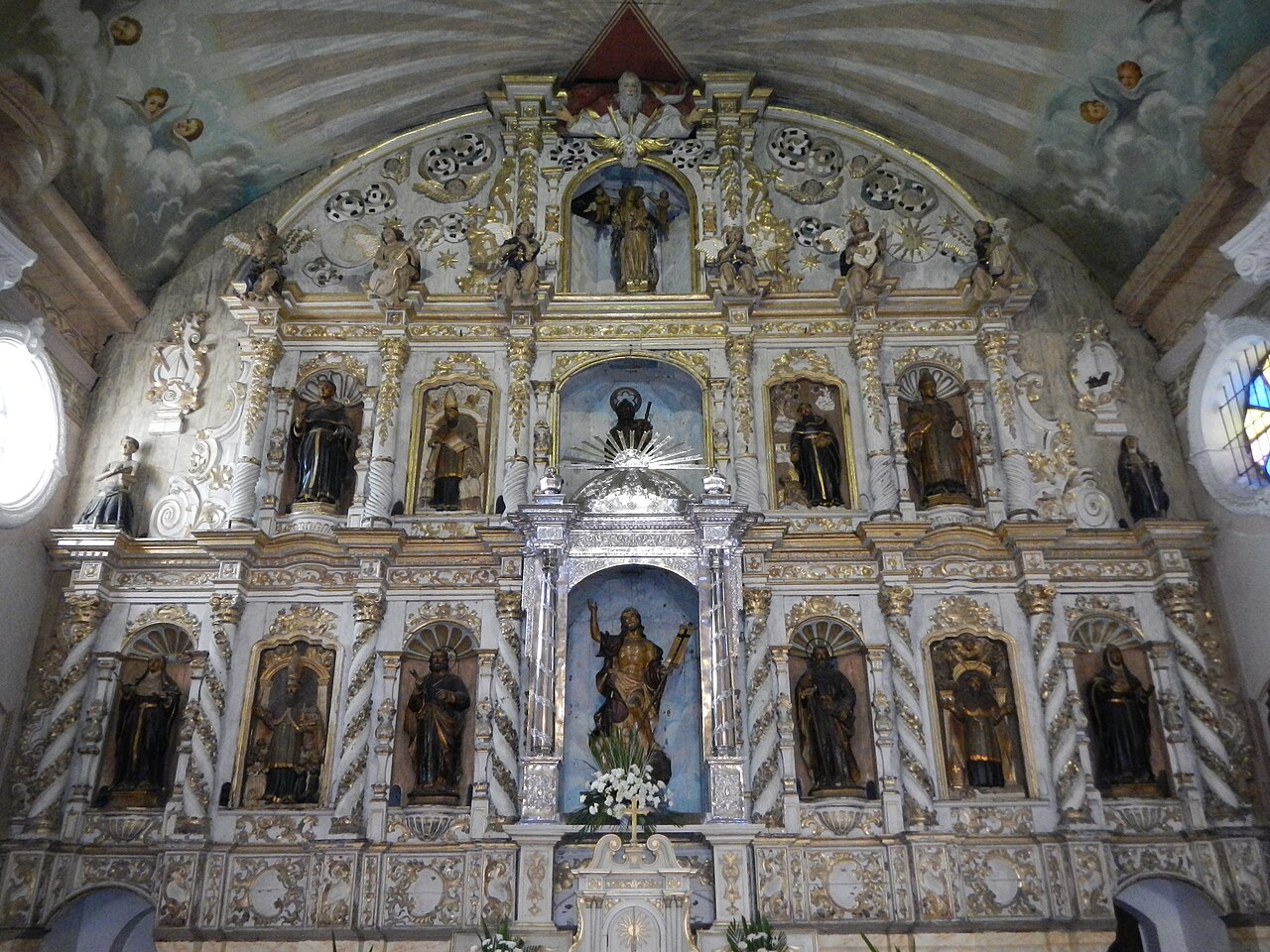
Combined with intricately carved wooden retablos, ornate pulpits, antique chandeliers, and handcrafted religious sculptures, the church interior ranks among the most impressive examples of ecclesiastical art in the Philippines.
Interesting Facts About Betis Church
- Founded in 1607, it is one of Pampanga’s oldest Roman Catholic parishes.
- It is dedicated to Saint James the Apostle (Santiago Apostol).
- The church showcases a magnificent Spanish Baroque architectural style.
- It is widely known as the “Sistine Chapel of the Philippines” because of its elaborate ceiling paintings.
- The interior murals are among the country’s finest examples of religious art.
- Betis Church was declared a National Cultural Treasure in 2001.
- The church is famous for its intricately carved wooden furnishings created by Betis artisans.
- It houses the historic Betis Artesian Well, believed to be one of the oldest deep wells in Pampanga.
- The church served as one of the filming locations for the 1998 film Jose Rizal.
What to See Inside
- Magnificent painted ceilings depicting biblical scenes
- Ornate Baroque retablo
- Antique confessionals and choir loft
- Intricate wood carvings by local craftsmen
- Historic religious statues
- Beautiful stained-glass windows
- The centuries-old façade and bell tower
- Museo Ning Betis, which showcases the church’s history and sacred artifacts.
Mass Schedule
| Day | Mass Schedule |
|---|---|
| Sunday | 6:00 AM (Kapampangan), 9:00 AM (English), 5:30 PM (Kapampangan) |
| Monday | No regular Mass |
| Tuesday | 5:30 PM |
| Wednesday | 5:30 PM |
| Thursday | 5:30 PM |
| Friday | 5:30 PM |
| Saturday | 6:00 AM, 5:30 PM (Anticipated Mass) |
Mass schedules are subject to change during holidays and special liturgical celebrations.
Contact Details
| Information | Details |
|---|---|
| Church Name | Santiago Apostol Parish (Betis Church) |
| Address | San Agustin Road, Betis District, Guagua, Pampanga 2003 |
| Telephone | (045) 900-0022 |
| Mobile | +63 917 185 3156 |
| betisheritagechurch@gmail.com | |
| Santiago Apostol Parish – Betis Heritage Church |
How to Get There
From Manila, drive via the North Luzon Expressway (NLEX) toward Pampanga, then continue on Jose Abad Santos Avenue to Guagua, before following the signs to Betis.
Travelers can board a bus to Guagua from Metro Manila. Upon reaching the town proper, jeepneys and tricycles provide convenient transportation to Betis Church.
Best Time to Visit
The best time to visit is during weekday mornings when the church is less crowded, allowing visitors to fully appreciate its remarkable artwork and peaceful atmosphere. Visiting around the feast of Saint James the Apostle in July also offers an opportunity to witness religious celebrations and local traditions observed for centuries.
Frequently Asked Questions About Betis Church
1. Where is Betis Church located?
Betis Church is located in the Betis District of Guagua, Pampanga, Philippines. It is about 10 kilometers southwest of the City of San Fernando and is easily accessible by private vehicle or public transportation.
2. What is the official name of Betis Church?
The church’s official name is Santiago Apostol Parish Church, also known as the Parish Church of Saint James the Apostle. It belongs to the Roman Catholic Archdiocese of San Fernando.
3. Why is Betis Church called the “Sistine Chapel of the Philippines”?
Betis Church earned this nickname for its magnificent ceiling murals, intricate frescoes, and beautifully painted interiors, which resemble the artistic grandeur of the Sistine Chapel in Vatican City.
4. When was Betis Church founded?
The parish was established in 1607 by Augustinian missionaries. The present Baroque church was built between the 17th and 18th centuries after earlier structures made of lighter materials were destroyed by fire.
5. Is Betis Church a National Cultural Treasure?
Yes. Betis Church was declared a National Cultural Treasure in 2001 because of its outstanding historical, architectural, and artistic significance.
6. Who painted the famous murals inside Betis Church?
The church’s famous interior artwork includes paintings attributed to renowned Filipino artist Simón Flores, while additional ceiling paintings and later restorations were completed by local artists including Macario Ligón and Victor Ramos.
7. What architectural style is Betis Church?
The church is built in the Baroque style with characteristics of Earthquake Baroque, featuring thick walls, a fortress-like appearance, ornate altars, and elaborate decorative details designed to withstand earthquakes.
8. Is there an entrance fee to visit Betis Church?
No. Admission to Betis Church is free. Visitors may offer voluntary donations to help support the maintenance and preservation of the historic church.
9. Can visitors take photographs inside Betis Church?
Yes. Photography is generally permitted, but visitors are encouraged to remain respectful, avoid using flash when possible, and refrain from disturbing worship services.
10. What are the Mass schedules at Betis Church?
Regular Masses are held throughout the week, with multiple Masses every Sunday and anticipated Masses on Saturday evenings. Since schedules may change during holidays and feast days, visitors should confirm the latest schedule with the parish office before visiting.
11. What are the must-see attractions inside Betis Church?
Highlights include the breathtaking painted ceiling, ornate Baroque retablo, antique wood carvings, religious statues, stained-glass windows, the historic artesian well, and the Museo Ning Betis, which houses religious artifacts and historical exhibits.
12. What is the best time to visit Betis Church?
Weekday mornings are ideal for sightseeing and photography because the church is generally quieter and natural light beautifully illuminates the interior murals. Many visitors also come during the Feast of Saint James the Apostle in July to experience local religious traditions.
13. Is Betis Church suitable for heritage and cultural tours?
Yes. Betis Church is one of Pampanga’s premier heritage destinations and is frequently included in cultural tours together with other historic churches, ancestral houses, and local artisan workshops.
14. How can I contact Betis Church?
You can contact the Santiago Apostol Parish office by telephone at (045) 900-0022 or visit the parish’s official Facebook page for announcements, Mass schedules, and church activities.
15. What nearby attractions can I visit after touring Betis Church?
Nearby attractions include Museo Ning Betis, Betis Galleria, San Guillermo Parish Church in Bacolor, the Pampanga Provincial Capitol, and several heritage houses and local woodcarving workshops that showcase the rich artistic traditions of Pampanga.
Follow and subscribe to OutofTownBlog.com on Facebook , Twitter, Instagram, Pinterest, and YouTube for more Travel-related updates.
Read:
- Parroquia de San Pedro Apostol in Vinzons, Camarines Norte
- Loboc Church: Parroquia de San Pedro Apostol in Bohol
- A Mystical Tour of Bilbao
- SM CITY NORTH EDSA MASS SCHEDULE: Our Lady of the Most Holy Rosary Chapel