

 Team Out of Town
Montenegro Travel Guide – Things to Do and Places to Visit in Montenegro
Back in 2006, Montenegro declared independence from the State Union of Serbia & Montenegro.
Montenegro is full of historic cities and breathtaking nature with a wide variety of activities. One of the popular activities in Montenegro is hiking. Every year, signposting and waymarking are improving every year and visitors are encouraged to take organized hikes as trails are exposed.
The summer and winter months are the best time to visit Montenegro. The summer season starts in June and ends in August filling Montenegro’s beaches. The Winter season starts in October, when tourists leave, and slowly ends in April, right before tourists come.
Montenegro has two international airports in Tivat and Podgorica, but it is recommended to arrive via Dubrovnik Airport in Croatia as it is served by more airlines.
THINGS TO DO AND PLACES TO VISIT IN MONTENEGRO
Try Montenegro’s Local Wine
Montenegro has an ideal geographical and climate condition to successfully cultivate grapes year-round. Montenegrin wine is known to produce intense, deep red wine made of Vrana grapes.

Plantaže, Montenegro’s largest vineyard, and leading winery covers 2,300 hectares of territory filled with grapevines and offers wine tasting in one of its cellars. Wine tasting is intended for people over 18 years old. Visitors can book a tour online at plantaze.com.
Bouquet
Place: Šip-anik
Duration: 1 hour
Rate per person: €12
In vino veritas
Place: Šip-anik
Duration: 1 hour
Rate per person: €17
Montenegro – Land of Wines
Place: Šip-anik
Duration: 1.20 hour
Rate per person: €22
The Wine Treasures of Plantaže
Place: Šip-anik
Duration: 3 hours
Rate per person: €65
*Rates may change without prior notice.
Enjoy the Winter in Kolasin
Kolasin is located in the footsteps of the Bjelasica and Sinjajevina mountains and is a popular destination for winter activities. Kolasin is popular with snowboarders and skiers with the largest ski resort in Kolasin is Ski Resort Kolasin 1450. Other than winter sports, people travel to Kolasin to admire the snow that covers the mountains of Kolasin.
Visit Montenegro’s Monasteries
Visitors must be responsible and observe the dress code and the behavior code in the monasteries. The country of Montenegro is largely populated by Eastern Orthodox Christians and Muslims so modesty is key. Both men and women must cover their shoulders and knees. On the monastery grounds, men must change into trousers, and women must change into skirts and put shawls on their shoulders. Women may choose not to cover their heads. Visitors must not run around, talk loudly or smoke on monastery grounds. Filming and photographing are prohibited on the grounds, as well. Montenegrin monasteries should be respected by both believers and non-believers.

Cetinje Monastery – Built in 1701 near the ruins where the original monastery once stood, Cetinje Monastery house the relics of St. Peter of Cetinje, the right hand of John the Baptist, and a piece of the Holy Cross.
Opening Hours: 8AM to 8PM, Daily
Entrance Fee: Free
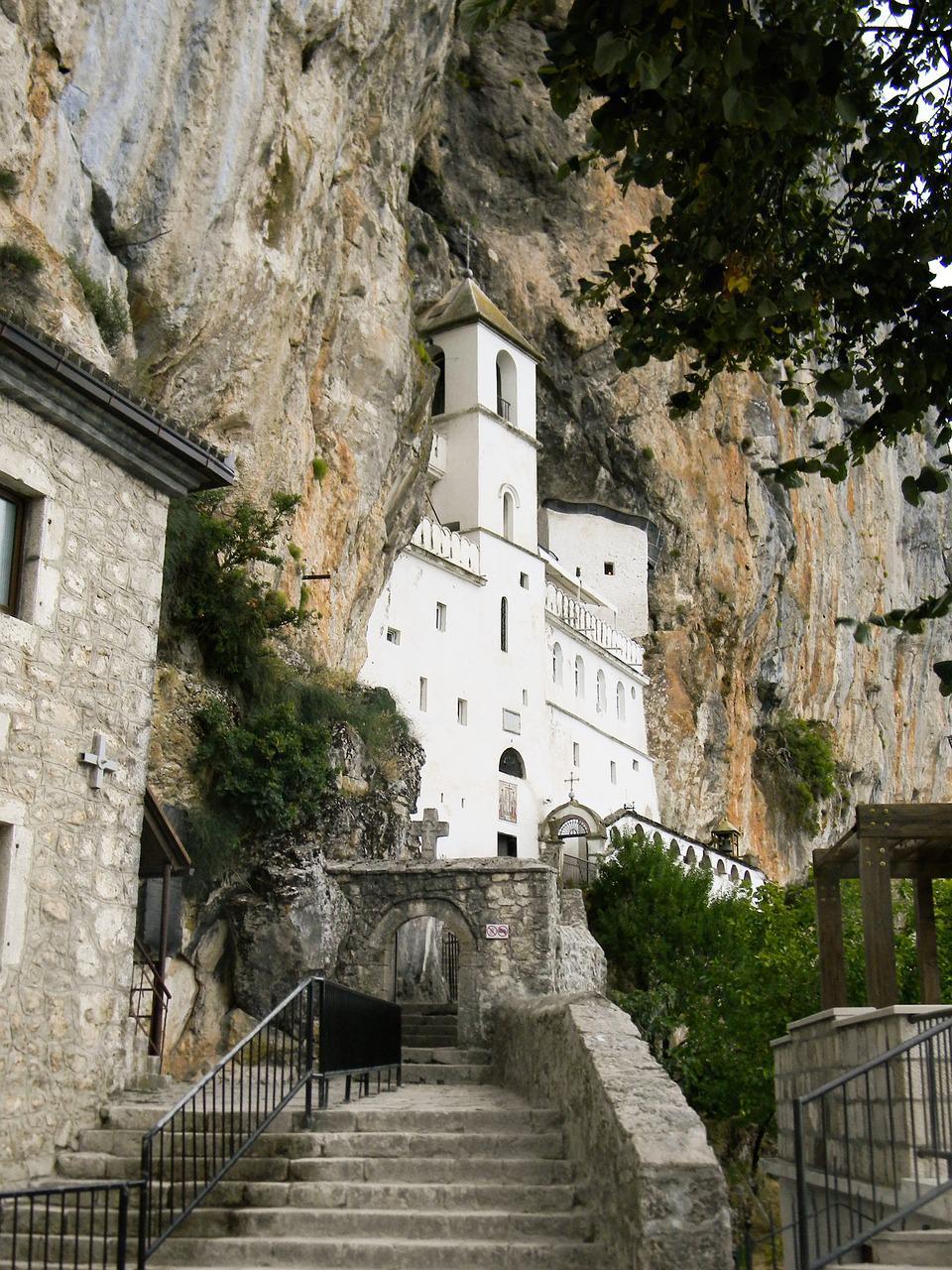
Ostrog Monastery – One of the most important Serbian Orthodox monasteries in Montenegro, the Ostrog Monastery is a religious pilgrimage site dedicated to Saint Basil of Ostrog who was buried here. It is visited by millions of travelers and pilgrims every year. Visitors can see a shrine with the relics of St. Basil of Ostrog and a healing spring which is free for every visitor to see.
Opening Hours: 6AM to 5PM, Daily, May to September; 5AM to 4PM, Daily, October to April
Entrance Fee: Free

Savina Monastery – Visitors can see relics originating from the time of the Nemanjic Royal Family, such as the Crystal Cross of St. Sava. The Savina Monastery is just off of the coastal highway south of Herceg Novi with an incredible coastal view from the hilltop.
Opening Hours: 8AM to 6PM
Entrance Fee: Free
Explore the Coastal Town of Herceg Novi

The coastal town of Herceg Novi acts as a gatekeeper to the Bay of Kotor. It was once occupied by the Turks, Venetians, Spaniards, Austrians, Russians, French, Italians, and Germans. This makes the town a cultural melting point with a diverse, architectural style of historic churches and ancient fortresses. Outdoor activities include swimming and kayaking through the crystal-clear waters at the bay and trekking up the Savina Monastery.
Fortress Spanjola – Also called Spanish Fortress, this fortress is located on one of the highest hills in Herceg Novi. There is an incredible view of Old Town Herceg Novi from the fortress and there is no entrance fee to the fortress.
Mare Fortress – Locally known as Forte Mare, the fortress was built as a defensive position to protect the Herceg Novi from sea attacks. The entrance fee to the fortress is €2 per person.
Old Town Herceg Novi – The old town is not as big, popular, and expensive as Kotor. It is mostly pedestrian with cobblestoned alleys and lovely little shops but this quaint town charms visitors with its pleasant atmosphere and slower pace.
Take a Day Trip to Perast

Perast is located in the Bay of Kotor full of old churches and palaces worth visiting, including the Church of St. Nicholas and its 180ft Perast Bell Tower. Set against the popular Bay of Kotor, visitors can take a boat ride to the island churches of Our Lady of the Rocks and St. George. The quiet and laidback atmosphere can sure charm any visitors tired of the bustling crowds of other tourist spots.
Take a Walking Tour to the Historical City of Cetinje
A walking tour is one of the most recommended ways to explore Cetinje. The town is teeming with historical monuments and holds the title of The Old Royal Capital. Since it is a walking tour, visitors can stroll around Ulica Njegoševa and look at the colorful houses in the main street or take a break in one of the cafes there.
Try museum hopping and learn about Montenegro’s history. Money Museum is located within the Central Bank of Montenegro specializing in the collection and exhibition of money and other numismatic materials from the territory of Montenegro. The National Museum of Montenegro comprises different museums housed in historic buildings.
Historic Museum of Montenegro – This museum is housed in the historic Vladin dom and displays collections from the pre-historic times to the political and cultural past of Montenegro
Museum of Fine Arts Montenegro – Lorem ipsum dolor sit amet, consectetur adipiscing elit, sed do eiusmod tempor incididunt ut labore et dolore magna aliqua. Established in 1950, the Museum of Fine Arts aims to monitor the development of fine arts to provide a comprehensive overview of the most significant works of art.
Ethnographic Museum of Montenegro – Exhibited here are folk arts and crafts from all over Montenegro
Njegoš Museum – This building was the residence of Petar II Petrovic Njegoš and showcases his personal belongings and a map of Montenegro created in 1917.

Museum of King Nikola – This museum was the home of the last royal ruler of Montenegro, King Nikola. Preserved historical gifts from other leaders during the reign of the late king are displayed here.
Operating hours: 9AM to 5PM, Daily, April to October; 9AM to 4PM, Monday to Saturday, November to March
Rates: €12 Adult, €6 Child
*Rates may change without prior notice.
Lovcen National Park lies outside of Cetinje with numerous hiking and biking trails for visitors. The Serpentine Road Serpentine Road runs from Cetinje to Kotor and is an incredible experience for those who love a scenic road trip.
Kotor Old Town & Bay of Kotor

Kotor is another walled city with a lovely view of the sea and the mountains. The narrow streets and corners boast the picturesque and historical architecture of the old town that is perfect for wandering around. Visitors can admire the Baroque or Romanesque palaces in the town inhabited by noble families. The town is filled with beautiful churches that is worth visiting, including the St. Tryphon Cathedral which house the relics of the city’s patron saint and protector – St. Tryphon. Those looking for more action can hike the Ladder of Kotor. Visitors can kayak through the Bay of Kotor or go on a cruise.
Take a Luxurious Vacation in Aman Sveti Stefan
This former fishing village is a walled island that served as a shelter for families needing protection from invading Turks and pirates. The island is now owned by Aman Resorts and only paying guests can enter the island. However, the Sveti Stefan beach is open to the public, and visitors can enjoy a swim or watch the sunset over the Adriatic Sea.
Partake in Water Activities in Montenegro

The summertime in Montenegro is active with things to do like swimming and surfing along the beaches of Montenegro. Budva is popular during the summer because of the beautiful beaches located there and the glitzy nightlife. Mogren Beach is the most popular beach in Budva while Jaz Beach is one of the longest in the country. Becici Beach is a 2-km long beach and Lucice Beach is pretty small which can get crowded quickly in the summer. Another popular water activity in Montenegro is kayaking which visitors can do in the Bay of Kotor, Skadar Lake, and Rose in Herceg Novi.
Go White-water Rafting at the Tara River Canyon

The Tara River Canyon is the second deepest canyon in the world and white-water rafting is a popular outdoor activity in the Tara River Canyon. Visitors can book a guided rafting tour of the river. Visitors can try ziplining above the river from the Durdevica Tara Bridge. Organized hiking tours can also be booked to get a magical view above the canyon. Jeep safaris offer a unique driving experience through the mountains and explore the inaccessible areas. Other activities in the Tara River Canyon include canyoning, rock climbing, and horse riding.
Take A Boat Cruise on Skadar Lake National Park
Skadar Lake is the largest lake in Southern Europe and is divided between Albania and Montenegro. The Montenegrin part of Skadar Lake was declared a national park in 1983.
Visitors can take a guided boat cruise of the lake on a traditional, shallow-bottomed wooden boat and appreciate the lake from a different perspective. These cruises can take from one hour to eight hours. An hour’s cruise can tour Grmozur, a former island prison, or Lesendro, a former island fortress. Longer cruises can tour island monasteries and lakeside villages.
Lovcen National Park

The most popular tourist spot in Lovcen National Park is Njegoš Mausoleum, the mausoleum of the once-great Montenegrin poet Petar II Petrovic Njegoš.
Ivanova Korita is the center of Lovcen National Park. Information about the hiking and biking trails are available at the Visitor Center. Most hiking trails start in Ivanova Korita.
Ivanova Korita to Njegoš Mausoleum
Difficulty: Moderate
Length: 8.4km / 3 hours hike
Ivanova Korita to Krstac
Difficulty: Easy
Length: 6.8km / 2.5 hours hike
Cetinje to Ivanova Korita
Difficulty: Moderate
Length: 9km / 3 hours hike
An outdoor park, Lovcen Adventure Park, has a series of rope trails varying in difficulty in the trees in Lovcen National Park. Obstacles in each trail must be completed by the visitors.
Opening hours: 12PM to 6PM, Saturday and Sunday, 15th April – 1st June; 10AM to 6PM, Daily, 1st June – 15th September; 12PM to 6PM, Saturday and Sunday, 15th September – 30th October
Rates: €18 for Adults (14 years old and above), €12 for Children (8-13 years old), €8 for Children (5-7 years old)
The entrance fee to Lovcen National Park is €2 for adults and is free for children 0-7 years old. The entrance fee to the mausoleum is €3 for adults and €2.5 for children. Mount Lovcen was declared a national park in 1952.
*Rates may change without prior notice.
Go Hiking in the Durmitor National Park

Some of the best hiking trails in the Balkan Region are in Durmitor National Park. These trails cater to hikers of all levels and some of the most recommended trails are listed below:
Curevac Hike
Difficulty: Easy
Length: 2km roundtrip / 2 hours hike
Prutas Peak Hike
Difficulty: Moderate
Length: 8km roundtrip / 4-5 hours hike
Durmitor Skrcka Lakes Valey
Difficulty: Moderate
Length: 10.4 km roundtrip / 6 hours hike
Bobotov Kuk
Difficulty: Challenging
Length: 11.4 km roundtrip / 6-7 hours hike
A picnic by the Black Lake or Snake Lake is another way to experience the serenity of Durmitor National Park. The Durmitor region was declared a national park in 1952. There is an entrance fee to Durmitor National Park:
| Number of Days | Ticket Rates |
| 1 day | €3 |
| 3 days | €6 |
| 7 days | €12 |
*Rates may change without prior notice.
Biogradska Gora National Park
This national park is filled with old forests, high peaks, glacial lakes, and clear streams that are perfect for everyone who is in love with nature. Back in 1878, King Nicholas, I ordered that the lake and the area around it be strictly guarded because of its beauty. Visitors can walk along the shores of Biogradsko Lake and explore the virgin rainforest around the lake, one of the last three large virgin rainforests in Europe. Hikers can take the Bjelasica mountain peaks of Zekova and Crna Glava or tour the mountain via horseback riding. For non-adventurous visitors, an off-road exploration with an SUV is another great way to discover the lush green valleys of Bjelasica.
The entrance fee to the Biogradska Gora National Park is €3 per person. Biogradska Gora was declared a national park in 1952.
*Rates may change without prior notice.
Prokletije National Park

The main activity for visitors to Prokletije National Park is hiking. The moderately demanding hike of Volusnica gives a beautiful view of the Karanfili peaks. Further Volusnica is the peak of Talijanka that straddles Montenegro and Albania. Similar to Volusnica, Popadija’s peak offers an impressive viewpoint to Karanfili peaks. For the experienced hikers, take the Krosnja to get an incredible view of Grebaje Valley, a glacial valley with rushing streams, rivers, and clear glacial lakes. Further Krosnja is Suplja vrata, or kissing cats, a naturally formed rock arch.
The entrance fee to the Prokletije National Parkis €1 per person and valid for the whole day. Prokletije Mountains was declared a national park in 2009.
*Rates may change without prior notice.
Our Top Hotel Picks for Montenegro
Montenegro Travel and Tour Packages
Also read: Four Architecturally Magnificent Monasteries Around The World