

 Melo Villareal
Cyclades Island Hopping from Mykonos: 7 Seamless Routes
Mykonos works well as a launch point for a wider Cyclades trip. The island sits in the Cyclades group, is known as the island of the winds, and gives easy access to both famous names and quieter stops. Delos sits only a short boat ride away, which adds depth from the first day. That makes Mykonos useful for short day plans and for longer two or three-island routes.
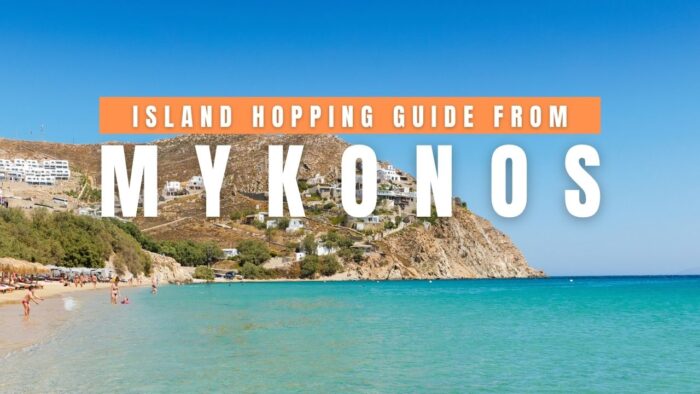
Mykonos Island Hopping Guide
Why Mykonos Works So Well
A Strong Base for the Cyclades
Fast Links and Varied Travel Styles
A smooth Mykonos island hopping plan often starts here because Mykonos can lead in many directions without making the route feel forced. It can pair well with history on Delos, craft and faith on Tinos, civic life on Syros, broad beaches on Paros, inland villages on Naxos, volcanic drama on Santorini, or sea-shaped scenery on Milos. It also helps travelers avoid repeating the same kind of stop from one island to the next.
Why the Island Works as a First or Second Stop
Mykonos can open a trip with easy energy, then hand it off to calmer islands or more historic ones. It can also serve as a second stop after Athens, offering the white lanes and sea views that travelers want at the start of a Cyclades plan.
Route One: Mykonos to Delos
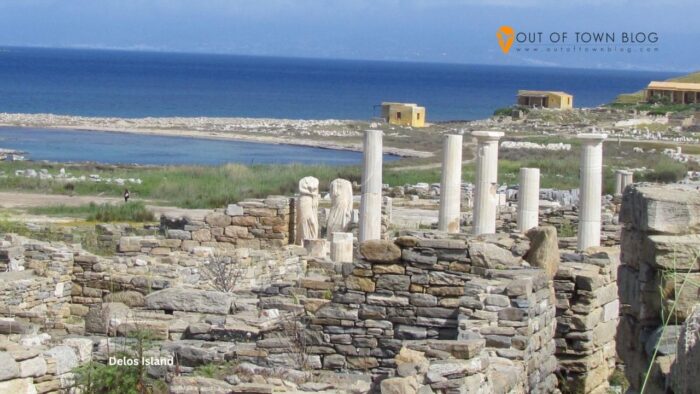
A Day Trip With Deep Meaning
Delos is one of the clearest ways to add substance to a Mykonos stay. Delos is a UNESCO World Heritage site, and UNESCO notes that the island holds traces from the third millennium B.C. to the early Christian era.
What Stands Out on Delos
Delos is an archaeological site in its entirety. Visitors come for the ruins, the museum, and the clear link to Apollo in tradition. Because it sits so close to Mykonos, travelers can sleep on Mykonos, visit Delos in daylight, and return without changing hotels. For many travelers, it becomes the cultural anchor of the whole trip.
Route Two: Mykonos to Tinos
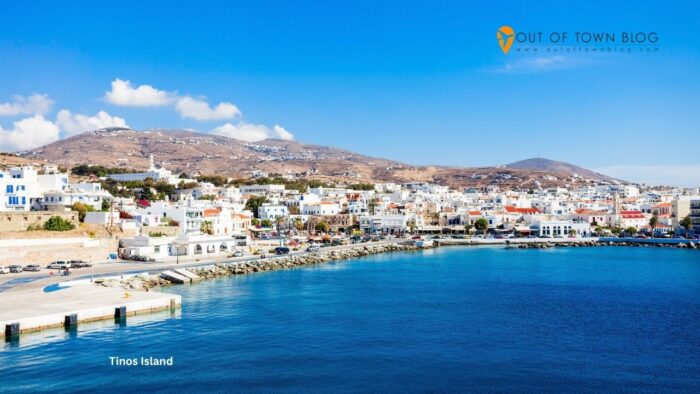
A Shift Toward Villages, Faith, and Craft
Tinos works well after Mykonos because the mood changes without the trip losing flow. It’s also called the handmade island and links it to architecture, art, gastronomy, and marble carving. The island is also home to Panagia Evangelistria, one of the most important pilgrimage churches in Greece.
Why Tinos Feels Grounded
The appeal of Tinos comes from its villages, marble detail, and slower rhythm. Pyrgos is known for marble art, and the Museum of Marble Crafts helps explain why the island matters so much in that tradition. For travelers who want a gentle contrast after Mykonos, Tinos can add craft heritage and long village walks. The island rewards slow mornings, inland drives, and time in village squares.
Route Three: Mykonos to Syros
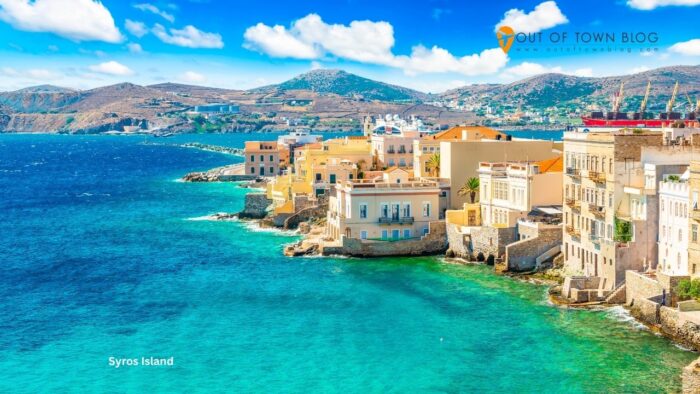
The Route for Town Life and Architecture
Syros brings a different kind of Cyclades stay. Ermoupoli is the capital of Syros and of the Cyclades, and it grew into a major commercial and industrial center in the nineteenth century. That history still shows in the town plan, broad squares, and public buildings.
Who Will Enjoy Syros Most?
This route suits travelers who want more than beaches. Ermoupoli gives museums, stone steps, and evening walks through a real island capital, while Ano Syros adds an older hill settlement with a Catholic mark in the island’s story. It is a good fit for travelers who like museums, squares, and local food.
Route Four: Mykonos to Paros
A Balanced Choice for Mixed Travel Groups
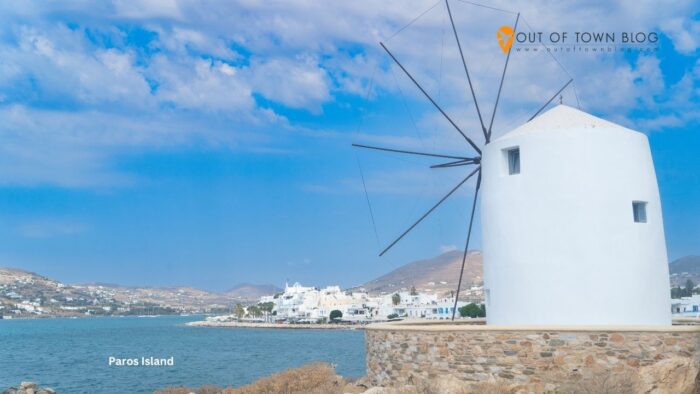
Paros works for travelers who want beaches, villages, and some town energy without a huge change of pace. It’s also known as the port town and island capital, and highlights the island’s seafaring activity scene. The southeastern side is especially known for wind and waves that suit windsurfing.
What Gives Paros Broad Appeal
Paroikia offers easy arrival and a walkable base, while Naoussa adds an old port setting that many travelers like for long evenings by the water. Paros also links beaches with inland culture, including the historic church of Panagia Ekatontapiliani near the port in Paroikia. That balance keeps the route active without making it feel rushed.
Route Five: Mykonos to Naxos
More Space, More Food, and More Range
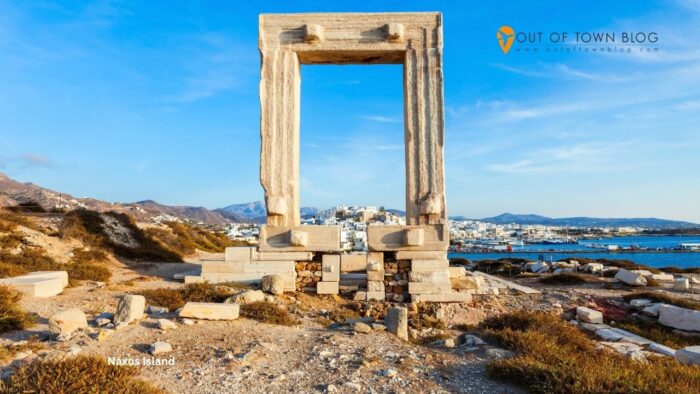
Naxos changes the scale of the trip. It is known as the biggest and most fertile island in the Cyclades, right in the center of the group. The harbor view of the Portara also gives a strong first impression on arrival.
Why Naxos Can Slow the Trip in a Good Way
Naxos suits travelers who want room to roam without giving up sea time. Chora gives a classic island base, but the inland villages and mountain roads often become the real reason to stay longer. After Mykonos, Naxos can add local produce and a calmer pace of life. It often gives the trip its most rounded mix of beach, food, and inland time.
Route Six: Mykonos to Santorini

The Classic High-Contrast Pairing
Santorini is one of the most famous islands in Greece, and it is in fact a group comprising Thira, Thirassia, Aspronissi, Palea Kameni, and Nea Kameni. The caldera and active volcano shape the whole view.
What Makes Santorini Worth the Time
The best reason to slow down on Santorini is not only the view. Akrotiri of Thira is one of the most important prehistoric settlements in the Aegean, and the volcanic material helped preserve buildings and objects there. That gives the island real cultural depth besides the caldera scenes. A slower stay helps the island feel richer than a quick photo stop.
Route Seven: Mykonos to Milos
A Nature-Led Finale
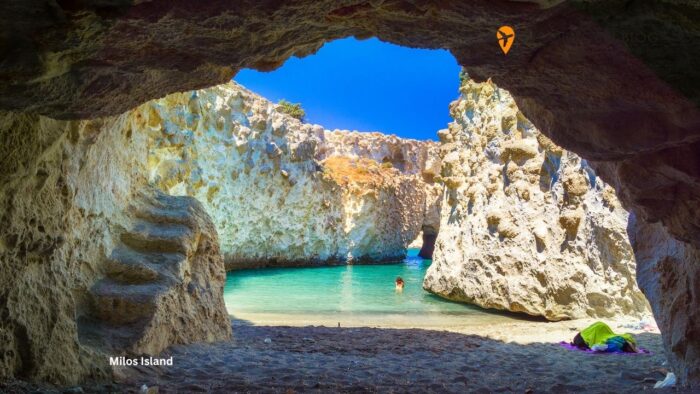
Milos often feels like the right last stop because the scenery shifts so clearly. The island’s unusual appearance is linked to ancient volcanic activity and points to caves, hot springs, and rock formations along the coast. Kleftiko is one of the best-known spots because of its sea-carved white formations.
Why Milos Closes a Route Well
Milos suits boat days, swimming, and slow afternoons near the water. It can also work well for travelers who want a town base with easy harbor life, then want the coastline to do most of the talking. Boat outings often become the main event rather than a side plan.
How to Keep the Route Seamless
Give Each Island a Clear Role
A strong island plan works best when each stop has one main job. Mykonos can set the pace. Delos can add ancient history. Tinos can bring villages and marble craft. Syros can add town life. Paros can keep balance. Naxos can widen the trip. Santorini can add volcanic drama, and Milos can close with sea-shaped scenery. When each island serves a different purpose, the route feels cleaner, calmer, and easier to remember.
Stay Long Enough to Settle In
The most seamless Cyclades trips usually pick fewer islands and spend more time on each. Some travelers also compare transfer options with operators such as Hoper when deciding which islands can be paired without making the trip feel rushed. Delos is the clear short visit because it works so well from Mykonos, but most other stops reward a few slow walks and enough time to move beyond the port. A smaller route often leads to better meals, better rest, and clearer memories. The best plans often mix one active island, one cultural island, and one quieter base.
Final Thought
Build the Trip Around Contrast, Not Count
A good Cyclades route does not need every famous island. It needs the right sequence. Mykonos and Delos can open with energy and history. Tinos or Syros can add culture. Paros or Naxos can widen the middle. Santorini or Milos can close with natural drama. That order often feels better than trying to fit too many similar stops into one trip.
A Shorter Plan Can Still Feel Complete
For many travelers, two or three islands will do more than a rushed list of seven. The point is not to cover the map. The point is to let each stop leave a clear memory. That smaller plan often leaves more time for swims, walks, and long meals.
Follow and subscribe to OutofTownBlog.com on Facebook , Twitter, Instagram, Pinterest, and YouTube for more Travel-related updates.
Read:
- MYKONOS TRAVEL GUIDE: Best Time to Visit, Hotels, Beaches, Food & Local Tips
- First Time in Tokyo? 12 Must-Know Tips for First-Time Visitors to Tokyo

