

 Team Out of Town
Hue Travel Guide: Exploring Vietnam’s Imperial Heritage and Ancient Cultural Treasures
Recognized as Vietnam’s most illustrious cultural destination, Hue served as the country’s imperial heart for over 140 years, making it a treasure trove of historical grandeur. Resting along the gentle, scenic expanse of the Perfume River, this city draws visitors into a world defined by its majestic UNESCO World Heritage sites, ornate royal tombs shaded by centuries-old trees, and sacred pagodas echoing with stories of Vietnam’s dynastic heritage.

Perfume River
In Hue, every corner brims with vestiges of imperial splendor. Visitors can immerse themselves in Vietnamese royal culture by wandering through well-preserved citadels, intricate palaces, and centuries-old architectural gems. The city’s living streetscape weaves together the past and present, inviting guests to witness heritage that thrives alongside modern Vietnamese daily life—a unique encounter quite unlike the frozen spectacle of conventional museums.
Beyond the storied Imperial Citadel, Hue presents even more delights: savor the intricacies of royal cuisine in atmospheric restaurants, seek serenity in tranquil pagodas set amid blooming gardens, or journey into the lush countryside and riverside settings that surround the city. This in-depth guide unveils all travelers need to know about Hue: from unmissable heritage sites and vibrant festivals to essential practical tips and must-try local food, ensuring a richly rewarding visit.
Hue: Vietnam’s Imperial Capital
Historical Background of Hue
Emperor Gia Long established Hue as Vietnam’s capital in 1802 after unifying the country. He chose this location because it sat between the northern and southern regions of Vietnam.
The Nguyen Dynasty ruled from Hue for over a century. Thirteen emperors lived in the Imperial City during this time. They built palaces, temples, and royal tombs throughout the area.
French colonial forces took control of Hue in 1885. The emperors continued to live there but had less power. The last emperor, Bao Dai, abdicated in 1945.
The Vietnam War caused significant damage to Hue’s historic buildings. The 1968 Tet Offensive battle lasted 26 days and destroyed many structures. Restoration work began after the war ended.
Geography and Setting in Central Vietnam
Situated in Thua Thien-Hue Province in central Vietnam, Hue occupies a strategic location—about 700 kilometers south of Hanoi and 1,100 kilometers north of Ho Chi Minh City—making it a central hub for travel within the country. The city is famed for its imperial history, serving as the capital during the Nguyen Dynasty, with its legacy still visible in the well-preserved monuments.
The Perfume River (Song Huong) cuts through the city’s center, creating a picturesque setting and dividing Hue into two main districts. On the north bank, visitors find the Imperial City, a UNESCO World Heritage Site with grand palaces, moats, and ancient gates. Surrounding the urban area, elaborately designed royal tombs rest in the scenic hills and countryside, each offering distinct architectural styles.
Hue features a tropical monsoon climate with a dry, hot season from March to August and a wetter, cooler season from September to February. Sudden rainfall and occasional flooding may affect travel during the rainy months, while the dry season is ideal for sightseeing and outdoor activities.
Hue is easily accessible via National Highway 1A, railway links, and Phu Bai International Airport, which provides domestic and limited international connections. Thanks to its unique history, cultural richness, and location, Hue has become a favored base for exploring central Vietnam’s coastline, ancient heritage attractions, and lush mountain landscapes.
Imperial Heritage and UNESCO Sites
Imperial City and Citadel
The Hue Citadel spans over 500 hectares along the Perfume River. Built in the early 1800s, this fortress protected the Nguyen Dynasty rulers for more than a century.
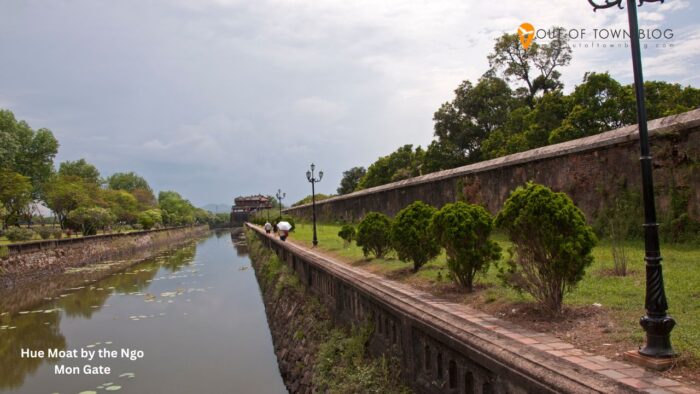
Visitors enter through the Ngo Mon Gate, the main entrance that leads into the Imperial City. This gate features traditional Vietnamese architecture, with its distinctive curved rooflines and red-lacquered pillars.
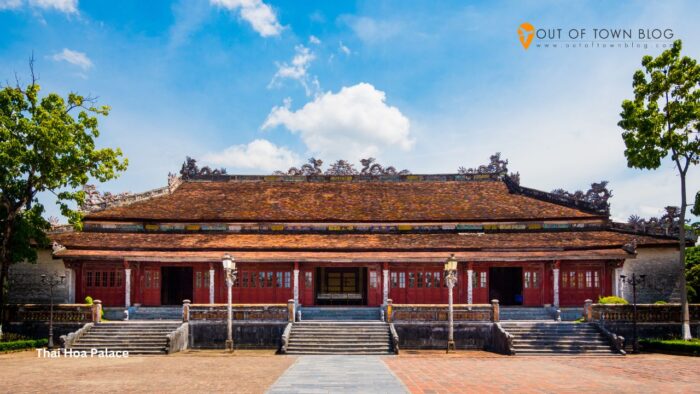
The Thai Hoa Palace stands as the most important building in the complex. Emperors held court ceremonies and received foreign ambassadors in this grand hall. Its wooden columns and intricate decorations show the finest craftsmanship of the period.
The Citadel walls stretch for 10 kilometers around the entire complex. These brick-and-earth fortifications include bastions, gates, and watchtowers that protected the royal family from attacks.
Forbidden Purple City Highlights
The Forbidden Purple City occupied the heart of the Imperial City. Only the emperor, his family, and his closest servants could enter this sacred area.
Can Chanh Palace served as the emperor’s primary residence. Though damaged during wars, restored sections show the private quarters where rulers lived and worked daily.
The Royal Theater hosted traditional performances for the imperial court. Musicians and dancers entertained the royal family with classical Vietnamese arts that continue to this day.
Royal gardens filled the Purple City with lotus ponds, ornamental trees, and peaceful walkways. These spaces provided quiet retreats for the emperor and his family, away from official duties.
UNESCO World Heritage Recognition
UNESCO designated the Complex of Hue Monuments as a World Heritage Site in 1993. This status protects the Imperial City, royal tombs, and Perfume River temples from development and destruction.
The recognition covers multiple sites beyond just the Citadel. Royal tombs of the Nguyen emperors dot the countryside around Hue, each with its own unique architectural style and landscape design.
Conservation efforts focus on restoring damaged buildings and preserving original materials. International funding helps maintain these monuments for future generations to study and visit.
The UNESCO listing brings both protection and responsibility. Authorities must balance tourism access with preservation needs to keep these sites authentic and intact.
Royal Tombs of Hue
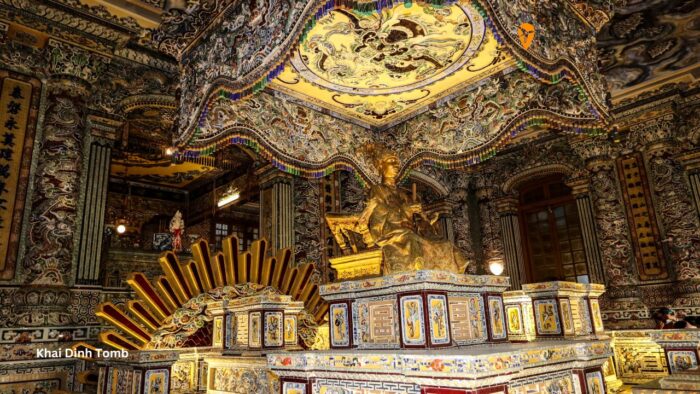
Khai Dinh Tomb
Khai Dinh Tomb stands out as the most unique among all imperial tombs in Hue. Built between 1920 and 1931, it shows strong European influence mixed with Vietnamese tradition.
The tomb sits on a hillside with concrete and steel construction. Visitors climb 127 steps to reach the main building. The interior features colorful mosaics made from ceramic and glass pieces.
Emperor Khai Dinh ruled for only nine years, but spent enormous money on his tomb. The design includes both Western architecture and Asian decorative elements.
The tomb has three levels. The first level contains the honor courtyard with stone statues. The middle level houses the Thien Dinh Palace, which contains the emperor’s belongings. The top level holds the burial chamber with intricate ceiling artwork.
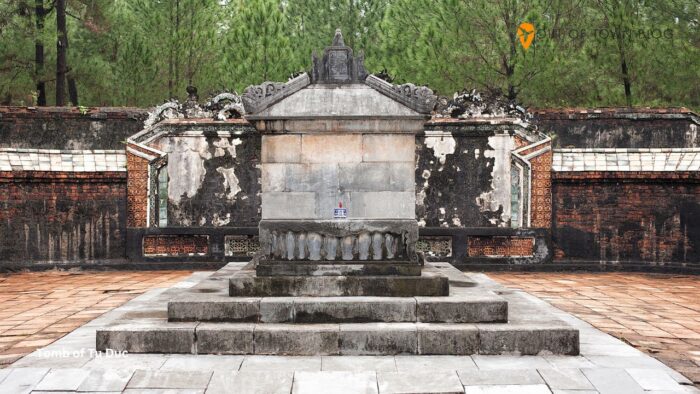
Tomb of Tu Duc
The Tomb of Tu Duc covers 12 hectares and took three years to complete from 1864 to 1867. Emperor Tu Duc actually used this complex as his summer palace while alive.
The site includes over 50 buildings surrounded by a small lake called Luu Khiem. Pine trees and water lilies create a peaceful atmosphere throughout the grounds.
Hoa Khiem Palace served as Tu Duc’s residence. The Luong Khiem Pavilion sits in the middle of the lake, where the emperor wrote poetry. Minh Khiem Chamber contains his tomb, though his actual burial location remains secret.
Tu Duc had no children, so he adopted three heirs. The complex also contains tombs for his wife and adopted sons. The architecture follows traditional Vietnamese style with wooden structures and curved roofs.
Other Nguyen Emperors’ Tombs
Five additional royal tombs complete Hue’s collection of burial sites for Nguyen emperors. Each tomb reflects the personality and reign period of its emperor.
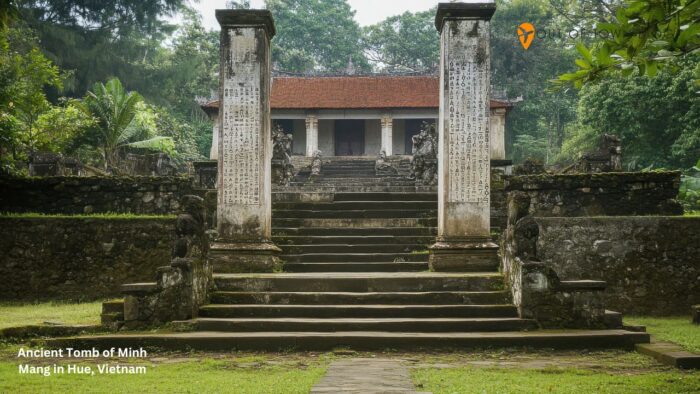
Minh Mang Tomb features the most balanced design with three courtyards connected by bridges. Gia Long Tomb remains the simplest and most complicated to reach by boat.
Dong Khanh Tomb combines French and Vietnamese styles. The Thieu Tri Tomb shows Chinese influence in its layout. Duc Duc Tomb is the smallest since he ruled for only three days.
Most tombs include similar elements: honor courtyards with stone statues, stele pavilions with carved life stories, and burial chambers. The imperial tombs use feng shui principles in their placement near mountains and water.
Sacred Pagodas and Spiritual Sites
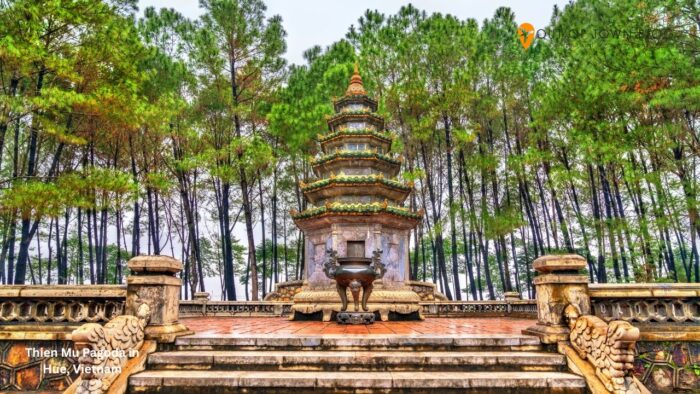
Thien Mu Pagoda and Perfume River
Thien Mu Pagoda stands as Hue’s most iconic religious site. The seven-story tower rises 21 meters above the banks of the Perfume River.
Built in 1601, this pagoda serves as a symbol of the former imperial capital. The octagonal tower contains Buddhist statues and religious artifacts.
Visitors often combine their visit with a dragon boat ride on the Perfume River. These traditional boats provide scenic views of the pagoda from the water.
The Huong River, also called the Perfume River, flows gently past the pagoda grounds. Early morning visits offer the best lighting for photos and peaceful meditation.
The pagoda complex includes several halls, ancient bells, and a marble turtle carrying a stone tablet. Monks still live and practice here daily.
Historic Pagodas of Hue
Hue contains numerous ancient pagodas beyond Thien Mu. Each offers unique architecture and spiritual significance to Buddhist pilgrims.
Popular historic pagodas include:
- Bao Quoc Pagoda (1670)
- Tu Hieu Pagoda (1843)
- Dieu De Pagoda (1841)
These sites feature traditional Vietnamese Buddhist design. Visitors find ornate rooflines, carved wooden statues, and peaceful gardens.
Many pagodas allow visitors to observe daily prayer sessions. Monks welcome respectful guests who follow proper temple etiquette.
The pagodas serve local Buddhist communities. They host festivals during important religious holidays throughout the year.
Some pagodas require small entrance fees. Most remain free for visitors who dress modestly and behave respectfully.
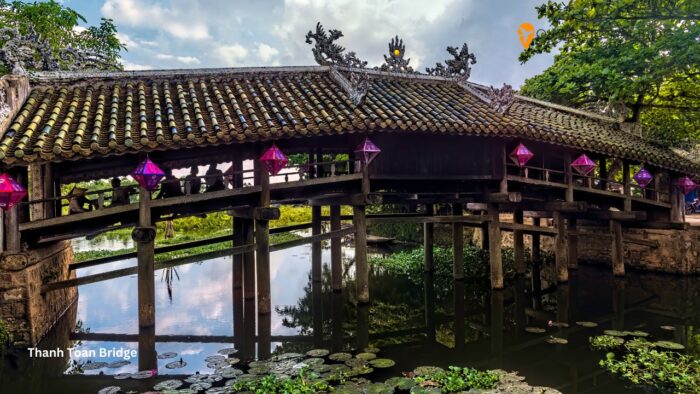
Thanh Toan Bridge and Nearby Temples
The Thanh Toan Bridge connects rural villages east of Hue city. This 18th-century covered bridge spans a small canal in peaceful farmland.
The wooden bridge features traditional tile roofing. Small temples sit at both ends, dedicated to local village protectors.
Nearby temples serve farming communities. These smaller religious sites show rural Vietnamese spiritual practices.
The bridge area offers views of rice fields and traditional village life. Local vendors sell handicrafts and snacks to visitors.
Cycling tours often include Thanh Toan Bridge. The 8-kilometer ride from central Hue takes about 30 minutes through countryside roads.
Village temples near the bridge hold simple ceremonies. Farmers pray for good harvests and protection from natural disasters.
Cultural Experiences and Festivals
Hue Festival and Heritage Events
The Hue Festival takes place every two years and serves as Vietnam’s largest cultural celebration. This week-long event transforms the former imperial capital into a showcase of traditional arts, music, and dance.
Visitors can watch royal court ceremonies at the Imperial City. Local and international artists perform on outdoor stages throughout the city. Traditional dragon boat races occur along the Perfume River.
The festival typically happens in April or May. Ticket prices range from $10 to $50, depending on the event. Popular performances include recreations of imperial banquets and traditional opera.
Smaller heritage events occur year-round:
- Tet celebrations in January or February
- Lantern festivals during full moon nights
- Temple ceremonies at local pagodas
- Poetry competitions honoring Hue’s literary tradition
Royal Court Music Performances
Nha Nhac represents Hue’s most important musical tradition. This royal court music was recognized by UNESCO as Intangible Cultural Heritage.
Daily performances take place at the Imperial City from 9 AM to 4 PM. Musicians wear traditional costumes and play ancient instruments like the dan tranh zither and wooden fish drums.
Tickets cost around $5-$8 per person. The performances last 30-45 minutes. Visitors learn about the music’s connection to imperial ceremonies and religious rituals.
Evening shows happen at cultural centers and restaurants. These longer performances often include traditional dance and storytelling elements.
Traditional Craft Villages
Thuan Tinh Island sits 15 minutes from central Hue by boat. Local families demonstrate traditional handicrafts passed down through generations.
Visitors can try making conical hats, weaving mats, and creating incense sticks. Craftspeople explain their techniques as they work on their products.
Sinh Village specializes in folk paintings and woodblock prints. Artists create works depicting imperial life and local legends. Workshops allow tourists to paint their own pieces.
The Hue Traditional Craft Festival occurs during major celebrations. Over 100 artisans display their pottery, embroidery, and bronze-casting skills. Demonstration areas let visitors practice these ancient crafts themselves.
Culinary Heritage: Foods of Hue
Signature Dishes and Street Food
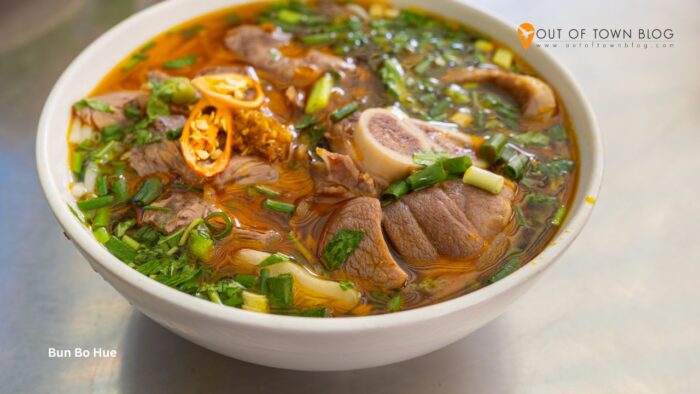
Bun Bo Hue Stands as the city’s most famous dish. This spicy noodle soup features thick rice noodles in a lemongrass-scented broth with beef and pork. The soup gets its distinctive red color from chili oil.
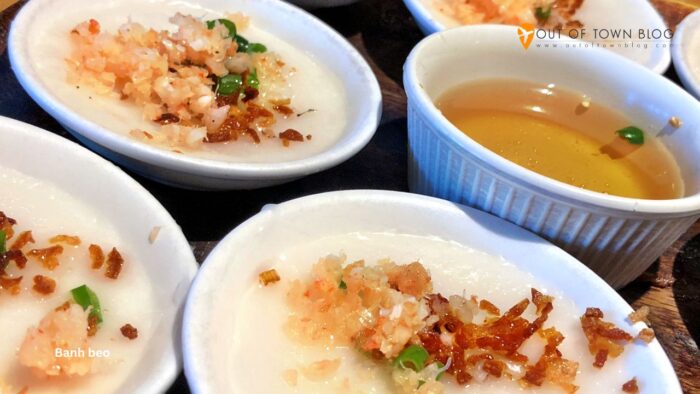
Banh beo offers a lighter option. These small steamed rice cakes come topped with dried shrimp, pork cracklings, and scallion oil. Street vendors serve them on small ceramic dishes.
Banh khoai resembles a Vietnamese pancake. Cooks rice-flour batter in hot pans, creating crispy crepes filled with shrimp and bean sprouts. They serve it with fresh herbs and dipping sauce.
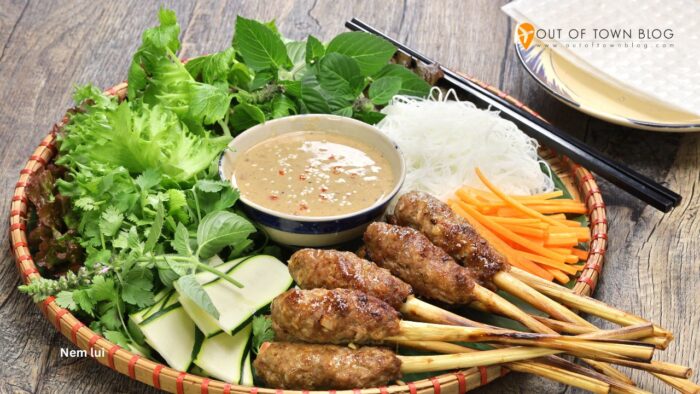
Nem lui features grilled pork skewers wrapped around lemongrass stalks. Diners roll the meat in rice paper with vegetables and herbs.
Street food vendors line the markets and alleys. They offer these dishes at affordable prices throughout the day.
Dining Experiences in Hue
Casual street food provides the most authentic experience. Local markets like Dong Ba Market offer numerous food stalls. Vendors prepare dishes fresh throughout the day.
Many restaurants now recreate royal banquets for tourists. These elaborate meals feature multiple courses with artistic presentation. The dishes reflect the imperial cooking style of the Nguyen Dynasty.
Royal cuisine characteristics:
- Delicate flavors and minimal spice
- Intricate food presentation
- Small portion sizes
- Multiple courses per meal
Hotels and tour companies offer structured food tours. These tours combine street food tastings with cultural education. Guides explain the history of each dish and the cooking techniques.
Evening food tours work best for trying multiple dishes. The cooler temperatures make walking more comfortable. Many vendors stay open late into the night.
Nature and Day Trips around Hue
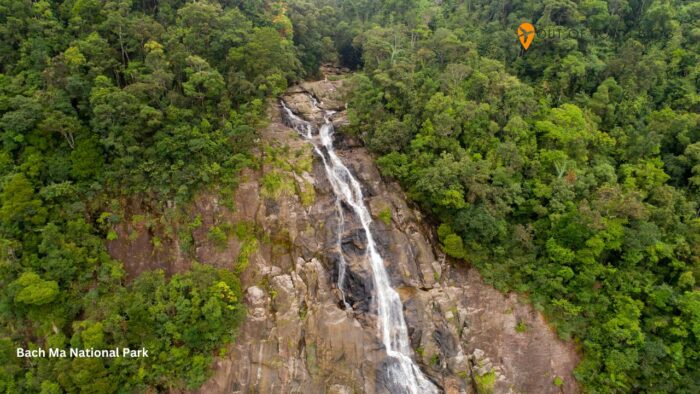
Bach Ma National Park Adventures
Bach Ma National Park sits about 40 kilometers southeast of Hue city. The park covers 37,487 hectares of mountainous terrain and tropical forests.
Getting There and Entry
- Drive time: 1.5-2 hours from Hue
- Entry fee: 60,000 VND for adults
- Best visited as a full-day trip
The park’s main attraction is Bach Ma Peak, standing at 1,448 meters above sea level. Visitors can drive partway up the mountain, then hike the final section to reach the summit.
Top Activities:
- Do Quyen Waterfall: A 300-meter cascade requiring a 45-minute hike
- Rhododendron Trail: Best visited February-March when flowers bloom
- Five Lakes Trail: A Series of natural pools perfect for swimming
The park stays cool year-round due to its elevation. Temperatures range from 15-20°C, making it a refreshing escape from Hue’s heat.
Wildlife includes over 2,000 plant species and 381 bird species. The park was once a French hill station, and visitors can still see old colonial villas along the trails.
Beaches: Thuan An and Surroundings
Thuan An Beach lies 13 kilometers northeast of Hue city. This long stretch of sand offers a quick beach escape from the historic sites.
The beach features calm waters and gentle waves. Local seafood restaurants line the shore, serving fresh catches daily.
Beach Features:
- Fine white sand stretching several kilometers
- Shallow waters are safe for swimming
- Local fishing boats provide authentic atmosphere
Nearby Options:
- Lang Co Beach: 65 kilometers south, often called one of Vietnam’s most beautiful beaches
- Canh Duong Beach: Less crowded alternative, 20 minutes from Thuan An
Transportation to Thuan An takes 30 minutes by motorbike or taxi. Many visitors combine beach time with exploring the nearby Tam Giang Lagoon, Southeast Asia’s largest lagoon system.
The best time for beach visits is March through August when the weather stays dry and sunny.
Travel Essentials for Visitors
Getting to Hue by Air, Train, and Road
Phu Bai International Airport serves as the main gateway for air travelers. The airport sits 15 kilometers southeast of the city center. Direct flights connect Hue to major Vietnamese cities, including Ho Chi Minh City and Hanoi.
Airport transfers take 20-30 minutes by taxi or airport bus. Visitors can book flights from international destinations with connections through Vietnam’s major airports.
The Reunification Express train offers scenic overland travel to Hue. This railway connects the city to Ho Chi Minh City in the south and Hanoi in the north. Train journeys from Ho Chi Minh City take approximately 12-15 hours.
The train station sits in the city center, making hotel access convenient. Travelers can choose from multiple seating and sleeping options. Advance booking ensures seat availability during peak seasons.
Road access provides flexibility for independent travelers. Da Nang airport sits 100 kilometers south, offering more international flight options. The drive from Da Nang takes 2-3 hours through mountain scenery.
Private cars, buses, and motorbikes connect Hue to neighboring cities. Highway 1A runs along the coast, providing direct access from north and south Vietnam.
Best Time to Visit Hue
Dry season from March to August offers the most favorable weather conditions. Temperatures range from 25-35°C with minimal rainfall. This period provides ideal conditions for outdoor sightseeing and tomb visits.
Peak tourist season runs from March to May when weather stays pleasant. Hotel prices increase during these months. Advance booking becomes essential for accommodations.
Rainy season spans September to February with heavy downpours. October and November receive the most precipitation. Indoor activities like museum visits work better during wet weather.
Shoulder seasons in September and February offer moderate weather with fewer crowds. Hotel rates drop compared to peak months. Light rain gear proves useful during these transitional periods.
Tips for Exploring the City
Transportation options include bicycles, motorbikes, and taxis for navigating the city. Bicycle rentals cost 50,000-100,000 VND per day. Many hotels provide rental services or recommendations.
Walking distances between major sites remain manageable in the compact city center. The Imperial City sits within walking distance of most hotels. Comfortable shoes help with uneven surfaces at historical sites.
Local guides enhance the cultural experience at royal tombs and pagodas. English-speaking guides charge 200,000-500,000 VND per day. Hotel reception desks can arrange certified guide services.
Entry tickets for major attractions must be purchased separately. The Imperial City charges different rates for sections. Multi-site passes offer savings for visitors planning extensive sightseeing.
Frequently Asked Questions
What are the must-visit historical sites in Hue?
The must-visit historical sites in Hue, Vietnam, are centered around its rich imperial heritage and include:
-
The Imperial City (Citadel)
- A UNESCO World Heritage site, this vast complex was the former royal capital’s heart, featuring palaces, temples, walls, and gates. It’s a journey back to the lavish world of the Nguyen emperors.
- Highlights include the Noon Gate, Thai Hoa Palace, and the Forbidden Purple City.
-
Royal Tombs of the Nguyen Emperors
- Scattered south of the city, these tombs are elaborate mausoleums built for emperors like Tu Duc, Khai Dinh, and Minh Mang, blending architecture and nature.
- Each tomb has unique designs reflecting the emperor’s personality and era.
-
Thien Mu Pagoda
- An iconic seven-story pagoda overlooking the Perfume River, it’s a symbol of Hue and an important religious site dating back to the 17th century.
-
The Citadel’s Walls and Gates
- The massive walls and gates like the Noon Gate (Ngo Mon) are impressive examples of military architecture and provide insight into the city’s defensive design.
These sites form the core of Hue’s historical and cultural identity, making them essential visits for anyone interested in Vietnam’s imperial past.
How can visitors respect local customs while touring heritage sites in Hue?
Visitors can respect local customs while touring heritage sites in Hue by following these key guidelines:
-
Dress Modestly
- Wear clothing that covers shoulders and knees, especially when visiting temples, pagodas, and royal tombs. This shows respect for the sacred nature of these places.
-
Speak Softly and Behave Calmly
- Keep noise levels low to maintain the peaceful atmosphere. Avoid loud conversations, running, or disruptive behavior.
-
Follow Photography Rules
- Some sites may restrict photography, especially inside temples or certain buildings. Always look for signs or ask permission before taking photos. Avoid using flash where prohibited.
-
Respect Religious Practices
- If you visit during ceremonies or see locals praying, observe quietly and do not interrupt. Avoid touching religious objects or altars.
-
Do Not Touch or Climb on Artifacts
- Many relics and structures are fragile and protected. Avoid touching statues, walls, or artifacts to help preserve them.
-
Dispose of Trash Properly
- Keep the sites clean by using designated bins or carrying your trash with you.
-
Be Patient and Polite
- Interact respectfully with local guides, vendors, and other visitors. Use polite greetings and thank people for their help.
-
Support Sustainable Tourism
- Choose eco-friendly tours and local businesses that respect and preserve Hue’s cultural heritage.
Following these customs not only honors Hue’s traditions but also enriches your experience by fostering mutual respect and cultural understanding.
What is the best time of year to explore Hue’s cultural heritage?
The best time to explore Hue’s cultural heritage is from February to April. During these months, the weather is generally dry, mild, and pleasant, making it ideal for outdoor sightseeing and visiting heritage sites like the Imperial City, royal tombs, and pagodas. The skies tend to be clear, and there’s less rainfall compared to the rainy season, allowing for comfortable exploration.
Key points about the timing:
- February to April: Dry season with moderate temperatures, perfect for cultural tours and festivals.
- Avoid May to September: These months are hotter and wetter, with heavy rains and high humidity, which can make outdoor activities less enjoyable.
- October to November: Can be rainy as well, sometimes with typhoons affecting central Vietnam.
So, for the best experience of Hue’s cultural heritage with good weather and fewer disruptions, plan your visit in late winter to early spring (February to April).
Can you recommend traditional Hue dishes for travelers to try?
Here are some must-try traditional dishes from Hue, known for their bold flavors and unique culinary heritage:
-
Bun Bo Hue
- A spicy beef noodle soup with a rich, fragrant broth flavored with lemongrass and shrimp paste. It’s Hue’s signature dish and a must-try for any visitor.
-
Com Hen (Clam Rice)
- A local specialty featuring rice topped with baby clams, peanuts, crispy pork skin, herbs, and a tangy broth.
-
Nem Lui
- Grilled pork skewers served with rice paper, fresh herbs, and a special dipping sauce. It’s a flavorful and aromatic street food favorite.
-
Banh Khoai
- A crispy pancake similar to bánh xèo but thicker, filled with shrimp, pork, and bean sprouts, usually served with a sweet and sour dipping sauce.
-
Banh Beo
- Small steamed rice cakes topped with dried shrimp, scallions, and crispy shallots, often eaten as a snack or appetizer.
-
Chè Hue
- A variety of sweet desserts made from beans, jellies, and coconut milk, perfect for a refreshing treat after savory meals.
-
Banh Nam
- Flat steamed rice dumplings wrapped in banana leaves, filled with seasoned ground shrimp and pork.
These dishes showcase the complexity and refinement of Hue’s culinary tradition, blending fresh herbs, spices, and textures that reflect the city’s imperial past.
What accommodations are available near Hue’s UNESCO World Heritage Sites?
Near Hue’s UNESCO World Heritage Sites, especially around the Imperial City and World Heritage Road, there are many accommodation options catering to different budgets and preferences:
Luxury Hotels & Resorts
- La Residence Hue Hotel & Spa
- A historic, elegant hotel offering riverside views, colonial architecture, and luxury amenities, close to the Imperial City.
- Pilgrimage Village Boutique Resort & Spa
- A peaceful resort with traditional Vietnamese design, lush gardens, and spa facilities, ideal for relaxation near heritage sites.
Mid-range Hotels
- Hotel Saigon Morin
- A classic hotel with a long history, located near the Perfume River and within easy reach of major attractions.
- Moonlight Hotel Hue
- Comfortable rooms and good service, situated close to the Citadel and local markets.
Budget & Boutique Hotels
- Hue Serene Palace Hotel
- Affordable, clean, and centrally located with easy access to the Imperial City and local eateries.
- DMZ Bar & Hostel
- A budget-friendly option popular with backpackers, offering dorms and private rooms near the city center.
Guesthouses & Homestays
- Many charming guesthouses and homestays are scattered along the Perfume River and near heritage sites, providing authentic local experiences and personalized service.
Most accommodations are concentrated along Le Loi Street and Pham Ngu Lao Street, as well as near the Perfume River, offering convenient access to UNESCO sites and local attractions.
Are there guided tours that specialize in the history and culture of Hue?
Many guided tours in Hue specialize in its rich history and culture. These tours typically cover key historical sites such as the Imperial City, royal tombs, Thien Mu Pagoda, and other cultural landmarks, often led by knowledgeable English-speaking guides. Options include:
- Full-day historical tours that explore the Citadel, royal palaces, pagodas, and traditional villages with professional guides and transportation.
- Half-day tours focusing on highlights like the Imperial City and Thien Mu Pagoda for a concise cultural experience.
- Private car tours offering personalized itineraries and in-depth insights into the Nguyen Dynasty and Hue’s heritage.
- Combination tours blending history, culture, and local cuisine or river cruises on the Perfume River.
- Specialized thematic tours such as culinary street food tours or cycling tours around historical sites.
Many tours are highly rated for their knowledgeable guides who provide detailed context about Hue’s imperial past, architectural styles, and cultural traditions. Booking can be done through platforms like GetYourGuide, ToursByLocals, and local travel agencies.
Hue Travel Tour Packages You Should Try
Follow and Subscribe to OutofTownBlog.com on Facebook , Twitter, Instagram, Pinterest, and YouTube for more Travel-related updates.
Read: Hue Travel Guide: Things to Do + Travel Tips