

 Melo Villareal
A Comprehensive List of Popular Vegetables in the Philippines
The Philippines is known for its rich and diverse cuisine, heavily influenced by its history and culture. One of the key components of Filipino cuisine is the use of vegetables. From the humble sayote to the bitter ampalaya, there is a plethora of vegetables that are commonly used in Filipino dishes.
This guide aims to provide an overview of some of the most popular vegetables in the Philippines. It will cover their nutritional value, culinary uses, and where to find them. Whether you are a local looking to expand your culinary knowledge or a tourist wanting to experience authentic Filipino cuisine, this guide will provide valuable insights into the world of Filipino vegetables. So, let’s dive in and explore the wonderful world of Filipino vegetables!

Understanding the Importance of Vegetables
Vegetables are an essential part of a healthy and balanced diet. They are packed with vitamins, minerals, fiber, and other essential nutrients that are necessary for maintaining good health. Vegetables are also a great source of protein, especially for vegetarians and vegans.
Vitamins and minerals are essential for the proper functioning of the body. Vegetables are a rich source of vitamins A, C, and K and minerals such as calcium, potassium, and iron. These vitamins and minerals are vital in maintaining healthy bones, teeth, and skin and help properly function the immune system.
Fiber is another important nutrient found in vegetables. It helps in maintaining a healthy digestive system and prevents constipation. Fiber also helps in reducing the risk of heart disease, diabetes, and certain types of cancer.
In addition to vitamins, minerals, and fiber, vegetables also contain other essential nutrients such as antioxidants and phytonutrients. Antioxidants help in protecting the body against damage caused by free radicals, while phytonutrients help in reducing inflammation and boosting the immune system.
Popular Vegetables in the Philippines
The Philippines is home to a wide variety of vegetables used in traditional dishes and enjoyed by locals and visitors alike. Here are some of the most popular vegetables in the Philippines:
Kalabasa / Squash
Kalabasa, or squash as it’s more commonly known, is a truly versatile vegetable that can add a unique flavor to any dish. From sautéing to roasting, this nutritious vegetable is packed with Vitamin A, B, and C, Iron, Potassium, and Calcium, making it a great addition to any stew or soup.

It is delicious and incredibly easy to grow, so you can enjoy the sweet reward of a bountiful harvest with minimal effort. Whether you fry it, add it to salads, or stir fry it with other vegetables, kalabasa is sure to become a staple in your kitchen!
Ampalaya / Bitter Melon
Often referred to as bitter melon, ampalaya is a beloved vegetable in the Philippines renowned for its tangy flavor. It’s a common ingredient in soups and stews and is believed to contain medicinal properties.

Rich in vitamin C, ampalaya helps protect against many illnesses, aids with wound healing, and is essential for growth and development. Vitamin A and beta-carotene, both found in ampalaya, are beneficial for eye health and can help reduce dark circles.
Malunggay / Moringa
Moringa oleifera, more commonly known as malunggay, is a highly nutritious vegetable native to the Indian subcontinent. A staple in Philippine cuisine, malunggay is used in soups, stews, teas, and even bread.

This fast-growing, drought-resistant tree is a powerhouse of vitamins and minerals, boasting high levels of vitamin C, calcium, and iron. Health-conscious individuals looking to get the most out of their meals should consider adding malunggay to their diet.
Pechay
Pechay, or Chinese cabbage, is a beloved leafy vegetable in the Philippines! It’s a variant of the turnip, the same genus as cabbage, broccoli, and cauliflower, and can be used in a variety of dishes.

Whether you’re adding it to soups and stews or sautéing or stir-frying it, pechay is a great way to get your daily dose of vitamins A and C.
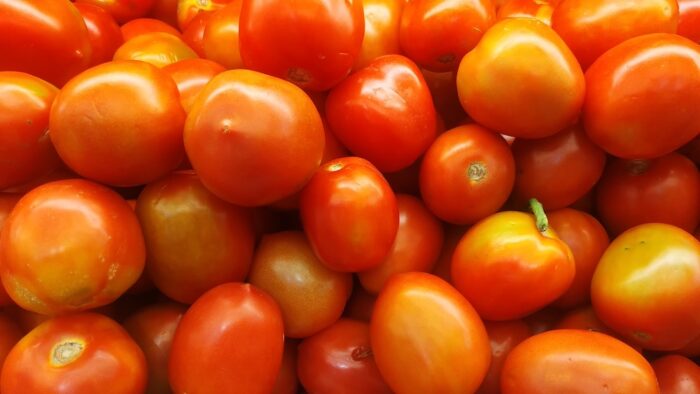
Kamatis / Tomatoes
Tomatoes are a common vegetable in Filipino cuisine and are often used in stews, soups, and salads. They are a good source of vitamins A and C and are believed to have anti-inflammatory properties.

Talong / Eggplant
Eggplant is a versatile vegetable that is used in many Filipino dishes. It can be grilled, roasted, or sautéed and is often used in stews and curries. Eggplant is a good source of fiber and vitamins B and C.

Sayote / Chayote
Chayote, or sayote, is a popular vegetable in the Philippines, often used in stews and soups. It can also be sautéed or stir-fried and is a good source of vitamins C and K.
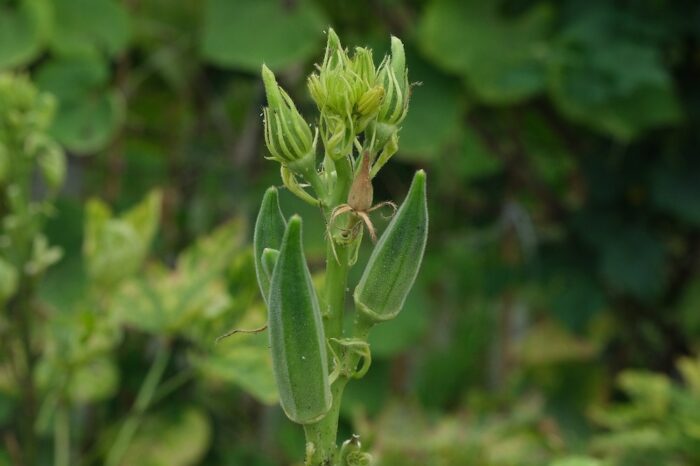
Okra
Okra is a popular vegetable in the Philippines, often used in stews and soups. It can also be sautéed or stir-fried and is a good source of vitamins A and C.

Upo / Bottle Gourd
Upo, or bottle gourd, is a popular vegetable in the Philippines often used in stews and soups. It can also be sautéed or stir-fried and is a good source of vitamins C and K.

Kangkong / Water Spinach
Water spinach, or kangkong, is a popular leafy vegetable in the Philippines. It is often used in soups and stews and can be stir-fried or sautéed. Water spinach is a good source of vitamins A and C.

Sitaw / String Beans
String beans, also known as sitaw, are a staple in Filipino cuisine. They are often used in stews and soups and can be sautéed or stir-fried. String beans are a good source of vitamins A and C.

Sigarilyas / Winged Beans
Sigarilyas, also known as winged bean, is a popular vegetable in the Philippines often used in stews and soups. It can also be sautéed or stir-fried and is a good source of vitamins A and C.

Patola / Sponge Gourd
Patola, also known as sponge gourd, is a popular vegetable in the Philippines, often used in stews and soups. It can also be sautéed or stir-fried and is a good source of vitamins C and K.
Baguio Beans / French Beans
Green beans are a delicious vegetable that are known by many different names around the world. From the French haricot vert, to the classic string beans, to the snap beans of the Philippines – these tasty vegetables are enjoyed by many!

Baguio beans, or habichuelas, as they are known in the Philippines, are a prevalent type of green bean due to their unique flavor and texture.
Bataw / Jute Mallow
Growing saluyot in your backyard garden is a great way to add a unique and nutritious ingredient to your meals! The leaves of this plant, commonly known as jute mallow, are a key component of the Ilocano dish denengdeng, a mix of vegetables and fermented fish.

Saluyot has a slimy texture similar to okra and is a great source of calcium, iron, protein, and beta-carotene. So why not give this unusual and nutritious vegetable a try?
Patani / Lima Beans
Lima beans, or patani, are a delicious addition to Filipino dishes such as sinigang. These annual climbing vines boast green, ovate leaves with pointed tips and white clusters of flowers that turn into bright, oblong pods. The young leaves, pods, and seeds are all edible, with the white variety being the most sought-after for its superior flavor.

Boiling the darker-colored beans is recommended due to the presence of potentially poisonous phaseolunatin. Not only are lima beans a tasty treat, but they are also a great source of fiber, magnesium, and folate.
Kamote / Sweet Potato
Gardeners everywhere love sweet potato for its fast-growing, sun-loving nature and its delicious edible tubers. But did you know that you can also enjoy its young shoots and leaves in a variety of dishes?
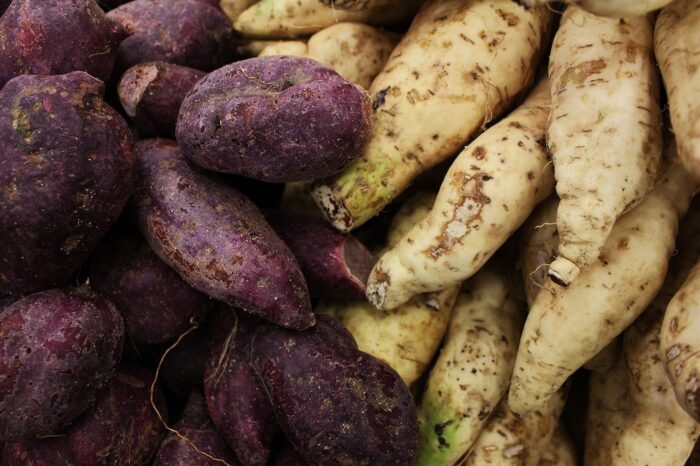
Sinaing, a soured fish or meat dish, and nilaga, a soup dish, are just two of the ways you can enjoy sweet potato leaves. Steamed and seasoned with fermented fish, or even served with fried or grilled fish, sweet potato leaves make a delicious and enjoyable meal.
Labong / Bamboo Shoots
Bamboo shoots, or sprouts, are a delicious and nutritious way to add a unique flavor to your Asian dishes and broths. Whether you’re looking for fresh, dried, or canned varieties, you can find these edible shoots of Bambusa vulgaris and Phyllostachys edulis in all shapes and sizes.
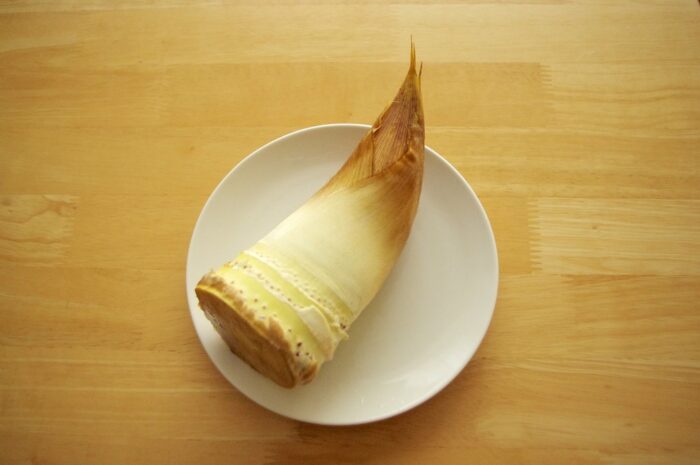
Also known as labong, these shoots have a mild sweetness and earthy flavor that can easily elevate the flavor of your dish. Not only do they add flavor, but they are also rich in nutrients, making them a great addition to any meal. For a truly delicious dish, try cooking them with coconut milk, shrimp, or fish.
Taro Leaves / Gabi
The vibrant heart-shaped leaves of the taro plant (Colocasia esculenta) are a staple in many tropical and subtropical regions. It is most famously used in the Philippines to create the iconic dish Laing – a scrumptious concoction of dried taro leaves and coconut milk. This beloved dish hails from the provinces of the Bicol region and is a beloved part of Filipino cuisine.
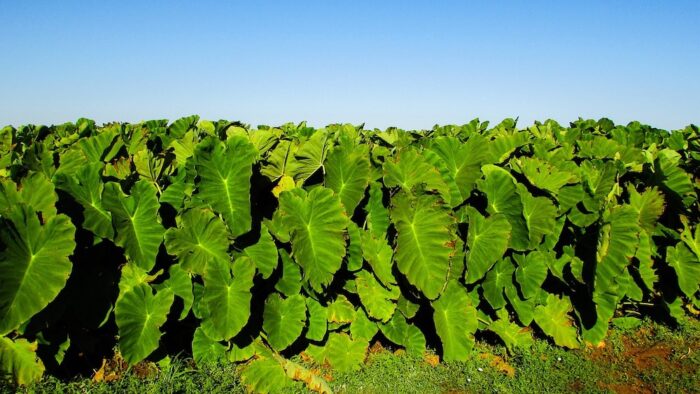
To prepare the leaves, they are often dried in the sun first before being cooked. Taro is a root vegetable part of the Araceae family, and its corms, leaves, stems, and petioles are all edible and widely enjoyed.

Culinary Uses of Filipino Vegetables
Filipino cuisine is known for its unique blend of sweet, sour, and savory flavors. Vegetables play a significant role in Filipino cooking and are often used in various dishes. Here are some common culinary uses of Filipino vegetables:
Stir-Fry Dishes
Stir-frying is a popular cooking method in the Philippines. Vegetables such as long beans, eggplant (talong), and bitter melon (ampalaya) are often stir-fried with garlic and onion. Pork is also commonly added to stir-fry dishes for added flavor and texture. Stir-fried vegetables make a delicious and healthy side dish or can be served as a main course with rice.
Vegetable Salads
Filipino salads are often made with a variety of vegetables, including tomatoes, cucumber, and lettuce. Vegetables are typically dressed with a mixture of vinegar, soy sauce, and calamansi juice. Some salads also include fruits such as mango and papaya. Vegetable salads are a refreshing and healthy addition to any meal.
Traditional Filipino Dishes
Vegetables play a significant role in traditional Filipino dishes such as adobo, sinigang, and pinakbet. Adobo is a dish made with meat (usually chicken or pork) that is marinated in a mixture of soy sauce, vinegar, and garlic. Vegetables such as long beans and eggplant are often added to the dish. Sinigang is a sour soup made with tamarind and vegetables such as tomatoes, onions, and kangkong (water spinach). Pinakbet is a vegetable dish made with a variety of vegetables such as eggplant, bitter melon, and okra. The vegetables are cooked with pork and shrimp paste (bagoong) for added flavor.
In recent years, Filipino chefs have also been experimenting with new ways to use traditional vegetables. For example, tortang talong is a dish made with grilled eggplant that is dipped in egg and fried. Malunggay pandesal is a bread that is made with malunggay (moringa) leaves. Adobong kangkong is a dish made with kangkong that is cooked in adobo sauce. Tinola is a soup made with chicken, ginger, and malunggay leaves.
Frequently Asked Questions
What are the 10 major vegetable crops in the Philippines?
The 10 major vegetable crops in the Philippines are: tomato, onion, garlic, cabbage, eggplant, sweet potato, cassava, peanut, string bean, and chili pepper. These crops are widely grown and consumed in the country.
What are some popular Filipino vegetable dishes?
Filipino cuisine has a lot of vegetable dishes. Some of the most popular ones are sinigang, pinakbet, ginisang monggo, laing, and kare-kare. These dishes are often served with rice and are enjoyed by many Filipinos.
What are some Filipino green leafy vegetable recipes?
Green leafy vegetables are a staple in Filipino cuisine. Some popular recipes include ginisang kangkong, laing, paksiw na puso ng saging, and utan bisaya. These recipes are easy to make and are packed with nutrients.
What are some indigenous vegetables in the Philippines?
The Philippines has a rich biodiversity of indigenous vegetables. Some of these include upo, patola, kamote, talbos ng kamote, kulitis, and ampalaya. These vegetables are often used in traditional Filipino dishes and are known for their unique flavors.
What are the most popular vegetables in the Philippines?
The most popular vegetables in the Philippines are tomatoes, onions, garlic, eggplant, and string beans. These vegetables are widely available and are used in many Filipino dishes. They are also easy to grow and are often cultivated in home gardens.
How many vegetables are mentioned in the song Bahay Kubo?
The song Bahay Kubo mentions 18 vegetables. These are: Singkamas, talong, sigarilyas, mani, sitaw, bataw, patani, Kundol, patola, upo, kalabasa, labanos, mustasa, sibuyas, kamatis, bawang, luya, linga. The song is a popular children’s song in the Philippines and is often taught in schools.
Follow the Out of Town Travel Blog on Facebook, Twitter, Instagram, and Pinterest if you want more travel and food-related updates.
Read: Tortang Talong Recipe: Filipino Eggplant Omelet